Sengakuji Temple Tokyo – Burial ground of the 47 Ronin
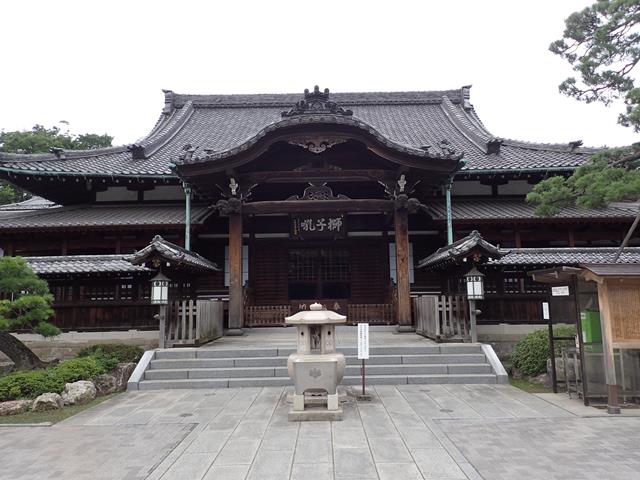
Nestled in the bustling Minato district of Tokyo, Sengakuji Temple stands as a serene oasis of history and spirituality, most famous as the final resting place of the legendary 47 Ronin. This Sōtō Zen Buddhist temple draws visitors from around the world, not just for its tranquil grounds but for the gripping tale of loyalty, honour, and revenge that unfolded here over 300 years ago. If you’re a fan of samurai lore (or even if you’ve only seen Hollywood’s take in 47 Ronin with Keanu Reeves), Sengakuji is a must-visit — a place where Japan’s feudal past comes alive amid the modern skyline.
As a frequent traveller to Japan, I stumbled upon Sengakuji while searching for unique temples in Tokyo. Discovering that the 47 Ronin were real historical figures from the early 18th century was a revelation — turning a fun movie night into a pilgrimage to this unassuming site. Here’s everything you need to know for your own visit.
A Brief History of Sengakuji Temple
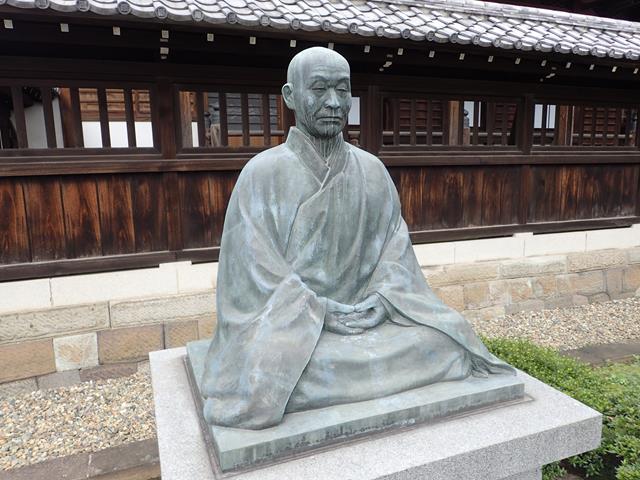
Sengakuji Temple was originally founded in 1612 during the early Edo period, initially located near Edo Castle (now the Imperial Palace) under the patronage of Tokugawa Ieyasu, the first shogun of the Tokugawa shogunate. It served as a prominent centre for Sōtō Zen Buddhism, one of Japan’s three main Zen sects (alongside Rinzai and Ōbaku), emphasizing meditation, self-discipline, and enlightenment through everyday practice. In its heyday, over 200 monks from across Japan resided here, studying and practising under strict monastic rules.
Tragedy struck in 1641 when a fire destroyed the original structure — a common fate for wooden buildings in old Japan. The temple was rebuilt in its current location in Takanawa, Minato ward, where it has stood ever since. Over the centuries, it has maintained its role as an active Zen training ground, though with fewer monks today (around a dozen or so). The temple’s architecture reflects classic Zen simplicity: wooden gates, stone paths, and minimalist halls designed for contemplation.
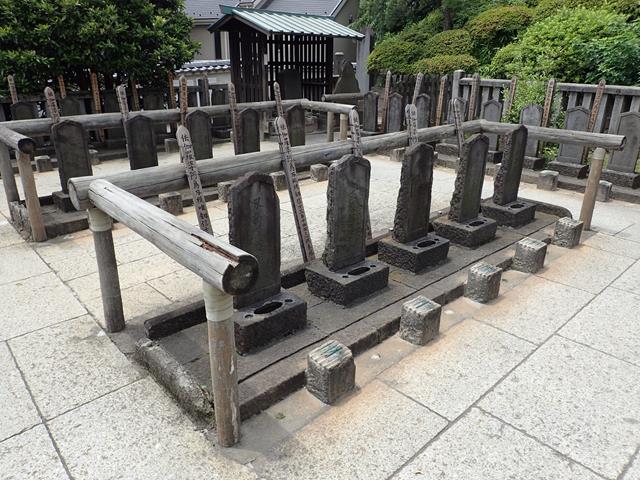
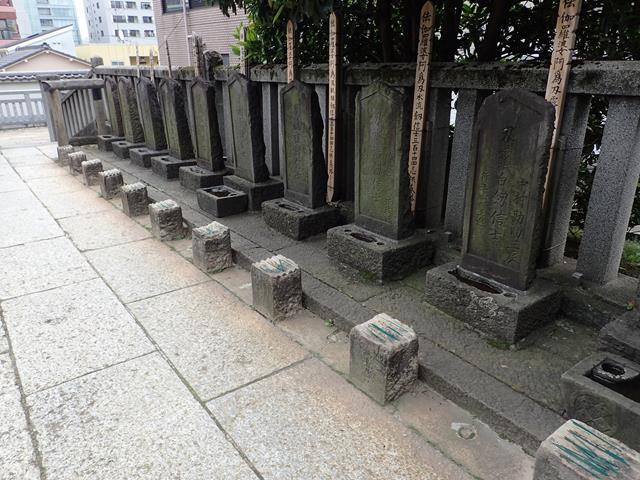
Sengakuji’s true claim to fame, however, is its connection to the 47 Ronin incident (Chūshingura). In 1701, Lord Asano Naganori (daimyo of Akō) was provoked into drawing his sword in Edo Castle against the court official Kira Yoshinaka, a breach of protocol that led to Asano’s forced seppuku (ritual suicide). His 47 loyal samurai (ronin, masterless warriors) spent over a year plotting revenge. In December 1702, they stormed Kira’s mansion, killed him, and presented his head at Asano’s grave at Sengakuji. Condemned for their vigilante justice, the ronin were ordered to commit seppuku themselves. All 47 are buried here, their graves a symbol of unwavering bushido (samurai code) loyalty. This story has inspired countless kabuki plays, films, and novels, cementing Sengakuji as a site of national cultural significance.
What to See and Do at Sengakuji
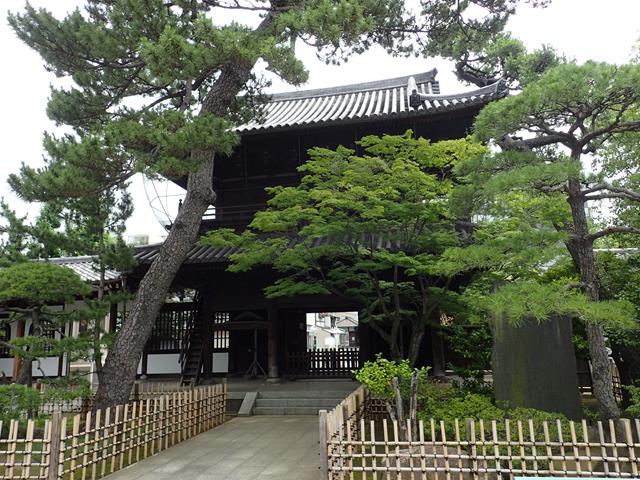
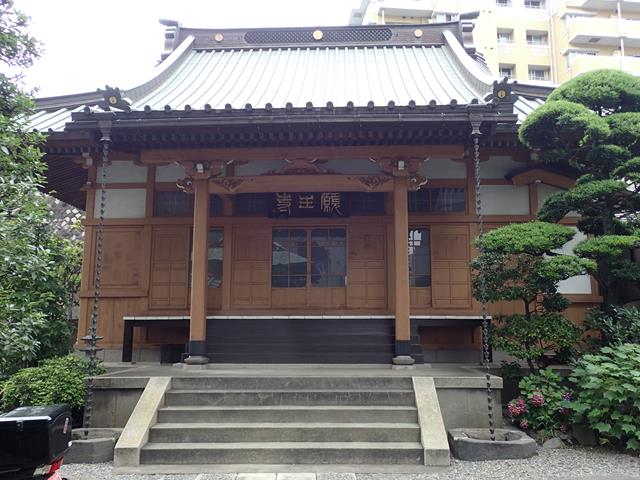
Enter through the grand Sanmon Gate (main wooden gate), a towering structure typical of Japanese Buddhist temples, flanked by guardian statues. The spacious courtyard leads to the main hall (Hondo), where visitors can observe monks in prayer or light incense at the altar. The air is filled with the faint scent of sandalwood and the sound of chanting — a peaceful contrast to Tokyo’s urban buzz.
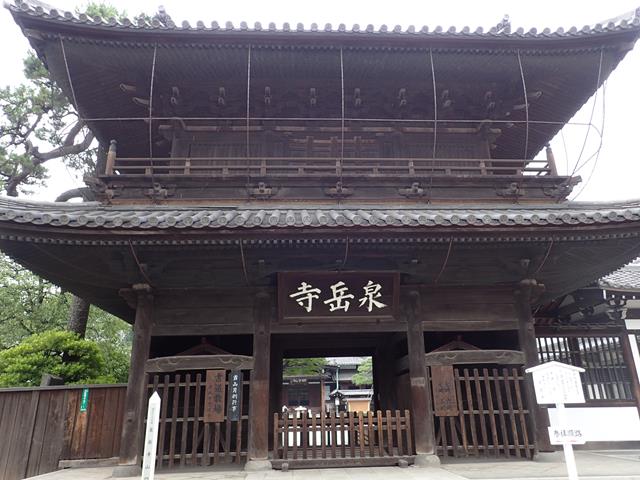
The highlight is the 47 Ronin Gravesite, up a short flight of stone steps to the rear. The neat rows of tombstones, each marked with a ronin’s name and often adorned with incense or offerings, evoke a profound sense of reverence. Nearby is a small museum (admission ~500 yen) with artefacts like the ronin’s weapons, letters, and a detailed exhibit on the incident. Don’t miss the well-preserved grave of Lord Asano himself, shaded by ancient trees.For a deeper experience, time your visit for December 14 — the anniversary of the ronin’s revenge — when a festival recreates the event with parades and ceremonies.
Getting to Sengakuji Temple
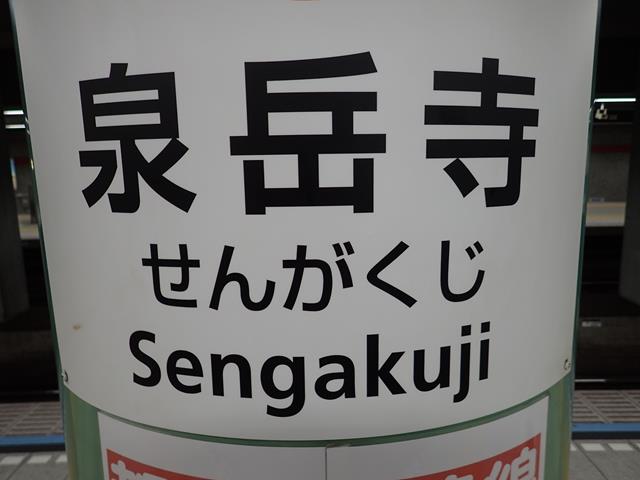
Sengakuji is conveniently located just 200–300 meters from Sengakuji Station on the Toei Asakusa Line (Exit A2). From major hubs:
- From Shinjuku: Take the Yamanote Line to Gotanda Station (15–20 min), then switch to the Asakusa Line for one stop to Sengakuji. Total ~25 min.
- From Tokyo Station: Asakusa Line direct (10–15 min).
- From my stay at the Hilton Tokyo: I walked across to Tochomae Station (Toei Oedo Line), rode to Daimon Station, then switched to Asakusa Line for two stops (~30 min total).
Entrance is free, though donations are appreciated. The temple is open daily from 7 AM to 5 PM (museum until 4 PM).
Nearby Attractions
Sengakuji’s location in Minato ward makes it easy to combine with other sights:
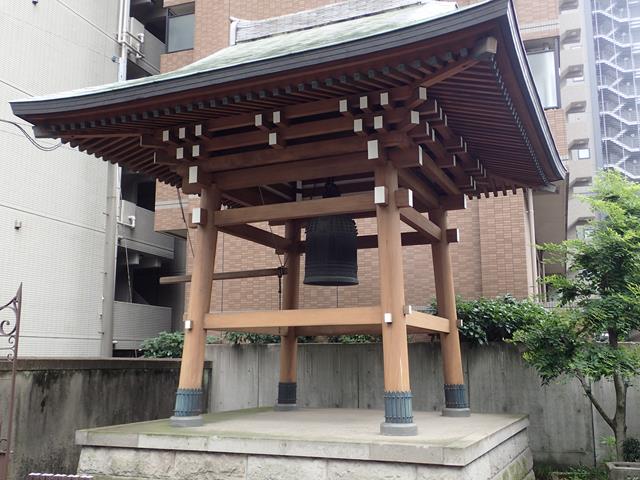
- Gansho-ji Temple (just around the corner): A quaint spot with a large bell and serene graveyard.
- Tokyo Tower (10-min walk from Akabanebashi Station, one stop away): Iconic landmark with panoramic views.
- Zojo-ji Temple (near Tokyo Tower): One of Tokyo’s largest Buddhist temples, with Edo-period gates and ties to the Tokugawa shoguns.
- Roppongi (two stops on Oedo Line): Nightlife hub with bars, restaurants, and malls like Roppongi Hills and Tokyo Midtown.
- Head north on the Asakusa Line to Asakusa for Senso-ji Temple, Tokyo’s most famous shrine.
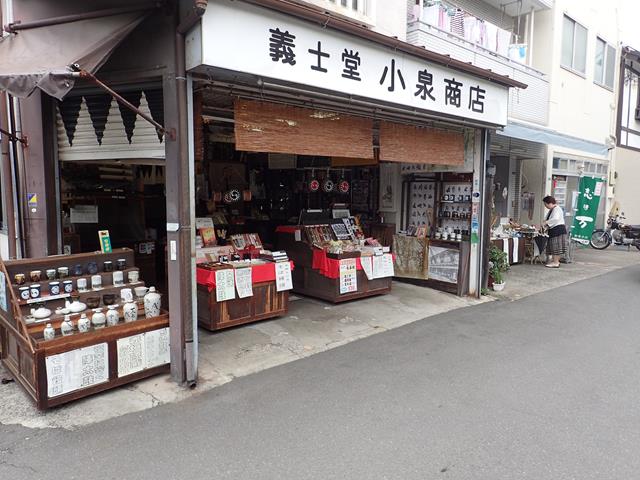
Just outside Sengakuji, a row of five souvenir shops sells traditional gifts — samurai swords, sake sets, chopsticks, and ronin-themed memorabilia. Perfect for picking up a memento.
Final Thoughts
Sengakuji Temple offers more than just a history lesson — it’s a poignant reminder of Japan’s samurai heritage, where honour and loyalty transcend time. Whether you’re drawn by the 47 Ronin legend or seeking a quiet escape in Tokyo, this hidden gem delivers. As a travel enthusiast, I left with a deeper appreciation for Japan’s past — and a resolve to dive into more Chūshingura stories. Don’t miss it on your Tokyo itinerary.

Australian travel blogger and aviation enthusiast based in Sydney, living a relaxed retired life filled with daily flat whites. Passionate about exploring The World's hidden gems TripAtrek travel blog is on a mission: To share these gems with you.