Hiroshima
Visiting Hiroshima as a Tourist: Everything You Need to Know
Hiroshima, a vibrant city of about 1.2 million people in western Japan, blends profound history, natural beauty, and modern energy. It’s a must-visit for its peace memorials, nearby islands, and unique food scene. Plan for 3–5 days to explore comfortably. Here’s a comprehensive guide based on 2026 updates, including top attractions, food, nightlife, shopping, costs, hotels, transportation, and tips.
Top Attractions to Visit in Hiroshima
Hiroshima’s highlights focus on history, culture, and nature. Here are the must-sees:
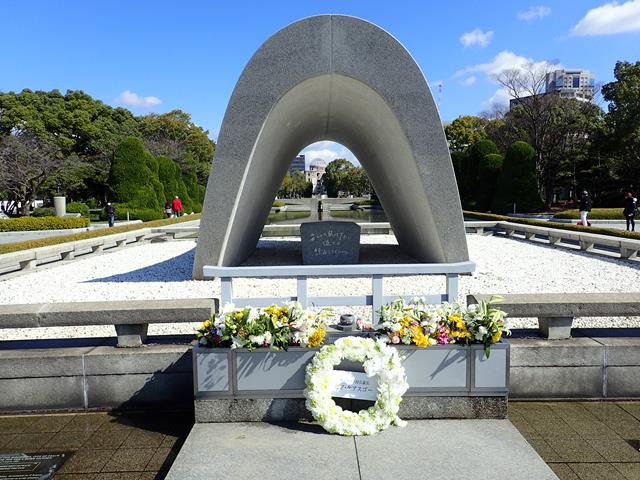
- Hiroshima Peace Memorial Museum and Park: The heart of Hiroshima’s story, dedicated to the atomic bombing. The museum has powerful exhibits; the park includes the Atomic Bomb Dome, Cenotaph, and Children’s Peace Monument. Allow 2–3 hours. Open 8:30 AM–6 PM (varies seasonally); entry ¥200 (~US$1.30). tripadvisor.com
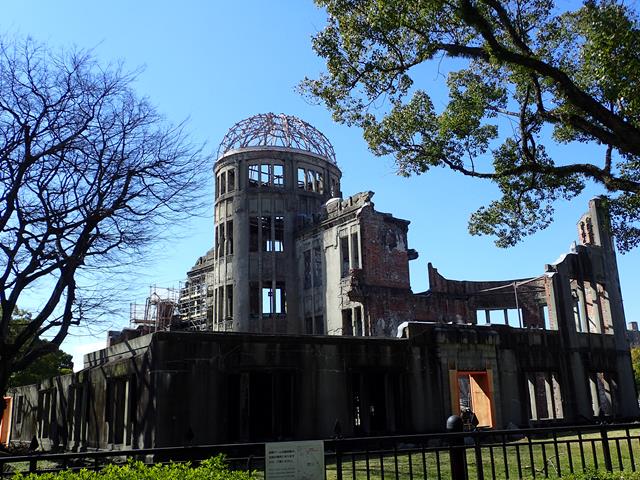
- Atomic Bomb Dome (Genbaku Dome): The preserved ruins of the Hiroshima Prefectural Industrial Promotion Hall, a UNESCO site symbolizing peace. Free to view; best from the park.
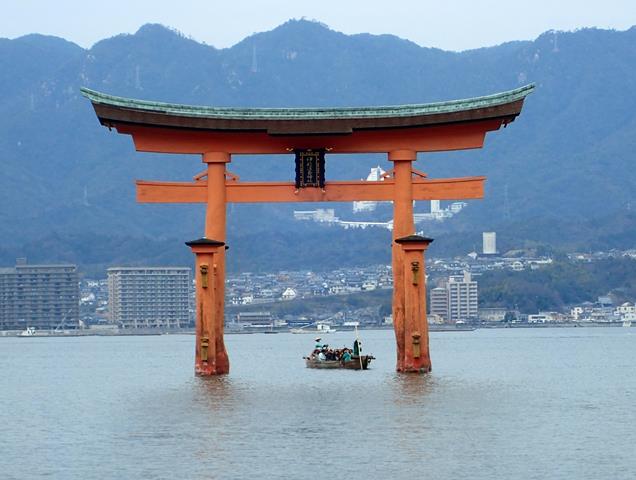
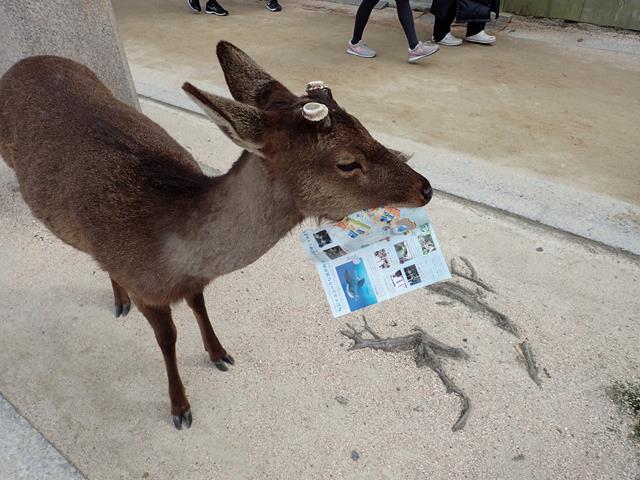
- Miyajima Island (Itsukushima Shrine): A short ferry ride (10–15 min from Miyajimaguchi, ¥360 round-trip). Famous for the floating torii gate and wild deer. Hike Mount Misen for views. Allow a full day. tripadvisor.com
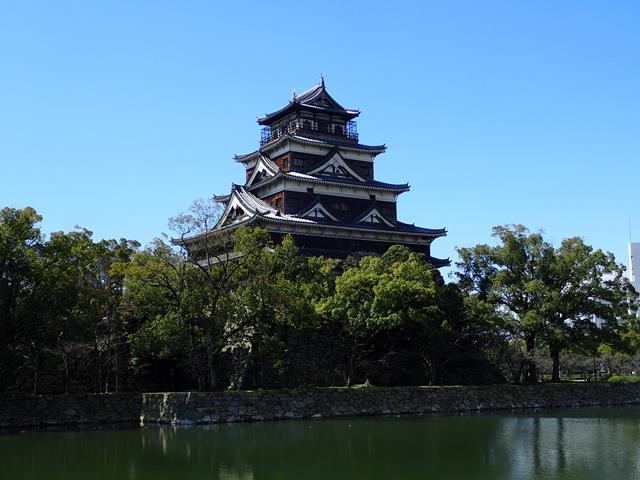
- Hiroshima Castle: Rebuilt 5-story keep with museum on samurai history. Free grounds; tower entry ¥370 (~US$2.40). Cherry blossoms in spring.
- Shukkeien Garden: Traditional Japanese garden with teahouses and ponds. Entry ¥260 (~US$1.70).
- Mazda Museum: Free factory tour (book ahead); great for car fans. Other gems: Hiroshima Gokoku Shrine, Hiroshima Art Museum, and Okonomimura food hall.
Food Scene in Hiroshima
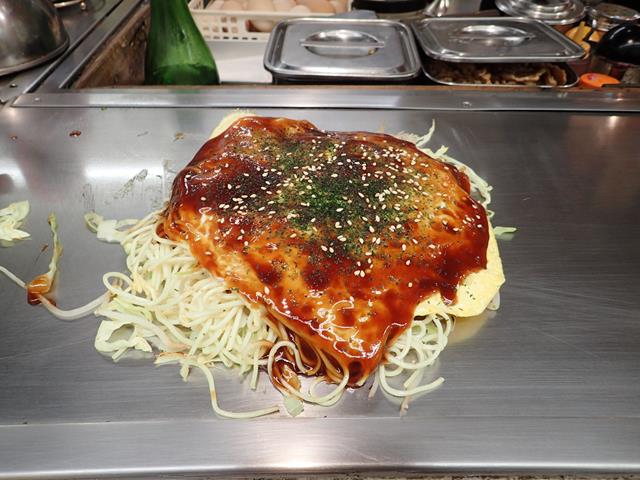
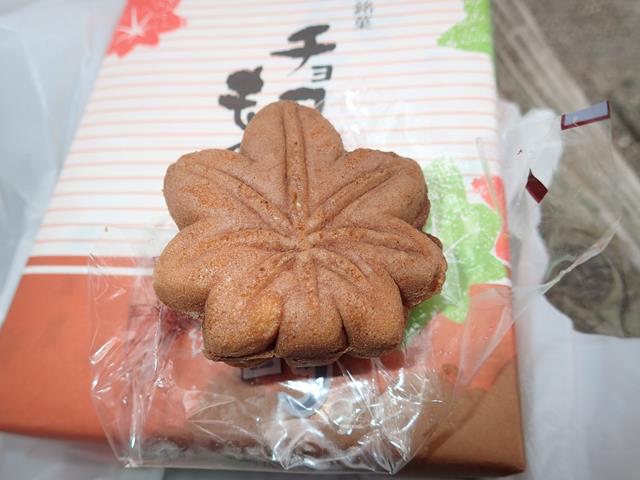
Hiroshima’s cuisine is seafood-heavy, influenced by the Seto Inland Sea. Signature dish: Hiroshima-style okonomiyaki — layered pancake with cabbage, noodles, egg, and toppings like oysters or squid (¥800–1,500/US$5–10). Try at Okonomimura (5-story hall with 20+ stalls). Fresh oysters are Japan’s best here — grilled, raw, or in okonomiyaki (Hiroshima produces 60–70% of Japan’s oysters). Other must-tries: Hiroshima tsukemen (cold noodles in spicy dipping sauce), momiji manju (maple-leaf cakes with fillings), and local sake. Street food like grilled oysters or kaki-tei (oyster huts) is affordable (¥500–1,000/US$3–7). Vegetarian options exist but are limited — seek okonomiyaki without meat.
Read more about The Food You Have to Try in Hiroshima
Nightlife in Hiroshima
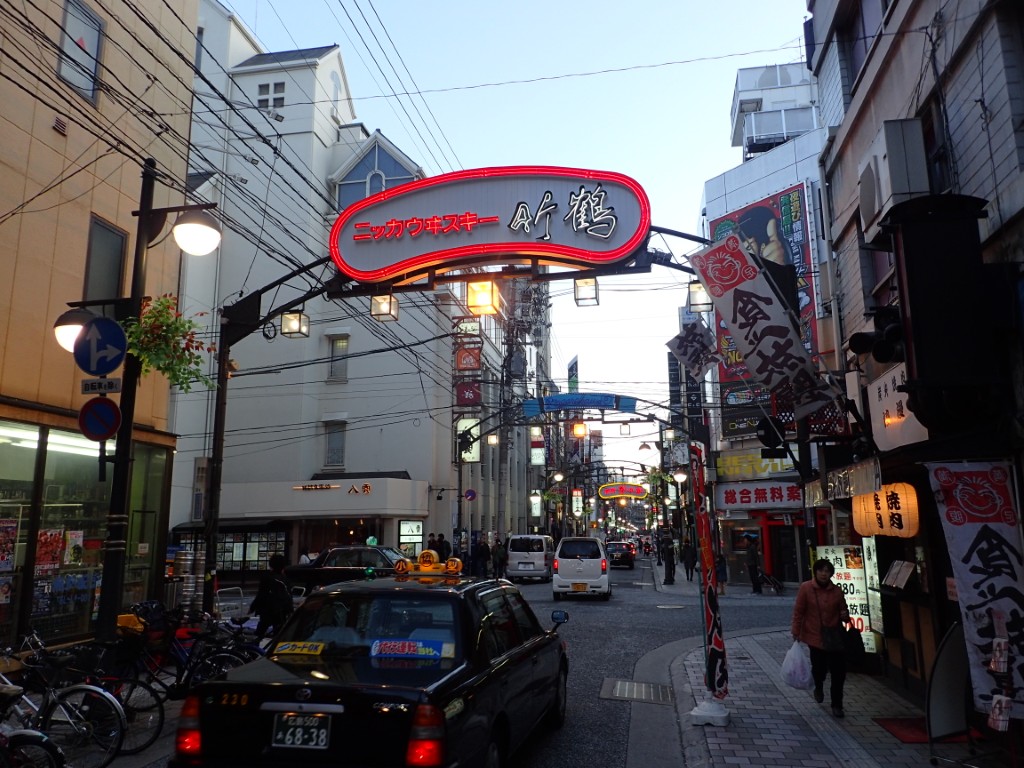
Hiroshima’s nightlife is lively but more low-key than Tokyo. Nagarekawa district is the main hub — packed with izakayas, bars, clubs, and karaoke. Expect neon lights, affordable drinks (beer ¥500/US$3.30), and crowds. Popular spots: Kemby’s or Molly’s for expat-friendly bars, Club G or LAGOON for dancing (cover ¥1,000–2,000/US$6.50–13). Hatchobori area has stylish bars and wine spots. For a relaxed vibe, head to Hondori arcade for late-night okonomiyaki or riverside beers. Safe and welcoming, but watch for overpriced “ladies bars” in Nagarekawa. Nightlife peaks Friday/Saturday, open until dawn.
Shopping in Hiroshima
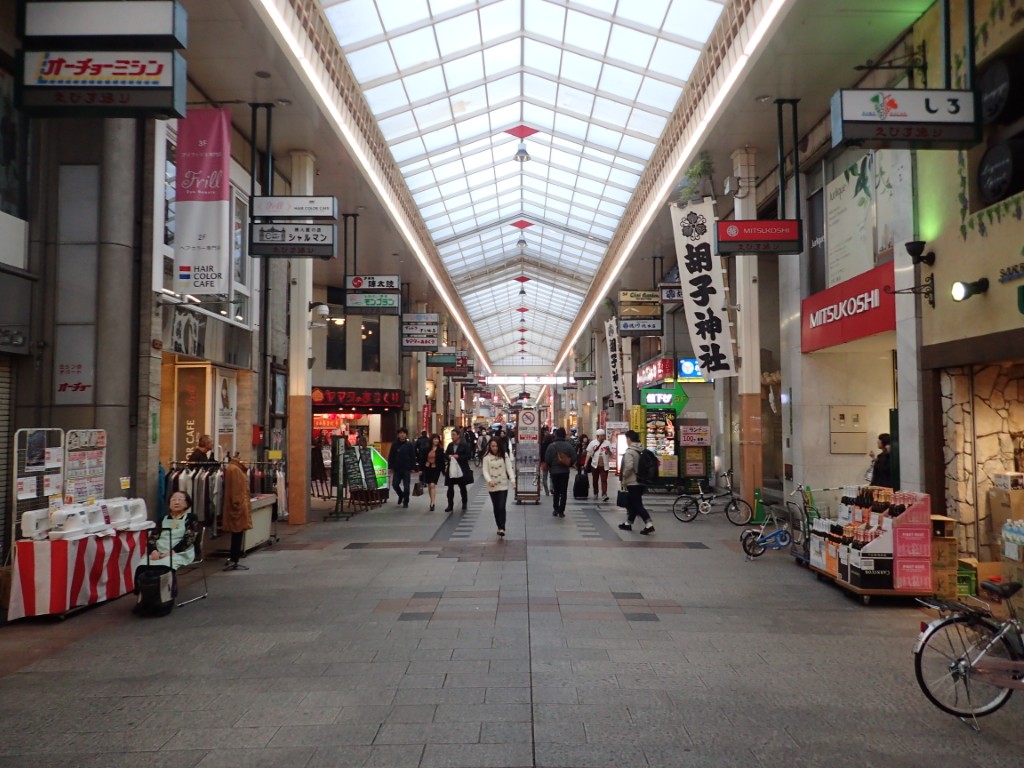
Hiroshima’s shopping is centered on Hondori Arcade — a 500m covered street with 200+ shops for clothes, souvenirs, jewelry, games, and anime (open daily, rain-proof). Buy local: Momiji manju cakes, kaki (oysters) products, Hiroshima-made knives (famous for sharpness), or Setouchi lemon goods. Hondori has department stores like Sogo and Parco for brands. For unique souvenirs: Kendama toys (ball-and-cup game originated in Hiroshima), or Hiroshima Carp baseball merch (local team). Prices: Souvenirs ¥500–2,000 (~US$3–13); fashion affordable. Nearby: Yale Yale A-kan mall for more variety.
Price Guide for Food, Entertainment, and Accommodation (2026 Estimates in US$)
- Food: Budget ¥1,000–2,000/day ($6.50–13/person) for street okonomiyaki or konbini meals. Mid-range ¥3,000–5,000/day ($20–33/person) for izakaya dinners. Luxury ¥5,000+/day (~$33+/person) for kaiseki or oysters.
- Entertainment: Attractions ¥200–1,000 ($1.30–6.50); museum entry ~¥200. Nightlife drinks ¥500–800 ($3.30–5.20); club cover ¥1,000–2,000 ($6.50–13). Miyajima ferry ¥360 ($2.30 round-trip).
- Accommodation: Budget hostels/guesthouses ¥3,000–5,000/night ($20–33/room). Mid-range hotels ¥8,000–15,000/night ($52–98/room). Luxury ¥20,000+/night (~$130+/room). budgetyourtrip.com
List of 5 Popular Hotels in Hiroshima (Mix of Luxury, Mid-Priced, and Budget)
- Luxury: Rihga Royal Hotel Hiroshima — Central, elegant rooms with city views; spa, multiple restaurants. ¥20,000–30,000/night ($130–195).
- Luxury/Mid: Sheraton Grand Hiroshima Hotel — Modern, near station; pool, fitness. ¥15,000–25,000/night ($98–163).
- Mid: Hotel Granvia Hiroshima — Convenient station location; comfortable business-style rooms. ¥10,000–15,000/night ($65–98).
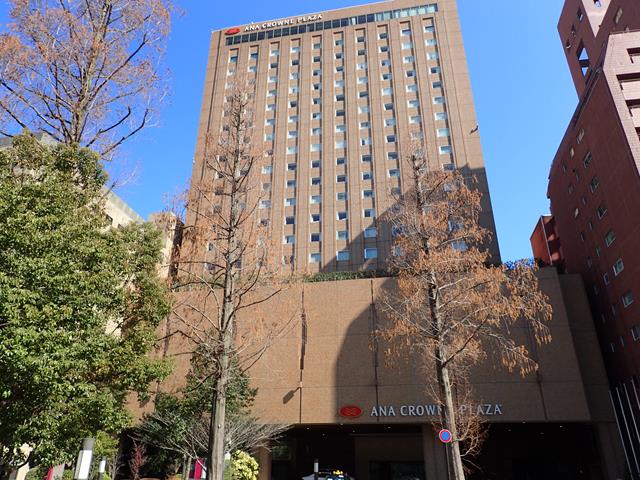
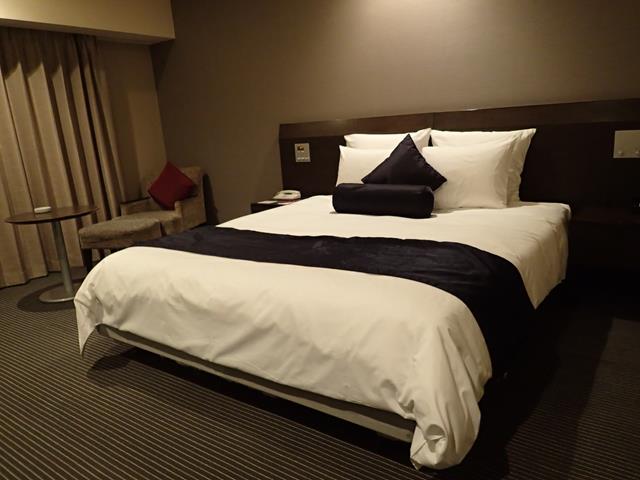
- Mid/Budget: ANA Crowne Plaza Hiroshima — Central, clean rooms; near Peace Park. ¥8,000–12,000/night ($52–78).
- Budget: Hiroshima City Bunka Koryu Kaikan — Affordable, basic rooms; near attractions. ¥5,000–8,000/night ($33–52).
How to Get to Hiroshima
- Train (Shinkansen): Fastest from major cities. Tokyo (4 hours, ¥19,000/$124 Nozomi; 5 hours with JR Pass on Hikari/Sakura). Kyoto (1.5 hours, ¥10,570/$69). Osaka (1.5 hours, ¥9,710/~$63).
- Plane: Hiroshima Airport (HIJ) 45 min bus to city (¥1,450/$9.50). Domestic from Tokyo (1.5 hours, ¥10,000–20,000/~$65–130). Limited international: Direct from Shanghai, Taipei, Hong Kong, Seoul; no direct from US/Europe (connect via Tokyo/Osaka).
Are There Any International Flights Direct to Hiroshima?
Yes, but limited. Direct routes (2026): Shanghai (China Eastern), Taipei (China Airlines), Hong Kong (seasonal), Seoul (Korean Air), Dalian (Air China). No direct from US, Europe, or Australia — fly to Tokyo/Osaka/Kansai and connect.
Anything Else You Need to Know (Popular Tourist Searches)
- Best Time to Visit: Spring (March–May) for cherry blossoms; autumn (Sep–Nov) for mild weather/fall foliage. Avoid summer (June–Aug) humidity/rain; winter (Dec–Feb) cold but fewer crowds. Golden Week (late April–early May) is busy.
- Safety: Extremely safe — low crime, polite locals. Radiation concerns from 1945 are unfounded; levels are normal. Follow basic precautions (e.g., watch bags in crowds).
- Transportation Tips: JR Pass for trains; Hiroshima Streetcar (tram) for city (¥190/~$1.25 flat fare); buses to airport or Miyajima. Walkable downtown; rent bikes for parks.
- Other Popular Searches: Day trips to Miyajima (essential), okonomiyaki cooking classes, Hiroshima Castle cherry blossoms, peace memorial etiquette (be respectful/silent), halal/vegan/vegetarian food options (limited but improving).
Hiroshima is moving yet hopeful — pack comfortable shoes, respect sacred sites, and savor the oysters/okonomiyaki. Safe travels!