Bali Indonesia 2026 – The Ultimate Island of the Gods Guide
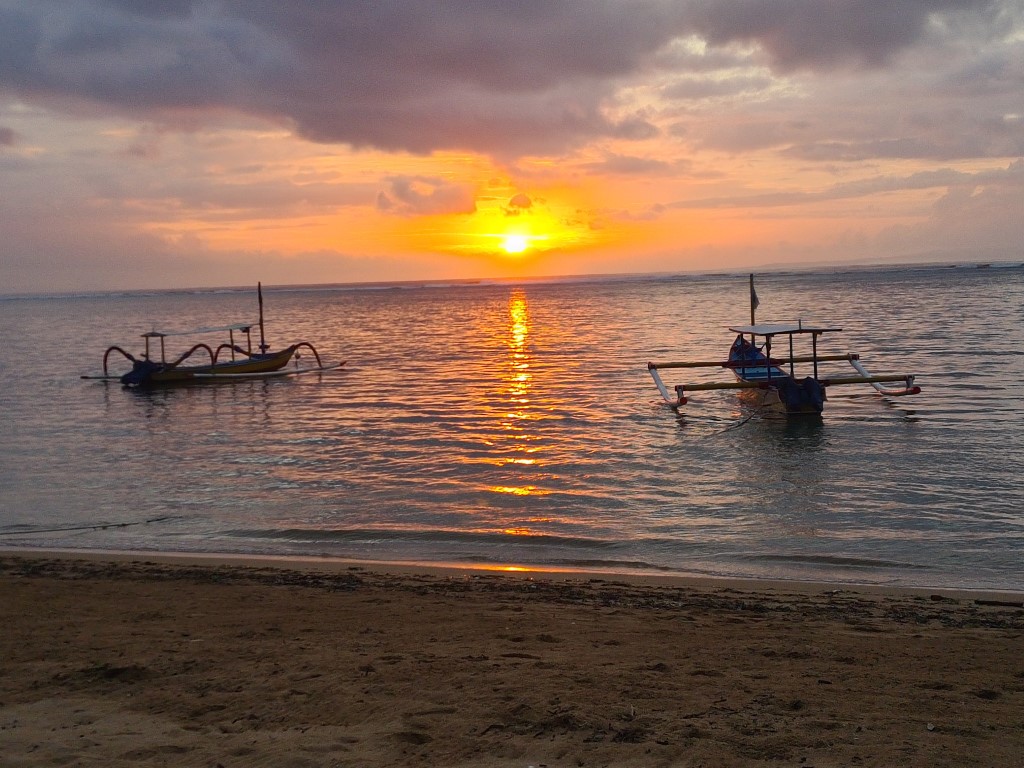
Bali isn’t just a destination. It’s a feeling.
One minute you’re watching a blood-orange sunrise over a black-sand beach, the next you’re eating spicy babi guling roasted by a family who’ve been perfecting the recipe for generations, and by night you’re dancing barefoot under a sky full of stars while gamelan music echoes through the rice fields. In 2025/2026, Bali is still the world’s favourite tropical escape – welcoming over 7 million international visitors a year – but it’s also quieter, greener, and more authentic than it’s been in decades thanks to new sustainable tourism rules and a post-pandemic reset.Whether you’re a first-timer chasing beaches and sunsets, a surfer hunting perfect barrels, a wellness seeker after yoga retreats, or a culture vulture wanting temples and ceremonies, Bali delivers – often all in the same day. This is everything I’ve learned from 25+ trips (and counting) – the best beaches, where to eat, cultural highlights, festivals, costs, where to stay, weekend escapes, and how to get around without losing your mind in traffic. Let’s dive in.
Why Bali Still Rules in 2025/2026
- Geography: One small island (5,780 km²) with every landscape imaginable – volcanic mountains, rice terraces, jungle waterfalls, white/black-sand beaches, coral reefs.
- Culture: 85 % Balinese Hindu – daily offerings, 20,000+ temples, ceremonies every day.
- Accessibility: Direct flights from almost everywhere, new visa-on-arrival extensions, and a digital-nomad scene that’s exploded.
- Value: Still one of the cheapest tropical paradises – luxury villas under A$300/night, street food A$2–5, beer A$3–5.
The Beaches – From Iconic to Secret
Bali has over 100 named beaches. Here are the ones actually worth your time in 2025:South Coast (Kuta to Uluwatu) – Party beaches, surfing, sunsets.
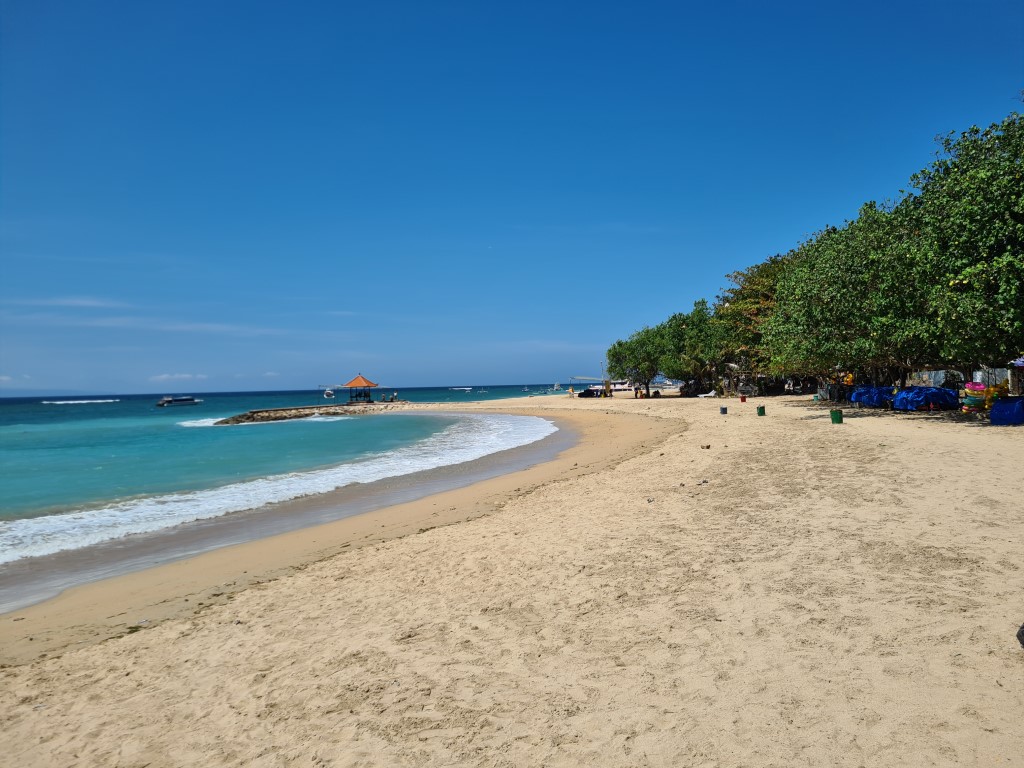
- Kuta/Legian/Seminyak – long golden sand, beach clubs (Potato Head, Ku De Ta), beginner-intermediate surf.
- Canggu – black sand, hipster cafés, world-class surf at Echo Beach/Batu Bolong.
- Uluwatu – dramatic cliffs, hidden coves (Padang Padang, Dreamland), pro-level surf at Padang-Padang and Uluwatu.
East Coast (Sanur to Amed) – Calm water, sunrise, snorkelling.
- Sanur – 6 km white sand, family-friendly, promenade cycling.
- Candidasa & Amed – black sand, incredible snorkelling/diving, Mount Agung backdrop.
North Coast (Lovina) – Black sand, dolphin watching, quiet.Nusa Islands (Lembongan, Penida, Ceningan) – crystal water, manta rays, Kelingking Beach viewpoint.
Surfing – Bali Remains the World’s Surf Capital
- Beginner: Kuta, Legian, Canggu (Batu Bolong)
- Intermediate: Echo Beach, Medewi, Nusa Lembongan
- Advanced/Pro: Uluwatu, Padang Padang, Keramas
- Best months: April–October (dry season, consistent swell).
Ubud & the Highlands – Culture, Rice Terraces & Volcanoes

Ubud is Bali’s spiritual and artistic heart. Must-dos:
- Tegalalang & Jatiluwih rice terraces (UNESCO)
- Mount Batur sunrise trek (gunungbatur.com)
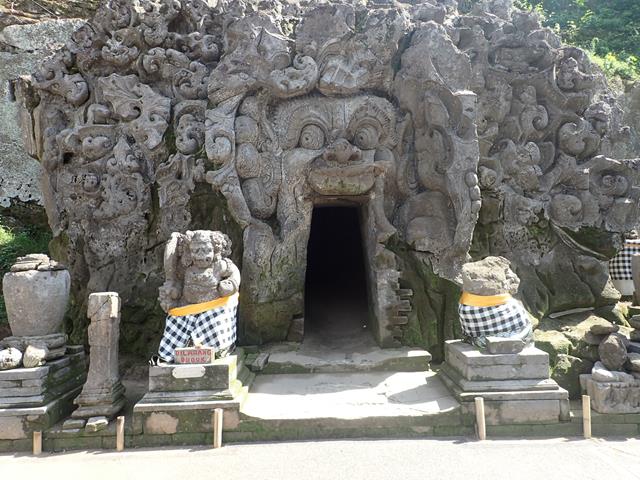
- Goa Gajah (Elephant Cave), Tirta Empul holy springs
- Ubud Art Market & Monkey Forest (be careful with sunglasses!)
Top Attractions Beyond the Beach
- Bali Safari & Marine Park – safari drives, waterpark, night safari.
- Sacred Monkey Forest Sanctuary – 700+ macaques in jungle temple
- Tanah Lot & Uluwatu temples – dramatic sea temples
- Tegallalang Rice Terraces & Tegenungan Waterfall
- Goa Gajah & Gunung Kawi rock temples
The Food Scene – From Street Warungs to Michelin StarsBali’s food is next-level.
- Warung classics: nasi campur, babi guling, mie goreng – A$3–6. Check out Rainbow Warung in Sanur.
- Famous spots: Naughty Nuri’s (ribs), Warung Mendez (pepés), Ibu Oka (babi guling).
- Fine dining: Mozza Sanur, Mozaic, Cubo.
- Vegetarian/vegan paradise – every café has tempeh and jackfruit options.
Festivals in Bali 2026
- Bali Arts Festival (June–July) – month-long celebration of dance, music, crafts.
- Bali Spirit Festival (March/April) – yoga, wellness, music.
- Bali Kite Festival (July–August) – giant kites over Padang Galak beach.
- Galungan & Kuningan – island-wide Hindu celebrations with penjor decorations everywhere.
Top 5 Dive Sites in Bali, Indonesia (2025 Update)
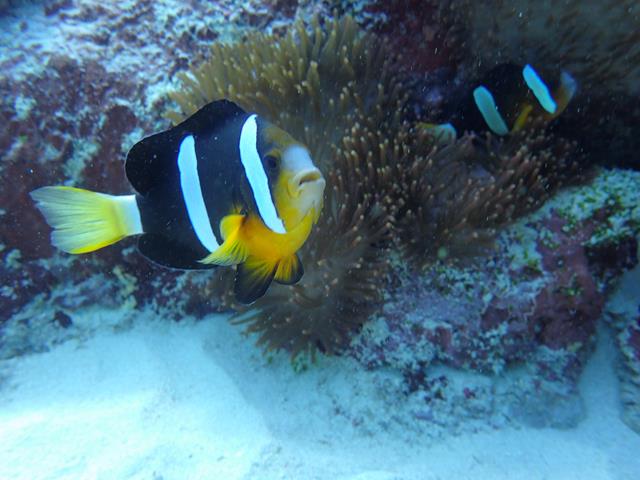
Bali is a scuba diver’s paradise, offering everything from wreck dives to wall drops and manta ray encounters. Based on 2025 reviews from PADI, Scuba Diving Magazine, and TripAdvisor, here are the top 5, ranked by popularity and marine life diversity. These sites cater to all levels, but always dive with a certified operator and check conditions (currents can be strong).
- USAT Liberty Wreck (Tulamben, East Bali)
The star of Bali diving: a 120m WWII cargo wreck sunk in 1942, now encrusted with coral and teeming with fish. Shallow (5–30m), easy shore entry, visibility 15–25m. Highlights: gorgonian fans, bumphead parrotfish, titan triggerfish. Perfect for beginners; PADI wreck specialty recommended. Why top-rated: “The Liberty is like swimming through history” – 4.9/5 on DiveBuddy. - Manta Point (Nusa Penida, Southeast Bali)
World-famous for manta ray cleaning stations – up to 20 mantas at once in 5–20m depths. Drift dive with mild currents, visibility 20–30m. Highlights: graceful mantas gliding overhead, reef sharks, eagle rays. Best July–October for mola mola bonus. Why top-rated: “Magical encounters” – 4.8/5 on TripAdvisor; advanced divers love the drift. - Menjangan Wall (West Bali National Park)
Pristine coral walls dropping 98m, part of a protected marine park. 5–30m depths, calm currents, visibility 20–40m. Highlights: sea fans, nudibranchs, bumphead parrotfish, turtles. Shore or boat entry. Why top-rated: “Underwater garden” – 4.9/5 on PADI; great for photographers and all levels. - Crystal Bay (Nusa Penida)
Dramatic bay with steep drop-offs and manta cleaning stations. 10–30m depths, strong currents (advanced), visibility 15–30m. Highlights: manta rays, reef sharks, eagle rays; mola mola July–October. Why top-rated: “Manta heaven” – 4.7/5 on Scuba Diving; thrill-seekers rave about the action. - Blue Corner (Nusa Lembongan/Nusa Penida)
Current-driven drift dive with schooling pelagics. 10–25m depths, strong currents (experienced), visibility 20–30m. Highlights: dolphins, barracuda schools, manta rays. Why top-rated: “Adrenaline rush” – 4.7/5 on DiveReport; pros call it “Bali’s Cozumel.”
These sites showcase Bali’s diversity – wrecks, walls, and rays. Book with PADI centres like Atlantis or Bali Scuba (A$100–200/day). Dive responsibly: no touching coral, reef-safe sunscreen.
Astronomy in Bali 2026

Quick Summary: Comprehensive Guide to Astronomy in Bali Indonesia for 2026
- Best months for stargazing: May–September** (peak dry season, clearest skies, lowest cloud cover).
- December is risky – rainy season means 70–80 % cloud cover most nights; only 20–30 % chance of clear skies.
- What you can see on a good night: Jupiter & Saturn (bright planets), Orion Nebula, Pleiades, Andromeda Galaxy, southern highlights (Omega Centauri, 47 Tucanae, Eta Carinae Nebula).
- 2026 highlights: Total lunar eclipse 3 March (fully visible), six-planet alignment 28 February, Geminids meteor shower 13–14 December.
- Darkest locations (Bortle 3–4):
- Mount Batur / Kintamani plateau
- Sidemen Valley
- Munduk & Lake Buyan/Tamblingan
- Amed east-coast beaches
- Nusa Penida southern cliffs
- Five remote resorts perfect for telescope stays (all under A$200/night in 2026): Bambu Indah (Ubud), The Menjangan (West Bali), Aurora Cabins (Jatiluwih), Komaneka at Bisma (Ubud), Suenyo Eco Retreat (Sidemen).
Bottom line: Bali can deliver incredible stargazing, but avoid December unless you’re happy gambling on the 1-in-3 chance of a clear night. For guaranteed dark skies and reliable astronomy, come May–September instead.
Bali’s Best Hot Springs for Bathing in 2025/2026
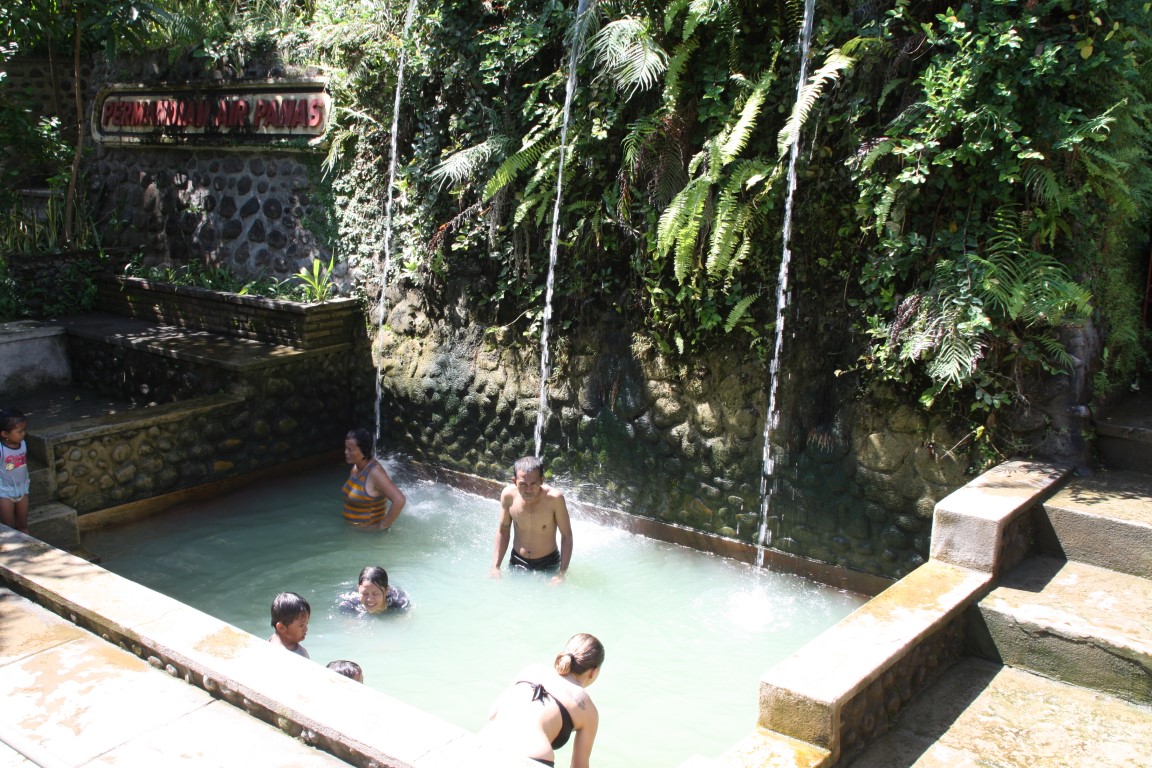
Bali has several natural hot springs (air panas) fed by volcanic geothermal activity – perfect for a relaxing soak surrounded by jungle or rice terraces. Here are the top spots open to the public in 2025:
- Banjar Hot Springs (Air Panas Banjar) – North Bali, Lovina area
The most famous and beautiful. Three tiered pools (38–40 °C) with dragon-headed spouts pouring sulphuric water into stone-carved basins, set in lush tropical gardens. Very atmospheric, less crowded on weekdays. Entry ~30,000 IDR. Great after a Lovina dolphin trip. - Toyo Devasya Natural Hot Spring – Lake Batur, Kintamani
Stunning location on the edge of Lake Batur with Mount Batur volcano as backdrop. Infinity-style pools (38–42 °C) looking straight across the lake. Clean, modern facilities, good restaurant. Entry 150,000–250,000 IDR including towel (worth it for the view). - Angseri Hot Springs – Near Mount Batukaru, central-west Bali
Lesser-known and quieter. Natural riverside pools in the jungle (37–39 °C), very local vibe. Simple changing rooms, cheap entry (~20,000 IDR). Feels like a secret. - Batur Natural Hot Spring – Toya Bungkah, Lake Batur
Right on the lakeshore with black lava sand. Several resorts have their own pools open to day visitors (e.g., The Volcania, Black Lava Camp). Temperature 38–40 °C. Entry 100,000–200,000 IDR. - Yeh Panes (Penatahan) Hot Springs – Tabanan regency
Riverside pools in a jungle valley, less touristy. Water is very hot (up to 45 °C in some pools) and rich in sulphur. Entry ~25,000 IDR.
Benefits of Bathing in Bali’s Hot Springs
The mineral-rich volcanic water offers real therapeutic perks:
- Muscle & joint relief – heat + minerals (sulphur, magnesium, calcium) ease arthritis, soreness from hiking or surfing.
- Skin health – sulphur is anti-bacterial and helps with acne, eczema, psoriasis.
- Improved circulation – warm water dilates blood vessels, lowers blood pressure, reduces stress.
- Detox & relaxation – sweating releases toxins; many visitors report sleeping like babies afterward.
- Mental reset – soaking in nature with volcano/lake views is pure mindfulness.
Most springs are 38–42 °C – hot enough to feel therapeutic without being uncomfortable. Stay 15–20 minutes per pool, hydrate well, and avoid if you have open wounds or very high blood pressure.Combine a hot-spring visit with a nearby temple or rice-terrace walk and you’ve got yourself the perfect Bali wellness day.
Cost of Things in Bali 2025/2026
- Local beer (Bintang): 25,000–40,000 IDR (A$2.50–4)
- Warung meal: 40,000–80,000 IDR (A$4–8)
- Warung coffee: 20,000–35,000 IDR
- Mid-range restaurant main: 100,000–200,000 IDR
- Luxury dinner: 500,000+ IDR
- Petrol (scooter): ~10,000 IDR/litre
- Accommodation: dorm A$15, budget room A$30–60, villa A$150–400
Best Places to Stay in Bali
- Sanur – relaxed family beach
- Seminyak – upscale, shopping, sunset
- Canggu – surf, hipster, rice-field views
- Ubud – culture, yoga, jungle
- Uluwatu – cliffs, surf, luxury
- Nusa Dua – 5-star resorts, calm water
- Amed – diving, black sand, quiet
- Lovina – dolphins, north coast
Top 10 Hotels to Stay in Bali in 2026
Bali’s hotel scene in 2026 is a perfect blend of timeless luxury, innovative eco-design, and intimate cultural immersion, with new openings like JW Marriott Ubud and Anantara Dragon Seseh pushing the island’s reputation as a top global destination. Based on the latest 2025–2026 data from Forbes Travel Guide, TripAdvisor, Expedia, and Travel + Leisure (aggregated ratings 4.8+ with thousands of reviews), here are the top 10 hotels across categories – from cliffside villas to jungle retreats. These picks prioritize guest satisfaction, unique experiences, and value, with prices for standard rooms in high season (Dec–Feb).
- Raffles Bali, Jimbaran (Luxury Beachfront, 4.9/5)
A cliff-top masterpiece with 32 private-pool villas overlooking Jimbaran Bay. Rave for the Italianate design, Bulgari spa, and sunset infinity pools. Rates: A$1,200–2,500/night. Ideal for honeymoons. - Four Seasons Resort Bali at Sayan, Ubud (Jungle Luxury, 4.9/5)
Perched over the Ayung River in Ubud’s highlands, with 60 suites and villas blending into rice terraces. Guests love the riverside yoga, farm-to-table dining, and shaman-led ceremonies. Rates: A$800–1,800/night. Best for culture seekers. - Bulgari Resort Bali, Uluwatu (Cliffside Glamour, 4.9/5)
Italian opulence meets Balinese soul on Uluwatu’s cliffs, with 58 suites and private villas. Highlighted for the Bulgari spa, saltwater infinity pools, and Italian-Balinese fusion cuisine. Rates: A$1,500–3,000/night. For ultimate indulgence. - Mandapa, a Ritz-Carlton Reserve, Ubud (Riverfront Serenity, 4.9/5)
Riverside villas with private butlers and rice-field views in Ubud. Praised for the intimate scale (60 suites), farm-fresh meals, and riverside candlelit dinners. Rates: A$1,000–2,200/night. Perfect for privacy. - Potato Head Studios, Seminyak (Eco-Chic Beachfront, 4.8/5)
Sustainable design icon with 114 suites and 13 villas, plus beach clubs and art installations. Raved for the eco-initiatives, DJ sunsets, and plant-based dining. Rates: A$600–1,500/night. For hip, conscious travellers. - Andaz Bali, Sanur (Modern Beach Resort, 4.8/5)
Fresh 2024 opening on Sanur Beach with 3 pools, kids’ club, and 6 restaurants. Guests adore the vibrant design, family-friendly vibe, and Sanur’s calm waters. Rates: A$400–900/night. Great for families. - The Legian, a Luxury Collection Hotel, Seminyak (Sophisticated Beachfront, 4.8/5)
Elegant 79-room retreat with private plunge pools and Balinese-modern aesthetics. Highlighted for the fine-dining scene, spa, and Seminyak sunset walks. Rates: A$700–1,600/night. For refined relaxation. - Kimpton Ubud (Opening 2026) (Playful Jungle Escape, 4.8/5 projected)
IHG’s first Bali outpost in Ubud with Japanese fine dining and playful design. Anticipated raves for the rice-terrace views, wellness focus, and Michelin-starred chef Hirofumi Imamura. Rates: A$500–1,200/night. Upcoming hotspot. - JW Marriott Ubud (Opening 2026) (Highland Luxury, 4.8/5 projected)
Sprawling Ubud resort with pool villas and spa pavilions. Expected buzz for the polished comfort, jungle treks, and Ubud Palace proximity. Rates: A$600–1,400/night. For polished nature lovers. - Anantara Dragon Seseh Bali Resort (Opening 2027) (Emerging Beachfront, 4.8/5 projected)
North of Canggu, positioning Seseh Beach as the next frontier with eco-villas and spa. Pre-launch hype for the untouched beach and sustainable design. Rates: A$500–1,200/night. For early adopters.
These hotels represent Bali’s evolution – blending luxury with sustainability and culture. Ratings are based on 2025 data and projected for 2026 openings. Book early for high season!
Weekend Escapes from Bali
- Gili Islands (2 hrs fast boat)
- Nusa Lembongan/Penida (30–45 mins)
- Lombok (2 hrs fast boat + drive)
How to Get Around Bali
- Scooter hire (150,000 IDR/day)
- Gojek/Grab rides
- Private driver (600,000–800,000 IDR/day)
- Blue Bird taxis (metered)
How to Get to Bali
Fly into Ngurah Rai International Airport (DPS) – direct flights from Australia, Singapore, Europe, Middle East, USA (via Singapore).Bali in 2025/2026 is the same intoxicating island it’s always been – just with better Wi-Fi, more vegan options, and a few more traffic jams.
Come for the beaches, stay for the culture, leave with a piece of your heart forever on the Island of the Gods.
Top 20 Most Regular (Frequent) Flights to Bali (Denpasar DPS Airport) in 2025Based on 2025 flight schedules and data from sources like FlightConnections, FlightsFrom.com, Simple Flying, and airline networks, here’s a list of the top 20 most frequent routes to Bali’s Ngurah Rai International Airport (DPS). “Regular” is interpreted as the highest number of weekly direct (non-stop) flights from each origin, as frequency is the key metric for “most regular.” Domestic routes dominate due to Indonesia’s internal travel volume, but I’ve included international ones for balance. Data is approximate for December 2025 (peak season), with totals from major airlines. DPS handles ~25 million passengers annually, with ~1,000 weekly arrivals.
| Rank | Origin Airport (Code) | City/Country | Weekly Flights | Main Airlines | Avg. Flight Time | Notes |
|---|---|---|---|---|---|---|
| 1 | Soekarno-Hatta (CGK) | Jakarta, Indonesia | 267 | Garuda Indonesia, Citilink, Lion Air, Batik Air | 2h 5m | Busiest route; multiple daily flights from 5+ airlines. |
| 2 | Ngurah Rai Domestic (DPS Domestic) | Bali Internal, Indonesia | 150+ | AirAsia, Lion Air, Citilink | Varies (1h–2h) | Internal shuttles to other Bali areas; high frequency for island hops. |
| 3 | Changi (SIN) | Singapore | 436 | Singapore Airlines, Scoot, Jetstar Asia | 2h 35m | Top international; 60+ weekly from Singapore Airlines alone. |
| 4 | Juanda (SUB) | Surabaya, Indonesia | 120 | Lion Air, Citilink, Garuda | 1h 20m | Daily multiple flights; key eastern Java link. |
| 5 | Sultan Hasanuddin (UPG) | Makassar, Indonesia | 80 | Lion Air, Garuda | 2h 10m | Sulawesi’s main connection; growing with tourism. |
| 6 | Kuala Lumpur (KUL) | Kuala Lumpur, Malaysia | 70 | AirAsia, Batik Air Malaysia | 3h | Budget hub; AirAsia dominates with 40+ weekly. |
| 7 | Sam Ratulangi (MDC) | Manado, Indonesia | 60 | Lion Air, Citilink | 3h 10m | Northern Sulawesi route; popular for divers. |
| 8 | Perth (PER) | Perth, Australia | 55 | Jetstar, AirAsia X | 4h 50m | Longest regular route; Jetstar’s daily flights make it a staple. |
| 9 | Melbourne (MEL) | Melbourne, Australia | 50 | Jetstar | 6h 20m | Seasonal high-frequency; peak Dec–Feb. |
| 10 | Sydney (SYD) | Sydney, Australia | 45 | Jetstar, Scoot | 7h 20m | Jetstar’s 5–6 weekly; Scoot adds budget options. |
| 11 | Adelaide (ADL) | Adelaide, Australia | 40 | Jetstar | 6h 30m | Direct seasonal; high demand from Aussies. |
| 12 | Brisbane (BNE) | Brisbane, Australia | 35 | Virgin Australia, Jetstar | 7h 10m | Virgin’s direct flights boost frequency. |
| 13 | Hong Kong (HKG) | Hong Kong | 30 | Cathay Pacific, HK Express | 5h 10m | Cathay’s daily; growing with Chinese tourism. |
| 14 | Melbourne (MEL) | Melbourne, Australia | 30 | Qantas | 6h 20m | Qantas adds premium frequency. |
| 15 | Singapore (SIN) | Singapore | 30 | AirAsia | 2h 35m | Additional to Singapore Airlines; budget focus. |
| 16 | Denpasar Domestic (DPS Domestic) | Bali Internal, Indonesia | 25+ | Citilink, Garuda | Varies | Internal; high for short hops. |
| 17 | Seoul (ICN) | Seoul, South Korea | 25 | Korean Air, Asiana | 6h 50m | Growing Korean market; daily in peak. |
| 18 | Tokyo (NRT/HND) | Tokyo, Japan | 20 | ANA, JAL | 7h 20m | Seasonal; high for cherry blossom/ski crowds. |
| 19 | Manila (MNL) | Manila, Philippines | 18 | Cebu Pacific, Philippine Airlines | 4h 10m | Budget carriers dominate. |
| 20 | Auckland (AKL) | Auckland, New Zealand | 15 | Air New Zealand | 10h 40m | Seasonal direct; long-haul favourite. |
Key Insights
Total weekly flights to DPS: ~1,000 (domestic 70%, international 30%), handling 25 million passengers/year.
Domestic dominance: Jakarta (CGK) tops with 267 weekly flights – 20% of DPS arrivals. Other Indonesian routes (Surabaya, Makassar) make up ~40% of total traffic.
International hotspots: Australia (Jetstar from PER/MEL/SYD/ADL/BNE) leads with 225+ weekly, driven by budget carriers. Singapore (SIN) follows at 436, a major hub.
Frequency trends: Peak December 2025 sees 10–20% more flights; low season (May–Oct) drops 15–25%. Airlines like Garuda Indonesia and Lion Air run 10–20 daily domestics.
#Bali2025 #IslandOfTheGods #IndonesiaTravel