Cambodia
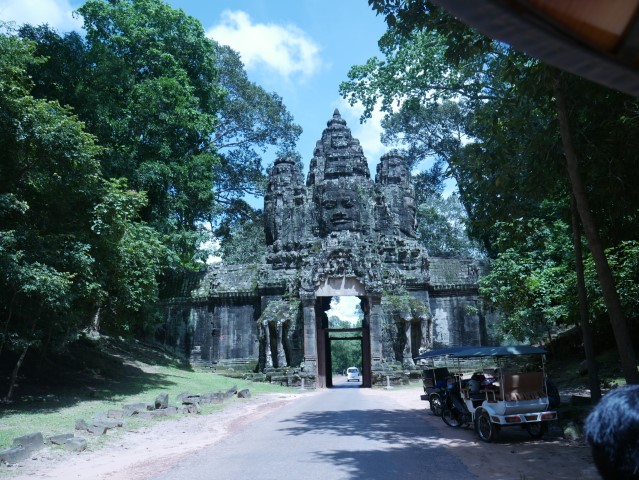
Cambodia is that rare gem in Southeast Asia – a country that whispers ancient mysteries while shouting modern adventure. Once the heart of the Khmer Empire, it’s home to the world’s largest religious monument (Angkor Wat) and some of the planet’s most pristine beaches, yet it remains refreshingly off the beaten path compared to Thailand or Vietnam. In 2025/2026, Cambodia is booming with eco-tourism, improved infrastructure, and a food scene that’s exploding with Michelin-recognized street stalls. With 7 million visitors expected annually, it’s the perfect blend of history, nature, and hedonism – all for budget prices that feel like a steal. Whether you’re a temple-hopping history buff, a beach bum chasing sunsets, or a foodie hunting the world’s best amok, Cambodia delivers. This 2,000-word guide covers the main destinations, must-see sights, the incredible food scene, hotel price ranges, how to fly in, and internal travel options. Let’s explore the Kingdom of Wonder.
Main Tourist Destinations in Cambodia – Where to Go and What to See
Cambodia’s geography is compact but diverse: the northwest’s ancient ruins, the central lowlands’ bustling capital, the northeast’s jungles and rivers, and the south’s idyllic islands. Start with the big three, then branch out.1.
1. Siem Reap – The Angkor Gateway (3–5 Days)
Siem Reap is the beating heart of Cambodian tourism, a riverside town 6 km from Angkor – the world’s largest religious site and a UNESCO World Heritage marvel. What to see? Angkor Wat at sunrise is the bucket-list moment: the world’s largest temple complex, built in the 12th century, with intricate bas-reliefs depicting Hindu epics and towering spires piercing the mist. Explore by tuk-tuk or remork (A$10–20/day) – hit Ta Prohm (Tomb Raider tree temple), Bayon (smiling stone faces), and Banteay Srei (pink sandstone “Women’s Temple”). Beyond Angkor, the floating village of Tonle Sap (boat tour A$20) offers a glimpse of river life, and Phare Circus (A$15) blends acrobatics with Cambodian folklore. Siem Reap’s Pub Street is the evening hub: street food, bars, and live music without the overkill.
2. Phnom Penh – The Capital’s Raw Energy (2–4 Days)
Phnom Penh is Cambodia’s pulsating heart – a chaotic mix of French-colonial grandeur, Khmer Rouge history, and Mekong Riverfront buzz. Start with the Royal Palace (A$10), a sprawling 19th-century complex with silver pagodas and the Silver Pagoda’s 5,000 kg floor. The National Museum houses 14,000 artefacts from Angkor, while Tuol Sleng Genocide Museum (A$5) and the Killing Fields (Choeung Ek, A$6) offer sobering WWII history – essential but heavy (pair with a sunset river cruise, A$10). The Russian Market is shopping central: spices, silk scarves, and street food for A$1–5. Nightlife? Riverside bars like FCC (Foreign Correspondents’ Club) for craft cocktails (A$5) and live bands.
3. Sihanoukville & Koh Rong – The Beach Escape (4–7 Days)
Sihanoukville is Cambodia’s Koh Samui – a port town with white-sand beaches and island-hopping. But the real draw is Koh Rong (45-min speedboat, A$25 round-trip): 4 km of palm-fringed sand, bioluminescent plankton at night, and dive sites with whale sharks (October–April). What to see? Lonely Beach for hammock lounging, 7 Mile Beach for sunsets, and Koh Rong’s jungle trails to hidden coves. Sihanoukville’s Serendipity Beach is party central (bars till dawn), but Koh Rong’s Long Set Resort offers eco-bungalows (A$50/night) and firefly boat trips (A$10). Snorkel reefs teeming with clownfish and rays – visibility 20 m in high season.
4. Battambang – The Colonial Charm (2–3 Days)
Battambang, Cambodia’s second city, is a time capsule of French-colonial architecture and rural beauty. Ride the bamboo train (norry, A$5) through rice paddies, explore the bamboo train (norry, A$5) through rice paddies, explore the bat cave at Phnom Sampeau (millions of bats at dusk), and climb Phnom Banan temple for Angkor-like views. The colonial streets are lined with cafés and the Battambang Museum (A$2) houses Khmer artefacts. It’s quieter than Siem Reap – perfect for a slow-paced interlude.
5. Kep & Koh Kong – The Southern Wilderness (3–5 Days)
Kep is Cambodia’s faded French Riviera – crab markets, pepper plantations, and Kep National Park hikes to waterfalls. What to see? Rabbit Island (Koh Tonsay) for deserted beaches (boat A$10 round-trip), Kep’s crab market for fresh seafood (A$5/kg), and the salt iodised fields at Kep Salt Farm. Koh Kong, 1 hour west, offers cardamon mountain treks and Peam Krasop Wildlife Sanctuary mangroves. It’s raw, undeveloped – ideal for nature lovers.
Cambodia’s Food Scene – From Street Stalls to Khmer Classics
Cambodia’s cuisine is underrated and exploding – a mix of Khmer, French, and Vietnamese influences with fresh herbs, lime, and that unique prahok (fermented fish paste) kick. Street food is king: lok lak (stir-fried beef with pepper-lime dip, A$2–4), amok (steamed fish curry in banana leaf, A$5–8), nom banh chok (rice noodles with fish gravy, A$1.50). Phnom Penh’s Russian Market and Siem Reap’s Pub Street are hawker heaven – try grilled frog or fried tarantulas if you’re brave.
Fine dining? Siem Reap’s Le Tigre de Papier (French-Khmer fusion, A$30 set menu) and Battambang’s Jaan Bai (farm-to-table, A$25). Vegetarian options abound (temple kitchens serve free vegetarian meals), and beer is A$1–2 (Angkor or Cambodia lager). In 2025/2026, Siem Reap has two Michelin Bib Gourmand spots, but street carts still reign supreme.
Hotel Price Ranges in Cambodia’s Tourist Destinations (2025/2026 High Season)
Cambodia remains budget-friendly – A$30–100/night gets comfort most places.
- Siem Reap: Budget A$15–40 (Mad Monkey Hostel, Lub d Siem Reap); mid-range A$50–120 (Treeline Urban Resort, Viroth’s Hotel); luxury A$200–500+ (Belmond La Résidence d’Angkor, Raffles Grand Hotel d’Angkor).
- Phnom Penh: Budget A$10–30 (Billabong Hostel, Onederz Hostel); mid-range A$40–100 (Pavilion Hotel, Okay Boutique); luxury A$150–400 (Raffles Hotel Le Royal, Rosewood Phnom Penh).
- Sihanoukville/Koh Rong: Budget A$10–25 (Onederz Beach Hostel, The Mad Monkey); mid-range A$30–80 (Onederz Beach Hostel, The Mad Monkey); mid-range A$40–100 (Long Set Resort, Saracen Bay Resort); luxury A$150–300 (Royal Sands Koh Rong).
- Battambang: Budget A$10–25 (Ganesha Family Hostel, Bamboo Train Hostel); mid-range A$30–70 (Muni Residence, La Villa de la Paix); luxury A$100–200 (Maisons Wat Kor).
- Kep/Koh Kong: Budget A$10–20 (Bay of Luck Kep, Kep Seaside Bungalows); mid-range A$30–60 (Knai Bang Chatt, The Veranda Resort).
High season adds 20–50%; book via Agoda.com for free cancellation.
How to Fly to CambodiaMain Airports: Phnom Penh (PNH), Siem Reap (REP), Sihanoukville (KOS).
- From Australia: In-Direct from Sydney/Melbourne/Perth to PNH/REP (Cambodia Angkor Air, Qantas, 8–9 hrs, A$600–1,000 return).
- From Singapore/Kuala Lumpur: 2 hrs, A$200–400 (AirAsia, Scoot).
- From Bangkok: 1 hr, A$100–200 (Bangkok Airways, AirAsia).
- From Europe/USA: Via Singapore/Dubai (Cathay, Emirates, 12–20 hrs, A$800–1,500).
Visa on arrival (30 days, US$30) or e-visa online.Travel Within Cambodia – Flights, Buses, TrainsFlights: Cambodia Angkor Air (domestic monopoly) connects PNH-REP (1 hr, US$50–100), PNH-Sihanoukville (45 min, US$40–80). 3–5 daily.
Buses: Giant Ibis (luxury, A$10–20 Siem Reap to Phnom Penh, 6 hrs); Mekong Express (A$8–15, 5–7 hrs). Night buses save a night’s accommodation.
Trains: Limited – Phnom Penh to Poipet (Battambang border, 12 hrs, US$7–15, weekly). Use for scenic routes, buses for speed.
Boats: Siem Reap to Battambang (8 hrs on Tonle Sap, US$20–30, seasonal).
Cambodia in 2025/2026 is raw, real, and ready for you. Drop your must-see below!
What you need to know before visiting Cambodia
#Cambodia2025 #AngkorWat #SiemReapFood #KhmerCulture