Japan
Japan as a Tourist Destination: An Overview
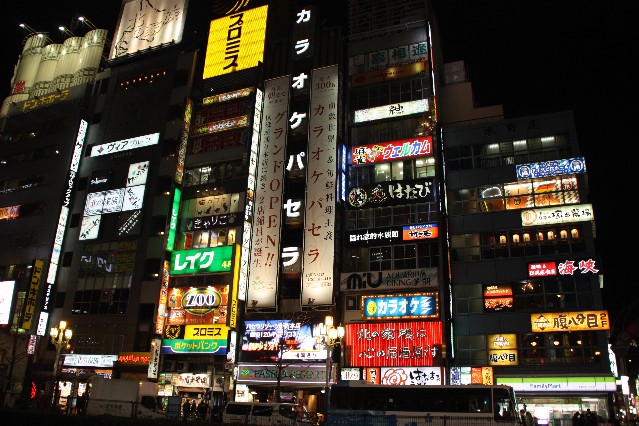
Japan, an archipelago of over 6,800 islands in East Asia, blends ancient traditions with cutting-edge modernity, making it a bucket-list destination for culture seekers, foodies, nature lovers, and urban explorers. From cherry blossom-lined temples in Kyoto to neon-lit streets in Tokyo, Japan’s efficient infrastructure, impeccable safety, and seasonal festivals (like hanami in spring or koyo autumn foliage) draw over 30 million visitors annually. It’s incredibly accessible for first-timers, with English signage in tourist areas, but rewards deeper dives into etiquette and local customs. Whether hiking Mount Fuji, soaking in onsens (hot springs), or devouring street food, Japan offers transformative experiences year-round.
Top 15 Tourist Destinations in Japan
Based on 2025 travel guides, here’s a curated list of must-visit spots, prioritizing a mix of urban, historical, natural, and offbeat gems. These are ranked by popularity and diversity:
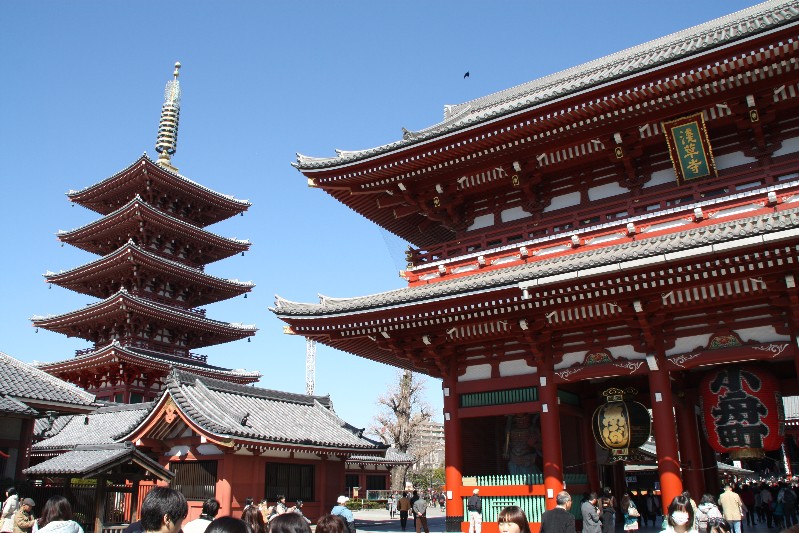
- Tokyo – Bustling capital with skyscrapers, Shibuya Crossing, and districts like Akihabara (anime hub) and Asakusa (Senso-ji Temple).
- Kyoto – Imperial city’s 2,000+ temples, geisha districts (Gion), and Arashiyama Bamboo Grove.
- Osaka – Foodie paradise with Dotonbori neon lights, Osaka Castle, and Universal Studios Japan.
- Mount Fuji – Iconic snow-capped volcano for hikes, lakeside views, and onsen retreats in nearby Hakone.
- Nara – Ancient capital famous for free-roaming deer in Nara Park and massive Todaiji Temple.
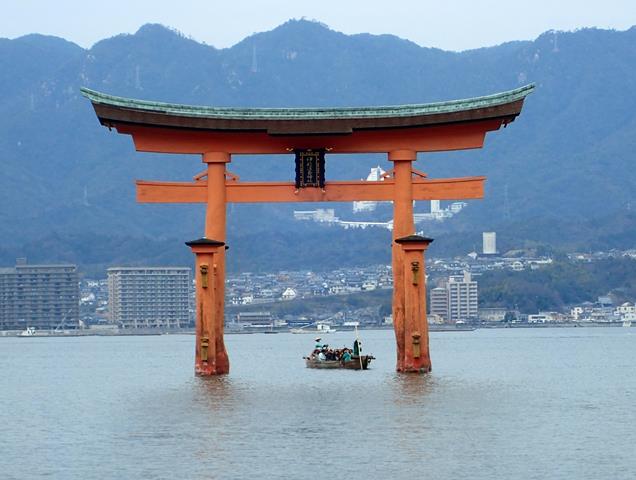
- Hiroshima – Peace Memorial Park and atomic bomb dome, plus nearby Miyajima Island’s floating torii gate.
- Miyajima (Itsukushima Shrine) – UNESCO site with tide-dependent shrine gates; great for hiking and oysters.
- Himeji Castle – Japan’s best-preserved feudal castle, a white “egret” fortress in Hyogo Prefecture.
- Kanazawa – Edo-era samurai districts, Kenrokuen Garden (one of Japan’s top three), and gold leaf crafts.
- Shirakawa-go – Thatched-roof farmhouses in a UNESCO alpine village, evoking rural Japan.
- Nikko – Mountainous Toshogu Shrine complex with ornate gates and autumn foliage.
- Okinawa – Tropical beaches, coral reefs, and Ryukyu culture on Japan’s southern islands.
- Hokkaido (Sapporo) – Northern island for lavender fields (Furano), skiing, and fresh seafood.
- Takayama – Mountain town with morning markets, sake breweries, and Hida beef.
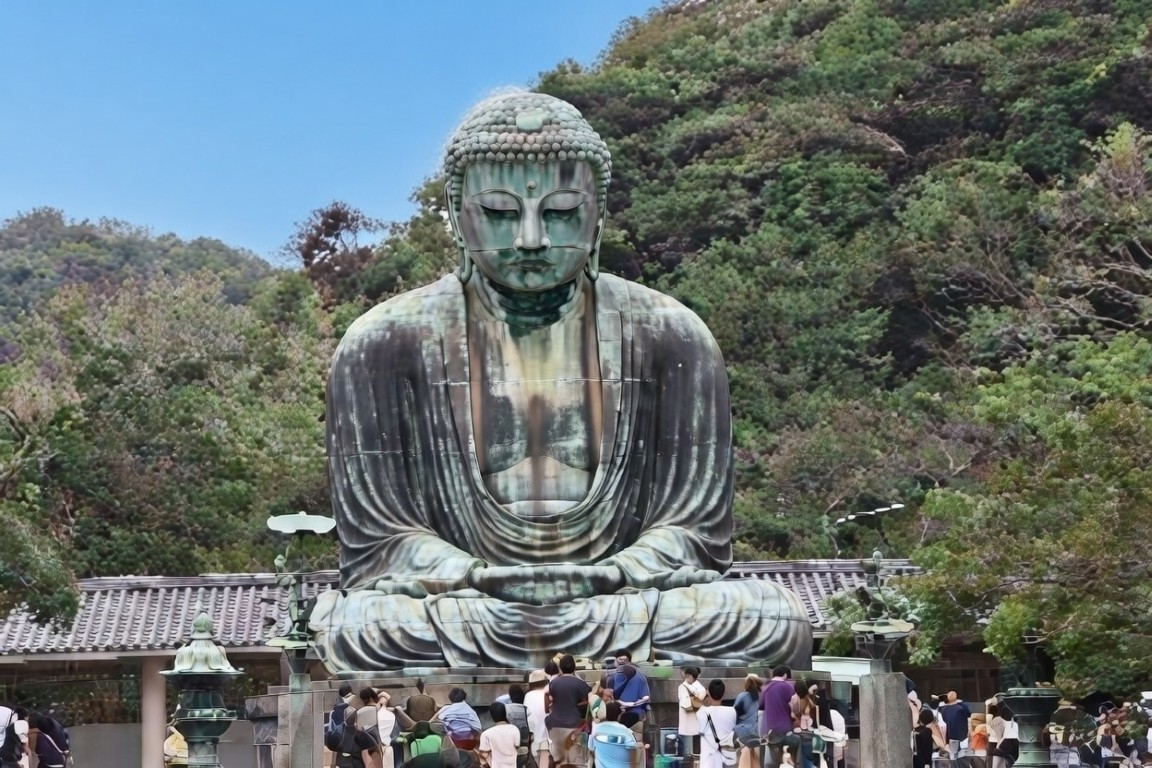
- Kamakura – Coastal town with the Great Buddha, hiking trails, and surfing beaches near Tokyo.
Some of my favourite destinations in Japan:
- Hiroshima – reflect on history and peace at the poignant Peace Memorial Park and Atomic Bomb Dome, savor its famous layered okonomiyaki, and take a short ferry to the stunning floating Torii gate on nearby Miyajima Island.
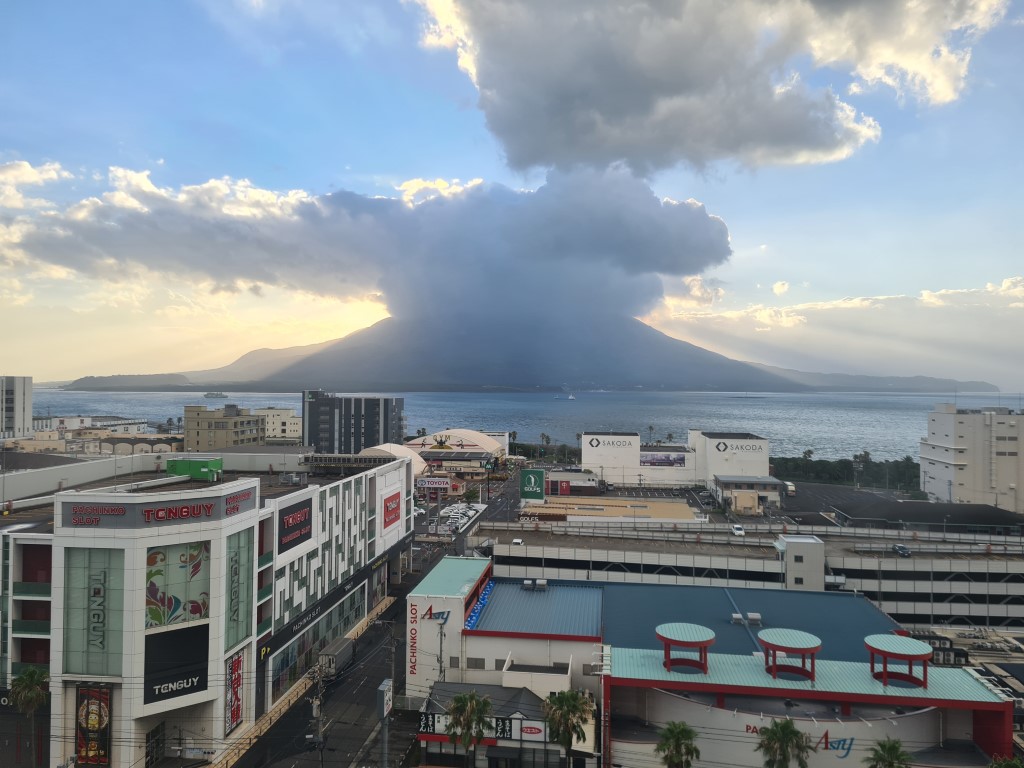
- Kagoshima – located on Kyushu island, views over Kinko Bay to Sakurajima – Japan’s most active volcano
- Nagoya – foodie heaven – 90 minutes by bullet train from Tokyo
These spots can be connected via Japan’s rail network for efficient itineraries.
The Food Scene in Japan: Overview and Famous Dishes
Japan’s culinary landscape is a global benchmark for freshness, precision, and seasonality (shun), emphasizing umami flavors from dashi stock and fermented ingredients. The scene thrives on street stalls (yatai), Michelin-starred kaiseki (multi-course meals), and casual izakayas (pubs). Tokyo alone boasts over 200 Michelin-starred spots, while regional specialties shine—think Kyoto’s refined kaiseki vs. Osaka’s hearty okonomiyaki. Vegetarian/vegan options are growing, but fish-heavy; allergies (e.g., nuts) are manageable with translation apps. Dining etiquette: Slurp noodles loudly (appreciation!), no tipping, and say “itadakimasu” before eating.
Famous Japanese Foods to Try
| Dish | Description | Where to Try | Approx. Price (JPY) |
|---|---|---|---|
| Sushi/Nigiri | Vinegared rice with raw fish/seafood; omakase (chef’s choice) for premium. | Tsukiji Outer Market (Tokyo) | 1,000–5,000 |
| Ramen | Broth-based noodle soup (tonkotsu pork, shoyu soy); customizable toppings. | Ichiran (chain, nationwide) | 800–1,500 |
| Tempura | Lightly battered, fried seafood/veggies; crisp and delicate. | Tenya (fast-casual, Tokyo) | 1,000–2,000 |
| Sashimi | Fresh, thinly sliced raw fish; often with soy and wasabi. | Osaka’s Kuromon Market | 2,000–4,000 |
| Okonomiyaki | Savory cabbage pancake “as you like it,” grilled with toppings. | Osaka street stalls | 800–1,500 |
| Kaiseki | Artful multi-course seasonal meal; high-end tasting menu. | Kyoto ryotei (traditional inns) | 10,000+ |
| Takoyaki | Octopus-filled batter balls, drizzled with sauce; street snack. | Osaka Dotonbori | 500–800 |
| Yakitori | Grilled chicken skewers; izakaya staple with tare sauce. | Tokyo’s Omoide Yokocho | 300–600 per skewer |
| Udon/Soba | Thick wheat noodles (udon) or buckwheat (soba); hot/cold soups. | Kyoto noodle shops | 700–1,200 |
| Matcha Desserts | Green tea ice cream, parfaits, or wagashi sweets. | Uji (Kyoto’s tea region) | 500–1,000 |
Pro tip: Use apps like Tabelog for reservations and Google Translate for menus.
Price Guide for a Holiday in Japan (2025)
Japan is mid-range for costs—affordable compared to Western Europe but pricier than Southeast Asia. Expect inflation from yen weakness, but value-packed (e.g., cheap eats). For a 10–14 day trip for one mid-range traveler (solo/couple, not luxury):
| Category | Budget (Low-End) | Mid-Range | Luxury | Notes |
|---|---|---|---|---|
| Flights (Round-Trip from US/Europe) | 800–1,200 USD | 1,200–1,800 USD | 2,000+ USD | Book 3–6 months ahead; low-cost carriers like ZIPAIR. |
| Accommodation (Per Night) | 5,000–10,000 JPY (~35–70 USD) | 15,000–25,000 JPY (~100–175 USD) | 40,000+ JPY (~280+ USD) | Hostels/Airbnbs vs. ryokans/hotels; Tokyo pricier. |
| Food (Per Day) | 2,000–4,000 JPY (~14–28 USD) | 4,000–7,000 JPY (~28–50 USD) | 10,000+ JPY (~70+ USD) | Convenience stores (konbini) for cheap meals; fine dining adds up. |
| Transport (Per Day/Total) | 1,000–2,000 JPY (~7–14 USD) | JR Pass: 50,000 JPY/7 days (~350 USD) | 3,000+ JPY (~21+ USD) | IC cards (Suica/Pasmo) for local; shinkansen extra. |
| Attractions/Activities | 1,000–3,000 JPY (~7–21 USD) | 5,000–10,000 JPY (~35–70 USD) | 15,000+ JPY (~105+ USD) | Many temples free; Fuji climb ~4,000 JPY. |
| Total Per Day (Excl. Flights) | 8,000–15,000 JPY (~55–105 USD) | 20,000–35,000 JPY (~140–245 USD) | 50,000+ JPY (~350+ USD) | Average: ~110 USD/day for mid-range. |
| Full 10-Day Trip Total | 1,500–2,500 USD | 2,500–4,000 USD | 5,000+ USD | Family of 4: 9,000–12,000 USD for 10 days. |
Tips: Get a JR Pass for unlimited trains (buy pre-trip); shoulder seasons (spring/autumn) save 20–30%.
Currency: 1 USD ≈ 145 JPY (fluctuates).Getting Around JapanJapan’s transport is world-class: Punctual, clean, and tourist-friendly. Use Google Maps for routes.
- Flights: Domestic hubs like ANA/JAL connect islands cheaply (e.g., Tokyo–Okinawa ~5,000–10,000 JPY one-way). Low-cost Peach/Air Do for short hops; book via apps.
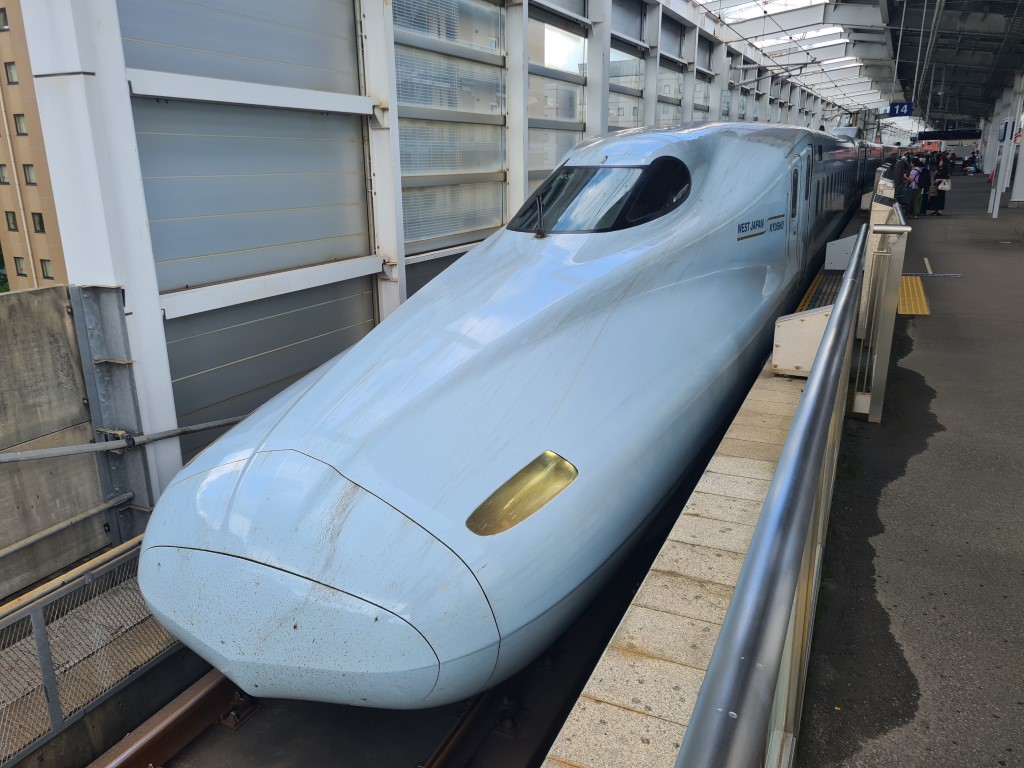
- Trains: Backbone for tourists. Shinkansen (bullet trains) hit 320 km/h (Tokyo–Kyoto: 2.5 hrs, ~14,000 JPY). JR Pass (7/14/21 days: 50,000/80,000/100,000 JPY) covers most; activate on arrival. Local trains/subways use IC cards.
- Buses: Budget kings for rural routes (e.g., Tokyo–Mt. Fuji: 2,000 JPY, 2 hrs). Highway buses (Willier Express) for overnight savings; apps like Japan Bus Online.
- Driving: Rent cars (international license required) for Hokkaido/Kyoto countryside (from 5,000 JPY/day + tolls). Left-side driving; English GPS available, but traffic/parking challenging in cities—stick to public for urban areas.
What You Need to Know Before Going to Japan
Japan is one of the safest countries (low crime, excellent healthcare), but preparation smooths the cultural leap. Top tips:
- Visa & Entry: Most (US, EU, Australia, Canada) get 90-day visa-free; apply for eVisa if needed. Passport valid 6+ months; register via Visit Japan Web app for faster customs. COVID rules lifted, but check for updates.
- Best Time to Visit: Spring (March–May) for cherry blossoms; autumn (Sept–Nov) for foliage. Avoid Golden Week (late April–early May) crowds. Summers humid; winters snowy in north.
- Etiquette: Remove shoes indoors; no loud phone calls on trains; queue orderly. Bow for thanks; cash is king in rural spots (ATMs at 7-Eleven). Tattoos OK in most onsens now, but declare.
- Safety & Health: Ultra-safe, but earthquakes common—follow alerts. Vaccinations routine; tap water safe. Download translation apps (Google Translate offline); get travel insurance for medical/evacuation.
- Connectivity & Money: Pocket WiFi/SIM (~3,000 JPY/week); contactless payments rising, but carry yen. English limited outside cities—use gestures/apps.
Other essentials: Pack layers (weather varies); learn basics like “arigatou” (thank you). Solo female travelers report high safety.
Top 5 Major Airports in Japan to Fly Into
Japan’s gateways are efficient with English support and direct trains to cities:
- Haneda Airport (HND, Tokyo) – Closest to central Tokyo; domestic/international focus; top-ranked globally for convenience.
- Narita International Airport (NRT, Tokyo) – Main international hub; farther out but with affordable buses/trains to city.
- Kansai International Airport (KIX, Osaka) – Serves Kansai region (Osaka, Kyoto); great for western Japan entry.
- Chubu Centrair International Airport (NGO, Nagoya) – Central hub for mid-Japan; quick shinkansen to Tokyo/Kyoto.
- Fukuoka Airport (FUK, Kyushu) – Busiest in southern Japan; ideal for Fukuoka/Hiroshima starters.
Fly into HND/NRT for first-timers. Safe travels—Japan will captivate!