Best Shrines in Shinjuku Tokyo
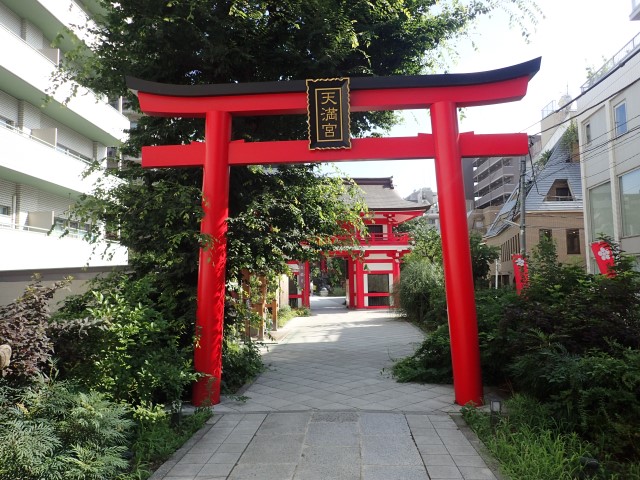
The Best Shrines in Shinjuku, Tokyo: Hidden Spiritual Gems Amid Skyscrapers
Shinjuku is Tokyo’s pulsating heart — a whirlwind of neon lights, towering skyscrapers, massive shopping malls, and endless crowds. Yet, tucked between the concrete and chaos are serene Shinto shrines offering a peaceful escape, timeless traditions, and a glimpse into Japan’s spiritual heritage. These sacred sites, often centuries old, provide blessings for success, health, love, and prosperity. Here’s a curated guide to the best shrines in Shinjuku, with expanded historical details and practical tips for visiting.
1. Hanazono Shrine (花園神社) – Shinjuku’s Guardian Shrine
The largest and most iconic shrine in Shinjuku, Hanazono Shrine is a vibrant red oasis hidden just off Yasukuni-dori Avenue, a short walk from Shinjuku Station’s East Exit and next to the lively Kabukicho district.
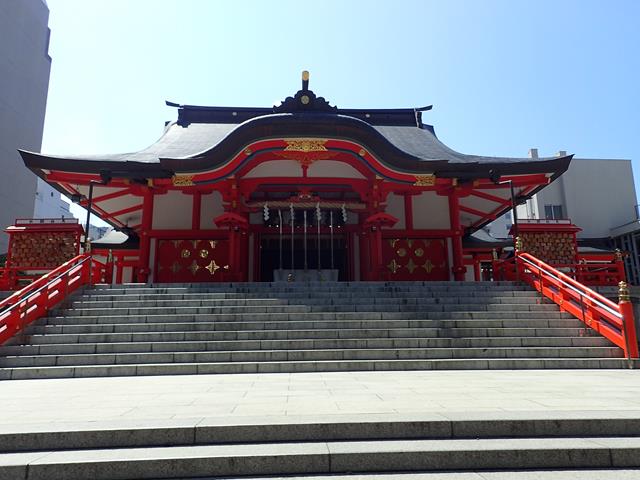
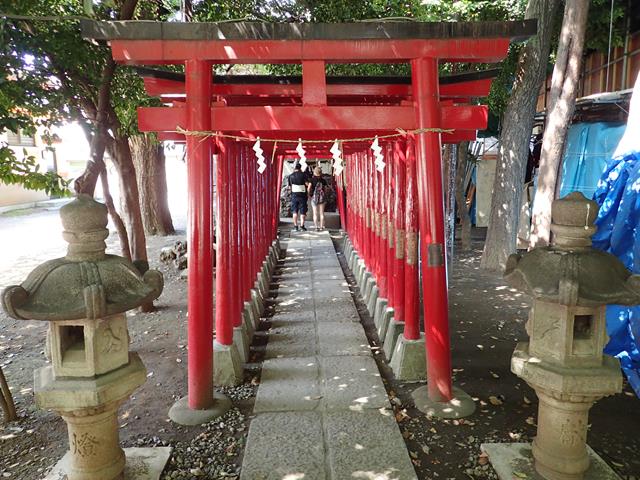
History: While the current structure dates to the mid-Edo period (around the Kan’ei era, 1624–1644), its origins trace back earlier. Originally located near Shinjuku 3-chome, it was relocated to what was once the flower-filled garden (hanazono) of the Owari Tokugawa clan’s suburban villa, giving it its name (“Flower Garden Shrine”). It enshrines Inari Okami, the deity of agriculture, business prosperity, and worldly success. During the Meiji Restoration (1868), Buddhist elements were removed to make it purely Shinto. It became a key guardian for Naito Shinjuku (a historic post town), merchants, craftsmen, and entertainers.
Highlights: The main hall is bright vermilion, with auxiliary shrines like Itoku Inari (matchmaking) and Geinō Asama (arts/entertainment). It’s popular with businesspeople and performers. Events include the lively Tori-no-Ichi festival (November, with kumade rakes for luck) and Sunday flea markets (antiques/vintage).Access: 5–7 min walk from Shinjuku Station East Exit or Shinjuku-sanchome Station (E2 exit).
Google Maps → https://maps.app.goo.gl/2DtGNSm6mhN2ZjWD9
Read more about Hanazono Shrine in Shinjuku
2. Naruko Tenjin Shrine (成子天神社) – The Learning & Fuji Shrine
This brightly colored shrine in Nishi-Shinjuku (west side) is a quick walk from Nishi-Shinjuku Station and offers a surprising mini-Mount Fuji replica.
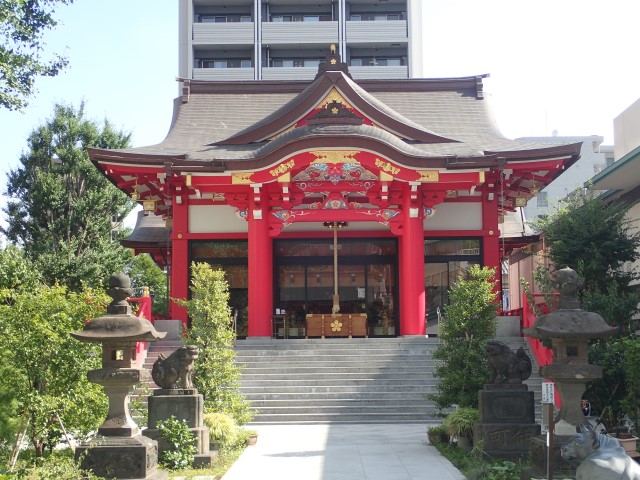
History: Founded in 903 AD during the Engi era, it’s one of Shinjuku’s oldest sites. Dedicated to Sugawara no Michizane (Tenjin), the deity of scholarship and learning (exiled scholar-poet). Vassals reportedly brought his spirit statue from Dazaifu after his death. It survived WWII bombings but was rebuilt in concrete (1966) and modernized in 2013. The Fujizuka (man-made Fuji mound) is a sacred replica for Fuji worship, with stone lanterns and komainu guardian dogs over 200 years old.
Highlights: Popular with students during exams. The Fujizuka “hike” is a unique urban experience. Seven Lucky Gods statues add fortune vibes.Access: 2–3 min walk from Nishi-Shinjuku Station (Exit 1).
Google Maps → https://maps.app.goo.gl/bPK6JdvqsB2EepxF6
Read more about Naruko Tenjin Shrine in Shinjuku
3. Juniso Kumano Shrine (十二社熊野神社) – The Serene Park Guardian
A beautiful wooden shrine in Shinjuku Central Park (Nishi-Shinjuku), near major hotels like Hyatt Regency and Hilton.
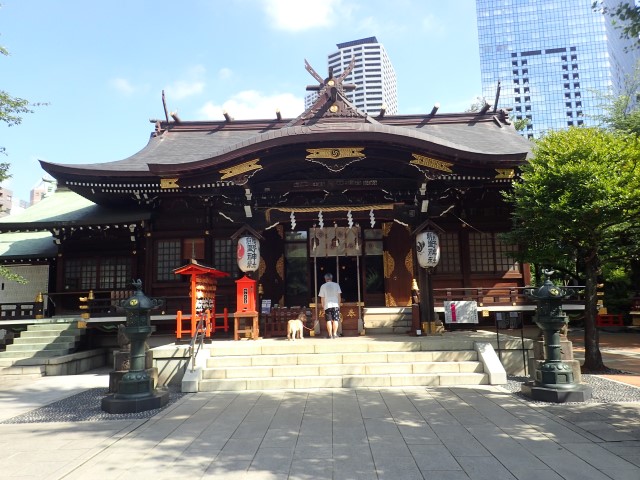
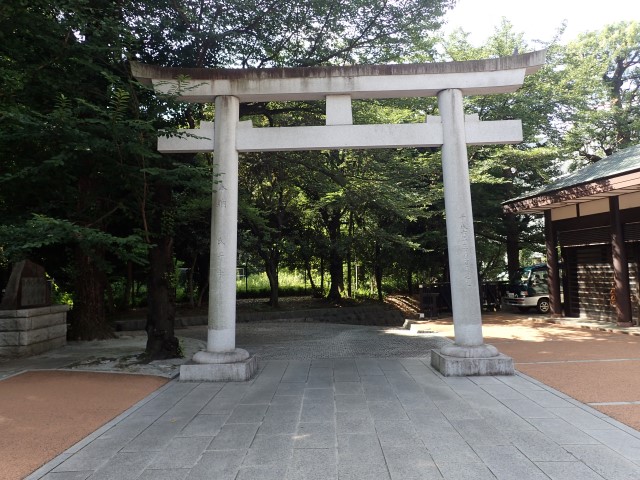
History: Originating in the 14th century (Muromachi period), it’s part of the nationwide Kumano faith network honoring the three grand Kumano shrines (Hongū, Shingū, Nachi). It preserves ancient traditions amid modern Tokyo. As Shinjuku’s protector, it offers blessings for health, relationships, and prosperity. The name “Juniso” refers to 12 Kumano deities.
Highlights: Tranquil wooden buildings, peaceful grounds with greenery. A calm escape in the park.
Access: In Shinjuku Central Park; 10–12 min walk from Shinjuku Station West Exit.
Google Maps → https://maps.app.goo.gl/cTg4vkqcvxHdfBPm9
Read more about Kumano Shrine in Shinjuku
4. Inarikiō Shrine (稲荷鬼王神社) – Kabukicho’s Healing & Business Shrine
A small but unique shrine on the eastern side of Kabukicho (away from the main station).
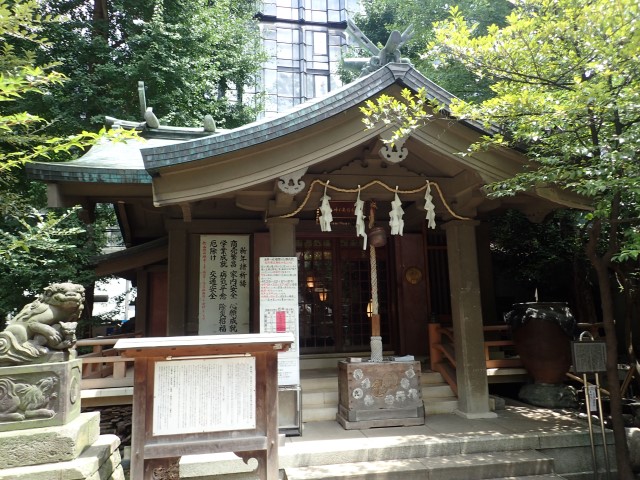
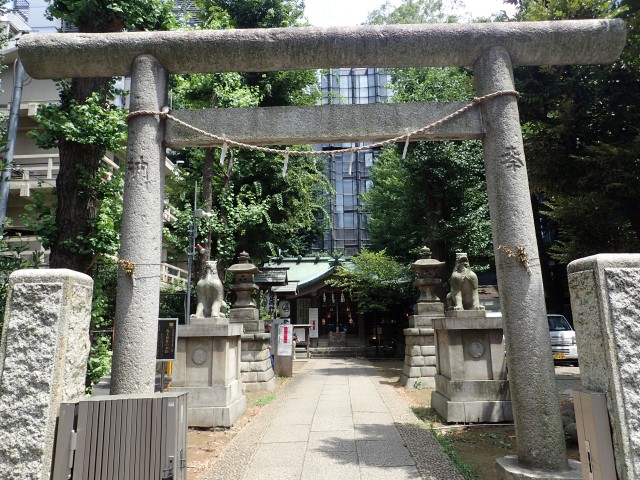
History: The name “Inarikiō” is unique in Japan (“Kio” refers to a benevolent demon). It enshrines Inari (prosperity) and Kiou Gongen. A side shrine honors Ebisu (one of the Seven Gods of Fortune), drawing businessmen for luck. Known for healing/protection charms (nademamori) and a historic tofu-cutting ritual for health from the Edo period. The Bettara-Ichi festival (October) is a local tradition.
Highlights: Businessmen visit Ebisu for success. Peaceful despite Kabukicho’s energy.Access: 3 min walk from Higashi-Shinjuku Station; 7–15 min from Shinjuku Station.
Google Maps → https://maps.app.goo.gl/qrnRZbuLn3pYcKGJ8
Read more about Inarikiō Shrine in Shinjuku
5. Raiden Inari Shrine (雷電稲荷神社) – The Thunder Fox Shrine
A tiny shrine near Shinjuku Gyoen, about 300m from Shinjuku Station.
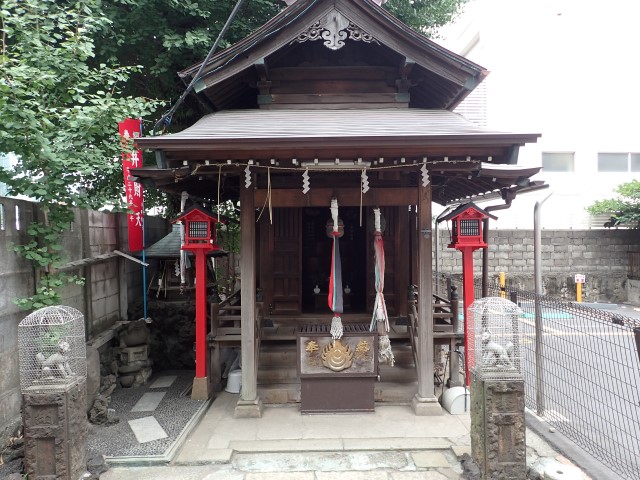
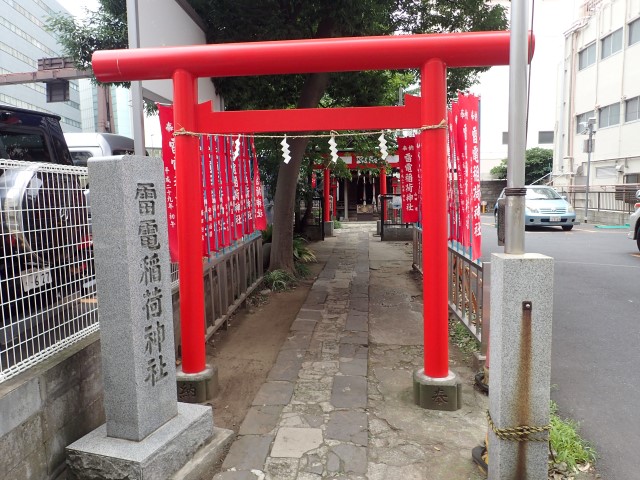
History: Exact founding unknown, but legend ties it to Minamoto no Yoshiie (11th-century samurai) during a thunderstorm campaign. A white fox appeared, bowed, and stopped the storm — leading to its name (Raiden = thunder). Originally part of Hanazono Shrine, it separated ~80–100 years ago.
Highlights: Fox statues and power spots. Compact but atmospheric.
Access: Near Shinjuku Gyoen; short walk from station.
Google Maps → https://maps.app.goo.gl/MKkXrkSkszDDF6S67
Read more about Raiden Inari Shrine in Shinjuku
6. Kabuki Benzaiten Shrine (歌舞伎弁財天神社) – The Arts & Entertainment Shrine
A small shrine in Kabukicho Park, right in the red-light district’s heart.
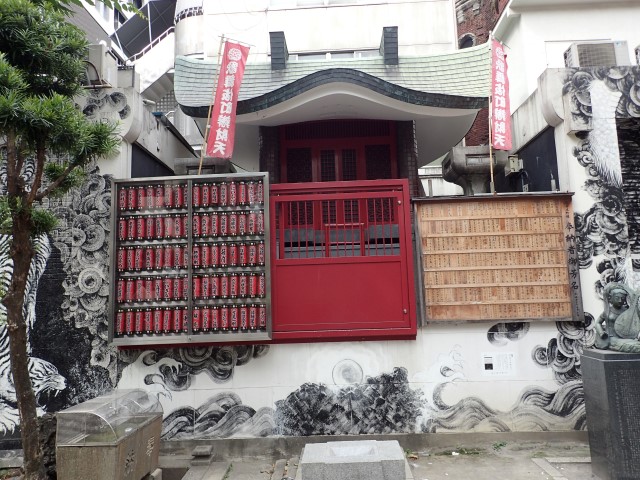
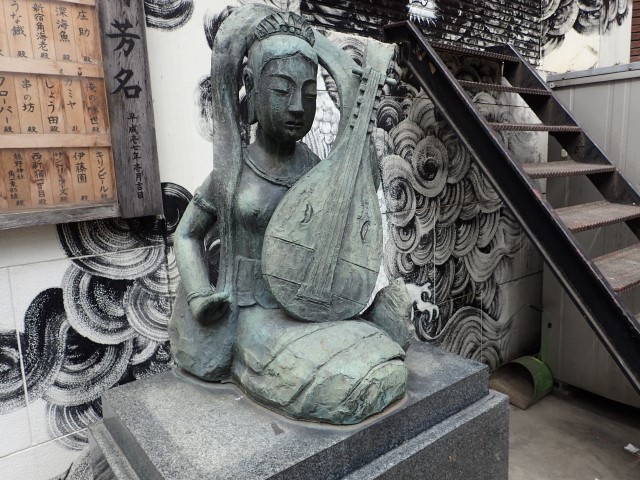
History: Enshrines Benzaiten (goddess of music, dance, arts, and thriving business). Kabukicho’s name derives from “Kabuki” (traditional theater) + “cho” (district). The area was once swampland with shrines; Benzaiten survived 1945 WWII fires (evacuated by a believer) and was restored in 1946 as a temporary site. It honors neighborhood guardians and entertainers.
Highlights: Blessings for performers/business. Contrast with nightlife adds intrigue.
Access: In Kabukicho Park; east of Shinjuku Station.
Google Maps → https://maps.app.goo.gl/MbAnpBvU3qp69SfP9
Read more about Kabuki Benzaiten Shrine in Shinjuku
Other Notable Shrines & Temples in Shinjuku
- Taiso-ji Temple (泰叟寺): A Buddhist temple near Shinjuku Gyoen with a large Buddha statue and unique cemetery. Late 16th-century origins; tied to Naito family. Peaceful spot.
- Ana Hachimangu Shrine: Known for its “nademamori” healing charms and Edo-period rituals.
- Suga Shrine (Yotsuya area): Famous from anime “Your Name” (torii gate path); great for love/romance blessings.
Shinjuku’s shrines blend ancient history with urban life — perfect for reflection amid the buzz. Visit early mornings or weekdays for tranquility, and always purify hands/mouth at the chozuya before praying. If you’re in Shinjuku, these spots offer a deeper Tokyo experience!

Australian travel blogger and aviation enthusiast based in Sydney, living a relaxed retired life filled with daily flat whites. Passionate about exploring The World's hidden gems TripAtrek travel blog is on a mission: To share these gems with you.