Juniso Kumano Shrine Shinjuku Tokyo
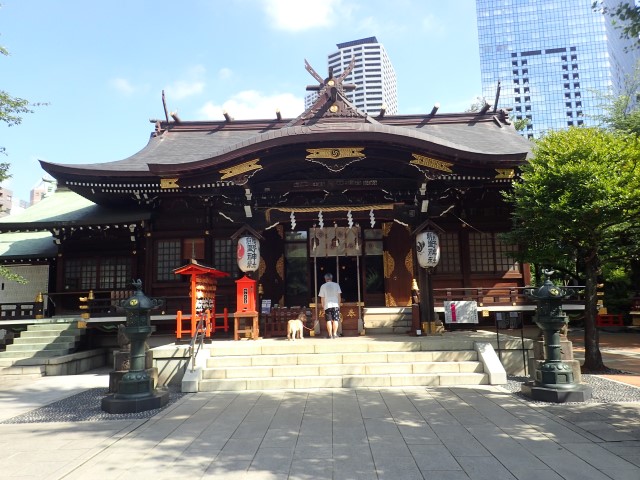
In the heart of one of Tokyo’s busiest districts, Juniso Kumano Shrine (also known as Kumano Jinja) offers a peaceful escape from the neon chaos of Shinjuku. Tucked inside Shinjuku Central Park in Nishi-Shinjuku, this beautiful Shinto shrine dates back to the 14th century and remains a cherished local spot for prayer and reflection.Whether you’re staying at the nearby Hyatt Regency, Hilton Tokyo, or the iconic Park Hyatt (at the far end of the park), Kumano Shrine is an easy and rewarding detour—perfect for a quiet moment amid Tokyo’s skyscrapers.
A Brief History of Juniso Kumano Shrine
The shrine’s origins trace back to the Muromachi period (1336–1573), around the 14th century, when it was established in the Juniso area (an old name for part of present-day Nishi-Shinjuku). It was originally dedicated to the three Kumano deities—the kami (spirits) of the famous Kumano Sanzan shrines in Wakayama Prefecture (Kumano Hongu Taisha, Kumano Hayatama Taisha, and Kumano Nachi Taisha).
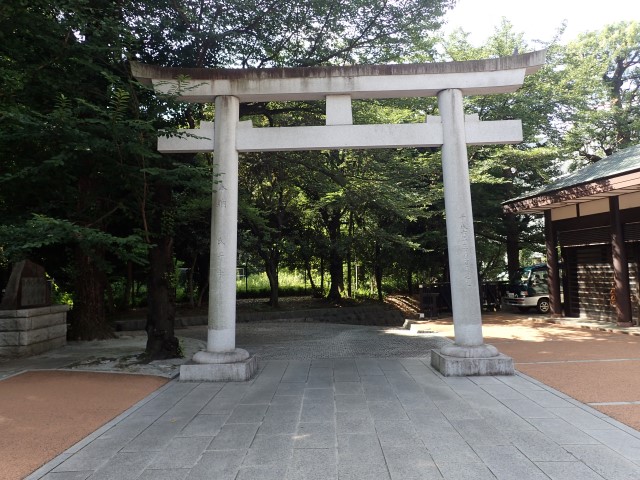
Over the centuries, the shrine has been rebuilt and restored multiple times due to fires, earthquakes, and urban development. The current structures reflect careful preservation of traditional Shinto architecture, including the striking concrete torii gate (a modern replacement for earlier wooden ones) and the main honden (inner sanctuary) that houses the enshrined deities.
Despite Shinjuku’s rapid modernization in the 20th century, locals have kept the shrine alive. It remains a place of daily reverence—businessmen in suits pause for a quick prayer on their way to work, families visit during festivals, and office workers stop by for omamori (protective charms) or to seek blessings for success and safety.
What to See at Kumano Shrine
- Main Torii Gate: A large concrete torii marks the entrance, leading you into the peaceful grounds.
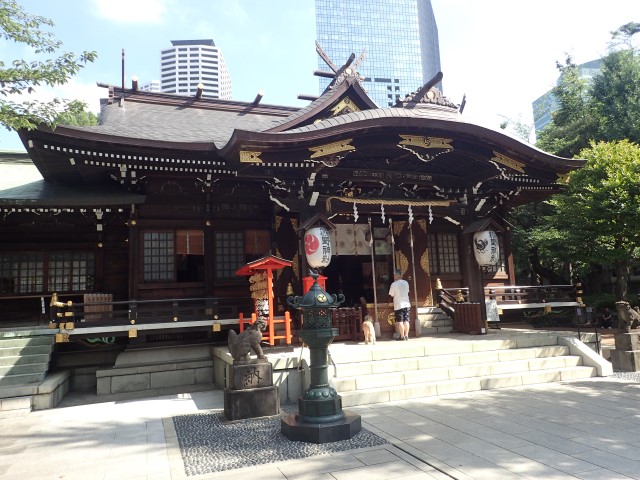
- Main Shrine (Honden): The focal point, beautifully maintained with classic Shinto elements—clean lines, wood detailing, and offerings.
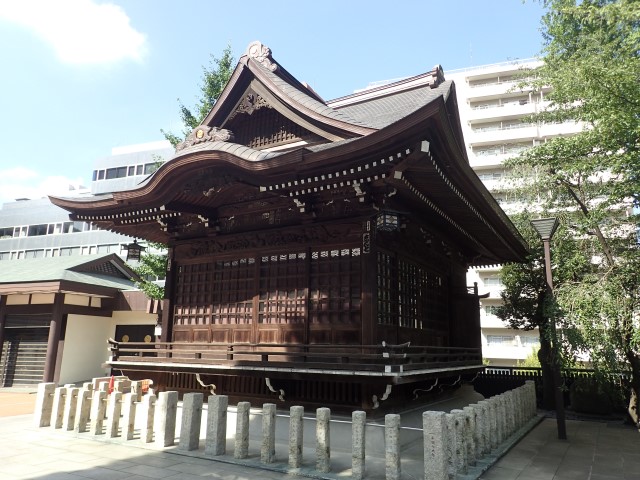
- Small Wooden Building: To the side, a modest structure used by musicians during matsuri (festivals), where traditional instruments play during ceremonies.
- Surrounding Park: Shinjuku Central Park offers open lawns, cherry trees (stunning in sakura season), and skyline views—perfect for photos with the shrine against modern towers.
How to Get There
- Closest Station: Tochomae Station (Toei Oedo Line) – just 1 stop from Shinjuku Station, then a 5-minute walk.
- Alternative: Nishi-Shinjuku Station (Marunouchi Line) – about 5 minutes on foot.
- From Shinjuku Station: 15-minute walk through the park, or a quick taxi/ride-share.
Why Visit Juniso Kumano Shrine?
In a city that never stops, Kumano Shrine reminds you of Tokyo’s layered history—ancient spirituality thriving amid glass towers. It’s small, quiet, and authentic, making it ideal for:
- A peaceful break from Shinjuku shopping or nightlife
- Experiencing everyday Japanese spirituality
- Beautiful photos blending traditional shrine with urban skyline
- A short cultural stop before heading to nearby spots like the Tokyo Metropolitan Government Building (free observation decks) or Kabukicho
If you’re in Shinjuku, take 20–30 minutes to walk through the park and pay respects at Kumano Shrine. It’s a small but meaningful highlight that shows Tokyo’s unique balance of old and new.
Check out the location of Kumano Shrine in Shinjuku
Also check out:

Australian travel blogger and aviation enthusiast based in Sydney, living a relaxed retired life filled with daily flat whites. Passionate about exploring The World's hidden gems TripAtrek travel blog is on a mission: To share these gems with you.