Tourist Highlights of Hiroshima Japan
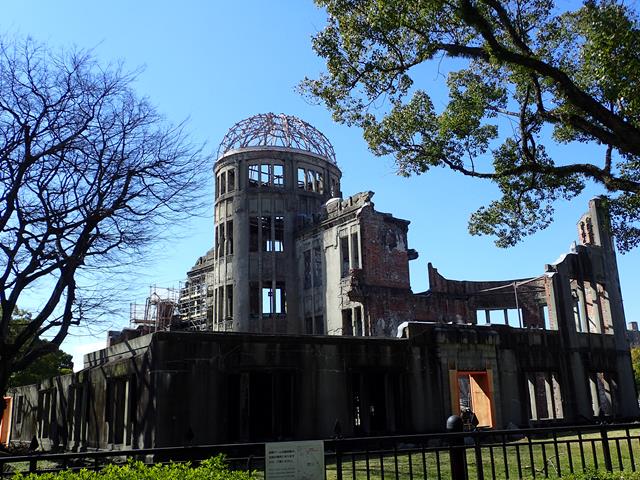
Hiroshima, on Japan’s western Honshu island, is a city of profound history, resilient spirit, and surprising beauty. With a population of around 1.2 million, it blends moving memorials with stunning natural and cultural sites — from the iconic Atomic Bomb Dome to the floating torii gates of Miyajima, just a short ferry ride away.
While the tragic events of August 6, 1945, define much of Hiroshima’s global image, the city today is vibrant, welcoming, and full of life. Food lovers rave about Hiroshima-style okonomiyaki, while nature enthusiasts are drawn to nearby islands and mountains. Hiroshima deserves at least 3–4 days to fully appreciate — here are the top tourist attractions you shouldn’t miss.
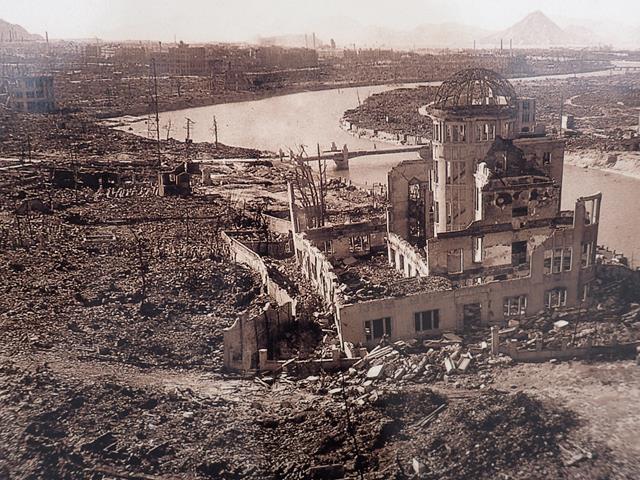
1. Atomic Bomb Dome (Genbaku Dome)
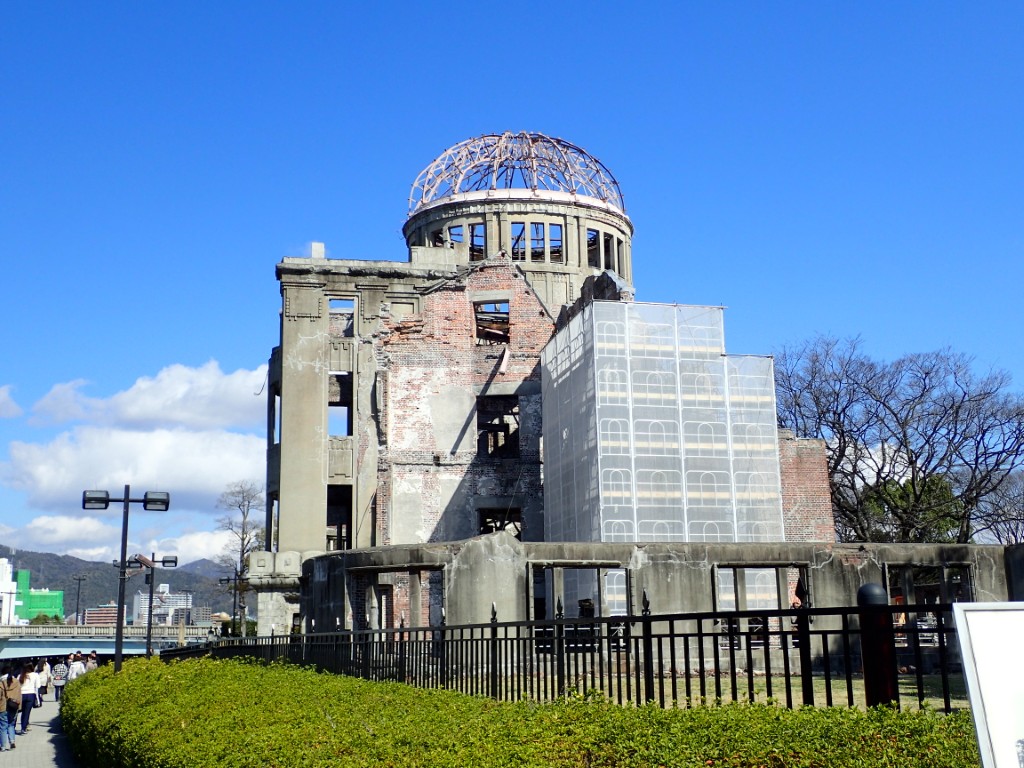
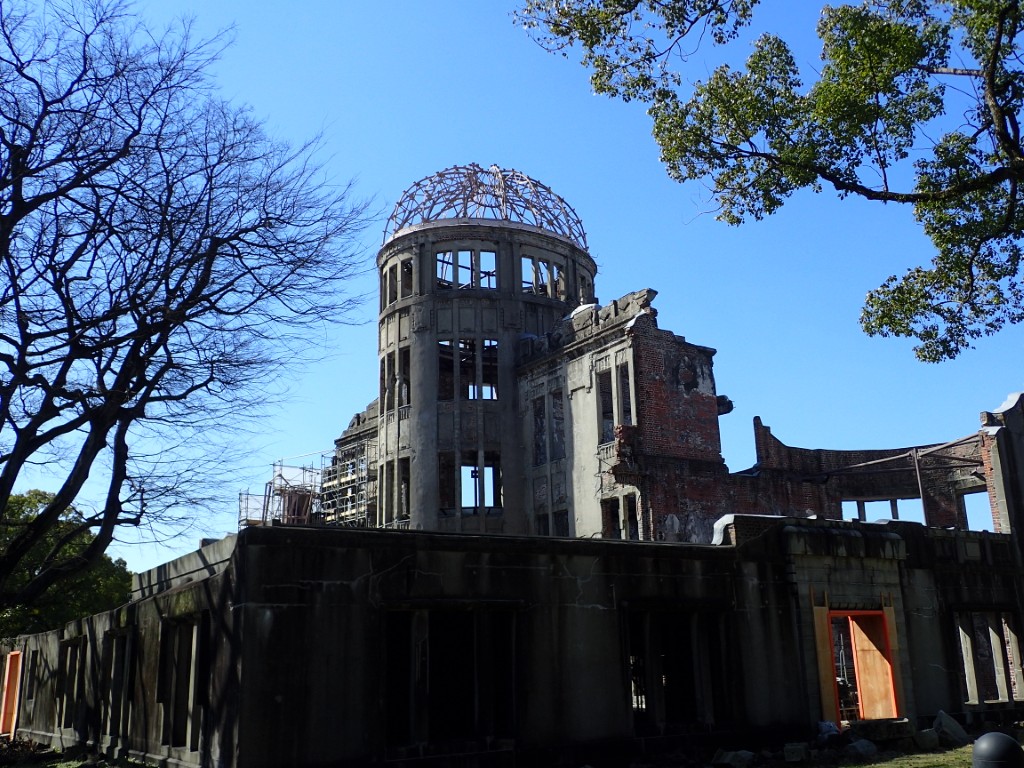
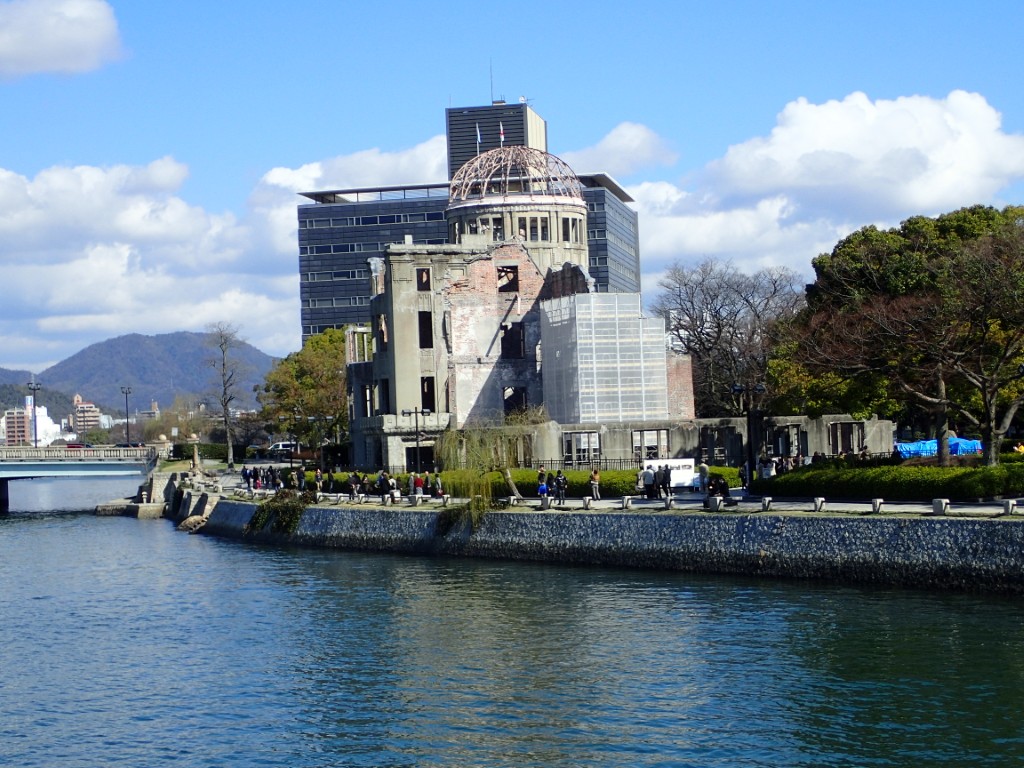
The Atomic Bomb Dome — originally the Hiroshima Prefectural Industrial Promotion Hall — is the most recognizable symbol of Hiroshima. It stands as it did after the atomic bomb exploded 160 meters away at 8:15 AM on August 6, 1945, killing tens of thousands instantly and tens of thousands more in the following months and years.
- The dome’s iron frame and brick walls miraculously survived the blast and firestorm, becoming a UNESCO World Heritage Site in 1996.
- It serves as a powerful, silent reminder of the devastation and a plea for peace.
- Best visited early morning for fewer crowds and soft light.
2. Hypocenter (Ground Zero)
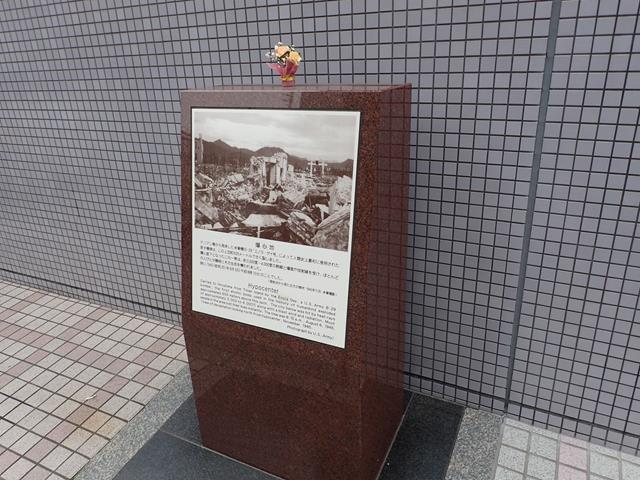
Just 160 meters from the Atomic Dome lies the exact hypocenter — the point directly below where the bomb detonated 600 meters overhead. The heat reached 3,000–4,000 °C, vaporizing people and structures in seconds.
- A simple concrete marker and plaque sit in a quiet back street.
- Flowers are often left by visitors — a small, somber spot that hits hard when you realize the scale of destruction.
Google Map
3. Hiroshima Peace Memorial Park & Museum
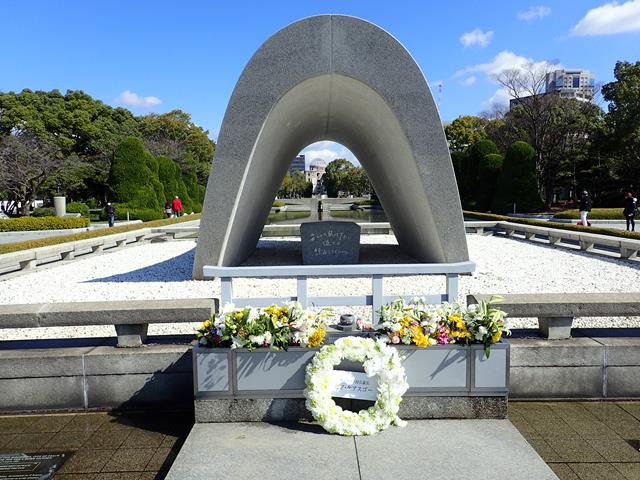
Across the Motoyasu River from the Dome lies the Peace Memorial Park, a green space dedicated to the victims (over 140,000 lives lost). The park contains several poignant monuments:
- Children’s Peace Monument (thousands of paper cranes)
- Cenotaph for A-Bomb Victims
- Flame of Peace (will burn until nuclear weapons are abolished)
- Peace Bell
The Hiroshima Peace Memorial Museum (inside the park) is essential — powerful exhibits of personal belongings, survivor testimonies, and the bomb’s effects.
Hours (2026): March–July & Sep–Nov 8:30 AM–6:00 PM; August 8:30 AM–7:00 PM; Dec–Feb 8:30 AM–5:00 PM.
Entrance fee: ¥200 (adults).
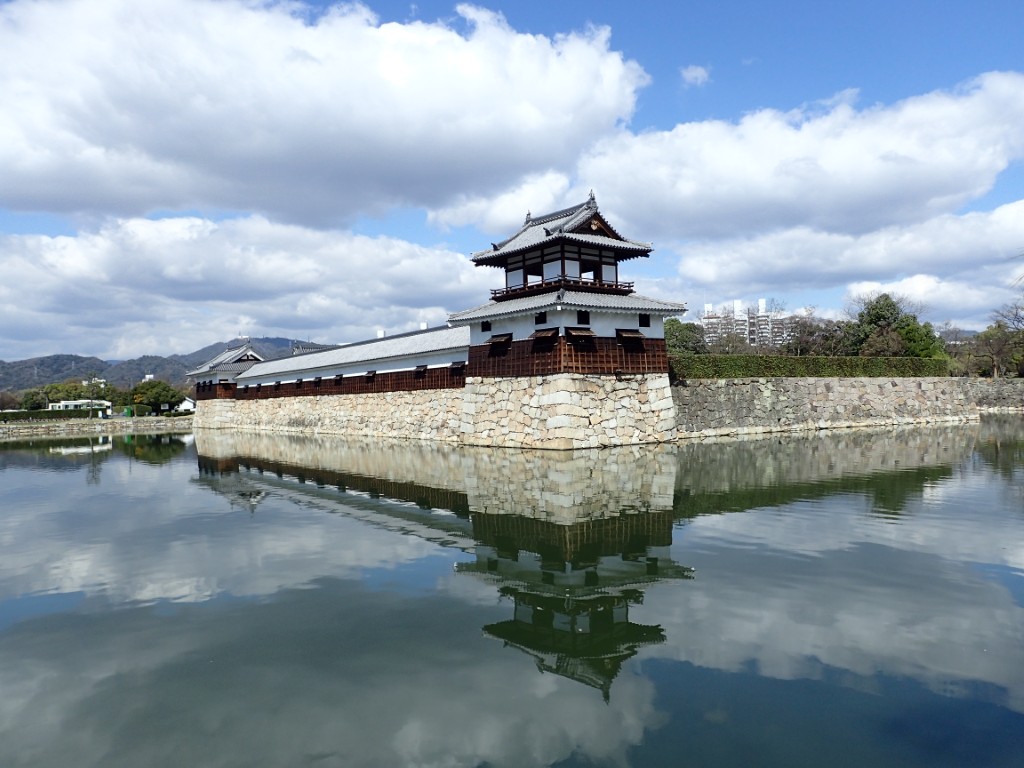
4. Hiroshima Castle
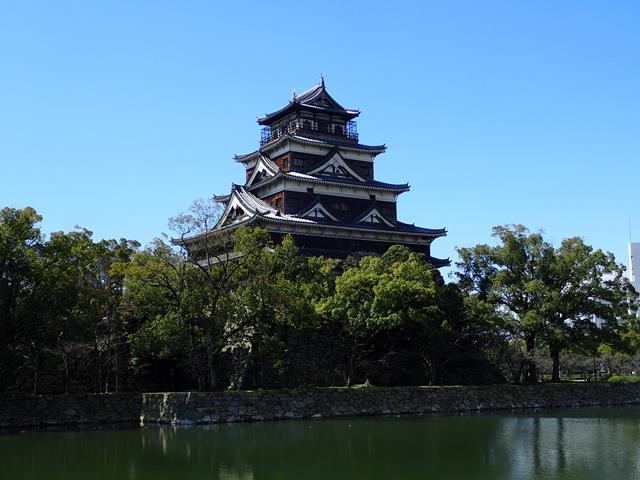
Rebuilt in 1958 after complete destruction in 1945, Hiroshima Castle (originally built 1591 by feudal lord Terumoto Mori) is a striking five-story reconstruction. The grounds are a national historic site.
- Free entry to the grounds; small museum inside (¥370).
- Beautiful cherry blossoms in spring and illuminated at night.
- Great for photos with the moat and keep.
5. Hiroshima Gokoku Shrine
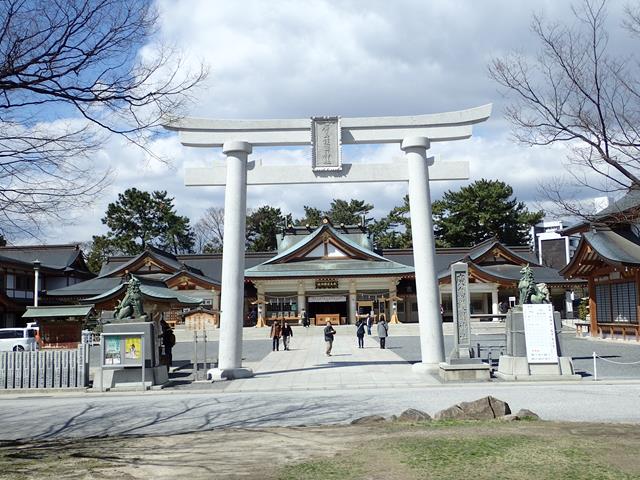
Inside Hiroshima Castle grounds, this Shinto shrine (originally built 1868) honors those who died in the Boshin War (1868–1869). Destroyed in 1945, it was rebuilt in 1956.
- Peaceful spot for reflection amid castle grounds.
- Free entry; popular for New Year’s visits.
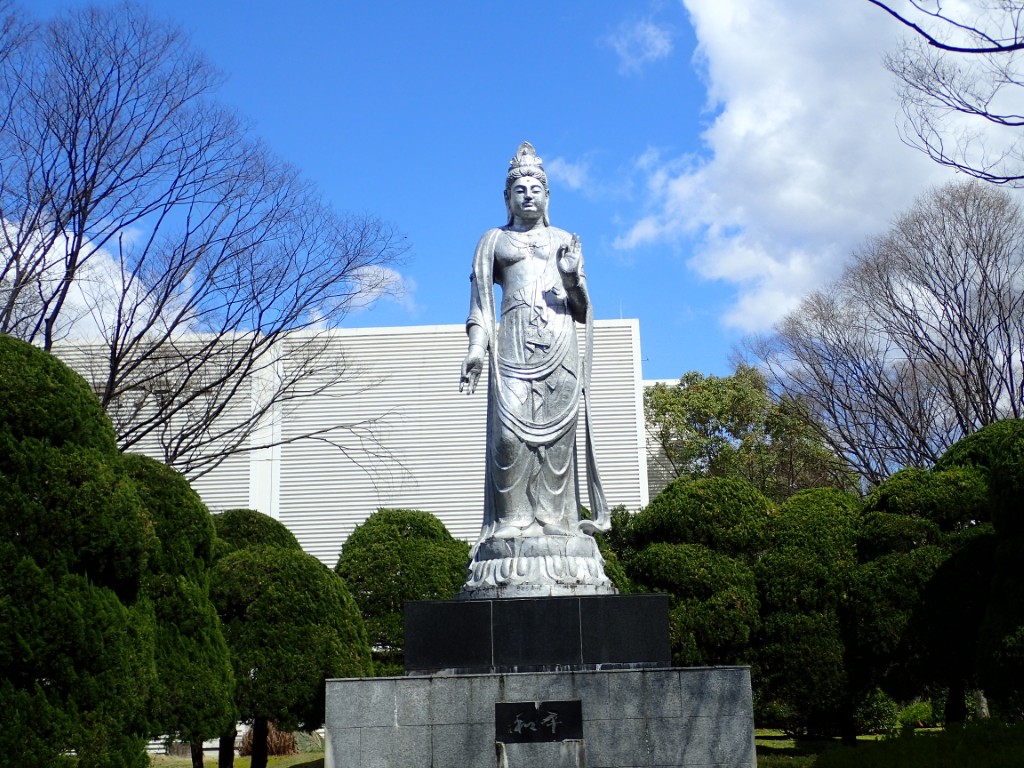
6. Hiroshima Museum of Art
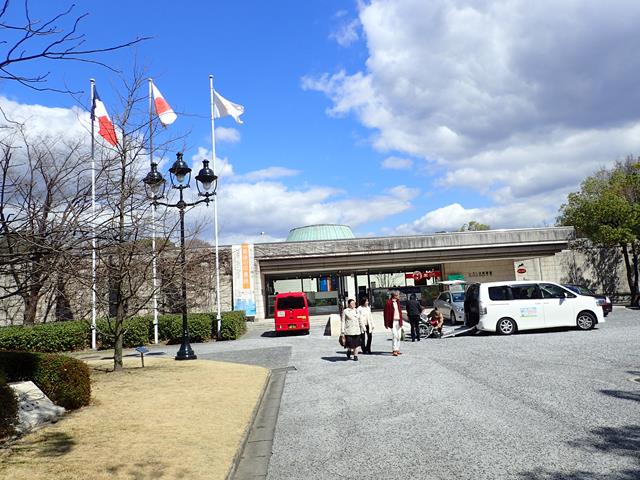
Located a few hundred meters away from the Hiroshima Castle is the Hiroshima Art Museum which contains a collection of modern European Paintings and modern Japanese Paintings. The Hiroshima Art Museum is open Tuesday to Sunday 9am – 5pm. Closed on Monday. Check out the Hiroshima Art Museum website for more information.
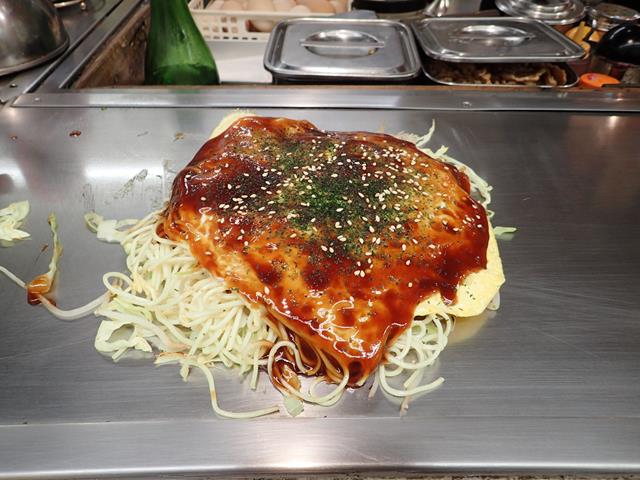
7. Okonomimura (Okonomiyaki Village)
A foodie must-visit — this 5-story building in central Hiroshima houses dozens of small stalls specializing in Hiroshima-style okonomiyaki (layered cabbage pancake with noodles, egg, meat/seafood, and sauce). A tourist attraction and local favorite for over 50 years.
- Expect long lines at popular stalls — go early or late.
- Prices ~¥1,000–1,500 per person.
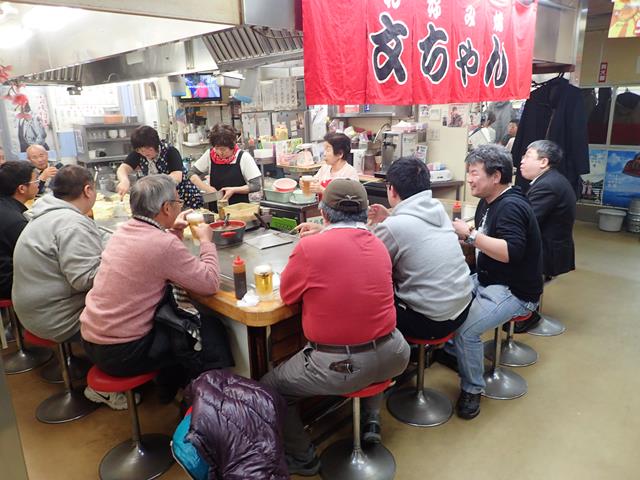
Authentic scene inside Okonomi-mura in Hiroshima
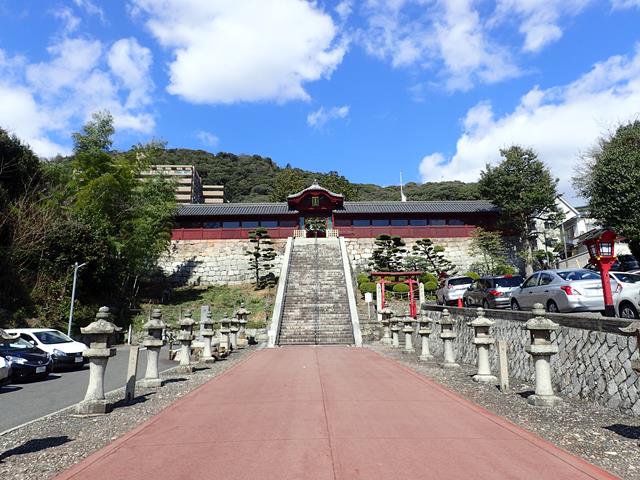
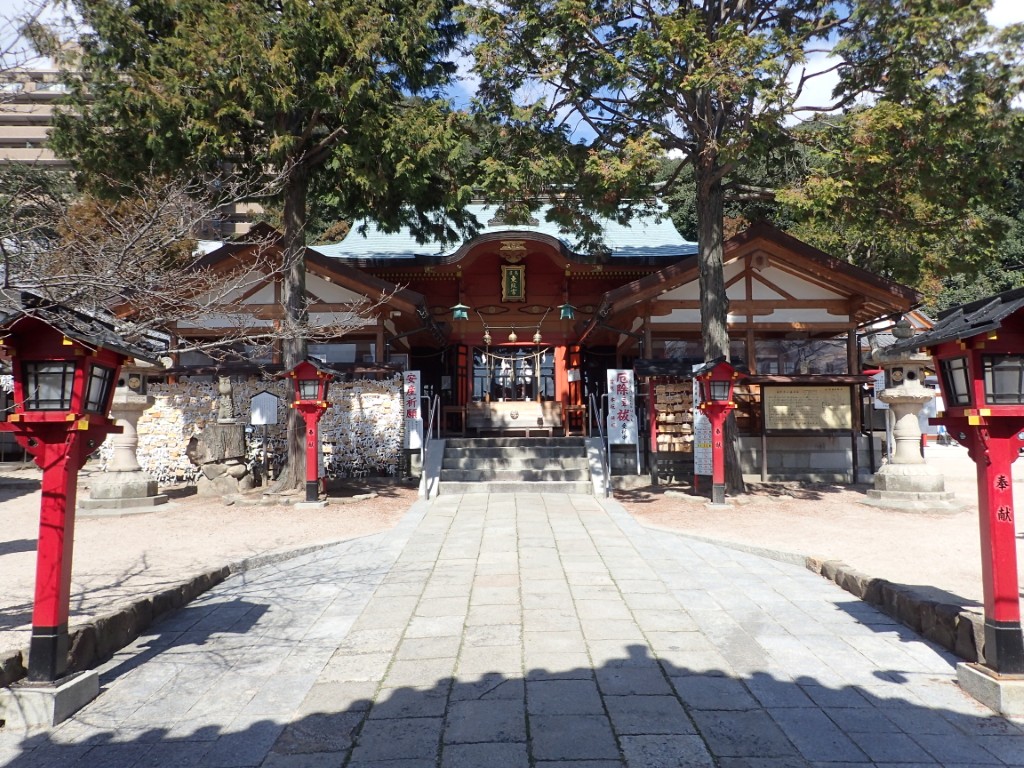
8. Tōshō-gū Shrine
Built in 1646 by Hiroshima lord Mitsuakira Asano, this shrine burned down in the 1945 blast but was faithfully rebuilt in Edo-period style.
- Beautiful example of traditional shrine architecture.
- Free entry.
9. Miyajima Island (Itsukushima Shrine)
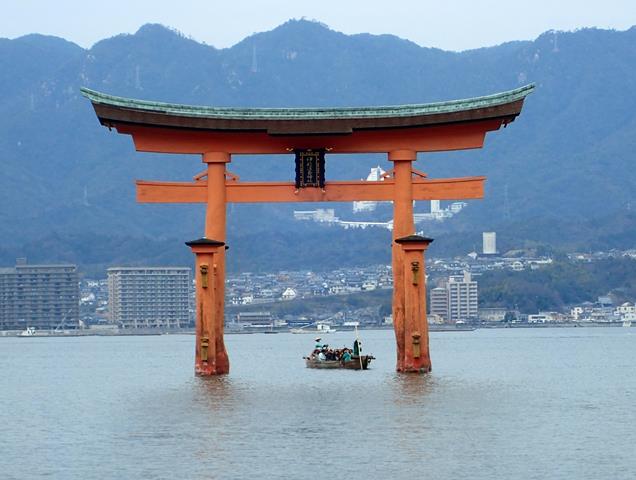
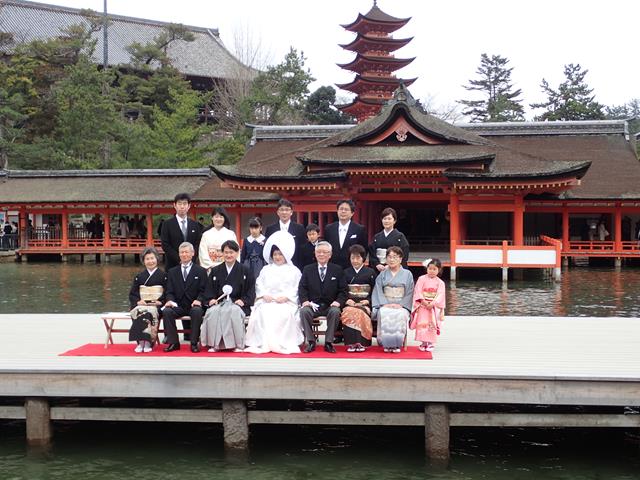
A short ferry ride (45 min) from central Hiroshima, Miyajima is one of Japan’s most famous sights. The floating torii gate of Itsukushima Shrine (UNESCO World Heritage) appears to hover over the water at high tide.
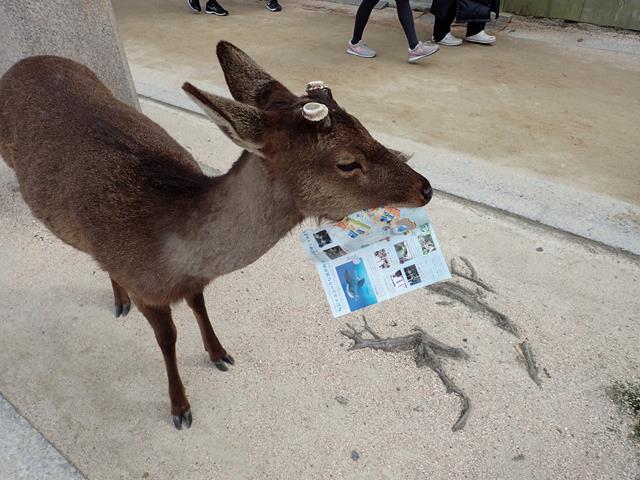
- Deer roam freely on the island — buy crackers to feed them.
- Hike Mount Misen for panoramic views.
- Ferry from Hiroshima Port or Motoyasu River (near Atomic Dome).
Read more about Miyajima Island
Other Major Attractions in Hiroshima
- Shukkeien Garden — peaceful Japanese garden with teahouses and ponds.
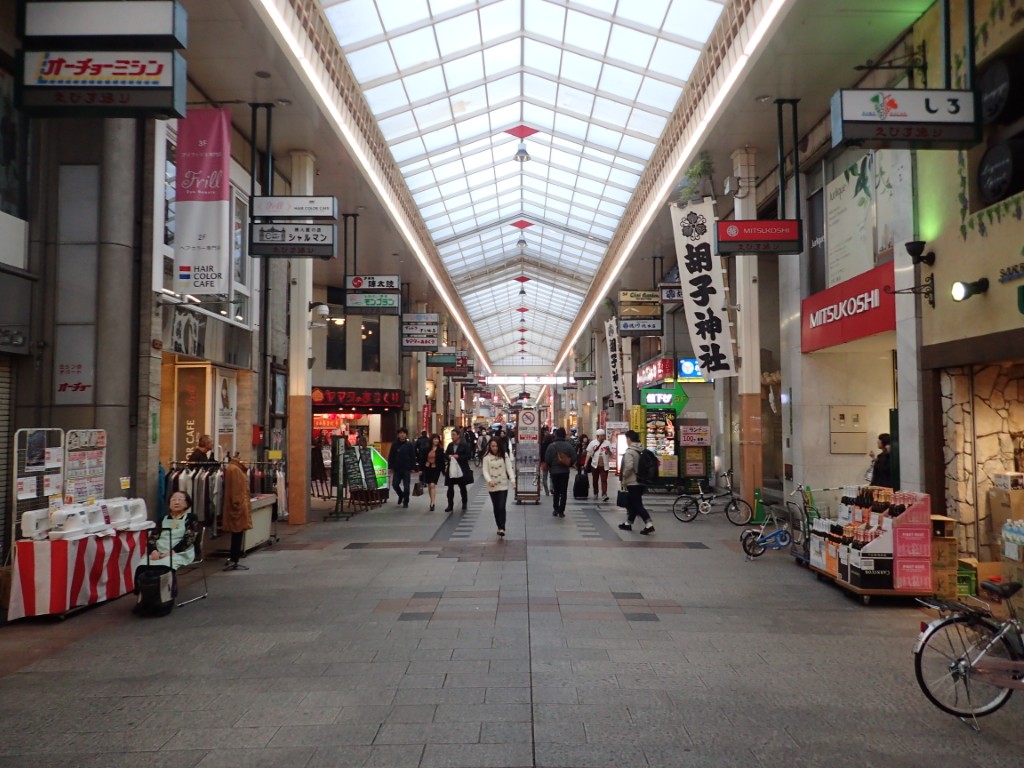
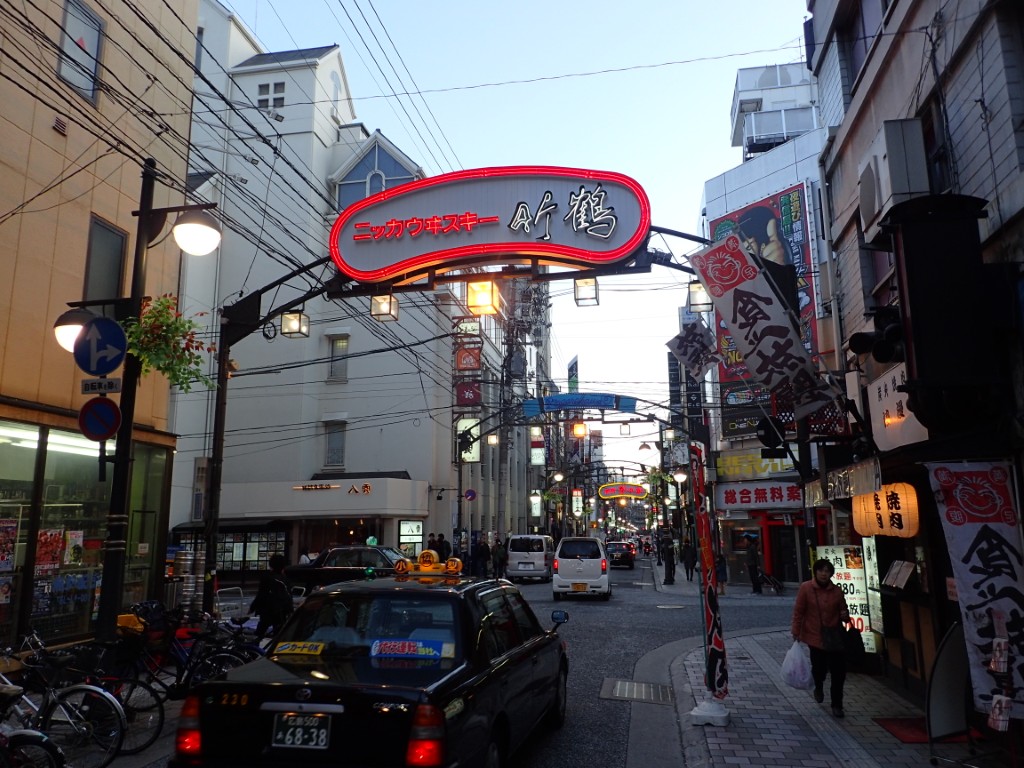
- Downtown Hiroshima — Hondori shopping arcade, okonomiyaki restaurants, Nagarekawa nightlife area.
- Peace Boulevard — tree-lined avenue connecting key sites.
- Mazda Museum: Free factory tour (book ahead); great for car fans.
Getting to Hiroshima
- By Shinkansen (Bullet Train) — From Tokyo (4 hours), Kyoto (1.5 hours), Osaka (1.5 hours), or Fukuoka (1 hour).
- By Plane — Direct flights from Tokyo Haneda/Narita (1.5 hours); international connections via Tokyo, Osaka, or Seoul.
Hiroshima is a city of remembrance, beauty, and warmth — plan a few days to truly feel its spirit. From the sobering Peace Park to the magical floating torii of Miyajima, it’s one of Japan’s most meaningful destinations.

Australian travel blogger and aviation enthusiast based in Sydney, living a relaxed retired life filled with daily flat whites. Passionate about exploring The World's hidden gems TripAtrek travel blog is on a mission: To share these gems with you.