Tokyo
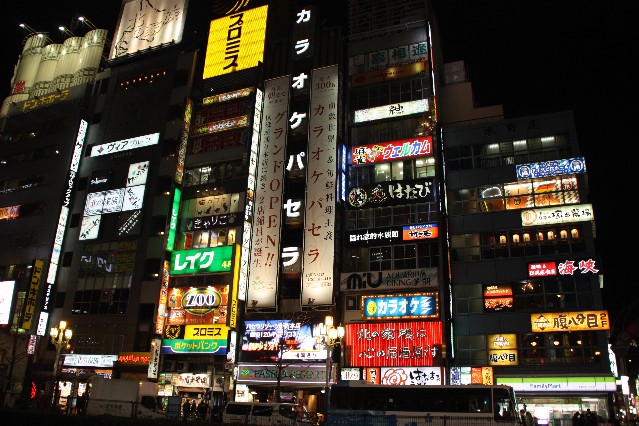
The Ultimate Guide to Tokyo, Japan 2025/2026
(Neon Chaos, Hidden Temples, and Unmissable Eats – Your Complete Tokyo Blueprint)
Tokyo is the city that rewires your brain.
One second you’re crossing the world’s busiest pedestrian intersection in Shibuya, the next you’re sipping matcha in a 400-year-old teahouse, and by nightfall you’re lost in a maze of neon-lit izakayas where salarymen debate life over ¥300 skewers. In 2025/2026, Tokyo – home to 37 million people in the greater metropolitan area – is more accessible, innovative, and intoxicating than ever, welcoming over 50 million international visitors annually.
It’s the world’s most populous metro area, yet feels like a collection of 23 seamless wards, each with its own personality: futuristic skyscrapers in Shinjuku, serene shrines in Asakusa, hipster havens in Harajuku, and tech utopias in Akihabara. Why visit? For the contrasts – ancient samurai history meets robot cafés, Michelin-starred ramen costs less than a coffee in London, and public transport is so efficient you can hit 50 attractions in a week without breaking a sweat. Tokyo is safe (crime rate lower than most European capitals), clean (recycling is religion), and endlessly surprising – a place where tradition and tomorrow collide in the most exhilarating way. This 4,500-word guide is your all-in-one blueprint: top attractions, stay areas, food heaven, hotels, transport, intercity trips, airports, and even stargazing escapes. Let’s get lost together.
A Description of Tokyo and the Main Reasons to Visit in 2025/2026
Tokyo is Japan’s beating heart – a megalopolis where 14 million people cram into 23 wards, blending Shinto shrines from the 7th century with 2025’s AI-powered robot butlers. It’s the epitome of “high-tech, low-life”: vending machines sell everything from hot ramen to used panties, while salarymen bow at dawn prayers. The city sprawls across 2,194 km², but its soul is in the details – cherry blossoms falling on salarymen in suits, neon reflections in rain-slicked alleyways, and the hum of 1,300+ Shinkansen trains linking it to the rest of Japan.
Main reasons to visit? Efficiency and variety: You can climb Mount Fuji one day, eat sushi in Tsukiji the next, and party in Shibuya by night – all connected by the world’s best public transport. Foodie paradise: Tokyo has more Michelin-starred restaurants than Paris, yet street eats like ¥500 ramen are just as life-changing. Cultural depth: 1,200+ temples, 200+ museums, and festivals like cherry blossom hanami or summer fireworks. Safety and cleanliness: Walk anywhere at 2 AM without worry. Value: A week costs A$1,000–2,500, with luxury on a budget. In 2025/2026, new attractions like the Mori Digital Art Museum expansion and sustainable initiatives (zero-waste Shibuya) make it fresher than ever. Tokyo isn’t a vacation – it’s a rewire.Top 20 Tourist Attractions in TokyoTokyo’s attractions blend ancient and futuristic. Here’s the top 20, ranked by popularity and uniqueness from sources like TripAdvisor and Japan Travel (2025 data). travelbabbo.com +5
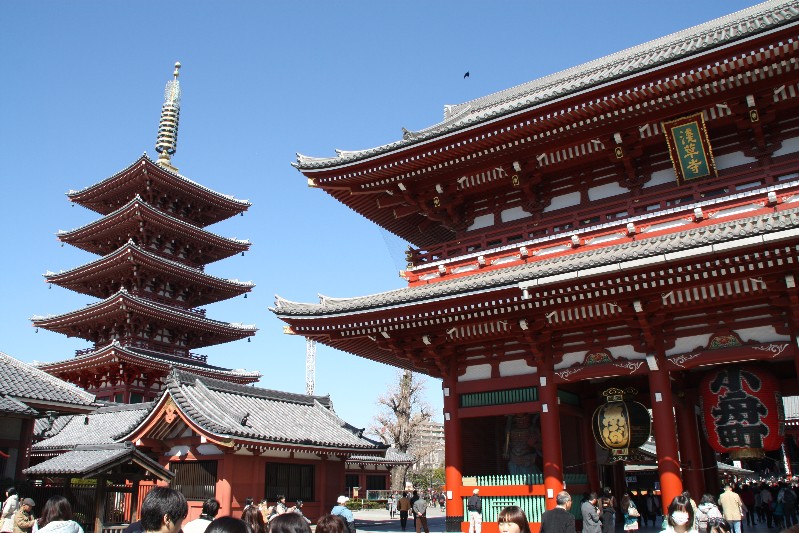
- Senso-ji Temple (Asakusa) – Tokyo’s oldest temple (645 AD), with a massive red lantern at Kaminarimon Gate. Nakamise shopping street leads to the main hall. Free entry; 4.8/5 for cultural immersion.
- Shibuya Crossing – The world’s busiest pedestrian scramble, with 3,000 people crossing at once. Watch from Starbucks or Shibuya Sky observatory (¥2,000). Iconic photo op.
- Meiji Shrine (Harajuku) – Serene Shinto shrine in a forested park, dedicated to Emperor Meiji. Torii gates and wedding ceremonies. Free; 4.9/5 for tranquility.
- Samurai Museum (Kabukicho Shinjuku) – The Samurai Museum in Shinjuku is a compact, high-energy crash course in Japan’s warrior history. Also less impressive Japanese Sword Museum, walking distance.
- Tokyo Skytree (Sumida) – 634 m tower with panoramic views. Tembo Deck ¥2,100; 4.7/5 for cityscapes.
- Tokyo Tower (Minato) – Eiffel-inspired landmark, 333 m tall. Main Observatory ¥1,200; 4.5/5 for retro charm.
- Shinjuku Gyoen National Garden – 58 ha park with Japanese, French, English gardens. Cherry blossoms in spring. ¥500; 4.8/5 for nature escape.
- Akihabara Electric Town – Otaku heaven: anime shops, maid cafés, arcades. Free to wander; 4.6/5 for geek culture.
- Imperial Palace (Chiyoda) – Emperor’s residence with gardens and moats. East Gardens free; tours ¥1,000. 4.7/5 for history.
- Tsukiji Outer Market – Seafood stalls, sushi breakfast. Free; 4.8/5 for fresh eats.
- Harajuku Takeshita Street – Cosplay, kawaii fashion, crepes. Free; 4.5/5 for youth culture.
- Ginza Shopping District – Luxury brands, department stores. Free; 4.6/5 for high-end vibes.
- Ueno Park & Museums – Cherry blossoms, zoo, 5 museums. Park free; museums ¥600–1,000. 4.8/5 for culture.
- Asakusa Nakamise Street – Souvenir shops to Senso-ji. Free; 4.6/5 for souvenirs.
- Odaiba Futuristic Island – Gundam statue, Rainbow Bridge, malls. Free entry; 4.7/5 for sci-fi.
- Roppongi Hills – Mori Art Museum, Mori Tower views. ¥1,800; 4.6/5 for art/modern.
- Yoyogi Park – People-watching, buskers, events. Free; 4.7/5 for vibe.
- Tokyo National Museum (Ueno) – 120,000 artefacts. ¥1,000; 4.8/5 for history.
- Sumida River Fireworks (summer) – Largest in Japan. Free; 4.9/5 for spectacle.
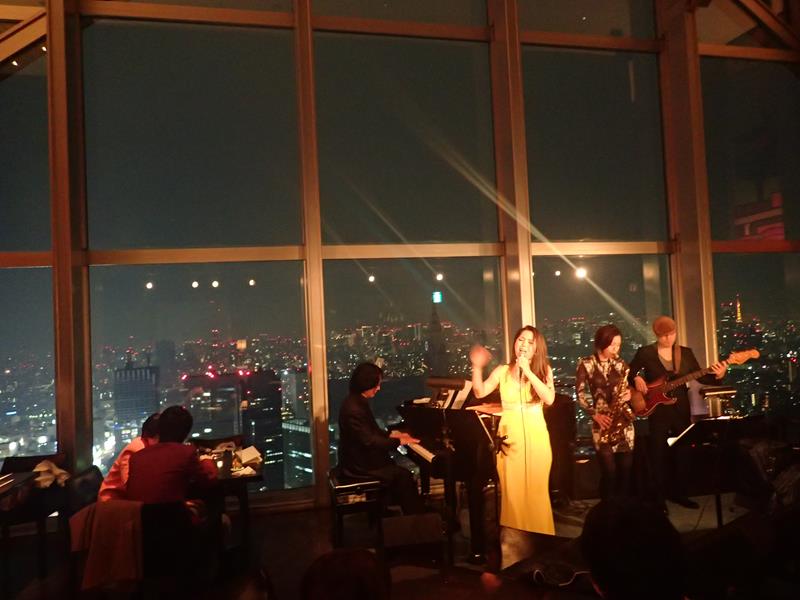
- New York Grill Bar (Shinjuku) – made famous by Lost In Translation.
Recommended Areas to Stay in Tokyo – Main Attractions
Tokyo’s 23 wards mean location matters. Top 5 for 2025/2026:
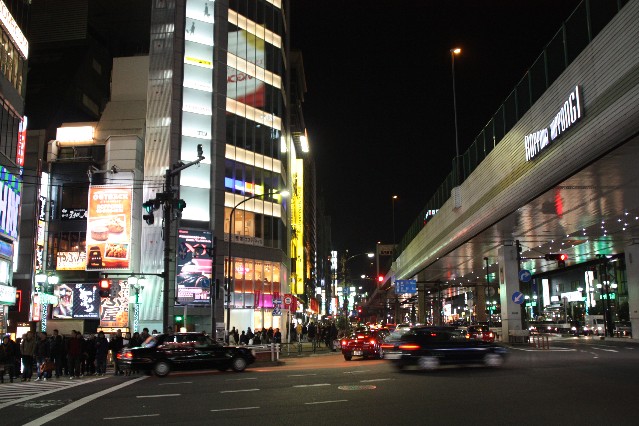
- Shinjuku – Busiest hub. Attractions: Shinjuku Station, Kabukicho nightlife, Golden Gai bars, Tokyo Metropolitan Building views. BTS/Metro central.
- Shibuya – Youth energy. Attractions: Shibuya Crossing, Meiji Shrine, Harajuku fashion, Shibuya Sky observatory. JR Yamanote line.
- Asakusa – Traditional. Attractions: Senso-ji Temple, Nakamise shopping, Sumida River, Tokyo Skytree. Ginza line.
- Ginza – Luxury shopping. Attractions: Ginza malls, Kabuki-za Theatre, Tsukiji Market, Imperial Palace gardens. Hibiya line.
- Roppongi – Modern art. Attractions: Mori Art Museum, Tokyo Tower, Roppongi Hills, National Art Center. Oedo line.
Other Less Touristy Areas to Stay in Tokyo
For quieter vibes:
- Kichijōji – just 8 stations on JR from Shinjuku, this trendy suburb of Tokyo is famous for Inokashira Park and ‘Hanabi’ Cherry Blossom viewing. See hotels in Kichijoji.
- Yanaka – Old Tokyo charm. Attractions: Yanaka Ginza shops, Nezu Shrine, cat temples. Chiyoda line.
- Kagurazaka – French-inspired alleys. Attractions: Iidabashi gardens, Kagurazaka theatre, hidden cafés. Oedo line.
- Daikanyama – Hipster haven. Attractions: T-Site bookstore, Daikanyama Station cafés, Shibuya proximity. Tokyu Toyoko line.
- Jiyugaoka – Residential cool. Attractions: Jiyugaoka sweet shops, Meguro River cherry blossoms. Tokyu Oimachi line.
- Nakameguro – Riverside chic. Attractions: Meguro River, Nakameguro cafés, cherry blossom hanami. Hibiya line.

The Food Scene in Tokyo – A Foodie Heaven?
Tokyo is foodie nirvana – 200,000+ restaurants, 38 Michelin-starred (more than Paris), and the world’s best street food. It’s a heaven of precision: ramen shops perfecting broth for decades, sushi counters where fish is flown in daily, and kaiseki meals that are edible art. Ramen, sushi, tempura, yakitori, okonomiyaki – all elevated to poetry. Izakayas (pub-like) are social hubs, and vending machine meals are surprisingly good. Vegetarian/vegan options abound (shojin ryori temple cuisine). It’s not just Japanese – global fusion thrives.
Why heaven? Affordability (¥1,000 ramen = A$10), variety (from ¥300 gyoza to ¥50,000 kaiseki), and etiquette that makes every meal memorable.
Top 20 Rated Restaurants in Tokyo (All Cuisines, 2025)
The following list compiles 20 highly rated establishments (focusing on those with 3+ Michelin stars, Tabelog scores of 4.0+, and my personal recommendations). These span cuisines from kaiseki and sushi to modern fusion, emphasizing seasonal ingredients and precision. Ratings are approximate aggregates; reservations are essential for most, especially fine-dining spots.
| Rank | Restaurant Name | Cuisine | Neighborhood | Rating Highlights | Price Range (JPY, approx.) |
|---|---|---|---|---|---|
| 1 | Don Don | Yakiniku Japanese BBQ – my pic | Kabukicho | It’s smokey, it’s noisy, you have to queue most nights to get in. I visit every time I land in Tokyo | Dinner: 10,000+ – depends how many beers you have |
| 2 | Maisen | Tonkatsu | Oyama / Shibuya | The original Maisen Tonkatsu is close to Omotesando Station (A2 Exit). | Dinner: 15,000+ |
| 3 | Sézanne | French-Japanese | Chiyoda-ku | 3 Michelin stars; masterful sauces enhancing local produce in a seasonal French framework. | Dinner: 45,000+ |
| 4 | Sushi Kadowaki | Sushi | Minato-ku | Tabelog 4.5+; refined omakase with top-grade tuna and seasonal fish at an intimate counter. | Dinner: 30,000+ |
| 5 | Den | Modern Kaiseki | Yoyogi | 2 Michelin stars; World’s 50 Best regular; playful twists like “Dentucky Fried Chicken” wings. | Dinner: 35,000+ |
| 6 | Sushi Saito | Sushi | Roppongi | 3 Michelin stars; legendary edomae-style nigiri with impeccable rice and fish pairings. | Dinner: 50,000+ |
| 7 | Sushi Mizutani | Sushi | Ginza | 3 Michelin stars; focused omakase emphasizing bluefin tuna and Toyama prawns. | Dinner: 40,000+ |
| 8 | Sushi Yoshitake | Sushi | Ginza | 3 Michelin stars; precise, minimalist sushi courses highlighting blackthroat perch. | Dinner: 45,000+ |
| 9 | Tempura Kondo | Tempura – my suggestion | Ginza | 2 Michelin stars; Tabelog 4.3; delicate, seasonal frying with personal omakase sets. | Dinner: 25,000+ |
| 10 | Narisawa | Innovative Japanese | Minato-ku | 2 Michelin stars; nature-inspired tasting menus blending global techniques with local foraged elements. | Dinner: 40,000+ |
| 11 | Bird Land | Yakitori – my suggestion | Ginza | 1 Michelin star; (Japanese grilled skewers), focusing on premium chicken parts. | Dinner: 20,000+ |
| 12 | The Araki | Sushi | Ginza | 3 Michelin stars; ultra-exclusive omakase with flawless edomae sushi artistry. | Dinner: 60,000+ |
| 13 | Ukiyo | Grilled Japanese | Yoyogi Uehara | Tabelog 4.2; charcoal-grilled seasonal meats and seafood with global spices. | Dinner: 15,000–20,000 |
| 14 | Mango Tree | Thai | Chiyoda | panoramic views with locally sourced traditional Thai cuisine. | Dinner: 10,000+ |
| 15 | Sushi Yuu | Sushi | Nishiazabu | Tabelog 4.4; tuna specialist with Toyosu-sourced fish and welcoming counter service. | Dinner: 20,000+ |
| 16 | Tempura Ono | Tempura | Ginza | Michelin Bib Gourmand; 10–13 course omakase with nationwide seasonal ingredients. | Lunch/Dinner: 15,000–25,000 |
| 17 | Misono Kobe | Teppanyaki – my suggestion | Shinjuku | Tabelog 4.0+; Kumamoto-sourced basashi (horse sashimi) and grilled specialties. | Dinner: 5,000–10,000 |
| 18 | Imahan | Sukiyaki – My suggestion | Shinjuku | Located directly under the Hyatt Regency Hotel in Nishi-Shinuku. | Lunch/Dinner: 5,000–10,000 |
| 19 | Kagari | Ramen | Ginza | Tabelog 3.8+; creamy chicken paitan ramen with seasonal vegetable toppings. | Lunch/Dinner: 1,500–2,500 |
| 20 | Tsunahachi | Tempura | Shinjuku | TripAdvisor 4.5+; historic chain with affordable tendon (tempura rice bowls). | Lunch/Dinner: 2,000–4,000 |
Hotel Price Guide in Tokyo (2025/2026)
From Booking.com and Expedia data. Prices for double room high season (cherry blossom, autumn leaves).
- Budget (¥8,000–15,000 / A$80–150): Clean, central, no frills (e.g., APA Hotel Shinjuku-Kabukicho, 4.3/5).
- Mid-range (¥15,000–40,000 / A$150–400): Comfort with amenities (e.g., Hotel Gracery Shinjuku, 4.5/5; Citadines Central Shinjuku, 4.6/5).
- Luxury (¥40,000+ / A$400+): Spas, views, service (e.g., Park Hyatt Tokyo, 4.9/5; Conrad Tokyo, 4.8/5).
Public Transport in Tokyo – Price Guide (2025)
Tokyo’s system is flawless – efficient, clean, and cheap. japan-guide.com +4
- JR Lines (Yamanote Loop, etc.): IC card (Suica/Pasmo) ¥140–320 single ride. Daily pass ¥1,600 (unlimited JR in Tokyo).
- Subway (Tokyo Metro/Toei): ¥170–320. 24-hr ticket ¥600, 48-hr ¥1,200, 72-hr ¥1,500.
- Buses: Flat ¥210 adult (¥110 child).
- Taxis: ¥730 flag fall + ¥90/km (¥420–700/10 min).
- Uber/Grab available but pricier.
Buy an IC card at stations – tap in/out, no tickets needed.
Major Train Stations for Intercity Trips – Top 10 Destinations by Shinkansen from Tokyo
Tokyo Station and Shinagawa are the Shinkansen hubs.
- Nagoya – 1.5h (Tokaido Shinkansen), food.¥10,000
- Kyoto – 2h 15m (Nozomi), temples, geisha. ¥13,500.
- Osaka – 2h 30m, food capital, Universal Studios. ¥14,000.
- Hiroshima – 4h, Peace Memorial, Miyajima torii. ¥18,000.
- Nagasaki – 7h, atomic history, chanpon noodles. ¥25,000.
- Kobe – 2h 45m, beef, port city. ¥14,500.
- Kanazawa – 2h 30m, geisha districts, Kenrokuen garden. ¥14,000.
- Takayama – 4h (via Nagoya), old town, Hida beef. ¥15,000.
- Hakone – 1h (Romancecar), onsen, Mt Fuji views. ¥2,000.
- Kamakura – 1h, Great Buddha, ancient temples. ¥1,000.
- Nikko – 2h, Toshogu Shrine, lakes. ¥5,000.
JR Pass (¥50,000/7 days) covers most.
Airports in Tokyo – Top Domestic & International Destinations (2025)
Tokyo has two airports: Haneda (HND) and Narita (NRT).
Haneda (HND) – Domestic focus, 30 min from centre. Top domestic: Osaka (1h, ¥10,000), Fukuoka (1h 40m, ¥15,000), Sapporo (1h 30m, ¥12,000), Sendai (1h 20m, ¥8,000), Nagoya (1h, ¥7,000). International: Singapore (7h, ¥50,000), Seoul (2h 30m, ¥20,000), Hong Kong (4h 30m, ¥30,000), Taipei (3h 30m, ¥25,000).
Narita (NRT) – International hub, 1 hr from centre. Top domestic: Osaka (1h 10m, ¥12,000), Fukuoka (1h 50m, ¥18,000). International: LA (10h, ¥100,000), London (12h, ¥120,000), Sydney (9h 30m, ¥80,000), New York (13h 30m, ¥130,000), Dubai (9h 30m, ¥70,000).
Stargazing in Tokyo – City Lights vs Dark Sky Escapes

Tokyo’s urban glow (Bortle 8–9) means city stargazing is limited to Venus, Jupiter, and a few constellations on clear nights. Best in-city spots: Yoyogi Park or Tokyo Tower after midnight.
For real dark skies (Bortle 3–4), head 1–2 hrs out:
- Mount Dodaira (Saitama, 2 hrs by train) – Observatory, Bortle 3, Milky Way visible.
- Kozushima Island (Izu Chain, 1.5 hrs boat) – International Dark Sky Park, Bortle 2.
- Chichibu (Saitama, 1.5 hrs train) – Hillside spots, Bortle 4.
- Okutama (Tokyo Prefecture, 1.5 hrs train) – Forested mountains, Bortle 4.
- Nikko National Park (Tochigi, 2 hrs train) – Lake Chuzenji, Bortle 3–4.
Read more locations for dark skies a train ride from Tokyo
Tokyo in 2025/2026 is the city that redefines “impossible.” Ready to get your brain rewired?
#Tokyo2025 #JapanTravel