Indonesia

Overview of Indonesia as a Tourist Destination
Indonesia is the world’s largest archipelago, with over 18,000 islands (around 6,000 inhabited), stretching across Southeast Asia. It’s a diverse paradise offering far more than just Bali—think pristine beaches, lush tropical jungles, unique wildlife (like orangutans, tigers, elephants, and Komodo dragons), active volcanoes along the Ring of Fire, rich history with ancient temples, and vibrant cultures varying by island. It’s perfect for beach relaxation, adventure (volcano climbing, jungle trekking), world-class scuba diving, cultural immersion, and surfing.
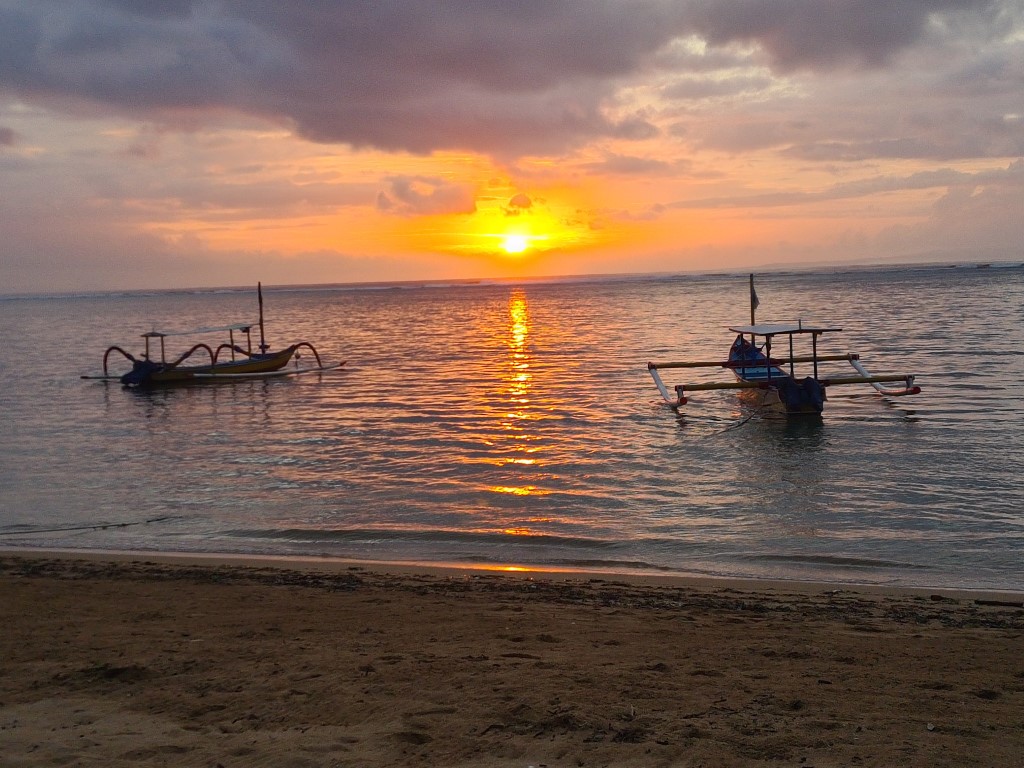
Top 10 Tourist Destinations in Indonesia
Based on popular sources like Lonely Planet, TripAdvisor, and recent tourism data (2024-2025), here are the most recommended spots:
- Bali (Island of the Gods) – Iconic beaches (Kuta, Seminyak), rice terraces (Ubud, Jatiluwih), temples (Tanah Lot, Uluwatu), surfing, yoga retreats, and vibrant nightlife/culture. 20 reasons to visit Bali.
- Raja Ampat (West Papua) – World-class diving and snorkeling in one of the most biodiverse marine parks, with stunning islands and coral reefs.
- Komodo National Park (Flores/Labuan Bajo) – Home to Komodo dragons, pink beaches, excellent diving, and hiking.
- Borobudur (Central Java) – The world’s largest Buddhist temple (8th-9th century UNESCO site), often paired with sunrise views.
- Yogyakarta (Java) – Cultural heart with Prambanan Hindu temples (9th century), sultan’s palace, batik arts, and nearby volcanoes.
- Mount Bromo (East Java) – Dramatic active volcano landscape for sunrise hikes and Tengger massif views.
- Lake Toba (North Sumatra) – Massive volcanic crater lake with Samosir Island, Batak culture, and relaxing vibes.
- Gili Islands (off Lombok) – Car-free paradise islands (Gili Trawangan, Meno, Air) for beaches, turtles, diving, and partying/relaxation. There are more Gili islands than the famous 3. For quiet scuba diving spots, get down to the southern Gili islands.
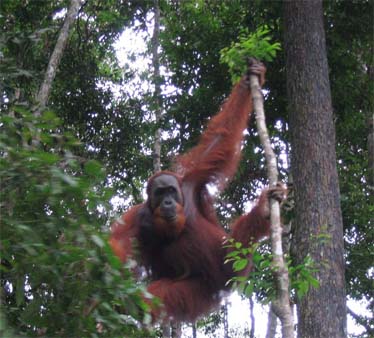
- Gunung Leuser National Park (North Sumatra) – Jungle trekking to see orangutans, tigers, and elephants near Medan.
- Lombok – Quieter alternative to Bali with Mount Rinjani volcano treks, beautiful beaches, and emerging surf spots.
Other highlights: Bunaken (North Sulawesi) for diving, Pulau Weh (Aceh) for remote reefs, and ancient sites on Java.
Key Activities and Experiences in Indonesia
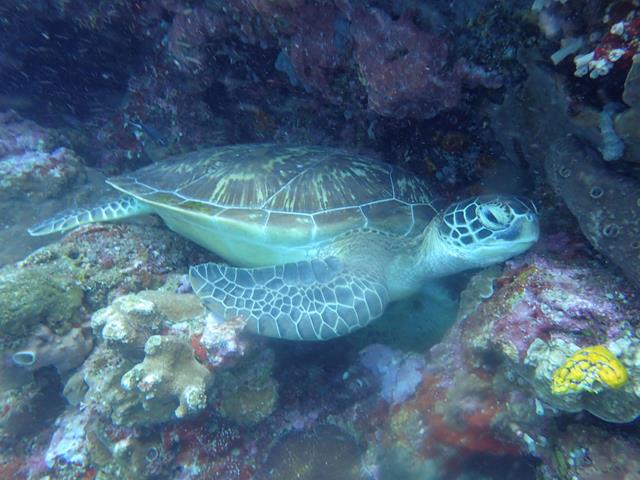
- Scuba Diving/Snorkeling: Top-tier sites in Raja Ampat, Komodo, Bunaken (turtle capital), Gili Islands, and Bali.
- Jungle Trekking: Gunung Leuser for wildlife spotting.
- Volcano Adventures: Climb active ones like Bromo, Rinjani, or others (adventurous but accessible).
- Ancient Monuments: Borobudur (Buddhist) and Prambanan (Hindu) on Java.
- Beach Life: Endless options for relaxation, surfing, or cocktails on white sands.
- Culture: Unique traditions, festivals, and history on nearly every island.
Before traveling, check these for a safe, smooth trip:
Indonesia’s Unique Wildlife: A Biodiversity Hotspot
Indonesia boasts one of the planet’s richest biodiversities, ranking among the top “megadiverse” countries with over 18,000 islands creating isolated ecosystems. It’s part of the Coral Triangle (world’s marine epicenter) and home to ancient rainforests separated by Wallace’s Line—a biogeographical boundary explaining unique species mixes of Asian and Australian fauna. Endemism is high due to island isolation, but many species are critically endangered from habitat loss, poaching, and climate change. Ethical wildlife viewing (no touching/feeding) is key in national parks.Iconic
Terrestrial Wildlife In Indonesia
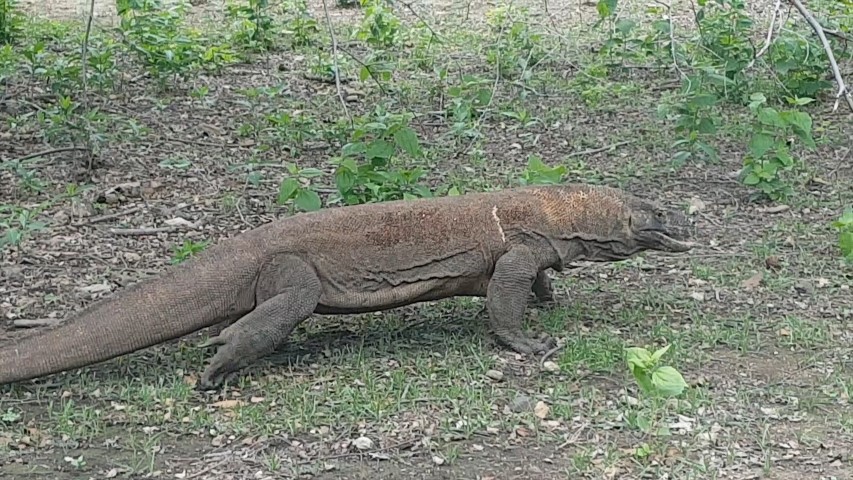
- Komodo Dragon (Varanus komodoensis): World’s largest lizard (up to 3m/150kg), venomous bite, found only in Komodo National Park and Flores. Apex predator scavenging/hunting deer.
- Sumatran Orangutan (Pongo abelii): Critically endangered great ape, 96% human DNA similarity, intelligent tool-users. Best seen in Gunung Leuser National Park (North Sumatra) via ethical treks.

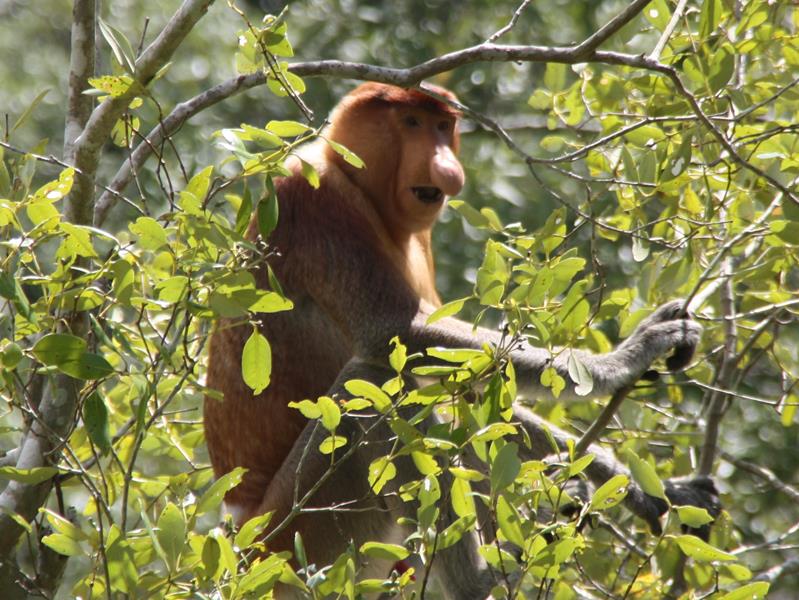
- Proboscis Monkey (Nasalis larvatus): Endemic to Borneo (Indonesian Kalimantan side), males’ large pendulous noses amplify calls; mangrove/swamp dwellers, excellent swimmers.
- Sulawesi Crested Black Macaque (Macaca nigra): Critically endangered primate with punk-like crest and dark face; highly social, found in Tangkoko Reserve (North Sulawesi).
- Anoa (Bubalus depressicornis/quarlesi): Dwarf buffalo endemic to Sulawesi, smallest wild cattle (under 1m tall), shy forest dwellers; both lowland and mountain species critically endangered.
- Bali Starling (Leucopsar rothschildi): Critically endangered snow-white bird with blue eye patches; Bali’s only endemic vertebrate, conservation programs in Bali Barat National Park.
Other notables: Sumatran Tiger (critically endangered, ~400 left), Javan Rhino (fewer than 80, Ujung Kulon), Bornean Elephant, and Maleo bird (Sulawesi’s egg-burying megapode).
Spectacular Marine Life
Indonesia’s waters hold ~20% of global coral reefs and 3,000+ fish species.
Manta Rays in Indonesia
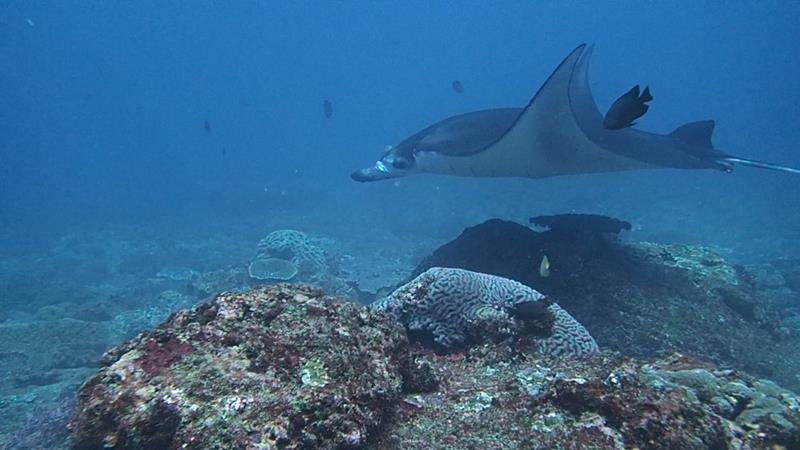
Indonesia is a global hotspot for manta rays, home to both the reef manta ray (Mobula alfredi, up to 5.5m wingspan) and the larger oceanic manta ray (Mobula birostris, up to 7m). These gentle, filter-feeding giants glide gracefully through nutrient-rich waters, often at cleaning stations where smaller fish remove parasites.Best spots include Komodo National Park (year-round, especially Manta Point), Raja Ampat (West Papua, peak sightings in cooler months), and Nusa Penida (near Bali). Protected since 2014, populations are thriving in marine parks, making Indonesia a top destination for ethical snorkeling/diving encounters.
- Green Sea Turtle (Chelonia mydas): Commonly spotted feeding/resting in sites like Bunaken (North Sulawesi) and Gili Islands.
- Whale shark (Rhincodon typus), the world’s largest fish (up to 12m), is a breathtaking highlight in Indonesia. These harmless plankton-feeders offer serene, close-up encounters—often multiple at once—around traditional fishing platforms (bagans) where they feed on baitfish.Top spots: Cenderawasih Bay (West Papua, year-round reliable sightings), Triton Bay (remote, magical interactions), and Saleh Bay (Sumbawa). Best via liveaboard or guided snorkel/dive for ethical viewing.
Essential Information Tourists Should Research
- Visa Requirements: Most tourists (from US, UK, Australia, Canada, EU, etc.) can get a 30-day Visa on Arrival (VOA) or e-VOA online (extendable to 60 days). Passport valid for 6+ months, with blank pages. Some nationalities visa-free; others need advance visa. Bali has a separate tourist levy (~AUD 15) payable online or on arrival.
- Best Time to Visit: Dry season (May-September) for sunny weather, ideal for beaches/diving/hiking. Wet season (October-April) brings rain but fewer crowds and lush greenery; good for Raja Ampat diving.
- Getting Around: Domestic flights (efficient but book early), ferries, scooters (common in Bali/Lombok—get international permit), private drivers, or apps like Gojek/Grab. Roads can be chaotic; traffic heavy in cities.
- Currency: Indonesian Rupiah (IDR). ATMs widespread in tourist areas; cards accepted in cities/hotels, but carry cash for remote spots/markets.
- Language: Bahasa Indonesia official; English common in tourist zones (Bali, Jakarta). Learn basics like “terima kasih” (thank you).
- Health & Vaccinations: Routine vaccines (measles, etc.) up-to-date. Recommended: Hepatitis A/B, Typhoid, Rabies (for animal contact), Japanese Encephalitis (rural/long stays). Malaria risk in remote areas (e.g., Papua)—use antimalarials/insect repellent. Dengue common—avoid mosquito bites. Drink bottled water; watch for “Bali belly.” Travel insurance essential (covers evacuation).
- Safety Tips: Generally safe for tourists, but petty crime (pickpocketing) in crowds. Avoid spiked drinks (methanol cases reported). Terrorism risk low but possible—stay vigilant in crowded/public spots. Natural disasters (volcanoes, earthquakes, tsunamis)—check alerts. Respect local customs (modest dress at temples, no drugs—severe penalties). Road safety poor—use reputable transport.
- Other Practicalities: Power outlets Type C/F (220V). SIM cards cheap for data. Respectful behavior key—Indonesia is majority Muslim, with diverse regions (e.g., conservative Aceh vs. Hindu Bali).
Indonesia offers incredible variety and value—plan based on interests (e.g., adventure vs. relaxation), and you’ll have an unforgettable trip beyond just Bali! If focusing on specific islands or activities, research regional differences. Safe travels!