Oldest Historical Site in Bali – The Belanjong Pillar in Sanur
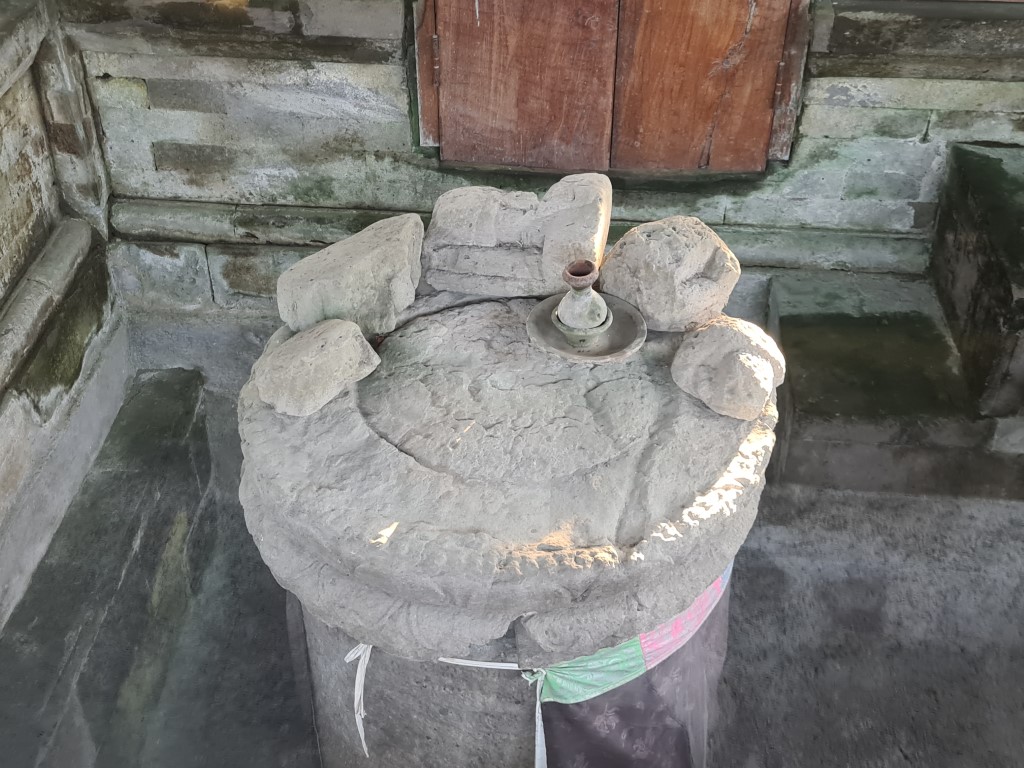
If you’re chasing Bali’s famous beaches, rice terraces, or Instagram temples, you might overlook one of the island’s most profound hidden gems: the Belanjong Pillar (Prasasti Belanjong or Blanjong Inscription). Tucked quietly in southern Sanur, this unassuming stone pillar is Bali’s oldest known historical artifact, dating back to 914 CE — over 1,100 years ago. For history lovers, budding archaeologists, or anyone curious about Bali’s ancient roots beyond the tourist trail, this is a must-visit.
A Pillar That Rewrote Bali’s History
The Belanjong Pillar was erected on February 4, 914 CE (Saka year 835) by Sri Kesari Warmadewa, the first recorded king of Bali’s Warmadewa dynasty. This Sumatran-origin ruler (likely from the Srivijaya influence) used the pillar — a Jaya Stamba or “victory monument” — to boast about his military conquests. The inscriptions (in both Sanskrit using Pranagari/Nagari script and Old Balinese) describe victories over enemies in regions like Gurun and Swal (believed to be Nusa Penida and areas around Ketewel), and mark the first written mention of Bali as “Walidwipa“.
Carved from a single piece of andesite stone, the pillar stands about 177 cm tall (roughly 5.8 ft) with a diameter of around 75 cm. It features a lotus-shaped top, a classic symbol in Hindu-Buddhist art. Sadly, centuries of exposure to tropical weather eroded much of the text, but surviving lines still reveal a powerful story of conquest, kingship, and early connections between Bali, Java, Sumatra, and even the Indian subcontinent.
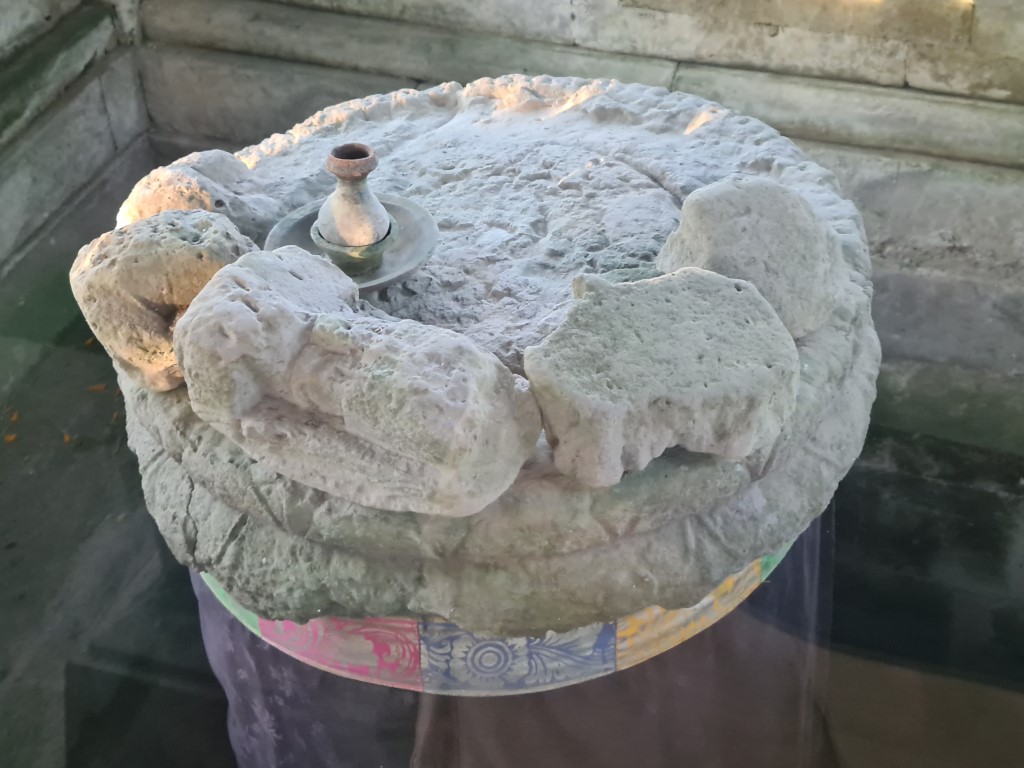
The pillar was rediscovered in 1932 during excavations near the old harbor of Belanjong (an ancient port area). It proved revolutionary for Balinese history — the first tangible evidence of a named Balinese king and organized rule on the island.
Visiting Today: Protected & Revered
The pillar stands in its original location inside Pura Belanjong (Blanjong Temple), a small, active Balinese Hindu temple. It’s housed in a modern glass-enclosed pavilion (rebuilt in recent years) to shield it from rain, salt air, and further wear — a smart upgrade from the open-sided roof I saw back in 2009. The glass walls let you get close for clear photos and reading (what’s left of) the inscriptions.
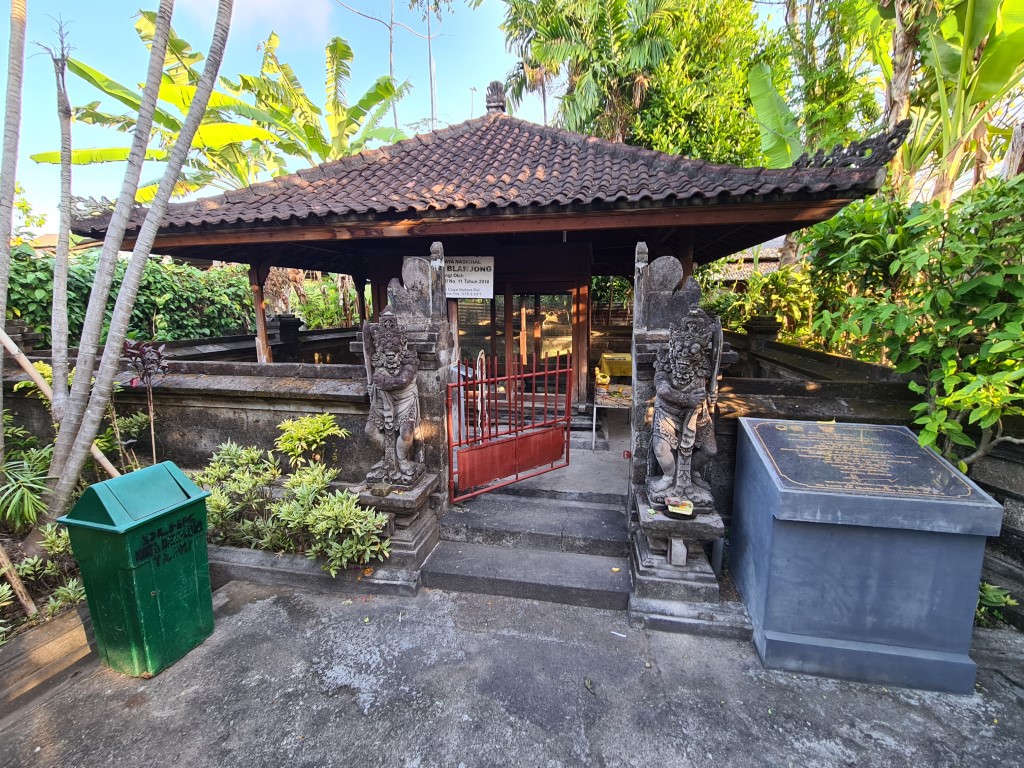
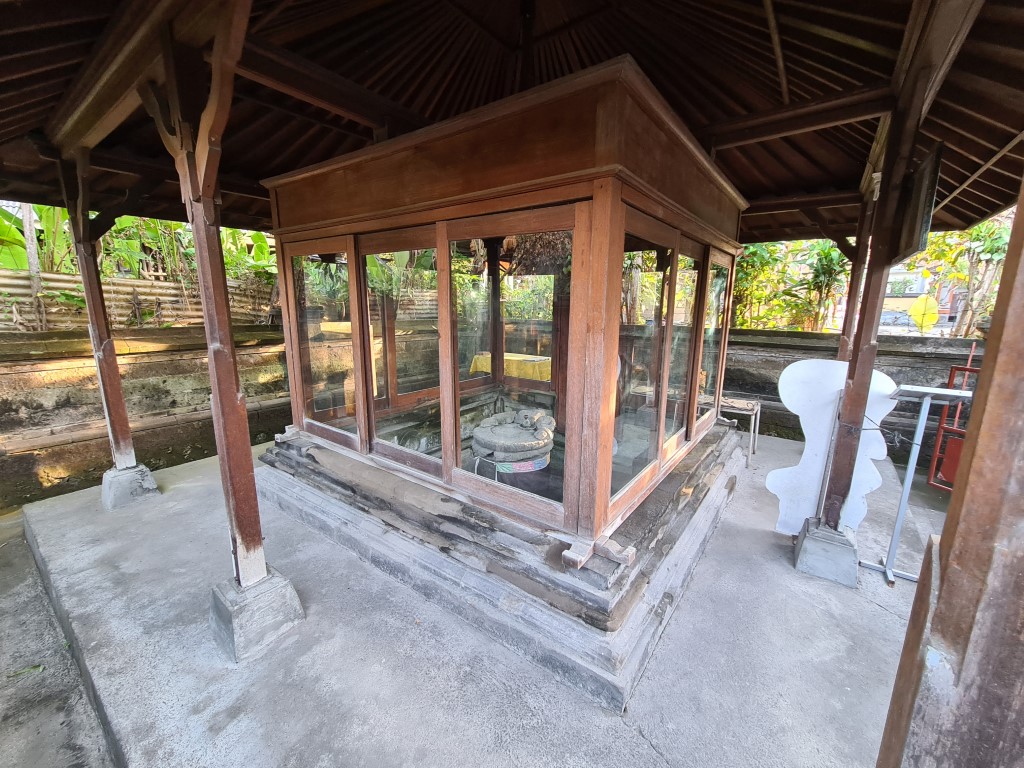
Entry is completely free, though donations to the temple are appreciated. The site feels serene and low-key — no crowds, no hawkers, just quiet reverence. The temple itself is modest but beautiful, with typical Balinese architecture and offerings.
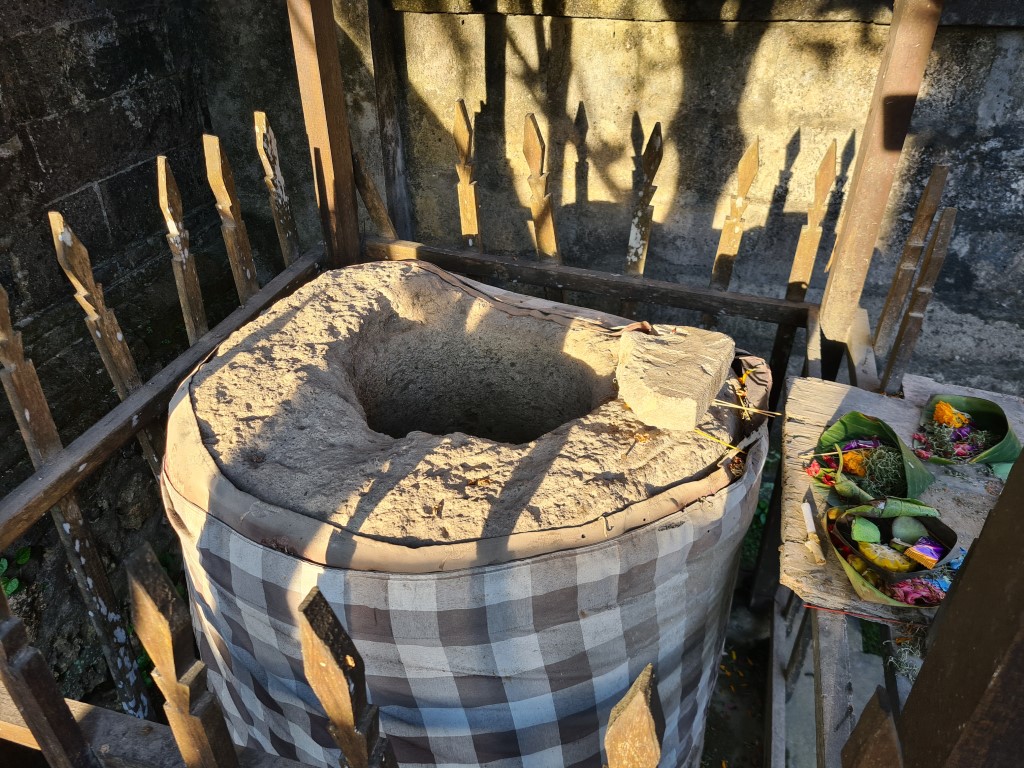
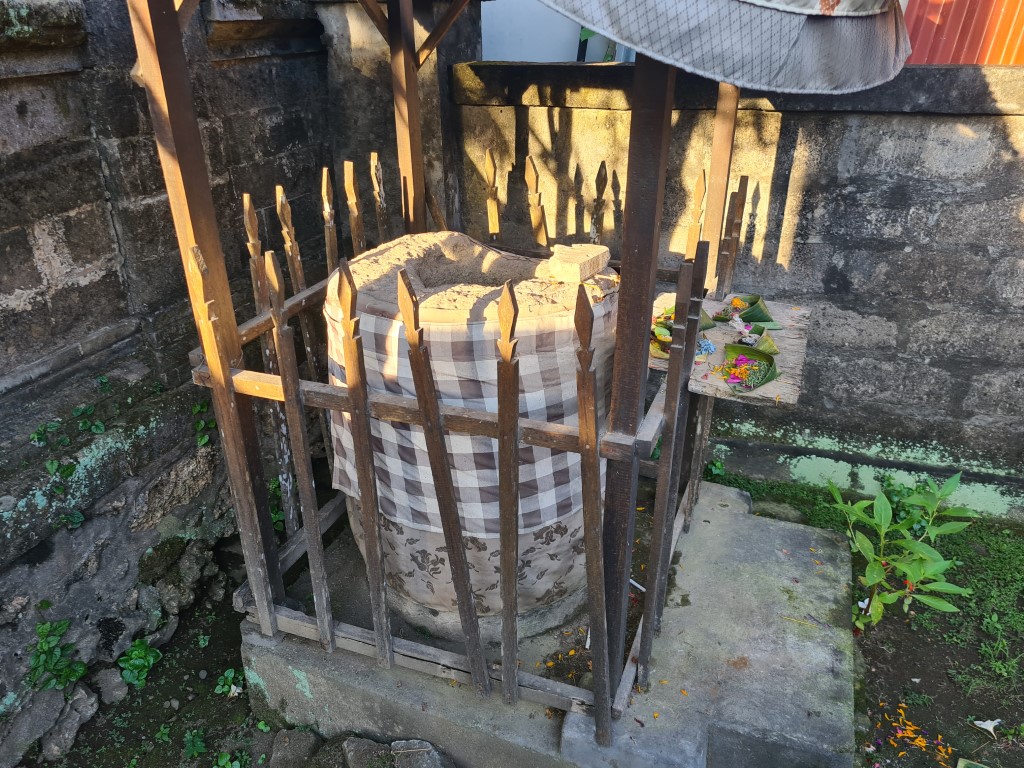
Pro tip: On the temple grounds, you’ll spot another old stone pillar used in ceremonies. While it’s ancient and integrated into rituals, detailed records are scarce — it doesn’t appear in major archaeological sources as a separate prasasti with inscriptions like the Belanjong one. It may be a later lingga/yoni-style stone or ceremonial marker tied to the temple’s Hindu practices, but no confirmed age or inscription details exist in public records (unlike the famous 914 CE one). If more research surfaces, it’s worth an update!
How to Get There (Super Easy from Sanur)
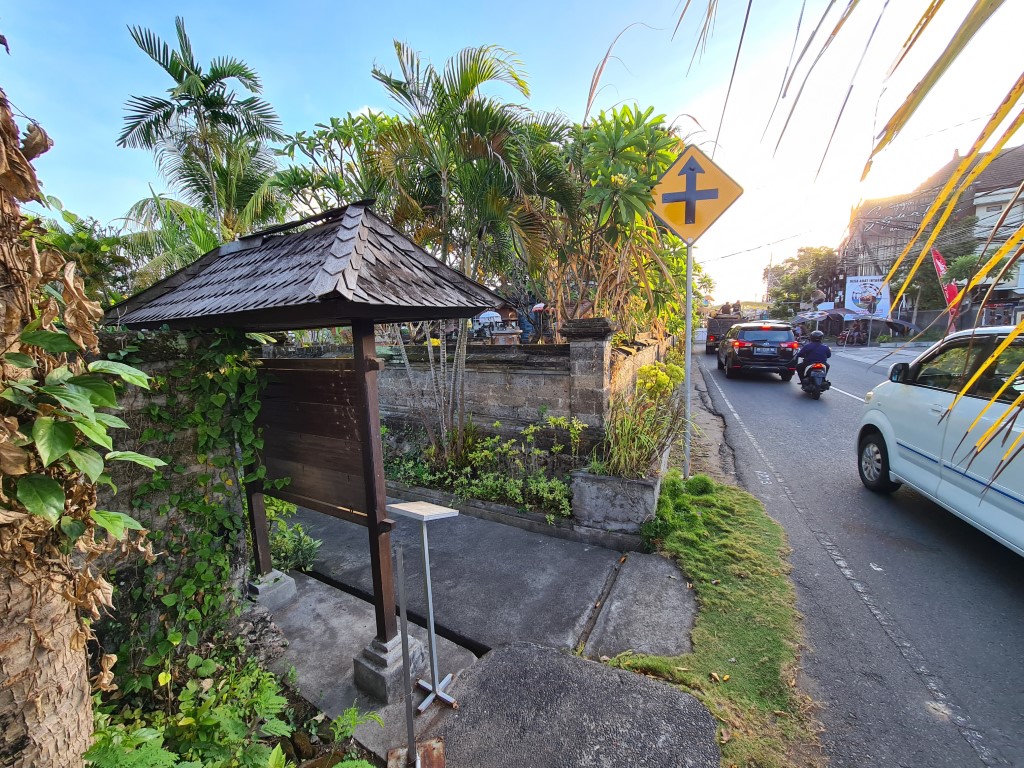
- Location: Southern Sanur, just off Jalan Danau Poso, down a small pathway next to Pura Belanjong.
- Landmark: Directly opposite a Circle K convenience store. If driving toward the Bypass Highway (to the airport), you’ll see only the back of the sign — turn around or approach from central Sanur direction to spot it.
- Access: Walkable from Sanur Beach area (15–25 min stroll), or hop on a scooter/taxi (Grab/GoJek ~20,000–50,000 IDR from central Sanur). Free parking nearby.
- Best Time: Morning for cooler temps and soft light on the stone. Combine with a relaxed Sanur beach day or nearby eateries.

Why It Matters in Modern Bali
In a land of endless temples and volcanoes, the Belanjong Pillar grounds Bali’s story in real, tangible history. It reminds us that this paradise island has layers — from ancient Sumatran conquerors to Hindu-Buddhist kings who shaped what we see today.Not flashy? Maybe. But standing before a stone that’s witnessed over a millennium of sunrises, trade winds, and Balinese life feels quietly profound.Have you visited this quiet piece of history? Drop your thoughts below — or add it to your Sanur itinerary if you’re craving something deeper than the usual Bali vibes. Safe travels!
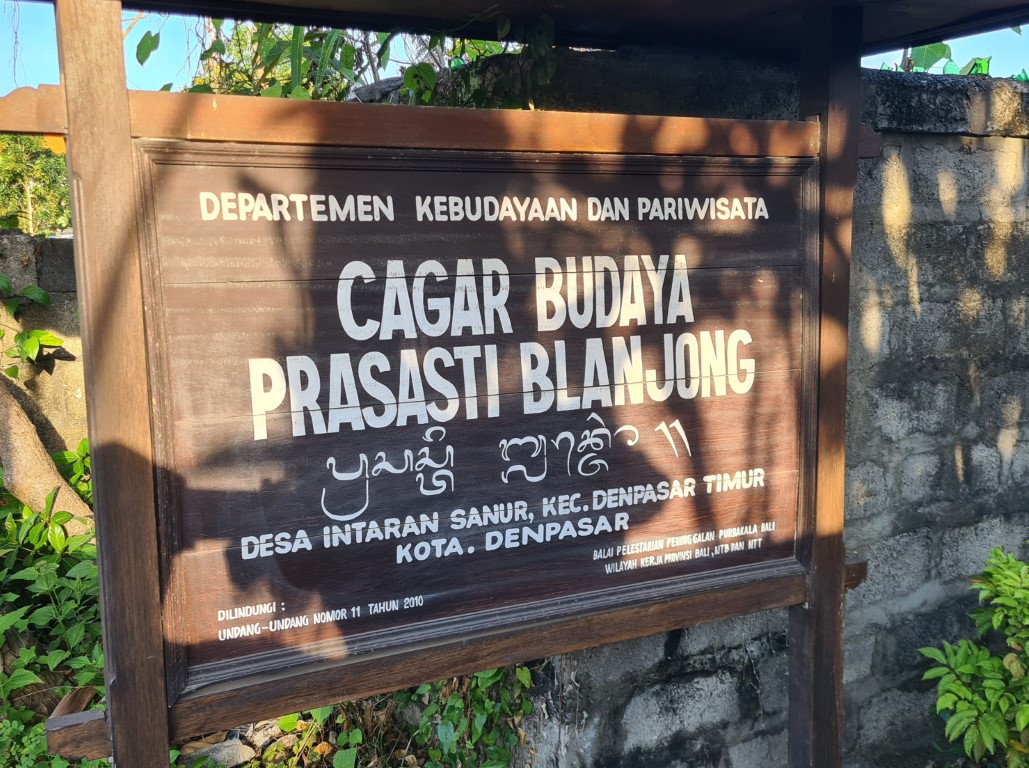
Check out the location of The Belanjong Pillar in the southern section of Sanur

Australian travel blogger and aviation enthusiast based in Sydney, living a relaxed retired life filled with daily flat whites. Passionate about exploring The World's hidden gems TripAtrek travel blog is on a mission: To share these gems with you.