Feature Articles
Here you will find travel related articles to help you find the best places in the world to visit. This page is updated regularly with loads of travel stuff. If you like the articles you read here get onto our mailing list (check the top menu) and we’ll email you once a month with a list of the latest articles.
Latest Feature Articles

October 13, 2026Thailand is famous for its beaches, but a growing number of travellers are discovering that some of its more remote islands also offer surprisingly good conditions for astronomy. Light pollution is the biggest enemy of the night sky, and the country’s most popular islands (Phuket, Koh Samui, Koh Phi Phi) have grown bright enough that the Milky Way is often washed out. Two islands stand out as the best balance of genuine tourist appeal and genuinely dark skies: Koh Lipe in the Andaman Sea and Koh Kood in the Gulf of Thailand.
Both benefit from relative isolation, low population density, and limited large-scale development. On clear, moonless nights you can still see the Milky Way with the naked eye, pick out bright planets, and catch meteor showers under tropical skies. This guide covers how to reach each island, what accommodation typically costs, and what you can expect to see in the night sky over the next 12 months.
Why These Two Islands?
Koh Lipe (Satun Province) is often called the “Maldives of Thailand.” It sits inside Tarutao National Marine Park and has minimal street lighting compared with more developed islands. Quieter beaches such as Sunrise Beach and Sunset Beach give open horizons over the sea. Many visitors report clear views of the Milky Way, especially outside peak holiday weeks.
Koh Kood (Trat Province) is Thailand’s most remote major island, with no road connection to the mainland. It has far less development than Koh Chang or Koh Mak. The luxury resort Soneva Kiri (now operating under related management) has previously been recognised as a NARIT Dark Sky Property, and the island’s general remoteness keeps light pollution low across much of its western coast.
Both islands are best visited during the dry season (roughly November to April), when clear nights are more frequent and humidity is lower. Outside this window, cloud cover and rain make reliable stargazing much harder.
How to Get There
Koh LipeThere is no airport on the island. The most reliable year-round route from Bangkok is:
Fly to Hat Yai (about 1 hour 20 minutes).
Take a minivan or shared transfer to Pak Bara Pier (roughly 2 hours).
Catch a speedboat to Koh Lipe (1.5–2 hours).
Total door-to-door time is typically 6–8 hours if connections align. Book an early flight so you reach Pak Bara in time for the afternoon boat. Combined van-and-boat tickets are widely available.
From Phuket, direct or island-hopping speedboats run in high season (November–April) and take about 5–7 hours. From Langkawi (Malaysia) there is a short international ferry in high season.
Koh KoodThe standard route from Bangkok is:
Combined minivan or bus + ferry (7–9 hours total, roughly 900–1,500 THB). Operators such as Boonsiri and Koh Kood Express run these packages from Khao San Road or Suvarnabhumi Airport to Laem Sok Pier, then a 60–90 minute boat to the island.
Faster option: Fly Bangkok Airways to Trat Airport (about 1 hour), transfer to Laem Sok Pier (30–45 minutes), then ferry (total 4–6 hours).
There is no car ferry; all arrivals are by passenger boat. Private transfers from Bangkok are also available for groups.
Average Cost of Accommodation
Prices vary sharply by season (highest December–February) and location.
Koh Lipe (approximate 2026 rates)
Budget dorm or basic fan room: 600–1,500 THB per night
Mid-range air-conditioned bungalow or guesthouse: 2,200–4,500 THB
Beachfront or higher-end resort: 4,500–10,000+ THB
Koh Kood
Simple guesthouse or basic bungalow: 800–2,000 THB
Comfortable mid-range resort: 2,000–6,000 THB
Luxury (including former Soneva Kiri properties or similar villas): 10,000–30,000+ THB per night
Both islands are more expensive than mainland Thailand because almost everything arrives by boat. Booking ahead is essential in high season. Quieter beaches generally offer darker skies than the main strips.
What You Can See Over the Next 12 Months
From roughly 6–10° North latitude, both islands give excellent views of the southern Milky Way and many northern constellations as well. The galactic centre is well placed in the evening during the northern winter and early spring months.
Full moons to avoid
The Moon is the single biggest factor in sky quality. Avoid the few nights around full moon for deep-sky work. Approximate full moons over the coming year include:
26 October 2026
24 November 2026 (supermoon)
24 December 2026 (supermoon)
22 January 2027
20 February 2027
22 March 2027
20 April 2027
20 May 2027
19 June 2027
18 July 2027
17 August 2027
15 September 2027
15 October 2027
Plan major observing sessions for the week either side of new moon.
Planets
As of late 2026, Saturn is near opposition (closest and brightest for the year around early October) and is visible for much of the night. It remains well placed through the rest of 2026. Jupiter is a bright morning object and will improve as the year progresses. Mars and Venus appear at various times; Mercury is best caught in the evening sky from southern latitudes around periods of greatest elongation. Uranus and Neptune require binoculars or a small telescope. Check a planetarium app for exact rise/set times on your travel dates, as they change monthly.
Meteor showers
Thailand’s NARIT and international calendars highlight several showers visible under dark skies. Notable peaks in the coming year include:
Orionids (21–22 October 2026) – around 20 meteors per hour, some interference from the Moon
Perseids (12–13 August 2027) – potentially 50–100 per hour under ideal conditions, often coinciding with new moon
Geminids (mid-December) – one of the strongest showers of the year
Leonids and Taurids (November) – lower rates but known for bright fireballs
Rates depend on sky darkness and radiant height. The islands’ open horizons help.
Milky Way, galaxies and other highlights
On moonless nights the Milky Way is visible as a bright band, especially the dense core when it is high (best evening views roughly December–April). From these latitudes you can also see:
The Southern Cross and neighbouring southern constellations (lower in the sky but visible)
Omega Centauri and 47 Tucanae (impressive globular clusters with binoculars or a small telescope)
Andromeda Galaxy (M31) as a faint smudge to the naked eye under good conditions
Orion Nebula, Pleiades, and other bright clusters
A small telescope or good binoculars significantly increases what you can see. Many mid-range and luxury resorts on both islands can help arrange viewing or simply switch off exterior lights on request.
Practical Tips
Choose accommodation on the quieter ends of either island. Bring a red-light flashlight to preserve night vision. Apps such as Stellarium or SkySafari are useful for identifying objects. Weather remains the biggest variable—check forecasts and be flexible. Both islands also offer excellent daytime activities (snorkelling, beaches, waterfalls on Koh Kood), so even cloudy nights are not wasted.
Koh Lipe and Koh Kood are not as dark as high-altitude sites in northern Thailand or certified dark-sky reserves elsewhere in Asia, but they are among the best options if you want tropical island scenery combined with a real chance of seeing the Milky Way and the planets. Book for a new-moon window in the dry season, stay away from the brightest parts of the islands, and you will be rewarded with some of Thailand’s finest island night skies. [...]
Read more...
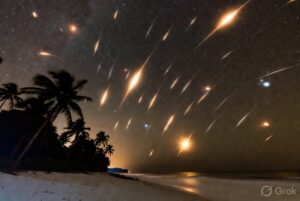
July 26, 2026From Koh Samui (about 9.5°N, 100°E), August 2026 offers strong naked-eye views of the Perseid meteor shower under ideal dark skies, bright planets (especially Venus and Saturn), the Summer Triangle and southern Milky Way core, plus routine Moon phases and stars—weather permitting. No telescope is needed for any of these. The island’s low latitude favors southern sky objects; light pollution varies (better from beaches or quieter inland spots away from towns). Note that August falls in Thailand’s rainy/monsoon season, so clear nights are not guaranteed.
Perseid Meteor Shower (highlight of the month)
Peak: nights of August 12–13, 2026 (predicted maximum around 14:53 UTC on the 13th). Active from mid-July into late August.
Excellent conditions: New Moon on August 12 means essentially moonless dark skies.
Expect dozens of meteors per hour (potentially 50–100 under truly dark skies), including bright fast ones that often leave persistent trains. They radiate from Perseus (northeast after midnight) but can appear anywhere.
Best viewing: after midnight until dawn, lying back and looking generally upward/northeast. From ~9.5°N the radiant is lower than at higher northern latitudes but still fully usable; rates remain good. Early Perseids and leftover Southern Delta Aquariids/Alpha Capricornids may appear in early August. earthsky.org
Planets Visible from Koh Samui in August 2026
Venus (Evening Star): Brilliant in the western sky after sunset throughout August. It reaches greatest eastern elongation around August 14–15 (about 46° from the Sun, magnitude roughly –4.3 to –4.4). It is the brightest “star-like” object after the Moon and remains easily visible even in modest twilight. A crescent Moon pairs with it around August 15–16. earthsky.org
Saturn: Visible in the evening/morning sky (Pisces/Cetus region), rising earlier as the month progresses (around late evening early in the month, earlier by late August). Steady yellowish light, magnitude ~0.5–0.6; easy naked-eye target. Moon nearby early and late in the month.
Mars: Morning sky (orange-ish), improving and brightening gradually.
Mercury: Best in the morning sky early in the month (greatest western elongation around August 2); low but possible with a clear eastern horizon.
Jupiter: Emerging into the morning sky mid-to-late month, still low and challenging early on; closer approaches or pairings with Mercury around the 15th.
Around August 12 there is a morning planetary lineup (Jupiter, Mercury, Mars, Saturn, plus fainter Uranus/Neptune). Naked-eye standouts are mainly Mars and Saturn; Mercury and especially Jupiter are low in dawn twilight. starwalk.space
Moon and related
New Moon: August 12 (dark skies for Perseids and Milky Way).
First Quarter: around August 19–20.
Full Moon: August 28 (Sturgeon Moon).
Last Quarter: early August (around the 5–6).
Crescent Moon pairings with Venus (mid-month) and other planets (early/late). No significant solar or lunar eclipse is visible from Thailand/SE Asia (the August 12 total solar eclipse is confined to parts of Europe/Atlantic/Arctic; the deep partial lunar eclipse of August 27–28 is not visible as the Moon is below the horizon). moongiant.com
Stars, constellations, and Milky Way
Summer Triangle (Vega in Lyra, Deneb in Cygnus, Altair in Aquila) is high and prominent after dark.
Southern sky is excellent: Scorpius (with red Antares) and Sagittarius (Teapot asterism) ride high. The bright core of the Milky Way is well placed in the south/southeast in the evening—especially around the New Moon window—appearing as a rich, hazy band under dark skies. This is one of the better times of year for the galactic center from tropical latitudes.
Other bright stars and familiar patterns are readily visible on clear nights.
Other notes
Comet 10P/Tempel reaches perihelion/closest approach around August 2–3 but is expected only around magnitude 8–10 (binocular/telescope object at best, not reliable naked-eye).
No major unexpected naked-eye events (bright comets, etc.) are predicted as of available forecasts.
Practical tips: Seek darker sites away from town lights; allow 20–30 minutes for dark adaptation; check local weather and sunrise/sunset (roughly 06:00–18:40 local time, UTC+7). Apps or planetarium software can refine exact positions/times for your exact spot.
Overall, the standout combination is the moonless Perseids plus Venus and the southern Milky Way. Clear evenings or pre-dawn hours will deliver the best views.
Also check out:
Best Indian Restaurants in Koh Samui
Top 20 Rated Restaurants in Chaweng Beach
Best Breakfast Spots in Chaweng Beach
Best Japanese Restaurants in Koh Samui [...]
Read more...
March 12, 2026Traveling to Bangkok means dealing with currency exchange, and savvy travelers know that a few extra minutes of “rate shopping” can save you real money—especially when you’re exchanging larger amounts for your trip. As an Australian traveler staying in the upscale Soi 24 Phrom Phong neighborhood along Sukhumvit Road, I learned this lesson firsthand during my recent visit.
Phrom Phong is a fantastic base: it’s just steps from the luxury EmDistrict malls (Emporium, EmQuartier, and EmSphere), Benchasiri Park, and the sleek BTS Skytrain. The area feels more residential and expat-friendly than the hectic Nana stretch further down Sukhumvit, which often means better deals away from peak tourist crowds.
My Real-Life Rate Hunt on Soi 24
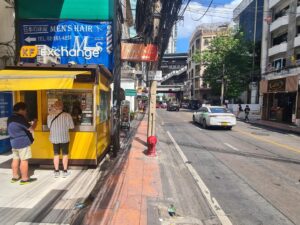
One afternoon, I needed to exchange some AUD for THB. The official mid-market rate that day hovered around 22.48 THB per AUD (rates fluctuate, but recently AUD/THB has been in the 22.5–22.8 range).First stop: the money changer right out front of the Sky View Hotel on Soi 24. Their board showed 21.70 THB per AUD—a noticeable gap from the mid-market.Not convinced, I walked just 20 meters further down the soi to KF Exchange, tucked right next to the popular Chita Yukata Tei Ramen Restaurant (a great spot for a post-exchange bowl of tonkotsu ramen, by the way). Their rate? 22.10 THB per AUD—much closer to the real value.
I handed over A$200 on the spot. The difference between the two spots? About 80 THB more from KF Exchange—equivalent to over A$3.60 saved in just one small transaction. Scale that up: exchanging A$1,000 over the course of a holiday could net you an extra 400 THB (around A$18), enough for a nice street-food feast or a couple of Grab rides.
Foreign money exchange on Soi 24 Sukhumvit near Phrom Phong BTS for competitive THB rates
Comparison to Nana Area (Lower Sukhumvit)
A few days earlier, I’d tested rates in the busier Nana tourist zone on Sukhumvit. Exchanges there offered 21.55–21.60 THB per AUD when the mid-market was around 22.40—worse spreads overall. The takeaway? Quieter side sois like 24 in Phrom Phong often deliver better value than the high-traffic tourist hubs, where shops cater more to convenience than competition.
Why KF Exchange Stands Out
Location: About 70 meters down Soi 24 from the Sukhumvit Road corner—super easy to reach.
Directions from BTS: Exit 2 at Phrom Phong BTS Station, turn right into Soi 24, and walk straight. You’ll spot it quickly near the ramen place.
Reputation: It holds a solid 4.6/5 rating on Google Maps, backed by plenty of positive traveler reviews praising fair rates and friendly service.
Requirements: Bring your passport—standard for most legitimate exchanges in Thailand (they may ask for it on larger amounts).
Pro Tips for Exchanging Money in Bangkok
Always compare 2–3 spots; rates can vary by 0.4–0.8 THB even short distances apart.
Avoid airports, hotels, and malls for big exchanges—they often have the widest spreads.
Popular chains like SuperRich (orange or green branches), Vasu, or Value Plus (sometimes in EmQuartier) are reliable citywide for top rates, but local gems like KF Exchange shine in specific neighborhoods.
Check daily mid-market rates via apps like XE or Wise for a benchmark.
For smaller amounts, ATMs work fine (watch for fees), but cash exchanges beat them for larger sums when rates are competitive.
Next time you’re in Phrom Phong—whether shopping at Emporium, relaxing in Benchasiri Park, or grabbing ramen—pop into KF Exchange for that little edge. A short stroll and a passport check can turn into meaningful savings, leaving more baht in your pocket for pad thai, temples, or tropical adventures.
Safe travels, and happy rate hunting!
See the location of KF Money Exchange Kiosk on Soi 24 Sukhumvit Bangkok [...]
Read more...
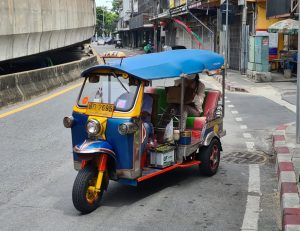
March 9, 2026If Bangkok had an official soundtrack, it would be the unmistakable tuk-tuk-tuk of its namesake three-wheeled taxis zipping through traffic. Love them or find them chaotic, riding a tuk-tuk is one of the most iconic, exhilarating, and quintessentially Bangkok experiences you can have. Whether you’re racing through neon-lit alleys or cruising past golden temples, here’s everything you need to know to ride like a local (without getting ripped off).
Why Tuk-Tuks Are Still Worth It in 2026
Despite the rise of Grab, Bolt, and the BTS Skytrain, tuk-tuks refuse to fade away. They remain the fastest way to weave through Bangkok’s legendary traffic jams, especially in Sukhumvit, Silom, Chinatown, and along smaller sois where bigger vehicles can’t go. They’re cheap (when you negotiate properly), open-air, and deliver a pure hit of Bangkok energy: wind in your face, street food smells, horns blaring, and that unmistakable two-stroke engine chatter.A standard tuk-tuk comfortably seats two adults (three if you’re willing to squeeze and don’t mind getting cozy). Most rides are short hops of 5–15 minutes.
Classic Bangkok tuk-tuk: Fast, fun three-wheeled transport through the city streets
How Much Should You Really Pay for a Tuk-tuk ride?
Tuk-tuk drivers quote tourists higher prices—sometimes 3–5× what locals pay. Here’s the realistic 2026 range:
Short ride (under 5 minutes, e.g., Khao San to nearby street food): 50–80 THB (≈ A$2–3.50)
Medium ride (10–15 minutes, e.g., across the city): 100–150 THB (≈ A$4–6.50)
Half-day temple tour (3–4 hours, multiple stops): 300–500 THB (≈ A$13–22), usually including waiting time
Starting quotes often begin at 200–300 THB even for short rides. Don’t accept the first offer. Politely counter with 50–70% of their ask (e.g., if they say 200, offer 100). If they refuse, smile, say “mai dai” (can’t), and walk away. Another tuk-tuk will pull up within seconds.Pro tip: Always agree on the price before you get in. Never say “meter” — tuk-tuks in Bangkok don’t use meters.
The Classic Tuk-Tuk Scam (and How to Avoid It)
Many drivers will happily take you to your destination… but only after stopping at a “friend’s” tailor, gem shop, or massage parlor. They earn commission if you buy anything (even if you just “look”). How to shut it down politely:
“No shopping, only temples/food/hotel. OK?”
If they insist: “Mai ao, mai dai krap/ka” (No thanks, can’t).
Worst case: get out and flag another tuk-tuk.
Most drivers are honest if you’re firm and clear from the start.
Electric Tuk-Tuks: The Modern, No-Haggle Option (MuvMi)
Since 2023, MuvMi has rolled out a growing fleet of quiet, zero-emission electric tuk-tuks across central Bangkok. They’re clean, comfortable, and best of all: fixed prices shown in the app — no bargaining required.
Western tourists enjoying a MuvMi electric tuk-tuk tour in Bangkok – clean, quiet transport
How it works: Download the MuvMi app (iOS & Android), book your ride, see the price upfront, and track the tuk-tuk in real time.
Price range: Similar to traditional tuk-tuks (50–150 THB for short rides), sometimes slightly higher but worth it for transparency and comfort.
Best for: First-timers, families, or anyone who hates haggling.
Availability: Strongest in tourist areas (Siam, Sukhumvit, Old City, Riverside). Wait times are 5–15 minutes.
Check MuvMi website or search “MuvMi Bangkok” in your app store.
Pro Tips for an Epic Tuk-Tuk Ride
Go at night — neon lights, cooler air, and fewer traffic jams make it magical.
Choose pimped-out ones — some drivers deck out their tuk-tuks with LED strips, disco lights, and booming speakers playing EDM or Thai pop. Pure Bangkok chaos (in the best way).
Safety first — hold on tight, keep bags close, and avoid super-high speeds if it feels unsafe.
Combine with other transport — Use BTS/MRT for long distances, tuk-tuks for last-mile fun.
Custom neon-lit tuk-tuk cruising Sukhumvit Road in Bangkok nightlife
Final Verdict: Should You Ride a Tuk-Tuk in Bangkok?
Yes — at least once. It’s noisy, bumpy, slightly terrifying, and completely unforgettable. For short, fun hops around Sukhumvit, Silom, Chinatown, or Khao San Road, nothing beats the thrill of a tuk-tuk tearing through Bangkok’s streets.
Prefer predictability? Book MuvMi. Want the full retro Bangkok experience? Flag down a classic one, negotiate with confidence, and enjoy the ride.Tuk-tuks aren’t just transport — they’re Bangkok in motion. Once you’ve heard that tuk-tuk-tuk with the wind rushing past and city lights flashing by, you’ll understand why they’re still the city’s heartbeat.
Have you ridden a tuk-tuk in Bangkok? Wildest story wins. Drop it below! [...]
Read more...
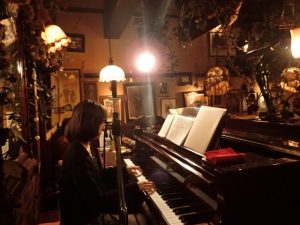
March 8, 2026Nestled just a two-minute walk from the west exit of Shinjuku Station, Vagabond Bar feels like a secret you’ve stumbled upon in one of Tokyo’s busiest neighborhoods. Since opening its doors in 1976, this intimate piano jazz bar has remained in the exact same location, quietly defying the relentless redevelopment that has transformed much of Shinjuku around it. Step inside, and you’re instantly transported to a world of warm lighting, eclectic decor, and the unmistakable sound of live piano jazz floating through the air.
A Living Time Capsule with Soul
Vagabond is small—deliberately so. The upstairs piano bar seats only a handful of people around the grand piano at the far end. The walls are a curated chaos of vintage posters, paintings, photographs, and quirky lamps that look like they’ve been collected over decades. Every corner tells a story, and the overall effect is cozy, slightly eccentric, and completely addictive.
Live jazz pianist at Vagabond Bar Shinjuku: classic Tokyo piano bar atmosphere
Live music happens every single night. The pianist moves effortlessly between cool jazz standards, bossa nova, classic pop arrangements, and the occasional Japanese enka melody. There’s no stage, no spotlight; the piano is simply part of the room, making the experience feel intimate rather than performative.I
f the upstairs seats are full (which they often are on Thursday, Friday, and Saturday nights), don’t worry. There’s a small downstairs bar where you can still hear the music clearly while enjoying your drink. Many regulars say the downstairs section has its own charm—quieter, more casual, perfect for solo travelers or those who want to listen without feeling like they’re on display.
Entrance to Vagabond Bar Shinjuku: Historic piano jazz spot just minutes from Shinjuku Station
The Drinks & Bites
Vagabond offers a full bar: crisp draft beers, a solid selection of wines, classic cocktails, and a wide range of whiskies and spirits. Prices are reasonable for central Shinjuku—expect ¥800–¥1,200 for most drinks, with a modest table charge (around ¥500–¥800) that includes a small snack.
Food is classic bar fare. Hot and cold snacks ranging from simple cheese plates and olives to more substantial options like grilled sausages, croquettes, and seasonal small plates. Nothing fancy, but everything pairs perfectly with the music and the mood.
Practical Tips for Visiting Vagabond
Location: 2 minutes west of Shinjuku Station (near the Odakyu Line exit). Look for the small sign—it’s easy to miss if you’re not paying attention.
Best time: Arrive early (before 8 pm) on weekends if you want a seat upstairs. Weeknights are more relaxed and easier to get a good spot.
Dress: Casual is fine. This is a neighborhood bar, not a high-end lounge.
Budget: ¥3,000–¥5,000 per person for a couple of drinks and snacks (including table charge).
Vibe: Perfect for solo travelers, couples, or small groups who want live music without the noise and crowds of bigger venues.
Why Vagabond Still Matters in 2026
In a city that reinvents itself constantly, Vagabond is a rare survivor—a place that hasn’t changed its soul in nearly 50 years. It offers something increasingly hard to find in modern Tokyo: unpretentious live jazz, warm lighting, good drinks, and the feeling that you’ve stepped into a hidden pocket of the city that still belongs to the 20th century.
If you’re in Shinjuku and craving an authentic, low-key Tokyo night out with real piano jazz, Vagabond isn’t just recommended—it’s essential.
Vagabond BarAddress: 1-2-15 Nishi-Shinjuku, Shinjuku-ku, TokyoHours: Usually 6 pm – late (check current schedule)Nearest station: Shinjuku (west exit)
Have you been to Vagabond? Or do you have a favorite hidden jazz spot in Tokyo? Drop a comment—I’m always looking for more places like this.
Check out the location of Vagabond Bar in Shinjuku [...]
Read more...
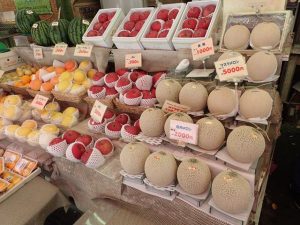
March 5, 2026Why Melons Cost More Than Your Dinner (And What to Actually Buy)
Tokyo has a reputation for eye-watering prices on everyday items, but nothing prepares first-time visitors for the fruit section. Walk into any high-end department store basement food hall (depachika) or pass a small specialty fruit vendor on the street, and you’ll see prices that make your brain short-circuit:
A single “perfect” cantaloupe or rockmelon: ¥5,000–¥10,000+ (~US$33–66 / AUD$50–100)
A large, flawless watermelon: ¥3,000–¥8,000 (~US$20–53 / AUD$30–80)
A small bunch of premium grapes: ¥2,000–¥6,000 (~US$13–40 / AUD$20–60)
One single large, gift-grade apple: ¥300–¥1,000 (~US$2–6.50 / AUD$3–10)
At first glance, it looks like daylight robbery. But these aren’t “normal” fruit prices — they’re gift fruit prices, and understanding the difference changes everything.The Two Worlds of Japanese Fruit
Tokyo’s infamous expensive gift fruit stall – boutique Yubari King cantaloupe, flawless apples and premium grapes sold as luxury presents in Japan.
Gift Fruit (the crazy expensive stuff)The melons, apples, grapes and strawberries you see on velvet trays under perfect lighting are grown on boutique farms with obsessive care. Farmers:Thin the vines so each fruit gets maximum nutrientsHand-massage melons for even shapeWrap individual fruits in protective paddingTest soil moisture, sugar content, and temperature dailyPick at the exact peak of ripenessThese are not sold to eat — they’re sold to give. In Japan, presenting a flawless melon, a perfect bunch of Yubari King rock melon or Ruby Roman grapes is a high-status gift, especially when visiting someone in hospital, for a housewarming, or as a thank-you. The price reflects the labour, rarity and cultural value, not just the fruit itself.Exchange rates (March 2025 approx.):
¥5,000 = ~US$33 / AUD$50
¥10,000 = ~US$66 / AUD$100
Everyday Fruit (what locals actually buy)Head to a regular supermarket (Aeon, Ito-Yokado, Life, Seiyu) or the fruit section of a big department store’s lower floors, and prices drop dramatically:Normal cantaloupe or rockmelon: ¥300–¥800 (~US$2–5 / AUD$3–8)Regular watermelon: ¥400–¥1,200 (~US$2.60–8 / AUD$4–12)Bunch of grapes: ¥400–¥1,000 (~US$2.60–6.50 / AUD$4–10)Apples: ¥100–¥200 each (~US$0.65–1.30 / AUD$1–2)These are mass-produced, perfectly good fruit — just not grown with the same obsessive pampering.
Why Is Fruit So Expensive in Japan Anyway?
Only ~12% of Japan’s land is arable (mountainous terrain + urban sprawl).
High labour costs and strict quality standards.
Very limited imports (tariffs + quarantine rules protect local farmers).
Cultural premium on perfect presentation and gift-giving.
Practical Tips for Visitors
Want to try luxury fruit? Buy one small item as a souvenir or treat (a single perfect strawberry or peach is fun to try).
Want affordable fruit? Supermarkets, convenience stores (7-Eleven, FamilyMart, Lawson) and fruit stalls in train stations sell normal prices.
Best value: Seasonal fruit (strawberries in spring, peaches in summer, apples in autumn, mikan oranges in winter) are cheaper and tastier when in season.
Pro move: Department store depachika basements often have discounted “end-of-day” fruit trays in the evening — still high quality, much lower price.
Tokyo fruit prices are shocking at first — but once you understand the gift vs everyday divide, it becomes fascinating rather than infuriating. So next time you see a ¥10,000 melon, smile, take a photo, and head to the supermarket for a ¥500 one instead. You’ll get the taste without the bankruptcy.
Have you ever splurged on Japanese gift fruit? Or do you stick to supermarket bargains? Drop your stories below! [...]
Read more...

March 4, 2026Tucked right on Sukhumvit Road in the Asoke area of Bangkok, Korea Town (officially Sukhumvit Plaza) is a compact, multi-level shopping plaza that feels like a mini slice of Seoul transported into Thailand. Often called Little Korea or Korea Town Bangkok, this unassuming building has become the go-to spot for authentic Korean food, groceries, cosmetics, and K-beauty products in the city.It’s not a sprawling district like Myeongdong or Hongdae — it’s literally one plaza — but it punches way above its size. If you’re craving Korean BBQ, fried chicken, stews, or just want to stock up on ramyeon, gochujang, and sheet masks, Korea Town delivers the real deal without leaving central Bangkok.
Little Korea Town in Bangkok’s Sukhumvit area in October 2024 – Sukhumvit Plaza filled with authentic Korean restaurants, street food, cosmetics and grocery stores.
What Makes Korea Town Special
This small plaza has evolved into Bangkok’s unofficial Korean hub over the last decade. You’ll find:
Over 18 Korean restaurants packed into the levels — mostly focused on authentic home-style and BBQ cooking.
Korean grocery stores selling ramyeon, kimchi, snacks, instant coffee, gochujang, doenjang, and frozen Korean dumplings.
K-beauty shops with Innisfree, Laneige, The Face Shop, Etude House, Nature Republic, and more.
Korean BBQ joints with tabletop grills (gas or charcoal), open late (some until midnight or 1 AM).
Korea Town Bangkok August 2022
The vibe is casual and local — lots of Korean expats, students, office workers, and tourists who know where to find the good stuff.
Top Restaurants to Try
Doorae Korean BBQ Restaurant in Korea Town Bangkok
Doorae Korean BBQ RestaurantOne of the most popular and consistently praised Korean BBQ spots in Bangkok. Tabletop gas grills, huge selection of marinated meats (pork belly, beef short rib, chicken), seafood, mushrooms, and banchan (side dishes). Open daily 11 AM–10 PM. Great for groups.
Jang Won Korean RestaurantAnother heavyweight BBQ spot with a massive menu — pork, beef, seafood, stews, and classic Korean dishes. Tabletop gas grills, generous portions, and open late (9:30 AM–11:30 PM). Check their Facebook for daily specials.
Myeong Don Korean BBQ RestaurantMore tabletop Korean BBQ goodness — pork, beef, seafood, veggies. A solid mid-range option with consistent quality.
NaDo Korean Charcoal BBQ Restaurant (by Jang Won)Smaller spot near the front entrance, but uses charcoal grills for that authentic smoky flavor. Pork, beef, seafood, and veggies — perfect if you prefer charcoal over gas.
Jang Won Korean Restaurant in Korea Town Bangkok
Other popular dishes you’ll find across the plaza:
Korean Fried Chicken at Korea Town Bangkok
Korean fried chicken (yangnyeom & gangjeong styles)
Kimchi jjigae (kimchi stew)
Tteokbokki
Bibimbap
Samgyeopsal (pork belly BBQ)
Jjajangmyeon (black bean noodles)
Korean BBQ in Korean Town Bangkok
Practical Tips
Opening hours: Most restaurants 11 AM–midnight (some later). Grocery/cosmetic shops usually close earlier (around 10 PM).
Price range: BBQ sets ~฿400–฿800 per person (depending on meat quality). Street-food style dishes cheaper.
Best time: Dinner or late-night (after 8 PM) — it gets lively with Korean expats and tourists.
Payment: Cash preferred in some spots; cards accepted in most.
Crowd: Busy on weekends and evenings, but the plaza is small so it feels cozy rather than packed.
Why Go?
If you love Korean food and culture, Korea Town Bangkok is the closest thing to a mini Seoul food street in the city. It’s authentic, affordable, and super convenient — no need to travel far from central Sukhumvit. Whether you’re craving smoky BBQ, spicy stews, or just want to stock up on Korean snacks and beauty products, this little plaza delivers.
Location & Getting There
Address: Sukhumvit Road, between Soi 12 and Soi 14 (diagonally across from the Sofitel Bangkok Sukhumvit).
Closest stations:
Asok BTS (2 min walk) or Nana BTS (4 min walk)
Sukhumvit MRT (3–5 min walk)
It sits roughly halfway between Nana BTS (more nightlife-focused) and Asok BTS (Terminal 21 mall area), making it super convenient no matter where you’re staying in Sukhumvit.
Nearby hotels within easy walking distance:
Sofitel Bangkok Sukhumvit
The Westin Grande Sukhumvit
Hyatt Regency Bangkok Sukhumvit
Four Points by Sheraton Bangkok Sukhumvit 15
Pro tip: Come hungry, bring friends, and go straight to Doorae or Jang Won for the best experience.
Myeong Don Korean BBQ Restaurant in Korea Town Bangkok
Nado Korean BBQ Restaurant Bangkok
Check out the location of Korean Town on Sukhumvit Road Bangkok [...]
Read more...

March 1, 2026Nyepi is Bali’s annual “Day of Silence,” a sacred Hindu holiday that brings the entire island to a complete standstill for 24 hours. It usually falls in March or April (based on the Balinese lunar calendar) and is the highlight of the Balinese New Year (Saka New Year). On Nyepi day:
No one is allowed to work, travel, light fires, use electricity, or make noise.
All lights are turned off, airports close, no flights in/out of Bali, streets are empty, shops/restaurants/hotels are shut (except for essential services).
People stay indoors, fast or eat minimally, and reflect/meditate in quiet.
The day is preceded by massive Melasti purification ceremonies and the famous Ogoh-Ogoh parade (giant demon effigies burned the night before to symbolically expel evil spirits).
The goal is to trick evil spirits into thinking Bali is deserted, so they leave the island alone for the coming year. It’s one of the most unique cultural experiences in the world — the entire island goes silent, dark, and peaceful overnight.
What to expect as a tourist during Nyepi
For visitors: You can’t leave your hotel (no going out, even walking), no lights/noise after sunset, and it’s strictly enforced by village patrols (pecalang). Many people find it surprisingly serene or even magical once they adjust.It’s a profound, once-in-a-lifetime way to experience Bali’s deep Hindu traditions and see how seriously the Balinese take spiritual balance.
2026 Nyepi falls on Thursday 19th March 2026 – from 6am Thursday through to 6am on Friday morning.
Nyepi at Hyatt Regency Bali Sanur
I will be staying at the Hyatt Regency Bali hotel in Sanur. I contacted them to see what facilities will be availalbe i.e. restaurants, pool, gym. I had also heard that previous years Internet access had been cut off and I wanted to know if I could leave the resort to go for a walk. This is the reply from the Hyatt Regency Staff:
Warm greetings from Hyatt Regency Bali, and thank you for your kind message.
We are pleased to inform you that during Nyepi Day on 19th March 2026, our hotel facilities will remain open, though with limited operating hours in accordance with local regulations. Guests will still be able to enjoy our restaurants, swimming pool, and gym within the adjusted schedules.
Internet service will be available as usual throughout the day.
Please kindly note that, as part of Nyepi observance, guests are not permitted to leave the hotel premises. You are welcome to walk and enjoy the hotel grounds, but activities outside the resort are not allowed.
We hope this information helps you plan your stay, and we look forward to welcoming you soon. [...]
Read more...
March 1, 2026Nestled in the bustling Minato district of Tokyo, Sengakuji Temple stands as a serene oasis of history and spirituality, most famous as the final resting place of the legendary 47 Ronin. This Sōtō Zen Buddhist temple draws visitors from around the world, not just for its tranquil grounds but for the gripping tale of loyalty, honour, and revenge that unfolded here over 300 years ago. If you’re a fan of samurai lore (or even if you’ve only seen Hollywood’s take in 47 Ronin with Keanu Reeves), Sengakuji is a must-visit — a place where Japan’s feudal past comes alive amid the modern skyline.
As a frequent traveller to Japan, I stumbled upon Sengakuji while searching for unique temples in Tokyo. Discovering that the 47 Ronin were real historical figures from the early 18th century was a revelation — turning a fun movie night into a pilgrimage to this unassuming site. Here’s everything you need to know for your own visit.
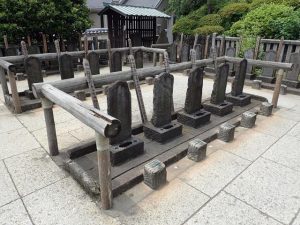
The solemn graveyard of the 47 Ronin at Sengakuji Temple in Tokyo
A Brief History of Sengakuji Temple
Sengakuji Temple was originally founded in 1612 during the early Edo period, initially located near Edo Castle (now the Imperial Palace) under the patronage of Tokugawa Ieyasu, the first shogun of the Tokugawa shogunate. It served as a prominent centre for Sōtō Zen Buddhism, one of Japan’s three main Zen sects (alongside Rinzai and Ōbaku), emphasizing meditation, self-discipline, and enlightenment through everyday practice. In its heyday, over 200 monks from across Japan resided here, studying and practising under strict monastic rules.
Tranquil statue of a Buddhist monk in meditative pose at Sengakuji Temple in Tokyo – set within the historic Sōtō Zen temple grounds famous for the burial site of the 47 Ronin and its traditional Japanese gardens
Tragedy struck in 1641 when a fire destroyed the original structure — a common fate for wooden buildings in old Japan. The temple was rebuilt in its current location in Takanawa, Minato ward, where it has stood ever since. Over the centuries, it has maintained its role as an active Zen training ground, though with fewer monks today (around a dozen or so). The temple’s architecture reflects classic Zen simplicity: wooden gates, stone paths, and minimalist halls designed for contemplation.
Sengakuji’s true claim to fame, however, is its connection to the 47 Ronin incident (Chūshingura). In 1701, Lord Asano Naganori (daimyo of Akō) was provoked into drawing his sword in Edo Castle against the court official Kira Yoshinaka, a breach of protocol that led to Asano’s forced seppuku (ritual suicide). His 47 loyal samurai (ronin, masterless warriors) spent over a year plotting revenge. In December 1702, they stormed Kira’s mansion, killed him, and presented his head at Asano’s grave at Sengakuji. Condemned for their vigilante justice, the ronin were ordered to commit seppuku themselves. All 47 are buried here, their graves a symbol of unwavering bushido (samurai code) loyalty. This story has inspired countless kabuki plays, films, and novels, cementing Sengakuji as a site of national cultural significance.
What to See and Do at Sengakuji
Enter through the grand Sanmon Gate (main wooden gate), a towering structure typical of Japanese Buddhist temples, flanked by guardian statues. The spacious courtyard leads to the main hall (Hondo), where visitors can observe monks in prayer or light incense at the altar. The air is filled with the faint scent of sandalwood and the sound of chanting — a peaceful contrast to Tokyo’s urban buzz.
Imposing wooden Sangedatsumon gate at Sengakuji Temple in Tokyo – the majestic Buddhist entrance framing the path to the graves of the legendary 47 Ronin, a symbol of loyalty in Japanese history.
Back view of the grand Sanmon Gate at Sengakuji Temple in Tokyo
The highlight is the 47 Ronin Gravesite, up a short flight of stone steps to the rear. The neat rows of tombstones, each marked with a ronin’s name and often adorned with incense or offerings, evoke a profound sense of reverence. Nearby is a small museum (admission ~500 yen) with artefacts like the ronin’s weapons, letters, and a detailed exhibit on the incident. Don’t miss the well-preserved grave of Lord Asano himself, shaded by ancient trees.For a deeper experience, time your visit for December 14 — the anniversary of the ronin’s revenge — when a festival recreates the event with parades and ceremonies.
The solemn burial ground of the 47 Ronin at Sengakuji Temple in Tokyo
Getting to Sengakuji Temple
Sengakuji is conveniently located just 200–300 meters from Sengakuji Station on the Toei Asakusa Line (Exit A2). From major hubs:
From Shinjuku: Take the Yamanote Line to Gotanda Station (15–20 min), then switch to the Asakusa Line for one stop to Sengakuji. Total ~25 min.
From Tokyo Station: Asakusa Line direct (10–15 min).
From my stay at the Hilton Tokyo: I walked across to Tochomae Station (Toei Oedo Line), rode to Daimon Station, then switched to Asakusa Line for two stops (~30 min total).
Entrance is free, though donations are appreciated. The temple is open daily from 7 AM to 5 PM (museum until 4 PM).
Nearby Attractions
Sengakuji’s location in Minato ward makes it easy to combine with other sights:
Gansho-ji Temple (just around the corner): A quaint spot with a large bell and serene graveyard.
Tokyo Tower (10-min walk from Akabanebashi Station, one stop away): Iconic landmark with panoramic views.
Zojo-ji Temple (near Tokyo Tower): One of Tokyo’s largest Buddhist temples, with Edo-period gates and ties to the Tokugawa shoguns.
Roppongi (two stops on Oedo Line): Nightlife hub with bars, restaurants, and malls like Roppongi Hills and Tokyo Midtown.
Head north on the Asakusa Line to Asakusa for Senso-ji Temple, Tokyo’s most famous shrine.
The peaceful Gansho-ji Temple in Tokyo – a small local Buddhist temple featuring a large bell and traditional burial grounds, just steps from Sengakuji.
The prominent large bell at the entrance of Gansho-ji Temple in Tokyo – a peaceful local Buddhist shrine with traditional architecture and burial grounds.
Just outside Sengakuji, a row of five souvenir shops sells traditional gifts — samurai swords, sake sets, chopsticks, and ronin-themed memorabilia. Perfect for picking up a memento.
Row of souvenir shops outside Sengakuji Temple in Tokyo – selling samurai swords, sake sets, decorated chopsticks, and 47 Ronin-themed souvenirs.
Final Thoughts
Sengakuji Temple offers more than just a history lesson — it’s a poignant reminder of Japan’s samurai heritage, where honour and loyalty transcend time. Whether you’re drawn by the 47 Ronin legend or seeking a quiet escape in Tokyo, this hidden gem delivers. As a travel enthusiast, I left with a deeper appreciation for Japan’s past — and a resolve to dive into more Chūshingura stories. Don’t miss it on your Tokyo itinerary.
Clear station sign at Sengakuji Station in Tokyo – convenient Toei Asakusa Line stop just 200 meters from Sengakuji Temple and the 47 Ronin graves. [...]
Read more...
February 28, 2026The Avenue of the Stars in Hong Kong is a scenic waterfront promenade in Tsim Sha Tsui (TST) on the Kowloon side. Often called the “Hong Kong version of Hollywood’s Walk of Fame.” Instead of celebrating Hollywood stars, it honors icons from Hong Kong’s legendary film industry. One of the world’s most prolific and influential cinema hubs, especially during its golden age in the 1970s–1990s.
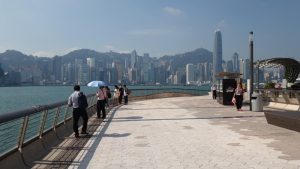
Stretching along the Victoria Harbour promenade in front of the Hong Kong Cultural Centre, the Avenue offers stunning views of the Hong Kong Island skyline, and the nightly Symphony of Lights show. It’s a relaxing, free attraction that’s perfect for day or night visits, whether you’re a kung fu movie fan or just want one of the best harbourfront walks in the city.
The scenic Avenue of the Stars boardwalk in Tsim Sha Tsui, Hong Kong, offering stunning views across Victoria Harbour to the Hong Kong Island skyline – a perfect spot for photos and the Symphony of Lights
Hong Kong’s Film Legacy
Hong Kong cinema has produced thousands of films across genres — kung fu, action, drama, comedy, and romance. At its peak in the 1980s–1990s, the industry released over 200 films per year (in 2018, it was still around 53 movies — roughly one per week). Studios like Golden Harvest (co-founded by Raymond Chow) and actors like Bruce Lee, Jackie Chan, Jet Li, Michelle Yeoh, and directors like John Woo made Hong Kong action cinema a global phenomenon, influencing Hollywood blockbusters (e.g., The Matrix, Mission: Impossible II, Face/Off).
Close-up of celebrity handprints and signatures from Hong Kong cinema in the Avenue of the Stars boardwalk in Tsim Sha Tsui, Hong Kong.
The Avenue of the Stars immortalizes this era with:
Over 100 bronze handprints and autographs embedded in the promenade.
Plaques and statues dedicated to Hong Kong film legends.
Highlights include handprints from:
Bruce Lee (no handprints captured before his death, but a commemorative plaque and the famous statue)
Jackie Chan
Jet Li
Michelle Yeoh
John Woo
Raymond Chow (founder of Golden Harvest, producer of many Bruce Lee classics)
And many others — Cantopop stars, producers, and directors are also featured.
The special Bruce Lee plaque at the Avenue of the Stars in Hong Kong – a tribute to the kung fu icon with his famous pose silhouette overlooking Victoria Harbour.
Iconic Highlights
Bruce Lee Statue Tsim Sha Tsui Hong Kong
Bruce Lee StatueThe undisputed star of the Avenue — a larger-than-life bronze statue of Bruce Lee in his classic fighting pose, arms raised, overlooking the harbour. Unveiled in 2005, it’s one of Hong Kong’s most photographed landmarks and a pilgrimage spot for martial arts fans worldwide. Read more about the Bruce Lee Statue.
McDull StatueAt the far end, a whimsical statue of McDull, the beloved cartoon pig from Hong Kong’s popular animated series. McDull is an ordinary, slightly bumbling character who keeps trying despite constant failures — a relatable underdog symbol loved by locals for his resilience and everyday charm.
Harbour Views & AtmosphereThe promenade itself is the real draw — a wide, clean boardwalk with benches, perfect for sunset watching, night skyline photos, or just relaxing with the breeze off Victoria Harbour. Daytime offers clear views of the Hong Kong Island skyline; nighttime brings the dazzling Symphony of Lights laser and music show (8 PM daily).
The charming McDull statue at the end of the Avenue of the Stars in Hong Kong – the popular cartoon pig character standing proudly with Victoria Harbour views.
How to Get There
Getting to the Avenue of the Stars is easy and scenic — the classic route is via the iconic Star Ferry:
From Hong Kong Island
Head to Central Ferry Pier No. 7 (near Central MTR).
Take the Star Ferry to Tsim Sha Tsui (TST).
Lower deck: HK$3.10 (adult) – cheaper, more local vibe.
Upper deck: HK$3.75 – better views.
Journey: 5–8 minutes.
Ferries run every 6–12 minutes (frequent day and night).
From Tsim Sha Tsui Ferry Pier
Exit the pier, turn right, and walk along the harbour promenade (Salisbury Road).
The Avenue of the Stars starts about 10 minutes ahead, past the Hong Kong Cultural Centre and Space Museum.
Alternative options:
MTR: Tsim Sha Tsui Station (Exit E), then 10–15 minute walk.
Bus: Many routes stop near TST waterfront.
Star Ferry is the most fun and photogenic way — highly recommended.
Practical Tips
Best time: Late afternoon for sunset views, or evening for the Symphony of Lights (8 PM).
Cost: Completely free (except ferry if coming from HK Island).
Duration: 30–60 minutes to walk the promenade and take photos.
Nearby: Hong Kong Cultural Centre, Hong Kong Space Museum, Hong Kong Museum of Art, TST Clock Tower, and shopping in Harbour City.
Accessibility: Mostly flat and wheelchair-friendly along the promenade.
Even if you’re not a fan of Hong Kong cinema, the Avenue of the Stars is worth visiting for the unbeatable harbour views, the Bruce Lee statue, and the relaxed waterfront vibe. It’s one of the best free things to do in Hong Kong — a perfect spot to soak up the city’s energy, skyline, and cinematic legacy.
Ferry across to Tsim Sha Tsui Hong Kong [...]
Read more...
February 26, 2026Gitgit Twin Waterfalls (also known as Air Terjun Kembar Gitgit) is one of North Bali’s most stunning and accessible natural wonders — a pair of cascading falls tucked in lush jungle hills behind Lovina Beach. Located in Gitgit Village, Sukasada District (Buleleng Regency), about 45 minutes drive south from Lovina or 2–3 hours from southern Bali areas like Seminyak, Kuta, or Ubud. This spot offers a refreshing escape with twin streams plunging into swimmable pools amid tropical greenery.
It’s a perfect half-day adventure for nature lovers, swimmers, and photographers — easy enough for most fitness levels but rewarding with dramatic scenery and a true Bali off-the-beaten-path feel.
Getting There & Entrance
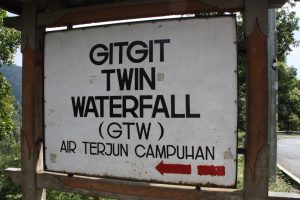
From Lovina Beach, head south on the main road toward Singaraja/South Bali. Gitgit is signposted just off the highway — look for “Gitgit Twin Waterfall” or “Air Terjun Campuhan.” Parking is available near the ticket area (small parking fee ~5,000–10,000 IDR).
Welcome signpost at the entrance to Gitgit Twin Waterfalls in Northern Bali
Entrance fee: 20,000 IDR per adult (international visitors; domestic lower). Prices vary slightly by source and season — pay at the official ticket counter to avoid scams from unofficial guides. No need for a guide; the path is well-marked.The walk down takes 10–15 minutes via steep stone steps (about 300–500 meters). It’s manageable if you take your time — sturdy shoes help on slippery sections, especially after rain. The return uphill is sweatier (15–20 minutes), but shaded and scenic.
The Two Waterfalls
Gitgit features two distinct falls in the same area:
Mekalangan Waterfall (first one you reach): Taller at around 25 meters, with a powerful single cascade into a large, inviting pool. Great for swimming — water is cool and refreshing. The path leads straight here, with viewing spots and easy access to the base.
Gitgit Twin Waterfall (Campuhan or the true “twin”): Continue upstream (another 10–15 minutes along a rougher path following the river). This is the more impressive one — two parallel streams flowing down a rock face into a smaller, scenic pool. The canyon setting feels more intimate and dramatic, with lush ferns and rocks framing the falls. Swimming is possible, but the area can be slippery — go slow.
The impressive Mekalangan Waterfall (first of the Gitgit Twin Falls) in North Bali – a powerful 15-meter drop into a refreshing swimming pool amid dense tropical rainforest.
The twin falls get the name “Kembar” (twin in Balinese) for the split flow. Both spots are surrounded by jungle, with mist and the sound of rushing water creating a peaceful, almost magical atmosphere.Activities & Tips
Swimming: Both pools are swimmable — bring a towel, quick-dry clothes, and water shoes (rocks can be slippery).
Canyoning: The nearby canyons are popular for guided canyoning adventures (jumping, rappelling, sliding). Several operators in Lovina offer tours — book ahead if interested.
Best time: Dry season (April–October) for clearer water and easier paths; wet season brings fuller flows but slippery steps.
What to bring: Water, snacks, insect repellent, sunscreen, change of clothes. Small bills for entry/parking.
Crowds: Early morning or late afternoon for fewer people; avoid peak midday in high season.
Scams to avoid: Ignore unofficial guides or inflated “fees” — stick to official counters.
Nearby Highlight: Ulun Danu Beratan TempleIf driving from southern Bali (Seminyak, Kuta, Nusa Dua), stop at Pura Ulun Danu Beratan (Bedugul area, ~20 minutes south of Gitgit). This iconic floating temple on Lake Bratan is stunning — misty volcano backdrop, multiple shrines, and gardens. Entrance ~50,000 IDR; worth 1–2 hours.Gitgit Twin Waterfalls delivers classic Bali nature — jungle immersion, refreshing swims, and dramatic cascades — without the heavy crowds of southern spots like Tegenungan. Combine with Lovina’s dolphin watching or beaches for a perfect North Bali day. Pack your sense of adventure and enjoy the cool mist and twin flows!
Check out the location of Gitgit Twin Waterfalls in northern Bali [...]
Read more...
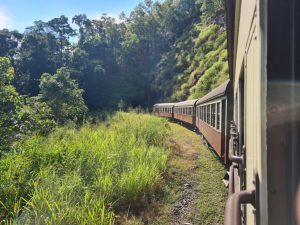
February 26, 2026The Kuranda Scenic Railway is one of Cairns’ most iconic and unforgettable experience. A historic train journey through ancient rainforest, deep gorges, and cascading waterfalls, often hailed as the top tourist attraction in Tropical North Queensland. Departing from Cairns Railway Station (just a 15-minute walk from the city center), this 37 km heritage railway climbs from sea level to 328 meters, winding through the UNESCO-listed Wet Tropics World Heritage Area — one of the oldest tropical rainforests on Earth.This isn’t just a ride; it’s a living piece of engineering history that showcases breathtaking scenery and engineering marvels, making it a must-do for first-time visitors to Cairns.
A Brief History
Construction of the Cairns-Kuranda line began in 1886 and was completed in 1891 — an extraordinary feat given the rugged terrain, dense jungle, steep gradients, and tropical conditions. It required 15 hand-dug tunnels, 37 bridges, and over 150 cuttings, costing more than £1 million and claiming 32 lives during building. The railway opened for goods traffic in June 1891 and passenger services shortly after, helping open up the Atherton Tablelands for mining and agriculture. Today, it’s preserved as a heritage railway, with vintage carriages and live commentary bringing the story to life.
Kuranda Scenic Railway
Train Details & Timetable
Two departures daily from Cairns:
8:30 AM and 9:30 AM (arriving Kuranda at 10:25 AM and 11:25 AM).
Journey time: 1 hour 55 minutes one way.
Return trains from Kuranda: 2:00 PM and 3:30 PM (arriving Cairns at 3:55 PM and 5:25 PM).
Classes of Travel (prices as of early 2026; check ksr.com.au for updates, as fares rise ~3.4% from April 2026):
Heritage Class (standard/economy): Restored historic seats (comfortable, with large windows for views). One-way adult ~AUD 56.50; return ~AUD 85. Child (4–14) one-way ~AUD 28.25; return ~AUD 42.50. Family (2A+2C) return ~AUD 212.50.
Gold Class (premium): Plush lounge chairs, complimentary snacks/drinks, and a more relaxed vibe. One-way adult ~AUD 112; return ~AUD 196 (limited seats; book early).
Heritage Class is plenty comfortable — plenty of room to stand, stretch, and move between windows for photos. Onboard commentary (live or app) covers history, Indigenous stories, and points of interest.
Cozy vintage seating inside the Heritage Class carriage of the Kuranda Scenic Railway – enjoy large windows, historic charm, and stunning rainforest scenery on the journey from Cairns to Kuranda.
Luxurious Gold Class seating inside the Kuranda Scenic Railway – plush lounge chairs, complimentary snacks, and panoramic rainforest views on the iconic trip from Cairns to Kuranda.
The Scenic Journey
The train snakes through Barron Gorge National Park, offering jaw-dropping views:
Deep ravines, lush rainforest canopy, and glimpses of the Coral Sea.
Iconic stops/views: Stoney Creek Falls (dramatic waterfall close to the tracks), Barron Falls (powerful during wet season), and tunnels/bridges that highlight the engineering achievement.
Open windows let in fresh rainforest scents and sounds — a truly immersive experience.
Iconic Stoney Creek Waterfall as seen from the window of the Kuranda Scenic Railway – one of the most stunning highlights on the scenic train ride from Cairns to Kuranda through Barron Gorge National Park.
In Kuranda – The Village in the Rainforest
Upon arrival, explore Kuranda — a charming rainforest village with:
Markets (arts, crafts, souvenirs, local produce).
Cafes, restaurants, and free WiFi (password from Kuranda Information Centre).
Attractions: Koala Sanctuary, Butterfly Sanctuary and Kuranda Birdworld and more.
Picturesque street scene in Kuranda Historic Village, Queensland – a rainforest gem with arts, crafts markets, heritage shops, cafes, and easy access from the Kuranda Scenic Railway.
Return Options
Return by train (same timetable).
Skyrail Rainforest Cableway (recommended): Cable car over the treetops of the ancient rainforest (one-way adult ~AUD 71; return ~AUD 107; check skyrail.com.au). Stops at Barron Falls and Red Peak for walks/views. Combine for the classic “train up, cable car down” experience.
Public bus: Limited (one daily ~2:30 PM).
Uber/taxi: ~AUD 55–70, 25–30 minutes.
Charming heritage facade of Kuranda Train Station in Queensland, Australia – the picturesque endpoint of the iconic Kuranda Scenic Railway journey through the rainforest.
Practical Tips
Booking: Online at ksr.com.au, phone (1800 577 245), or at Cairns station. Book ahead, especially in peak season.
Best time: Year-round, but wet season (Dec–Mar) brings lush greenery and fuller waterfalls; dry season (Apr–Nov) offers clearer views.
What to bring: Camera/phone for photos, light jacket (carriages not air-conditioned), snacks/water.
Accessibility: Heritage carriages have limited mobility access; check for assisted options.
Packages: Many bundles include Skyrail, transfers, or village activities — great value.
The Kuranda Scenic Railway delivers postcard-perfect rainforest scenery, engineering history, and a relaxing escape from Cairns’ beaches and reef tours. Whether you’re into trains, nature, or just epic views, it’s a highlight that feels timeless. Pair it with Skyrail for the ultimate Cairns day trip — pure Tropical North Queensland magic!
The classic Kuranda Scenic Railway train waiting at Cairns Railway Station, Queensland – the starting point for the famous scenic journey through rainforest and waterfalls to Kuranda. [...]
Read more...
February 25, 2026Wat Khao Takiab (also spelled Wat Khao Takiap or Wat Khao Lad) is one of Hua Hin’s most iconic and photogenic landmarks — a serene Buddhist temple perched atop Khao Takiab Hill (nicknamed Chopsticks Hill or Monkey Mountain). This rocky headland juts out at the southern end of Hua Hin Beach, about 6–7 km south of Hua Hin town center, creating a dramatic silhouette against the Gulf of Thailand.
The site blends spiritual tranquility, panoramic sea views, and a cheeky troop of resident long-tailed macaques, making it a must-visit for culture seekers, photographers, and anyone wanting a short escape from beach lounging. Entry is free (donation box appreciated), and it’s open daily during daylight hours.The Temple and Its FeaturesAt the summit (around 272 meters elevation), Wat Khao Takiab features colorful pagodas, shrines, and statues in vibrant blues, reds, and golds.
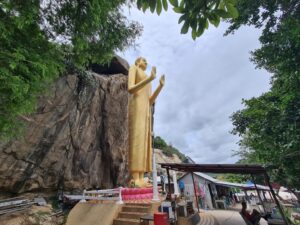
The majestic golden standing Buddha at Wat Khao Takiab
Brief History
Wat Khao Takiab dates back roughly 300 years to the late Ayutthaya period. It has long served as a spiritual landmark for local fishing communities and became a key site as Hua Hin developed into a popular destination in the 20th century.
Highlights include:
A large golden Buddha statue (about 20 meters tall) overlooking the sea — visible from afar and a landmark of the area.
Multiple levels of temple grounds with intricate carvings, bells, and altars for quiet reflection.
A Chinese-influenced section lower down, blending Taoist, Buddhist, and Hindu elements (e.g., a statue of Guanyin, the Goddess of Mercy).
The climb up from the beach side takes 10–15 minutes via stone steps — steep but manageable for most, with rest spots and escalating views of Hua Hin coastline, fishing boats, and the Gulf. Wear comfortable shoes, bring water (especially in heat), and go early morning or late afternoon to avoid peak sun and crowds.
Wat Khao Takiab in Hua Hin
The impressive standing golden Buddha at the foot of Wat Khao Takiab on Hua Hin Beach, Thailand – a serene landmark overlooking the Gulf of Thailand.
The Famous Monkeys of Monkey Mountain
Khao Takiab is home to a large population of long-tailed macaques that roam the hill and temple grounds. They often gather near paths hoping for food from visitors, but signs everywhere read “Do Not Feed the Monkeys” — officials want them to stay higher up and forage naturally.
These monkeys are generally well-behaved and less aggressive than some in Bali or Sumatra (they tend to keep to themselves unless provoked or carrying visible food/snacks). Still, tips from visitors:
Don’t bring or show food — it draws attention.
Avoid eye contact or sudden movements.
Some recommend carrying a stick (found at base) as a gentle deterrent.
They’re wild animals, so keep distance and supervise kids/pets.
The monkeys add a fun, natural element — just respect them and the environment.Nearby Beaches and VillageOn the far side of the headland lies Khao Takiab Beach (also called Khao Takiab Nuea or Monkey Mountain Beach) — quieter than central Hua Hin Beach, with fine sand, clear water, and fewer crowds. Deck chairs and umbrellas are available (closed Wednesdays), plus a few relaxed restaurants/cafes for seafood or drinks with ocean views.
Serene Khao Takiab Beach on the far side of Khao Takiab Hill in Hua Hin, Thailand
At the base toward the beach is a charming small fishing village — rows of boats, fresh seafood restaurants displaying catches on ice (very affordable grilled prawns, squid, fish), and local vibe. Great for lunch after the temple climb.
Other Attractions Close By (Within 5–15 Min Drive/Walk)
Khao Takiab’s location makes it a hub for southern Hua Hin exploration:
Cicada Market (1–2 km north, weekend evenings Fri–Sun): Artistic open-air market with handmade crafts, galleries, live music, street food, and creative atmosphere — one of Hua Hin’s best.
Tamarind Market (next to Cicada): Food-focused weekend market with gourmet Thai/international bites, chill vibes.
Vana Nava Water Jungle (about 3–4 km north): Popular water park with slides, lazy river, and family fun.
Hua Hin Beach (6 km north): Main sandy stretch for horse rides, seafood, and sunsets.
Rajabhakti Park (short drive): Large royal park with historical statues and gardens.
Suan Son Pradiphat Beach or Khao Tao Beach (further south): More peaceful beaches with viewpoints and temples like Wat Tham Khao Tao.
Practical Tips
Getting there: From Hua Hin center, hire a tuk-tuk (150–300 THB one-way/round-trip — ask driver to wait), songthaew, or Grab/taxi (~200–300 THB). Motorbike rental is popular too.
Best time: Early morning (monkeys active, cooler, fewer people) or late afternoon for golden-hour views.
What to bring: Water, hat/sunscreen, modest clothing (cover shoulders/knees for temple), small change for donations.
Etiquette: Respect temple rules (no shoes in buildings, quiet behavior), don’t feed monkeys.
Wat Khao Takiab offers the perfect mix of spirituality, nature, and Hua Hin’s laid-back coastal charm — climb the steps, snap photos of the Buddha against the sea, watch the monkeys scamper, then unwind with fresh seafood below. It’s an easy half-day highlight that feels worlds away from the town yet so close. Add it to your Hua Hin itinerary for that authentic Thai temple-by-the-beach experience! [...]
Read more...
February 25, 2026Hua Hin Night Market (also known as Chat Chai Night Market or Talad Hua Hin) is the beating heart of Hua Hin’s evening scene. A vibrant, pedestrian-only street market right in the town center. Just a short walk up from Hua Hin Train Station (along Dechanuchit Road / Sa Song Road, intersecting Petchkasem Road), this bustling spot draws locals and tourists every night. It’s the largest and most accessible of Hua Hin’s six night markets, making it a perfect first stop for anyone exploring this relaxed seaside town south of Bangkok.
Open daily from around 5 PM to 1 AM (with stalls fully set up by 6–7 PM and peaking after dark), the market transforms a closed-off road into a lively pedestrian zone filled with hundreds of stalls, sizzling grills, neon lights, and the constant hum of Thai pop music and chatter.
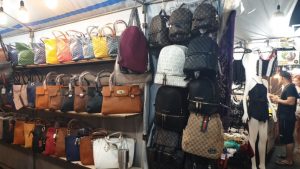
Leather handbag and bag stall overflowing with stylish options at Hua Hin Night Market (Chat Chai) in central Hua Hin, Thailand – great spot for bargains and souvenirs.
Shopping and Souvenirs
Wander the narrow lanes lined with vendors offering classic Thai market finds at bargain prices:
Clothing (elephant pants, T-shirts, beachwear)
Jewelry, leather handbags, and accessories
Handicrafts, wooden carvings, and quirky souvenirs
Knock-off sunglasses, watches, and phone cases
Bargaining is expected — start at 50–60% off the asking price and settle around 40–50% for the best deals. It’s casual and fun, with vendors often friendly and quick to negotiate.
Vibrant fresh seafood stall at Hua Hin Night Market (Chat Chai) in central Hua Hin, Thailand – grilled prawns, squid, fish, and more ready to order under the market lights.
Street Food Paradise
Hua Hin Night Market shines for food lovers — it’s one of the best spots in town for affordable, fresh Thai street eats. Highlights include:
Grilled meats on sticks (moo ping pork, gai yang chicken, satay)
Fresh seafood (grilled squid, prawns, fish, oysters on ice)
Roasted pork, kebabs, and spring rolls
Sweet treats like crepes, roti with toppings, mango sticky rice, and coconut ice cream
Fresh fruit shakes, coconut water, and tropical fruits/veggies
Colorful fresh fruit stall overflowing with mango, pineapple, dragon fruit, and more at Hua Hin Night Market (Chat Chai) in central Hua Hin, Thailand – perfect tropical treats.
A standout feature: Sidewalk restaurants with tables and chairs line the edges. Order from the stalls, and they’ll cook fresh then deliver straight to your seat. Grab a cold Singha or Chang beer (often 70–100 THB), relax with a view of the bustling crowds, and enjoy prime people-watching — families, couples, and backpackers all mixed in.The market’s central location (no traffic, all pedestrian) makes it safe and easy to navigate, even on busy nights.
Restaurants and food stalls at Hua Hin Night Market
Other Night Markets Worth Checking
Hua Hin has several more specialized markets for variety:
Cicada Market (Khao Takiab area, south of town): Artistic weekend market (Fri–Sun, ~5 PM onward) with handmade crafts, live music, galleries, and a creative vibe.
Tamarind Market (right next to Cicada): Relaxed food-focused spot (Thu–Sun) with local Thai dishes, pizza, sushi, and chilled atmosphere.
Fishing Pier Market (Saphan Pla, near the pier): Weekend evenings with fresh seafood emphasis and harbor views.
Others like Pae Mai or Patio Oldtown add more options for different nights.
Iconic entrance sign at Cicada Weekend Night Market in Hua Hin
Nearby Attractions (All Within Walking Distance or Short Ride)
The market’s prime downtown spot puts you steps from Hua Hin’s top highlights:
Hua Hin Railway Station (2–5 min walk): Iconic red-and-white colonial station with royal waiting room — great for photos.
Hua Hin Beach (5–10 min walk): Long sandy stretch with deck chairs, seafood restaurants, and horse rides at sunset.
Cicada & Tamarind Markets (~10–15 min drive south, toward Khao Takiab): For a more artistic/foodie alternative.
BlúPort Hua Hin (short walk/tuk-tuk): Modern mall with air-conditioned shopping, cinemas, and dining.
Mrigadayavan Palace (short drive north): For day trips, but evening focus stays central.
Practical Tips
Getting there: Walk from Hua Hin Train Station or most central hotels; songthaews (shared taxis) or Grab are cheap.
Best time: Arrive 7–9 PM for full energy; earlier for easier browsing before crowds.
Cash is king: Small bills for bargaining and food; some stalls take cards now.
Safety: Busy and family-friendly; watch bags in crowds.
In Hua Hin’s laid-back coastal vibe, the Night Market delivers authentic Thai energy without the overwhelming scale of Bangkok’s markets. Grab skewers, sip a beer, shop for souvenirs, and soak up the lights and laughter — it’s the quintessential Hua Hin evening experience. Perfect for your food & travel adventures!
Check out the video of the Best Things to do in Hua Hin
Check out the location of the Hua Hin Night Market [...]
Read more...
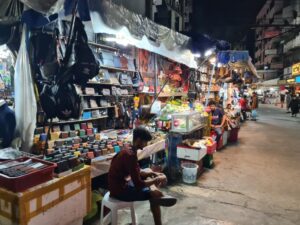
February 24, 2026The Sukhumvit Road Night Market (often called Sukhumvit Street Market or simply the Sukhumvit Night Stalls) is one of Bangkok’s most convenient and underrated evening experiences. Stretching along Sukhumvit Road — primarily between Soi 4 (Nana) and Soi 11 — this unofficial open-air market transforms the bustling sidewalk into a lively strip of stalls every night. No need to trek to bigger, more touristy spots like Rod Fai Train Market, Chatuchak Weekend Market, or or Asiatique the RiverFront — you’ll find similar vibes, souvenirs, clothes, and street food right here in the heart of central Bangkok.
It’s especially easy for travelers staying near Nana BTS or Asok BTS. The market kicks off around sunset (around 6–7 PM) and peaks from 9 PM onward, often running until midnight or later. The energy builds as the night progresses, with neon lights, sizzling grills, and crowds of locals, expats, and tourists creating that classic Bangkok chaos.
Busy corner of Sukhumvit Road and Soi 3/1 in Bangkok, lined with night market stalls selling souvenirs, clothes, and street food in the heart of the Sukhumvit area.
Bargaining and Shopping Tips
Most stalls don’t display prices — bargaining is expected and part of the fun. A good rule: aim for 40% of the initial ask. If they quote 1000 THB for a fake watch, sunglasses, or T-shirt, counter low (e.g., 300–400 THB) and walk away if needed — they’ll often chase you.
You’ll find:
Knock-off branded goods (watches, bags, clothes)
Souvenirs, phone accessories, and quirky trinkets
A few daytime stalls (especially near The Game Sports Bar under Nana BTS) selling similar items, but the real action starts after dark.
Watch your belongings in the crowds — pickpocketing can happen in busy spots like Soi 4.
Vibrant Sukhumvit Road street market in Bangkok, lined with stalls selling souvenirs, clothes, and street food under the night lights near Nana and Asok.
Street Food Highlights
This is where the market shines for food lovers. Vendors line the pavement with portable grills and carts offering affordable, flavorful Thai classics:
Grilled meat skewers (satay, moo ping, gai yang) — smoky, juicy, and cheap (20–50 THB each)
Fried chicken, spring rolls, and deep-fried snacks
Som tam (spicy green papaya salad) — fresh and fiery
Pad Thai noodles cooked fresh in woks
Mango sticky rice, roti with toppings, and tropical fruits
For drinks, look for pop-up street bars with plastic stools — grab a cold Singha or Chang beer (often 70–100 THB for a big bottle). They often have games like Connect Four while people-watching. The mix of food aromas, beer, and foot traffic makes it a perfect low-key hangout.
Freshly grilled meat and seafood on sticks sizzling at a street food stall in Sukhumvit Road Night Market, Bangkok – classic Thai night market eats near Nana.
Relaxed pop-up street bar setup at Sukhumvit Road Night Market in Bangkok – plastic stools, cold Singha and Chang beers, and games like Connect Four under the night lights.
Nearby Attractions (All Within Walking Distance or Short BTS Ride)
The market’s prime location in the Nana/Asok area puts you steps from Bangkok’s wilder nightlife and convenient spots:
Nana Plaza (Soi 4, right at the market’s core): Iconic three-story go-go bar complex with neon lights and go-go bars. Infamous for adult entertainment and a classic Bangkok nightlife experience.
Soi Cowboy (short walk toward Asok, between Soi 21–23): Another famous red-light strip with colorful bars, go-go shows, and street energy.
Soi Arab – Soi 3/1 referred to as Soi Arab to the large number of Middle eastern restaurants
Sukhumvit Soi 11: Lively nightlife soi with rooftop bars, international restaurants, sports pubs, and more street food/performers — great for a drink or late-night bite.
Korea Town – Sukhumvit Plaza with loads of Korea restaurants serving Korean BBQ or Korean fried chicken
Terminal 21 Shopping Mall (Asok BTS, 10–15 min walk): Themed floors (e.g., Tokyo, London), massive food court with cheap eats, and air-conditioned shopping escape.
Benjakitti Park or Benjasiri Park (short BTS ride to Phrom Phong): Green spaces for a daytime contrast — jogging paths, lakes, and skyline views.
Practical Tips for Your Visit
Getting there: Nana BTS (Exit 4) drops you right in the thick of it — easy from anywhere on the Sukhumvit line.
Best time: Sunset onward (7–11 PM) for full stalls and energy; avoid peak rain season crowds if possible.
Safety & Etiquette: Bargain firmly but politely; stick to busy areas at night; cash is king (small bills help).
Dress: Casual — but modest if venturing into bars.
In a city full of massive markets, the Sukhumvit Road Night Market wins for sheer convenience. No long taxi rides, just step out from your hotel or BTS, dive into the stalls, grab street food, sip a beer, and soak up Bangkok’s non-stop vibe. It’s raw, fun, and quintessentially Thai — perfect for a casual evening in the heart of the action.
Street vendors during the day on Sukhumvit Road
Street Vendors on Sukhumvit Road at night [...]
Read more...
February 24, 2026Man Mo Temple stands as one of Hong Kong’s most atmospheric and historically significant landmarks. It serves as a serene Taoist sanctuary amid the bustling urban energy of Hong Kong Island.
Tucked away at 124-126 Hollywood Road in the vibrant Sheung Wan district (just a short walk uphill from Central), this declared monument offers a profound glimpse into the city’s Chinese heritage. It beautifully blends spirituality, tradition, and timeless craftsmanship.
Whether you’re a first-time visitor seeking cultural immersion or a returning traveler drawn to its incense-filled calm, Man Mo Temple remains an essential stop. Add it to any Hong Kong itinerary
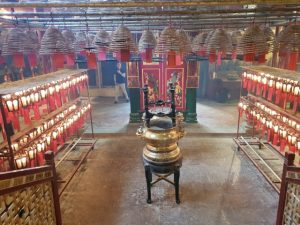
Thick incense coils spiral above golden altars at Man Mo Temple – one of Hong Kong’s most atmospheric historic sites, 2025/2026
A Deep Dive into Its Rich History
The temple’s origins trace back to the mid-19th century. This was during the early years of British colonial rule. It followed the Opium Wars and the cession of Hong Kong Island in 1842.
Construction began in 1847. A Qing Dynasty bronze bell from that year provides evidence. Its inscription marks the 27th year of Emperor Daoguang’s reign. Building continued in phases until around 1862.
Wealthy Chinese merchants funded and built the complex. They created a place for worship and community gatherings. This reflected the growing Chinese population’s need for spiritual and social anchors. The need arose in a rapidly changing colonial port city.
The Deities: Man Cheong and Kwan Tai
Dedicated to two complementary deities from Chinese folk religion:
Man Cheong (文昌, also known as Wen Chang Wang or Man Tai), the God of Literature, Scholarship, and Civil Success — often depicted holding a writing brush, he is patronized by students, scholars, and those seeking academic achievement or examination success (a tradition rooted in the imperial civil service exams of the Ming and Qing dynasties).
Kwan Tai (關帝, also Mo Tai or Guan Yu), the God of War, Martial Arts, Loyalty, and Righteousness — a legendary warrior figure revered for protection, business success, and justice (popular among merchants, police, and even historical triad figures seeking favor).
The full complex comprises three interconnected buildings separated by narrow alleys:
Man Mo Temple (the main hall for the two primary deities).
Lit Shing Kung — a hall for worshiping all heavenly gods.
Kung Sor — originally an assembly hall where community leaders (kaifong) resolved disputes, settled affairs, and mediated conflicts that British colonial courts might not address effectively.
Management, Survival, and Modern Status
In the early 20th century, the temple gained formal status. This happened with the Man Mo Temple Ordinance of 1908. The ordinance entrusted its management and properties to the Tung Wah Hospital. Tung Wah was a key charitable institution.
Revenues from the temple supported education, medical services, and community welfare. The temple survived intact through the Japanese occupation from 1941 to 1945. It has since undergone careful renovations. These preserved its original features.
It was graded as a Grade I historic building in 1993. In 2010, the Antiquities and Monuments Office declared it a monument. Today, it symbolizes the enduring social organization and religious practices of Hong Kong’s early Chinese community.
What to Experience Inside
Step through the ornate doorway, and you’re enveloped in a thick, fragrant haze of smoke — one of the temple’s most iconic features. Worshippers light joss sticks and hang massive incense coils (spiraling red spirals that burn slowly for days) from the ceiling as offerings. The air is heavy and mystical, creating an otherworldly atmosphere (note: if you have asthma or respiratory sensitivities, consider a quick visit or mask up).
The signature hanging incense coils of Man Mo Temple fill the air with fragrant smoke
Key highlights include:
Intricate carved wooden plaques, granite pillars, and historic murals showcasing traditional Chinese craftsmanship.
Well-preserved Qing-era artifacts: the 1847 bronze bell, gold-plated sedan chairs (one from 1862, another 1885) used in processions to carry the deities’ statues.
Altars in multiple rooms for focused prayers — students whisper hopes for exams near Man Cheong, while others seek Kwan Tai’s protection.
The temple buzzes with locals making regular offerings, creating an authentic living spiritual space amid tourist crowds.
Man Mo Temple’s front entrance on Hollywood Road, framed by tall apartment towers in Sheung Wan, Hong Kong.
Surrounding Area: Hollywood Road and Beyond
Man Mo Temple sits on legendary Hollywood Road, dubbed “Antiques Street” for its rows of shops selling Chinese antiques, curios, jade, porcelain, and contemporary art galleries. The street’s evolution from a 19th-century trading hub to a trendy creative corridor makes it endlessly walkable.
Classic antique store exterior on Hollywood Road, Hong Kong’s famous “Antiques Street”
Directly opposite lies Ladder Street, a steep set of stone steps descending to Upper Lascar Row (locally known as Cat Street), a lively flea-market stretch packed with stalls offering vintage souvenirs, crafts, trinkets, old posters, and street art.
Bustling Upper Lascar Row (known as Cat Street) in Sheung Wan, Hong Kong, packed with stalls offering antiques, crafts, and souvenirs.
Other nearby attractions (all within a 10–20 minute walk):
Tai Kwun — A revitalized colonial police compound turned heritage and arts center with galleries, restaurants, bars, and exhibitions.
PMQ (Police Married Quarters) — A creative hub with indie shops, design studios, cafes, and pop-up events.
Mid-Levels Escalator — The world’s longest outdoor covered escalator system, linking Central to the residential hills (great for people-watching and street art).
Western Market — A restored 1906 Edwardian building with fabric shops and a dim sum spot.
Dr Sun Yat-sen Museum — Nearby, honoring the father of modern China.
SoHo (South of Hollywood Road) — Trendy dining and nightlife area with global cuisine.
The temple is a key stop on the Big Bus Hong Kong tour (and many other hop-on-hop-off routes), making it easy to combine with Victoria Peak, Central highlights, or Victoria Harbour.
Iconic red Big Bus Hong Kong tour bus cruising through Hong Kong, offering hop-on hop-off sightseeing of top attractions.
Practical Tips for Your Visit
Opening hours: Typically 8 AM–6 PM daily (free entry, donations appreciated).
Best time: Early morning for fewer crowds and a more peaceful vibe; avoid peak tourist hours midday.
Getting there: MTR Sheung Wan Station (Exit A2), then a short uphill walk; or bus/tram along Des Voeux Road.
Etiquette: Dress modestly, speak quietly, no photos of worshippers without permission.
In a city that races forward, Man Mo Temple offers a timeless pause — a fragrant, smoky reminder of Hong Kong’s layered past where literature and martial valor, community and faith, still hold sway.
Add it to your itinerary, breathe in the incense, and let this living piece of history leave its quiet mark on your trip.
Check out the location of Man Mo Temple in Hong Kong [...]
Read more...
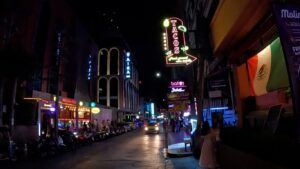
February 24, 2026Soi 11 sits right off Sukhumvit Road, next to Nana BTS Station, in the heart of Lower Sukhumvit – Bangkok’s buzzing nightlife zone. This long street delivers everything from thumping nightclubs and live music bars to street food stalls, late-night eats, and rooftop views that keep the energy high until dawn. It’s packed with 24-hour 7-Eleven stores every few hundred meters, a mix of hotels from luxury to backpacker dorms, and a constant flow of people – locals, expats, and tourists alike. The vibe is chaotic in the best way: neon lights, loud music spilling onto the sidewalk, and the smell of grilled street food mixing with the night air.
For over 30 years, Soi 11 has been a nightlife staple. Old favorites like Cheap Charlie’s Bar (famous for cheap beer) are long gone, replaced by more upscale spots, trendy cocktail bars, and high-energy clubs. The street changes fast – venues open, thrive, rebrand, or close – but the core energy stays strong.
Nighttime on Soi 11 Sukhumvit BangkokLooking down the famous nightlife strip
Bars and Nightclubs
Soi 11’s scene evolves constantly. Standouts include:
Mulli’s Sport Bar (formerly Mulligans) – Irish pub with loads of TVs for sports, pub food, and cold beer.
Hillary bars (Hillary 11 and Hillary 3) – chain spots with cheap drinks, loud music, and casual vibes.
Paradise Beach Bar – cool beach-themed spot that opened in 2024.
Sugar Club – hip-hop/R&B nights, gets busy after midnight, younger crowd.
Levels Night Club (in Aloft Hotel) – multi-level venue with DJs, dance floors, and late-night energy.
Hillary 3 bar on Soi 11 Sukhumvit Bangkok lit up at night
Hidden gems in side alleys:
Don’t Open the Fridge – the latest speak easy bar to open on Soi 11 in 2026
Oskar Bistro – lively with great cocktails and food.
Don’t Open The Fridge Soi 11 Nana SukhumvitThe famous fridge door entrance with “Don’t Open The Fridge” sign – the quirky hidden speakeasy bar at the end of Soi 11 Nana Sukhumvit, Bangkok.
Rooftop Bars
For skyline views and a classier vibe:
Above Eleven (33rd floor, Fraser Suites) – Peruvian-Japanese fusion, cocktails, DJs, urban jungle feel; open 5pm–2am. Dress codes apply at rooftops/clubs (no shorts/flip-flops for men).
Spectrum Lounge & Bar (Hyatt Regency, nearby on Sukhumvit Soi 13) – panoramic views, creative drinks, live entertainment; dress code (no shorts/flip-flops for men).
Other nearby rooftops: Octave Bar at Marriott Soi 57 or Cielo Sky Bar Cocktail Bars
Spectrum Lounge Rooftop Bar in Bangkok
Shopping and Markets
Soi 11 has small shops, but Terminal 21 Shopping Mall is under 10 minutes’ walk (or BTS Nana to Phrom Phong for EmQuartier, EmSphere, Emporium). Head the other way on BTS to Siam for Siam Paragon or MBK.
Every night, Sukhumvit Road hosts a night market starting near Soi 11 – stalls selling caps, T-shirts, sunglasses, handbags, and more – unofficially called the Sukhumvit Road Night Market
Sukhumvit Road night market stalls in Bangkok near Soi 11
Restaurants
Top picks on or near Soi 11:
El Gaucho Steakhouse (Mercure Hotel) – top Argentine steakhouse.
Tony’s New York Style Italian – solid pizzas.
Bang Bang Burgers – daytime smashed burgers, nighttime live jazz.
Yuna Japanese (Soi 11/1) – sushi, sashimi, tempura, tonkatsu.
Tonkatsu Katsu Ichi – top quality Japanese Tonkatsu Pork cutlet
Moom Muum Park – open-air Thai food opens from 4pm daily until late
Mortadella and Pistachio Pizza at Tony’s New York Italian Restaurant Soi 11Premium pizza topped with thinly sliced mortadella, crushed pistachios, mozzarella, and arugula (780 THB)
This tonkatsu set (650 baht) at Yuna Japanese Restaurant Soi 11/1.. Perfectly fried pork, miso soup with soul, and cabbage shredded so fine it’s basically angel hair.
See the Top 20 Restaurants on Soi 11
Nearby: Korean BBQ in Korean Town (past Soi 10), English breakfasts on Soi 13, or Game Sports Bar under Nana BTS.
Cafes and Breakfast
Breakfast Story – great all day breakfasts in the side Soi opposite Mercure Hotel.
Chez LN French Cafe – great Croque Monsier or the best Quiche Lorraine in Bangkok
Coffee Club (near Holiday Inn) – open 24 hours a day.
Starbucks – next to Mulli’s – sandwiches, croissants; entrance from Aria Hotel too.
See the Best Breakfast Spots on Soi 11
The famous all-day breakfast at Breakfast Story Cafe on Sukhumvit Soi 11 – perfect eggs, crispy bacon and hearty sides, Bangkok 2025/2026
Tasty Croque Monsieur – classic French ham and cheese toastie with melted cheese topping – at Chez LN Homemade French Cafe on Soi 11, Bangkok
Fast Food
Burger King and Taco Bell – open 24-hour.
McDonald’s on Corner of Soi 11 and Sukhumvit Raod or at Robinson Mall on Sukhuvmit Road (~7 min walk) or Cnr Soi 7 and Suk Road – 3 to choose from.
KFC in Terminal 21.
24-hour fast food options on Soi 11 Sukhumvit Bangkok
Money and Practical Tips
ATMs and exchange kiosks are everywhere – but ATMs charge 250 Baht fee. Better rates at SuperRich in Asok MRT/BTS interchange area.
Foreign currency exchange kiosk on Soi 11 Sukhumvit Bangkok
Hotels
Range from luxury to budget:
Mercure Sukhumvit 11 (~3,500 Baht/night – US$110) – solid reviews.
Aloft Bangkok (~3,900 Baht/night – US$125) – modern, good location.
Travelodge Sukhumvit 11 (~2,400 Baht US$78).
La Petit Salil (~1,950 Baht US$62).
Episode 11 Hostel – cheap dorms.
Pipa Hotel by Kingston Hotels is the newist hotel on Soi 11
Relaxing rooftop infinity pool catching morning sun at Aloft Bangkok Sukhumvit 11 – a shaded oasis with cocktails in the heart of Soi 11.
Getting Around and Transport
Soi 11 is busy day and night. Taxis and tuk-tuks are easy to grab, but exiting the soi at peak hours can take 5–10 minutes in traffic. Walk to Sukhumvit Road for quicker rides or head to Nana BTS Station (just steps away) for the Skytrain.
At the end of the soi, turn right toward Soi 15 for Asoke Ferry Pier on the canal. These cheap ferries (around 10 Baht per stop) run to Pratunam Clothes Market and beyond – a quick, scenic way to skip road jams.
Canal ferry on Bangkok’s Khlong Saen Saep waterway
Airport Access
From Suvarnabhumi Airport, the Airport Rail Link is the cheapest option. Walk to Sukhumvit MRT Station (outside Terminal 21, a short stroll from Soi 11), take the MRT one stop to Phetchaburi (Makkasan) Station, then transfer to the Airport Link (total ~49 Baht: 14 Baht MRT + 35 Baht Airport Link). Note the 800-meter walk between stations with luggage.
A taxi from the airport costs around 500 Baht (including tolls) – straightforward and faster if you have bags.
Trains to Other Parts of Thailand
Long-distance trains now run from Bang Sue Grand Station (opened 2024). From Soi 11, take MRT from Sukhumvit Station (next to Terminal 21) for 11 stops to Bang Sue MRT – then a 5-minute walk to the station. Services head north to Chiang Mai or south to Surat Thani (with stops like Hua Hin). Taxi takes ~20 minutes, but early mornings often see drivers asking 400–500 Baht (surge pricing; meter might be 100 Baht).
Soi 11 is Bangkok nightlife at its rawest and most convenient – perfect for late nights, people-watching, and easy access to everything. Start with a rooftop sunset, hit street food, then dive into the clubs. It’s chaotic, fun, and always evolving.
Tourist Attractions in Bangkok to Explore
Lower Sukhumvit is very much a business district so most of the most popular tourist attractions of Bangkok are outisde of Sukhumvit. Some of the closest attractions all with easy options to get there by Public Transport:
Patpong Night Market
Little Tokyo Soi Thaniya Silom
Mahanakon Observation Deck in Silom
Asiatique The Riverfront Night Market
The Best Temples in Bangkok
Wat Arun
Bangkok Big Buddha
See Exploring Soi 11 Vidoes:
Last updated 21st July 2026 [...]
Read more...
February 24, 2026Yamashita Park is a 750-meter-long public space right on Yokohama Harbour, with direct waterfront views of the bay, passing ships, and the city skyline. It’s a calm, open spot perfect for a relaxed visit – no entry fee, plenty of benches, and a laid-back vibe that contrasts with busier parts of Japan.
Why Visit Yamashita Park
The park is made for simple enjoyment. Bring a picnic and sit on the grass or benches, or take a long walk along the promenade while watching the harbour activity. On weekends, street performers often set up near the entrance, adding some free music or entertainment without making it feel crowded.
Vibrant flower arrangements and gardens in Yamashita Park, Yokohama – picturesque harbourfront spot
Key Statues and Features
The park has several notable statues and water elements. The most famous is the small bronze “Girl with the Red Shoes” near the waterfront – based on a classic Japanese children’s song, it’s a charming, popular photo spot for families and visitors.
A short walk away is the “Guardian of Water” fountain, a gift from Yokohama’s sister city San Diego in May 1960. Water flows in clean, steady streams around the central figure, creating a quiet place to pause.
Girl with the red shoes statue in Yamashita Park
Guardian Of The Water Fountain in Yamashita Park
The Hikawa Maru
Moored right in front of the park in the harbour is the retired ocean liner Hikawa Maru. Built in Yokohama in 1930 as a luxury passenger ship, it crossed the Pacific 248 times. It served as a hospital ship during World War II, helped with repatriation after the war, and later ran cruises between Yokohama and Seattle. Retired in 1961, it has stayed docked here as a historic landmark.
Hikawa Maru Ship moored at Yamashita Park
Seasonal Flower Displays
Spring and summer bring colourful flower arrangements across the park. Roses bloom in the Future Rose Garden, and large beds of vibrant flowers line the paths. These displays stand out against the harbour backdrop and are a favourite for photos.
Colourful seasonal flower displays at Yamashita Park Yokohama
Nearby Attractions
Yokohama Chinatown is only 500 meters away – Japan’s largest Chinatown, full of street food stalls, dim sum, and restaurants.
Osanbashi Pier and the International Cruise Terminal are a 5-minute walk east, with a rooftop promenade offering great bay views and gardens.Other close-by spots include Yokohama Marine Tower (next to the park for city views), the historic Hotel New Grand, Motomachi Shopping Street (boutiques and cafes), and Minato Mirai (Ferris wheel, museums, Red Brick Warehouse).
Grand red gate welcoming visitors to Yokohama Chinatown – historic and vibrant landmark in Japan
How to Get There
From Tokyo, take a JR train to Yokohama Station (about 30 minutes from Shinjuku or Tokyo Station). Switch to the Minato Mirai Line or local train to Nihon-Odori or Motomachi-Chukagai Station – both are a quick 5–10 minute walk to the park. Tourist loop buses also stop nearby.
Street Performers in Yamashita Park Yokohama
Check out the location of Yamashita Park in Yokohama [...]
Read more...
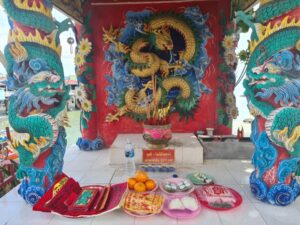
February 22, 2026Jao Mae Tub Tim Shrine sits right in the heart of Hua Hin, Thailand. It stands on the waterfront, next to the Hilton Hua Hin Resort Hotel. This bright, colourful Taoist temple draws locals and visitors alike. People come to honour family ancestors and pray to Chinese gods, especially Guan Yin, the Goddess of Mercy and Compassion.The shrine is small but lively. Three main altars fill the space. Each has kneeling stools for worshippers. Visitors light incense sticks and leave offerings. You often see packets of rice, fresh fruit, bottles of water, and flowers placed carefully on the altars. Local Chinese-Thai families visit regularly. The temple stays active every day.
Golden dragon statue and offerings of fruit with incense sticks at a small shrine in Jao Mae Tub Tim Temple, Hua Hin
History of Jao Mae Tub Tim Shrine
The shrine dates back many decades. It began as a simple place of worship for early Chinese settlers in Hua Hin. These immigrants came for fishing and trade. They built the shrine to honour their ancestors and seek protection from Guan Yin.Over time, the temple grew. The community added more statues, altars, and decorations. Red lanterns, golden dragons, and intricate roof designs now cover the building. It reflects classic Chinese Taoist style. The shrine has always been a community hub. Families gather here for blessings, especially during Chinese New Year and other festivals.
Today, it remains a peaceful spot. Locals keep it busy with prayers and offerings. Tourists often stop by to see the colours and feel the calm energy.
What to Expect
The temple is open daily. Entry is free. Dress respectfully. Cover shoulders and knees. Remove shoes before stepping inside. Stay quiet. Do not point feet at altars or statues.Take photos outside and inside. The red lanterns and golden details look great in pictures. Watch people light incense. The smell of smoke and fruit fills the air.
The 3 three main shrines/altars
It is a small but active Taoist/Chinese temple focused on ancestor worship and Chinese deities.Here are the three main shrines and their purposes, based on local descriptions and visitor accounts:
Shrine for Chao Mae Tub Tim (Mother Tub Tim / Goddess Tub Tim)
Purpose: The primary deity of the shrine. She is a water goddess (sometimes linked to fertility, protection for fishermen/sailors, and general blessings). Locals pray here for safety on the sea, good fortune, health, and prosperity. Offerings include rice, fruit, water, and incense. This is the most revered altar.
Shrine for Chao Mae Guan Yin (Goddess of Mercy/Compassion)
Purpose: Guan Yin (กวนอิม) is the Goddess of Mercy. People pray here for compassion, healing, protection from harm, peace of mind, and help in difficult times. She is especially called upon for emotional support, family harmony, and safe journeys.
Shrine for Ancestors / Family Spirits
Purpose: Dedicated to honouring deceased family members and ancestors. Worshippers leave offerings and burn incense to show respect, seek blessings for the family, and ask for guidance or protection from the spirit world. This is a core Taoist/Chinese tradition in the shrine.
Altar dedicated to Chao Mae Guan Yin (Goddess of Mercy) at Jao Mae Tub Tim Shrine
Altar for ancestors and family spirits at Jao Mae Tub Tim Shrine in Hua Hin – incense, fruit and candles
Altar for ancestors and family spirits at Jao Mae Tub Tim Shrine in Hua Hin – incense, fruit and candles
Nearby Attractions
The shrine is in a great location. Walk a few minutes and you reach these spots:
Hua Hin Night Market – Food stalls, souvenirs, and street shopping (5–10 min walk).
Hua Hin Beach – Long sandy beach with calm water (right across the road).
Hilton Hua Hin Resort – Beachfront luxury hotel with restaurants and pools (next door).
Cicada Market – Weekend art, crafts, and live music market (short taxi ride).
Hua Hin Railway Station – Historic wooden station with beautiful architecture (10–15 min walk).
Jao Mae Tub Tim Shrine offers a quiet, colourful break in busy Hua Hin. It shows the strong Chinese influence in Thai culture. Stop by for a quick visit. Light incense. Enjoy the peaceful vibe.
Have you visited Jao Mae Tub Tim Shrine? What did you think? Share below! [...]
Read more...
February 22, 2026Yokohama Chinatown is the biggest in Asia and one of the largest in the world. It covers around 10 blocks of streets and laneways. The area sits just 500 meters from Yokohama Harbour. This was the first place foreigners could live after Japan opened its borders in 1859. Chinese immigrants settled here and built a vibrant community. Today, it feels like a mini China in the middle of Japan.
The streets are lined with Chinese grocery stores. You see fresh vegetables, fruit, herbs, spices, and Chinese medicine shops. There are fortune tellers, tea shops, and stores selling kitchen tools and decorations. But the real star is the food. Hundreds of restaurants serve every style of Chinese cuisine. North China dishes like Peking Duck. Shanghai soup dumplings. Cantonese yum cha and dim sum. Spicy Sichuan food. Even simple favourites like sweet and sour pork. Prices are reasonable. A meal here is often cheaper and more authentic than in Tokyo – even after the train fare.
Vibrant, crowded streets of Yokohama Chinatown on a weekend – full of people, red lanterns, and energy
On weekends, the area gets very busy. Visitors come from Yokohama and Tokyo. The streets fill with people eating, shopping, and taking photos.
Two Main Chinese Temples
Mazu Miao Temple in Yokohama Chinatown
Grand entrance gate to Mazu Miao Temple
Yokohama Chinatown has two important Chinese temples.
Mazu Miao Temple: This is the largest. It opened on March 17, 2006. It sits across from the China Museum. The temple honours Mazu, the Goddess of the Sea. Many locals pray here for safe travels and good fortune.
Kwan Tai Temple: Located on the corner of Kwan Tai Street and Chuzan Ro, near the centre. It honours Kwan Tai, a famous general from around 200 AD in the Chinese Imperial Army. The temple is small but beautiful and full of history.
Both temples are active places of worship. Dress respectfully and be quiet.
Kwan Tai Temple Chinatown Yokohama
Traditional red entrance gate to Kwan Tai Temple in Yokohama Chinatown
Food Highlights in Yokohama Chinatown
You will not go hungry here. Restaurants cover every Chinese style. Try:
Peking Duck (crispy skin, thin pancakes)
Xiao long bao (soup dumplings)
Dim sum (steamed buns, siu mai, har gow)
Sichuan hotpot or mapo tofu (very spicy)
Sweet and sour pork or kung pao chicken
Street vendors sell quick bites like BBQ pork buns, steamed dumplings, and roasted chestnuts. Perfect for walking and snacking.
Fresh large steamed buns at Yokohama Chinatown
Chinese dishes at Yokohama Chinatown
Fresh roasted chestnuts from a street vendor in Yokohama Chinatown – warm winter treat in Japan
Nearby Attractions
Just 500 meters from Chinatown is Yamashita Park. It sits on the Yokohama harbour front. The park has nice views of ships, the bay, and the skyline. Great for a walk after eating.
Other close spots:
Yokohama Red Brick Warehouse (10-minute walk): Historic buildings with shops, cafes, and events.
Minato Mirai (short train or walk): Modern area with Cosmo Clock Ferris wheel, shopping malls, and waterfront.
Cup Noodles Museum (nearby): Fun museum about instant ramen history.
Vibrant flower arrangements and gardens in Yamashita Park, Yokohama – picturesque harbourfront spot
How to Get to Yokohama Chinatown
It is easy from Tokyo. Takes about 45 minutes total.From Shinjuku, Shibuya, or Ebisu:
Take JR Yamanote Line or Shonan-Shinjuku Line from Platform 1 to Yokohama Station (30 minutes).
At Yokohama Station, change to the JR Negishi Line (platforms 3/4) to Ishikawacho Station (3 stops, 7 minutes).
Exit North at Ishikawacho Station.
Walk 5 minutes to Chinatown. Follow the crowds or signs.
Alternative: From Tokyo Station, take JR Keihin-Tohoku Line or Tokaido Line direct to Yokohama, then same transfer.
Best time: Weekends for lively atmosphere. Weekdays for quieter visits.Yokohama Chinatown gives you authentic Chinese food, culture, and temples in a walkable area. It is a perfect half-day trip from Tokyo. Eat, explore, and enjoy the energy of Asia’s largest Chinatown.
Have you been to Yokohama Chinatown? What is your favourite dish? Share below!
Check out the location of Yokohama Chinatown [...]
Read more...
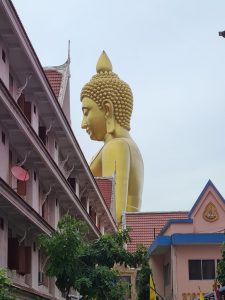
February 22, 2026Bangkok has many glittering temples and Buddha statues. But the Biggest Golden Buddha at Wat Paknam Phasi Charoen stands out for its scale and beauty. This huge statue towers 69 meters (226 feet) tall. It is the tallest Buddha in the city. It shows modern Thai devotion inside an old temple complex. The temple sits in the quiet Thon Buri district, west of the Chao Phraya River. It is far from the main tourist trail. You get an authentic local experience with almost no crowds. It feels very different from Wat Pho or Wat Arun. If you love temples or want great views from the statue’s base, add this to your Bangkok trip.
Side profile of the 69-meter Big Buddha statue at Wat Paknam Phasi Charoen, Thon Buri, Bangkok
A Rich History: From Ancient Temple to Modern Masterpiece
Wat Paknam Phasi Charoen dates back to 1610, making it one of Bangkok’s oldest temples – even predating the city’s founding in 1782. During the Ayutthaya Kingdom, Thon Buri was a key settlement, and the temple served local communities long before King Rama I moved the capital across the river to what is now central Bangkok. From 1767 to 1782, Thon Buri was briefly the national capital under King Taksin, adding layers of historical significance to the area.
The temple itself has evolved over centuries, with expansions and renovations reflecting Thai Buddhist architecture. The Big Buddha (officially “Phra Buddha Dhammakaya Thepmongkhon”) is a recent addition, with construction starting in 2017 and completing in 2021 at a cost of around 100 million THB (~US$2.2 million in 2021 values).
Inside shrine at Wat Paknam Phasi Charoen Bangkok
Shrines at Wat Paknam Phasi Charoen Bangkok
Designed to honor the temple’s founder, Luang Por Sodh Candasaro (a revered monk known for his meditation teachings), the statue is coated in gold leaf and sits in a meditative pose atop a multi-level stupa-like structure. It’s not only the tallest in Bangkok but one of Thailand’s tallest Buddhas overall (though Ayutthaya’s Phra Mongkhon Bophit and Roi Et’s Phra Buddha Rattana Mongkhon Mahamuni are taller nationally).
What to Expect at Wat Paknam & the Big Buddha
Towering white stupa at Wat Paknam Phasi Charoen – grand chedi beside the Big Buddha in Bangkok
The temple grounds are peaceful and expansive, with traditional Thai architecture, ponds, and gardens. The Big Buddha dominates the skyline – climb stairs to its base for close-up views or enter the lower levels for meditation halls and exhibits on Buddhist teachings. From the upper platforms, you’ll get sweeping vistas over Thon Buri’s rooftops, the Chao Phraya River, and distant city skyline.
Local vibe: This is a working temple for Thai worshippers – expect monks chanting, families praying, and incense offerings. Not many tourists, so it’s authentic and uncrowded (even on weekends).
No English info: Signs are mostly in Thai – grab a translation app or join a guided tour for deeper insights.
Etiquette: Dress modestly (cover knees and shoulders; sarongs available). Remove shoes in sacred areas, be quiet, and don’t point feet at statues.
Cost: Free entry, but donations appreciated (small fee for some inner areas/exhibits).
Time needed: 45–90 minutes to explore the temple and Buddha.
Resoration work to the Golden Buddha in 2024
In 2024, the statue underwent a major cleaning and restoration to remove years of accumulated bird droppings (especially from pigeons) that had dulled its golden surface. Scaffolding covered the figure from mid-2024, with workers scrubbing and polishing the exterior, followed by re-gilding in sections. The project was largely completed by the end of 2024 (late October to December), with final touches into early 2025. As a result, the Big Buddha is now back to its brilliant, shining glory – making it even more photogenic and impressive for visitors.
Other Attractions Close By
Thon Buri is rich in temples – make it a half-day circuit:
Wat Arun (Temple of Dawn): Iconic riverside temple with prang (tower) covered in porcelain mosaics. Stunning at sunrise/sunset, climb for harbour views (5–10 min taxi/boat from Wat Paknam).
Wat Kalayanamitr Varamahavihara: A few hundred meters from Wat Arun, home to a large golden sitting Buddha (Phra Buddha Trai Rattana Nayok) in a grand hall. Serene riverside setting with ornate architecture (another 5 min walk/taxi).
Santa Cruz Church: Historic Portuguese Catholic church nearby, with beautiful colonial architecture and river views.
Baan Silapin Artist House: Quirky riverside art community with puppet shows, galleries, and cafes (short boat ride away).
Getting to Wat Paknam Phasi Charoen
Taxi/Grab: From Sukhumvit or central Bangkok, 120–200 THB (25–45 min). Ask the driver to wait (extra 100–200 THB/hour) as taxis are scarce outside.
Boat: From Sathorn Pier (near Saphan Taksin BTS), hire a longtail for 2000 THB (A$90 – US$65) round-trip (they wait while you explore). Read more about hiring a Longtail Boats in Bangkok
Public transport: BTS to Wutthakat Station (Silom line), then 1.4 km walk (20 min) or motorbike taxi (10–20 THB). Affordable and local vibe.
Private car: You can hire a car and driver for a day trip for between 2000 – 3000 Thb per day. Ask in your hotel to hire or find the ‘tour’ drivers usually loitering around major hotels.
I have visited twice – first time I stayed in lower Sukhumvit (at Hyatt Regency Sukhumvit) and hired a car/driver for the day (3000 Thb) and visited a few different places – the drive to the Big Buddha took 25 minutes in light traffic, but expect 45+ in peak hours. 2nd time I took the boat trip from Sathorn Pier which I highly recommend as you travel down the Chao Phraya River, then through a river lock, into the back canals and you get to see the backwaters of Bangkok. Very interesting trip.
View inside a longtail boat navigating the narrow back canals of Thonburi, Bangkok – classic Thai wooden boat tour
Best time: Early morning or late afternoon for cooler weather and golden light on the Buddha. Avoid midday heat.The Big Buddha at Wat Paknam is a stunning blend of ancient history and modern grandeur – a Bangkok hidden gem that’s worth crossing the river for. Pair it with Wat Arun for a perfect Thon Buri temple hop.
Have you seen the Big Buddha? What’s your favorite underrated temple in Bangkok? Share below!
Check out the location of the Big Buddha in Bangkok [...]
Read more...
February 21, 2026If you’re chasing the ultimate panoramic view of the Gold Coast’s golden beaches, endless coastline, and glittering skyline, head straight to SkyPoint Observation Deck on Level 77 of the Q1 Building in Surfers Paradise. At 230 meters above sea level, it’s the highest public vantage point in Australia and delivers 360-degree views that make the entire Gold Coast stretch out below you like a postcard.This is hands-down one of the best (and most accessible) ways to see the beauty of Queensland’s famous coastline — from Surfers Paradise Beach all the way north to Main Beach and south toward Burleigh Heads and beyond. On clear days, you can spot the green peaks of the Gold Coast Hinterland (Springbrook, Tamborine Mountain) and even glimpses of the Moreton Bay islands.
Stunning downward view from SkyPoint Observation Deck (230m high) showcasing the iconic Surfers Paradise skyline with skyscrapers hugging the golden beach and turquoise waves of the Gold Coast.
What to Expect at SkyPoint
Indoor Observation Deck: Fully air-conditioned with floor-to-ceiling windows, telescopes, interactive displays, and photo spots. Views stretch north-south along the coast, inland to the hinterland, and out over the canals and high-rises.
SkyPoint Climb (the “Walk on the Wild Side”): For adrenaline junkies — harnessed outdoor walk around the building’s exterior at 230 m. You’re safely clipped in, but the drop is real. Not for the faint-hearted (or anyone with vertigo). Extra cost (~$80–$100 pp, age/weight restrictions apply). Book ahead — popular!
Cafe & Snacks: there is a SkyPoint Cafe on Level 77 serving coffee, light snacks, cakes, and drinks. Great spot to sit and soak in the view (prices are premium, as expected).
Panoramic view of Gold Coast canals and waterways from SkyPoint Observation Deck at Q1, Surfers Paradise
Location & Getting There
Address: Level 77, Q1 Resort & Spa, Hamilton Avenue, Surfers Paradise QLD 4217
How to get there:
Gold Coast Light Rail (G:link): Surfers Paradise stop (just 5–7 min walk to Q1).
Bus: Multiple routes stop at Cavill Avenue or Surfers Paradise Transit Centre.
Car: Paid parking in Q1 basement or nearby streets (weekends can be busy).
Walking: Super central in Surfers Paradise — close to Cavill Avenue, beachfront, and the mall.
Opening Hours & Prices (2026)
Open: 7 days a week, 7:30 AM – 9:00 PM (last entry 8:30 PM).
Entry fees (check skypoint.com.au for latest, but current rates):
Adults: $24
Children (3–13 years): $14
Under 3: Free
Family (2 adults + 2 children): Often discounted packages
Concessions/seniors: Reduced rates available
Street-Level Dining at Q1 Building
Q1 has several restaurants right at ground level:
Clifford’s Grill & Lounge: Casual all-day dining with a modern Australian grill menu, specializing in steaks, seafood, and smoky share plates. Directly opposite Q1 Building
Osaka Kaiten Sushi: Japanese sushi bar with conveyor-belt style dining – fresh sushi, rolls, and Asian fusion. Highly rated for quick, affordable meals.
Asami Teppanyaki: Japanese teppanyaki restaurant with live cooking shows – steaks, seafood, and veggies grilled in front of you. Fun and interactive.
See more Restaurants in Surfers Paradise
Nearby Attractions (Walking Distance)
SkyPoint is in the heart of Surfers Paradise — everything is close:
Surfers Paradise Beach (5–10 min walk): Iconic beachfront, patrolled swimming, beachfront bars.
Cavill Avenue (5 min): Main shopping/entertainment strip with restaurants, bars, arcades, and nightlife.
Surfers Paradise Beachfront Promenade (immediate): Walk along the foreshore, see the beachfront skyline.
Infinity Attraction (5 min): Thrilling 6D cinema and mirror maze.
Ripley’s Believe It or Not! (5–10 min): Oddities museum.
iFly Gold Coast (5 min): Indooe skydiving centre.
Timezone (5 mins): video arcade on Cavill Avenue
Tips for Visiting SkyPoint
Best time: Sunset for golden light and city lights coming on (book ahead for climb).
Clear days: Check the forecast — views are spectacular on clear days.
Combine activities: Morning beach time → SkyPoint for midday views → evening dining on Cavill.
Family-friendly: Kids love the views and telescopes; climb has age/height limits.
SkyPoint isn’t just a lookout — it’s the perfect way to appreciate how stunning the Gold Coast really is, from high above. Whether you’re a first-timer or a local, the views never get old.
Accommodation Options in Q1 Building
Q1 Resort & Spa offers self-contained apartments right in the building (great for families/groups, with direct lift access to SkyPoint).
Studio Apartment: ~$180–$280 per night (sleeps 2, kitchenette, balcony views).
1-Bedroom Apartment: ~$220–$350 per night (sleeps 4, full kitchen, separate living area, ocean/city views).
2-Bedroom Apartment: ~$300–$500 per night (sleeps 6+, full facilities, multiple balconies, ideal for families).
Penthouse/3-Bedroom: ~$600+ per night (luxury option, multiple bedrooms, premium views).
Notes: Prices vary by season (higher Dec–Jan, lower mid-week/off-peak). Book via official site (q1.com.au) or Booking.com for best rates.
Have you been up SkyPoint? Did you do the climb? What’s your favourite Gold Coast view? Share below! [...]
Read more...
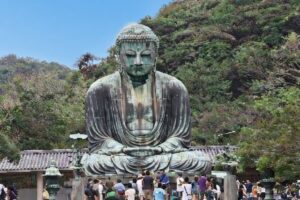
February 21, 2026Escape Tokyo’s modern buzz for a day (or weekend) in Kamakura, the ancient capital of Japan from 1185 to 1333. Just 1 hour by train southwest of central Tokyo, this coastal town was the seat of the first Shogun, Minamoto no Yoritomo, who ruled the country from here during the Kamakura period. Today, Kamakura is packed with over 100 Buddhist temples and Shinto shrines, set amid hills, forests, and the sea—offering a perfect blend of history, spirituality, and natural beauty. It’s one of the easiest and most rewarding day trips from Tokyo.
Top Attractions in Kamakura
Here are the must-sees—focus on these for a full day.
1. The Great Buddha (Daibutsu) at Kotoku-in Temple
Kamakura’s most famous sight: a massive 13.35-meter bronze Amida Buddha (Daibutsu), cast in 1252. Originally housed in a hall (destroyed by storms and tsunamis), it’s now open-air—giving it an awe-inspiring, timeless feel. You can walk inside the statue (small fee) for a look at its hollow interior. The peaceful grounds and surrounding trees make it photogenic year-round.
Massive bronze Great Buddha (Daibutsu) at Kotoku-in Temple, Kamakura – surrounded by crowds and green hills
Location: 10-minute walk from Hase Station.
Entry: ¥300 (inside statue extra ¥50).
Tip: Early morning or late afternoon for fewer crowds.
2. Hase-dera Temple (Hase Kannon Temple)
Just down the road from the Great Buddha, Hase-dera is a beautiful hillside temple complex famous for its 9.18-meter wooden Kannon statue (11-headed, showing stages of enlightenment)—the tallest wooden statue in Japan. The grounds feature stunning Japanese gardens, ponds, steps leading to smaller shrines, and caves (Benten-kutsu) used by monks for meditation, filled with small altars and statues.
Highlights: Hydrangea blooms in June/July (thousands of flowers), ocean views from upper terraces.
Entry: ¥400.
Tip: Combine with the Daibutsu—both in Hase, easy half-day loop.
Red torii gate leading into the rocky cave entrance at Hase-dera Temple, Kamakura – mystical shrine path
3. Tsurugaoka Hachimangu Shrine
Kamakura’s most important Shinto shrine, founded in 1063 and expanded in 1180. Dedicated to Hachiman (god of war) and protector of the Minamoto shoguns. The long approach features a striking red bridge over two large ponds (Genpei Ponds), beautiful gardens, and smaller sub-shrines. It’s a peaceful, grand spot with historic significance.
Location: 15-minute walk from Kamakura Station.
Entry: Free (some inner areas ¥200).
Tip: Climb the steps to the main hall for views back over the city.
Main approach to Tsurugaoka Hachimangu Shrine in Kamakura – red bridge over pond and grand staircase
4. Myohonji Temple & Nearby Shrines
A short walk from Kamakura Station, Myohonji is a quiet Nichiren Buddhist temple on a hillside, surrounded by lush gardens. Blooming flowers (cherry blossoms in spring, Chinese trumpet creeper in summer) make it especially scenic. Nearby is tiny Yagumojinja Shrine, another hillside gem—perfect for a quick, serene stop.
Tip: Combine these for a relaxing walk before heading to Hase.
Quiet hillside view of Myohonji Temple in Kamakura
5. Yagumojinja Shrine
Just a few hundred meters from Myohonji Temple (easy to combine), Yagumojinja is a small but charming Shinto shrine built on the side of a hill. This hidden gem feels intimate and untouched by crowds. The shrine features traditional wooden architecture, stone lanterns, and a peaceful torii gate leading to the main hall. Surrounded by trees and greenery, it offers a quiet escape with subtle views over the area.
Location: Short walk from Myohonji (uphill path).
Entry: Free.
Tip: Look for small offerings and seasonal flowers—great for photos and a moment of tranquility.
Stone path with vibrant red flags guiding to Yagumojinja Shrine in Kamakura
Elegant stone bridge over the pond at Tsurugaoka Hachimangu Shrine, Kamakura – classic red torii and garden view
Getting to Kamakura
From Shinjuku Station, take the JR Shonan-Shinjuku Line or Yokosuka Line toward Zushi. The ride takes about 60 minutes (¥950 one way, covered by JR Pass). Get off at Kamakura Station.
For the Great Buddha and Hase-dera Temple: Transfer at Kamakura Station to the Enoden (Enoshima Electric Railway) line (small green trains) and ride 3 stops to Hase Station (¥200, 5 minutes).
Most central temples/shrines are walkable from Kamakura Station.
Blue Enoden train decorated with cute characters at Hase Station, Kamakura – popular local line to Enoshima
Practical Tips for Visiting Kamakura
Best time: Spring (cherry blossoms) or autumn (foliage); summer can be hot/humid, winter crisp and quiet.
Transport: Enoden line is scenic and fun—small trains run along the coast.
Food nearby: Hase and Kamakura Station areas have soba, tempura, and matcha sweets. Try shirasu (whitebait) dishes—a local specialty.
Day trip plan: Start at Kamakura Station → Tsurugaoka Hachimangu → Hase (Daibutsu + Hase-dera) → back to Tokyo.
Overnight: Stay in Kamakura or nearby Enoshima for a slower pace and evening temple lights.
Kamakura feels like stepping back into feudal Japan—samurai history, serene temples, and the massive Daibutsu all just an hour from Tokyo. It’s one of the most rewarding day trips in the Kanto region.
Have you visited Kamakura? What’s your favorite spot—the Great Buddha or the shrines? Drop your tips below! [...]
Read more...
February 21, 2026Tucked right in the heart of Brisbane’s bustling CBD, Burnett Lane is one of the city’s best-kept secrets for street art. This narrow, one-way laneway runs parallel to Queen Street Mall, hidden between the high-end shops and office towers. What started as a functional service lane has been transformed into an open-air gallery thanks to Brisbane City Council’s support for public art. Artists have covered the walls, doorways, and even parts of the road surface with vibrant murals, stencils, installations, and tiny surprises.
Unlike larger, more commercial street art precincts, Burnett Lane feels intimate and authentic. You’ll want to walk slowly, look up, down, and around – some pieces are hidden in plain sight or tucked into corners.
Burnett Lane in Brisbane CBD – gateway to vibrant urban art and murals
Must-See Street Art Highlights on Burnett Lane
Vibrant blue birds mural by Blu Art Ninja on Burnett Lane
Adorable blue duck wearing top hat and carrying cane
Here are some standout pieces – but the real joy is discovering the rest yourself:
Little Red Door (my favourite): A tiny 25 cm door painted at ground level. It appeared overnight and quickly became a local icon. Brisbane artist Mace Robertson later claimed it, inspired by similar installations in other cities. He followed up with a “Little Yellow Door” in Fortitude Valley. Look low – it’s easy to miss if you’re not paying attention.
Blue Birds by Blu Art Ninja: A flock of bright blue birds climbing the wall from foot level up several stories. They’re not realistic bluebirds – it’s a whimsical collection of different species painted blue, including a dapper duck in a top hat and cane! Blu Art Ninja has scattered similar playful works across Brisbane.
Great Minds Like a Think mural (behind Hyatt Regency Hotel): A large two-part piece by The Zookeeper. It reimagines the classic saying with clever, surreal twists – bold colours and thought-provoking details.
Death and Taxes cocktail bar mural: The bar has embraced the lane’s vibe with a striking mural on their exterior wall – moody, stylish, and perfectly in tune with their speakeasy theme.
Majestic Lion stencil (opposite side): Argentine artist Xato Stencil created this hand-cut stencil of a powerful lion. The detail in the mane and expression is impressive up close.
Funny Funny Korean Restaurant Soju bottle: A fun, oversized bottle of Korean soju painted on the restaurant’s front wall – colourful and eye-catching, tying into their Korean BBQ theme.
Tiny Yoda (near the entrance): A small stencil of Yoda from Star Wars by artist Skullcap. It’s subtle and easy to miss – look carefully at knee height.
The “Great Minds” portion of the large two-part mural
The “Like a Think” portion of the two-part Great Minds Think Alike mural
Detailed majestic lion stencil mural on Burnett Lane, Brisbane
Detailed close-up of the majestic lion stencil on Burnett Lane
How to Get There
Burnett Lane is super central:
Queen Street Mall: Enter from the mall end (near Albert Street) – the lane runs parallel.
Closest stations: Central or Queen Street Mall bus/ferry stops (5-minute walk).
Parking: Nearby in King George Square or QPAC precinct (weekends easier).
Best time: Weekday mornings or late afternoons for fewer crowds and soft light. Weekends are busier with shoppers and photographers.
Extend Your Walk – Mechanical Kangaroos on George Street
At the top of Burnett Lane, turn right onto George Street. You’ll immediately spot one of Brisbane’s most famous street sculptures: the mechanical kangaroos (by artist Christopher Trotter). These giant, moving metal roos are a beloved CBD landmark – great for photos and a fun finish to your lane adventure. See more about teh Mechanical Kangaroos.
Giant mechanical kangaroo sculpture on George Street in Brisbane CBD – interactive street art near Burnett Lane
Why Visit Burnett Lane?
It’s free and accessible 24/7.
Compact (easy to explore in 20–40 minutes).
Mix of styles: tiny installations, large murals, stencils, and business-owned pieces.
Central location – combine with Queen Street Mall shopping, riverfront walks, or nearby cafes.
Ever-changing: New pieces appear regularly, so every visit can feel fresh.
Burnett Lane proves Brisbane’s street art scene isn’t just in the Valley or West End – it thrives right in the CBD. Grab your phone or camera, wander slowly, and let the lane surprise you.Have you found a hidden gem on Burnett Lane? What’s your favourite piece? Share below – I’d love to hear!
Small Yoda stencil painting at knee height on Burnett Lane, Brisbane CBD
Large mural on the wall outside Death and Taxes bar on Burnett Lane
Oversized cartoon Soju bottle street art on the wall of Funny Funny Korean Restaurant, Burnett Lane Brisbane
Check out the location of Burnett Lane in Brisbane City Centre [...]
Read more...
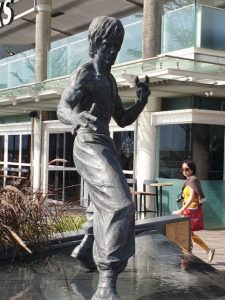
February 21, 2026If you’re a fan of martial arts cinema or just love Hong Kong’s vibrant pop culture history, the Bruce Lee Statue is one of the city’s most photographed landmarks. This larger-than-life bronze sculpture captures the legendary actor in his signature fighting pose from Enter the Dragon – fist raised, legs poised, intense gaze forward. Unveiled in 2005, it stands as a permanent tribute to Bruce Lee, Hong Kong’s global superstar who put the city on the martial arts map in the 1970s.
The statue is perfectly positioned along the waterfront promenade of Tsim Sha Tsui (TST), Kowloon side, directly facing Victoria Harbour and the Hong Kong Island skyline. It’s at the far end of the famous Avenue of Stars – Hong Kong’s answer to the Hollywood Walk of Fame.
Detailed view of Bruce Lee statue at Avenue of Stars, Tsim Sha Tsui – visitors recreating his famous fight pose
The Avenue of Stars – Hong Kong’s Hollywood Walk
The Avenue of Stars stretches along the TST foreshore, with over 100 handprints, signatures, and plaques honoring Hong Kong cinema legends: Jackie Chan, Jet Li, Chow Yun-fat, Maggie Cheung, Anita Mui, Donnie Yen, Wong Kar-wai, and many more. As you stroll east from the main entrance (near the Clock Tower), you’ll pass plaques, statues, and info panels about classic films.At the very end, the Bruce Lee Statue steals the show. It’s right in front of a Starbucks (yes, really – the cafe’s outdoor seating spills onto the promenade), making it easy to spot the crowds. Chinese tourists especially love queuing here to recreate Bruce’s pose for photos – expect a lively, fun atmosphere with people laughing and striking kung fu stances.
Stunning view from Avenue of Stars in Tsim Sha Tsui across Victoria Harbour to Hong Kong Island skyline
How to Get There
The location is super accessible in Tsim Sha Tsui:
MTR: Tsim Sha Tsui Station (Exit E) – 5–10 minute walk along the harbour promenade.
Star Ferry from Hong Kong Island (Central or Wan Chai): Land at TST pier, then walk 10 minutes east along the Avenue of Stars.
Bus/Tram: Many routes stop near TST Clock Tower – short walk from there.
Best times: Early morning for fewer crowds and soft light, or late afternoon/evening for golden hour harbour views and the skyline lighting up across the water.
Nearby Attractions – Extend Your Visit
The area is packed with top TST sights – all within easy walking distance:
Hong Kong Museum of Art (5 min walk): World-class collection of Chinese art and contemporary works.
Hong Kong Space Museum (next door): Futuristic dome with planetarium shows and space exhibits.
Tsim Sha Tsui Clock Tower (10 min west): Iconic red-brick tower from 1915, great photo spot.
Kowloon Park (10 min north): Green oasis with aviaries, gardens, and free martial arts performances on weekends.
Victoria Harbour Promenade: Walk the full length for the best skyline photos (especially at night during the Symphony of Lights show).
Chungking Mansions (15 min walk): Famous (or infamous) budget hotel hub with cheap eats from around the world – curry, Indian, African, Middle Eastern.
Tips for Visiting
Best photo angle: Stand slightly to the side so you capture Bruce with the harbour and Hong Kong Island skyline behind him.
Crowds: Weekends and evenings get busy with tour groups – go early if you want solo shots.
Combine activities: Walk the Avenue of Stars, snap the statue, then hop on the Star Ferry back to Central for a classic HK experience.
Respect: It’s a public space – be mindful of queues and don’t block paths while posing.
The Bruce Lee Statue isn’t just a statue – it’s a symbol of Hong Kong’s global cultural impact, standing proudly against one of the world’s most stunning harbour views. Whether you’re a lifelong Bruce fan or just passing through TST, it’s a quick, free, and unforgettable stop.
Have you posed like Bruce at the statue? Or got a favorite Hong Kong cinema memory? Drop it below – I’d love to hear!
Check out the location of the Bruce Lee statue in Tsim Sha Tsui Hong Kong [...]
Read more...
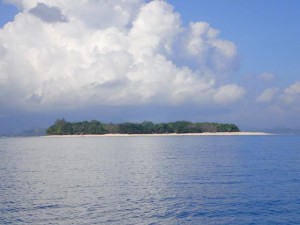
February 21, 2026Tired of the crowds at Lombok’s famous northern Gili Islands (Gili Trawangan, Meno, and Air)? Head south for a quieter, equally stunning dive adventure in the Southern Gili Islands (also called Sekotong Gilis). “Gili” means “small island” in the local Sasak language, and these 13 tiny gems off Sekotong in West Lombok offer calm waters, vibrant marine life, and dive sites that rival – or even surpass – the north. Just an hour’s drive from Lombok International Airport (LOP), they’re perfect for all levels: beginners love the gentle currents, while experienced divers chase macro wonders and occasional big pelagics.
One of the small Southern Gili Islands near Sekotong, West Lombok – untouched white sand beaches, crystal-clear turquoise lagoons, and tropical vegetation on these serene, lesser-known paradise islets in Indonesia.
Water temps hover at a balmy 27–29°C year-round, with visibility often 15–30 meters. The area is less developed, so expect uncrowded sites and a laid-back vibe – ideal for a multi-day dive trip. I dove this area for 5 days and had each dive site to myself.
Top Dive Sites in the Southern Gilis
With about 15 solid sites scattered around the larger islands (Gili Gede, Ringgit, Layar, Nanggu, and Asahan), there’s variety for everyone.
Black and White Clownfish at Gili Kura Kura
Frog Fish West Lombok Indonesia
Here’s a rundown of the best:
Sunken Reef: A sprawling coral garden teeming with life. Spot baby white-tip reef sharks hiding under table corals, plus mantis shrimp, sea stars, and a rainbow of nudibranchs. Great for relaxed drifts and macro photography.
Gili Rengit (East, West, and Pier Sites): Three spots around this island. West side is frogfish heaven – I spotted two on my first dive! The pier is pygmy seahorse territory (at ~22m, so Advanced Open Water certified divers only). These tiny 2cm seahorses camouflage perfectly on gorgonian fans; your guide can point them out. East side offers colorful soft corals and schools of fish.
Secret Garden: My personal favorite – a massive hard and soft coral paradise (huge barrel sponges!). Nudibranch central with dozens of species, plus flatworms, moray eels, and stingrays. Vibrant and photogenic.
Gili Kura Kura: South of this tiny island, the sandy bottom drops off sharply from shallow reefs to deeper waters. Look for black-and-white clownfish, translucent shrimp, lionfish, and more nudibranchs. Good for spotting unusual critters in the transition zones.
Most dives are shallow (10–25m) with mild currents, making them accessible. Boat trips from resorts take 10–30 minutes to sites.
Elegant lionfish with flowing fins at a West Lombok dive site, Indonesia
Nudibranch at Secret Garden
Harlequin shrimp at Sunken Reef
Tiny pygmy seahorse clinging to gorgonian fan
Marine Life Highlight
The Southern Gilis shine for macro (small stuff): nudibranchs in every color, flatworms, harlequin shrimp, pygmy seahorses, frogfish, moray eels, stingrays, and black-tip reef sharks. Turtles are common, adding that classic Indo-Pacific charm.
Manta Rays: Year-round sightings possible, but best April–October (dry season) when calmer waters and plankton blooms draw them in. They often migrate from nearby Nusa Penida (Bali), so check with your dive shop for recent spots. Peak visibility and conditions make this time ideal.
Whale Sharks: Not a regular here – the Southern Gilis aren’t a hotspot like Saleh Bay (Sumbawa, nearby) or Cenderawasih Bay (Papua). Occasional visitors during June–September (calmer seas), but don’t expect them. For reliable whale shark dives, head to Sumbawa (best June–Sept) or other East Indo spots.
Overall, the biodiversity rivals the north Gilis, but with fewer divers – pure bliss for underwater photographers.
Juvenile white-tip reef shark hiding under table coral at Sunken Reef
Spotted moray eel peeking from crevice at a West Lombok
Hotels & Accommodation with Dive ShopsSekotong has limited options, but several resorts double as dive bases with on-site shops for rentals, guided trips, and PADI courses. Focus on places with easy boat access:
Cocotinos Sekotong, a Boutique Beach Resort & Spa (Sekotong mainland): My top pick – stayed here in 2014. Beachfront villas, on-site dive center (Odyssea Divers) with boats to all sites. Great for packages (dive + stay). Relaxed vibe with spa and pool.(Check out my review of Cocotinos)
The High Dive Gili Gede (on Gili Gede): PADI 5-Star center with beachfront bungalows. Dive-focused – they offer fun dives, courses, and snorkeling. Laid-back island escape with direct site access.
Pearl Beach Resort (Gili Asahan): Eco-friendly bungalows with an in-house dive shop. Small, intimate – good for beginners with calm house reefs.
Secret Island Resort (Gili Gede): Basic but charming huts with dive center. Budget-friendly for island hopping and dives.
Gili Nanggu Cottages (Gili Nanggu): Cozy beach cottages with snorkel/dive options (partner shop nearby). More relaxed than full dive resorts.
Lombok Sunset Resort: Simple rooms with dive arrangements. Good for groups or longer stays.
Book dive-inclusive packages – many include transfers from LOP.
Getting to Sekotong & the Southern GilisFly into Lombok International Airport (LOP) – 1-hour drive to Sekotong. Direct flights from:
Singapore (Silk Air, ~2h 45m)
Kuala Lumpur (Air Asia, ~3h 5m)
Bali (Garuda Airlines or Lion Air, ~40m)
Jakarta/Surabaya (domestic carriers)
Most resorts arrange airport transfers (~500,000–800,000 IDR). For islands like Gili Gede/Asahan/Nanggu, add a short boat ride (often included).
Best time: Dry season (April–October) for calm seas and viz; rainy season (Nov–March) can bring stronger currents but fewer crowds.
The Southern Gilis are Lombok’s secret dive haven – less hype, more serenity, and macro magic that’ll hook any diver. If the north feels too party-heavy, go south for pure underwater bliss.
Ready to dive in? Which site calls to you – pygmy seahorses or frogfish hunts? Share below!
Striking orange frogfish perfectly camouflaged among the corals at Gili Rengit West dive site – a fascinating ambush predator and highlight of scuba diving in the secret reefs of Sekotong, West Lombok, Indonesia.
Bright green honeycomb moray eel peeking from rocks at a Lombok dive site, Indonesia
. [...]
Read more...
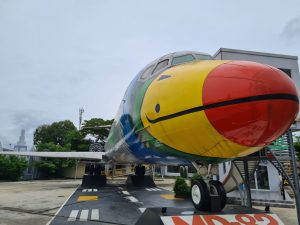
February 21, 2026If you’re an avgeek (aviation geek) passing through Bangkok, don’t miss MD-82 Cafe – a real decommissioned McDonnell Douglas MD-82 aircraft turned into a unique cafe. This isn’t a themed restaurant with plastic props; it’s an actual short-haul jet from the 1980s–2000s, now parked on the city’s outskirts and open for coffee, meals, and plane-spotting fun.
Located just over 2 km from Ban Thap Chang Train Station (on the Airport Rail Link line to Suvarnabhumi Airport), it’s an easy side trip if you’re arriving/departing BKK or have a layover. While the more famous B747 Cafe (a few stops further) gets the bigger crowds for its jumbo size, MD-82 Cafe offers a more intimate, walk-around-the-whole-plane experience. Real avgeeks should hit both on the same day – they’re close enough.
Vibrant close-up of the MD-82 aircraft nosecone at MD-82 Cafe
Panoramic view from the tip of the MD-82 wing at MD-82 Cafe Bangkok
The Aircraft’s History
The plane bears registration HS-MDL. It started life in 1994 with China Northern Airlines, moved to China Southern in 2004, served as a corporate jet for Aogline.com from late 2009, and flew its last routes with Orient Thai Airlines until retirement in October 2018. Now it sits peacefully, no longer carrying 155 passengers but welcoming visitors instead.
What to Expect Inside & Around the Plane
You can:
Walk completely around and under the aircraft.
Climb stairs to stand on the wingtip for a cool elevated view.
Enter the cabin and explore the interior.
Peek into the cockpit (no sitting or touching controls, but great photos).
Sit in a mix of original economy seats and super-comfy leather sofas.
Cozy interior seating inside the retired MD-82 jet at MD-82 Cafe – a dream dining experience for aviation lovers in Bangkok.
Leather sofas and original plane seats inside the MD-82
The cafe serves proper drinks (good coffee) and meals: Thai dishes, pizza, Japanese katsu rice bowls, and more. Menu photos look tempting, but prices are on the higher side (~250 THB for a rice bowl). I stuck to coffee on my visit to focus on the plane.
Outside, quirky extras include a life-size Predator statue and a random British red telephone box (no phone inside – pure photo fun).
Life-size Predator replica standing in front of the MD-82 plane
Classic British red telephone box standing in front of the MD-82 jet at MD-82 Cafe Bangkok
Opening Hours & Practical Tips
Open daily: 12:00 PM – 11:00 PM.
Entry: Free to walk around/explore; you pay for food/drinks.
Getting There (Easy from Airport or City):
Take the Airport Rail Link train to Ban Thap Chang Station.
From the station:
Walk 2.2 km (30–40 min).
Or grab a motorcycle taxi (songthaew or motorbike) – usually 50 THB (tourist price; bargain to 20–30 THB if local).
Return: Motorcycle taxi back to station, or direct taxi to your hotel (e.g., ~161 THB to Sukhumvit Soi 13 in light traffic back in 2022; expect 200+ THB in busy times).
Pro tip: Combine with B747 Cafe (a few stops further on the same line) for the ultimate plane cafe day trip.MD-82 Cafe isn’t about gourmet dining – it’s about sitting in a real retired jet, sipping coffee, and geeking out over aviation history. If planes excite you, this is a must-visit hidden gem in Bangkok.
Have you explored any aircraft cafes? MD-82 or B747 – which is your favorite? Share below!
Also check out:
Royal Thai Air Force Museum
Bangkok for Aviation Lovers
Aircraft seating inside the MD-82 Cafe Bangkok
Tail section of the MD-82 Cafe
Underneath the MD-82 aircraft
Detailed cockpit interior of the retired MD-82 at MD-82 Cafe Bangkok
Inside MD-82 Cafe Bangkok
Check out the location of MD-82 Cafe in Bangkok [...]
Read more...
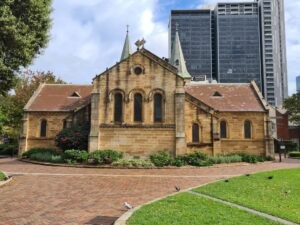
February 20, 2026Looking for history in Parramatta? Visit St John’s Cathedral. It is Australia’s oldest continuous place of Christian worship. Services have run here since 1796. The site sits in the Church Street mall. It is just a short walk from Parramatta Train Station.
Australia’s oldest continuous place of worship
A Quick History
The story starts in 1796 when a makeshift wooden building hosted the first church services for Parramatta’s early colonial settlers. Stone foundations were laid in 1798, and the site became one of the two earliest Anglican parishes proclaimed in Australia in 1802. The current structure evolved over time: the twin towers (added 1817–1819) were modeled after those at St Mary’s Church in Kent, England—one even features a clock at the top. The main body of the cathedral was rebuilt in the 1850s after the original chapel was demolished.From the rear, the contrast is striking: ancient sandstone against modern glass-and-concrete towers and the nearby Parramatta Train Station. It’s a reminder of how Parramatta has grown from a colonial outpost to Sydney’s thriving second CBD.
The distinctive twin towers of St John’s Cathedral in Parramatta
At the front, the Royal Memorial Gates (erected 1918) add a touch of grandeur. The Latin inscription at the top reads “Pro Tanto Quid Retribuamus” (“What shall we give in return for so much?”)—a poignant nod to gratitude and service.Today, St John’s remains an active Anglican cathedral with regular services in multiple languages (English, Cantonese, Mandarin, Persian, and more). Check their website (stjohnscathedral.org.au) for current times—Sundays often feature traditional hymns on the historic pipe organ at 8am, contemporary worship at other slots, and kids’ programs.
The Royal Memorial Gates (1918) at the front of St John’s Cathedral, Parramatta – engraved with “Pro Tanto Quid Retribuamus”
Visiting Tips
Location: Church Street mall, Parramatta (easy 5–10 minute walk from Parramatta Station or light rail).
Entry: Free and open to visitors outside service times—respect ongoing worship.
Best time: Weekdays for quiet reflection or Sunday for the full community vibe.
Photo spots: Rear view for the old-vs-new contrast; front gates for the Latin inscription and towers.
Pair It with Great Food Nearby
Church Street (aka “Eat Street”) is Parramatta’s foodie hotspot, lined with global cuisines just steps from the cathedral. After soaking in the history, refuel here—perfect for blending heritage with modern flavors:
Thai Riffic On Street (in Westfield nearby): Authentic Thai street food like Moo Ping pork skewers and crispy wontons with quail eggs—casual, flavorful, and wallet-friendly.
Kouzina Greco or Sahra By The River (short walk): Mediterranean/Turkish vibes with fresh mezze, grilled meats, and riverside views.
See more restaurants in Parramatta
Quick bites: Grab coffee at a nearby cafe or hit Church Street’s endless options for everything from Lebanese to Japanese.
St John’s Cathedral isn’t just a building—it’s a quiet anchor in Parramatta’s fast-paced world, reminding us of Australia’s colonial roots while surrounded by today’s energy. Whether you’re into history, architecture, or just a peaceful pause, it’s worth the visit.
St John’s Cathedral in heart of Parramatta
The clock tower atop one of the twin towers at St John’s Cathedral in Parramatta – added 1817–1819 [...]
Read more...
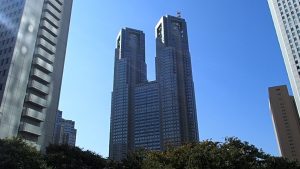
February 19, 2026If you’re hunting for the ultimate free skyline panorama in Tokyo, skip the pricey towers and head straight to the Tokyo Metropolitan Government Building (TMG or Tocho) in Nishi-Shinjuku. This twin-towered beast offers jaw-dropping 360-degree views from 202 meters up—often better than paid spots like Tokyo Skytree or Shibuya Sky—without spending a yen. On clear days, you can spot Mount Fuji, Tokyo Tower, Tokyo Skytree, Meiji Shrine, and the sprawling cityscape. Sunset and nighttime are magical, especially with the city’s neon glow and occasional projection mapping on the building itself.
Impressive upward view of the Tokyo Metropolitan Government Building’s striking twin towers in Nishi-Shinjuku
Stunning daytime vista over Shinjuku skyscrapers from the observation deck at Tokyo Metropolitan Government Building
Location & Getting There
Address: 2-8-1 Nishi-Shinjuku, Shinjuku-ku, Tokyo.It’s in the heart of “Skyscraper Town” (Nishi-Shinjuku), surrounded by towering offices.Closest stations (super convenient):
Tochomae Station (Toei Oedo Line) – Exit A4 or A5: literally right across the street, 2–3 minute walk (easiest option).
Nishi-Shinjuku Station (Tokyo Metro Marunouchi Line) – Exit 2: 5–7 minute walk.
Shinjuku Station (JR lines, Odakyu, Keio, etc.) – West Exit: 10-minute walk (follow signs for “Tocho” or use underground passages).
Pro tip: Use Tochomae or Nishi-Shinjuku if you’re coming from the west side—Shinjuku Station is great but busier.
The Observation Decks
Two free decks on the 45th floor:
South Tower: Open daily 9:30 AM – 5:30 PM (last entry 5:00 PM). Closed 1st and 3rd Tuesday of each month (and during occasional inspections—check the official site).
North Tower: Open daily 9:30 AM – 11:00 PM (last entry 10:30 PM). Closed 2nd and 4th Monday of each month.
Elevators are fast during the day, but queues build around 5 PM in the North Tower for sunset. Arrive early (by 4:30–5 PM) if you want prime sunset positioning—views of Fuji with the sun dipping behind it are legendary.
Stunning nighttime panorama over Tokyo from the free observation deck at Tokyo Metropolitan Government Building
Breathtaking daytime vista over Tokyo and distant Mount Fuji from the observation deck at Tokyo Metropolitan Government Building
Both decks have floor-to-ceiling windows, benches, and telescopes. The North Tower’s late hours make it ideal for night views of glittering Shinjuku and beyond.
On-Site Perks
South Tower: Cafe for light bites/coffee and a souvenir shop with Tokyo merch.
North Tower: Souvenir shop + a romantic fine-dining restaurant with unbeatable views (perfect for a special evening meal).
Ground Floor: Tokyo Tourist Information Centre—grab maps, brochures, and tour info.
Romantic fine dining restaurant in the North Tower with stunning Tokyo skyline views – Tokyo Metropolitan Government Building
Nearby Attractions to Extend Your VisitThe area is packed with low-key gems:
Juniso Kumano Shrine in Shinjuku Central Park (right across the street): A green oasis with lawns, paths, and a small shrine for quiet reflection amid the skyscrapers.
Naruko Tenjin Shrine (short walk away in Nishi-Shinjuku): A peaceful Shinto shrine with a unique mini Mount Fuji replica (Fujizuka) you can “climb” for blessings—great for photos and a cultural touch.
Japanese Sword Museum (nearby in Yoyogi): Fascinating collection of Japanese swords and samurai history.
Other close spots: Godzilla Head at Hotel Gracery (iconic photo op), Omoide Yokocho (Memory Lane alleys for yakitori and izakaya vibes), and the neon chaos of Kabukicho for nightlife.
Tips for the Best Experience
Go on a clear day (winter/early morning often clearest for Fuji views).
Free entry—no tickets needed, but security checks apply.
Bring a camera/phone; the views are Instagram gold.
Combine with Shinjuku exploration: Hit the decks, then stroll to Central Park or grab some yakitori in Omoide Yokocho.
The Tokyo Metropolitan Government Building proves the best things in Tokyo are often free. Head up, soak in the epic cityscape, and feel the pulse of one of the world’s biggest metropolises from above.
Have you caught Fuji from Tocho? Or prefer night views? Share your tips below!
Check out the location of the Tokyo Metropolitan Government Building in Nishi-Shinjuku Tokyo [...]
Read more...