Kanda Myojin Shinto Shrine in Tokyo
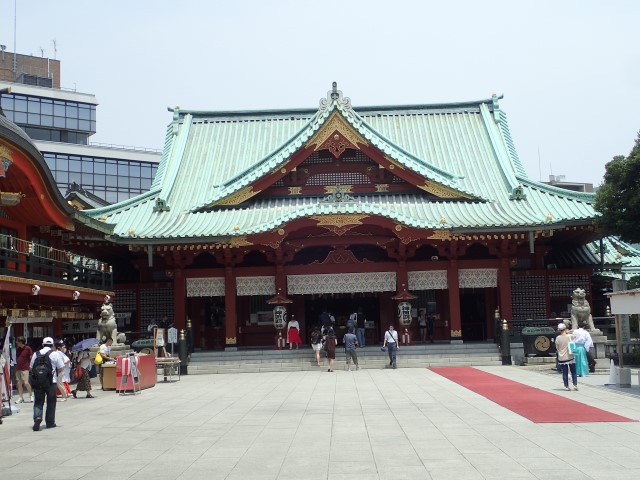
Kanda Myojin Shrine: Tokyo’s Ancient Power Spot Next to Akihabara
Nestled on a small hill just steps from Akihabara’s neon lights, Kanda Myojin (also called Kanda Jinja) is one of Tokyo’s oldest Shinto shrines. Founded in 730 AD, it has survived centuries of change. Today, it mixes deep history with modern vibes. Visitors come for business luck, happy marriages, or a quiet break from Electric Town.
A Rich History Spanning Centuries
The shrine began in 730 AD in Shibasaki village (near today’s Otemachi). Makandaomi, from the Izumo priestly line, built it to honor local kami (deities). At first, it served a small community.
In the early 1600s, Edo Castle grew under Tokugawa Ieyasu. So the shrine moved twice: first to Kanda ward in 1603, then to its current hill in 1616. This spot guarded the “demon gate” northeast of the castle. Ieyasu prayed here before his victory at the Battle of Sekigahara in 1600. He credited the shrine for his success. As a result, it gained huge respect among warriors and everyday people.
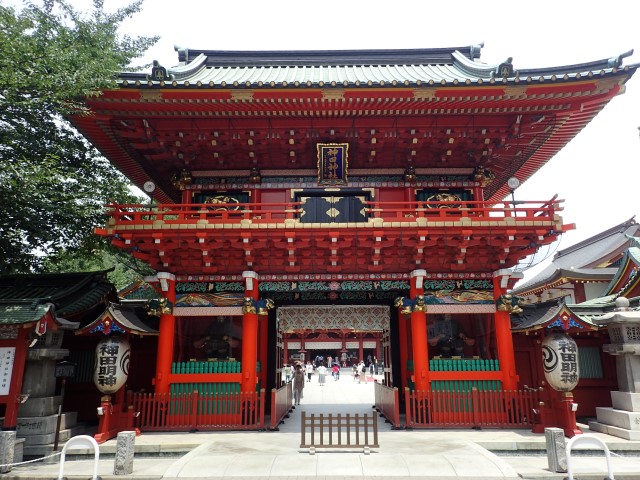
The shrine enshrines three powerful kami:
- Daikokuten (one of the Seven Lucky Gods) – god of wealth, bountiful harvests, and matrimony.
- Ebisu (another Lucky God) – patron of fishermen, merchants, and business prosperity.
- Taira no Masakado – a 10th-century rebel samurai deified after his death in 940 for his defiance and protection of the people; his spirit was enshrined here in 1309.
During the Edo period (1603–1867), it symbolized prosperity. It watched over 108 Tokyo neighborhoods, from Kanda and Nihonbashi to Akihabara and Tsukiji.Modern challenges came too. The 1923 Great Kanto Earthquake destroyed it. Rebuilt in 1934 with concrete, it survived the 1945 WWII firebombing. Later restorations brought back the classic Edo style, like the bright red Zuishin-mon gates.In 2026, Kanda Myojin remains a “power spot.” People pray for business success, family joy, health, and protection from disasters. It draws salarymen, tourists, and even anime fans due to its Akihabara links.
Shinto Essentials: Entering the Sacred Grounds
Shinto, Japan’s indigenous religion, reveres kami in nature and everyday life. Shrines like Kanda Myojin are places to purify, pray, and connect.
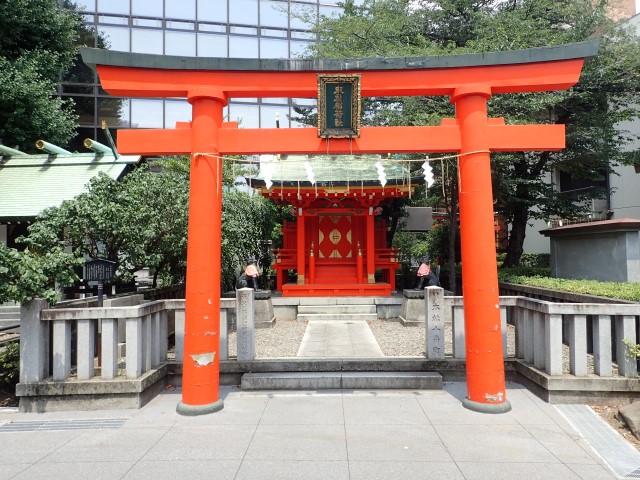
- Torii Gate: Pass through the iconic red torii (often multiple) with a light bow to show respect and leave the mundane world behind.
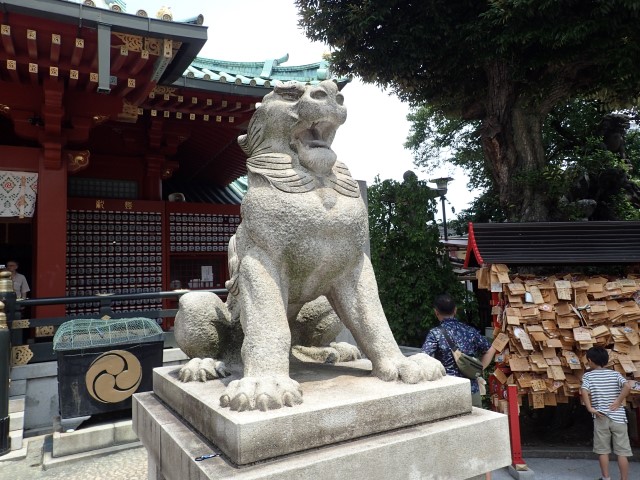
- Komainu Statues: Flanking the path are fierce lion-dog guardians (komainu) — one with mouth open (unvoiced “a” sound), one closed (“un”) — to ward off evil and protect the precincts.
- Purification: At the chozuya (water basin), rinse hands and mouth to cleanse before approaching the main hall.
- Prayer: Toss a coin into the offering box, clap twice, bow twice, pray silently, then bow once more.
Locals visit for ema plaques (wooden wishes), omamori charms (for business luck, safe travel, or love), and seasonal events.
The Highlight: Kanda Matsuri Festival
One of Tokyo’s three great festivals (alongside Sanno and Fukagawa), Kanda Matsuri dates to the early Edo period as a celebration of Tokugawa victories and prosperity. Held every odd-numbered year in mid-May (full version; even years have a smaller “shadow” event), it features massive processions with over 200 ornate floats (hoko), portable shrines (mikoshi), musicians, horseback priests, and traditional costumes parading through central Tokyo neighborhoods. The festival purifies the area, blesses residents, and draws huge crowds — a living link to Edo’s glory.
How to Get There & Nearby Tips
- By Train: Ochanomizu Station (JR Chuo Line or Marunouchi Subway) — 5-10 minute walk uphill.
- Alternative: Akihabara Station (JR Yamanote, etc.) — 15-20 minute walk.
- Best Time: Early morning or late afternoon to avoid crowds; visit during cherry blossom season or autumn leaves for extra beauty.
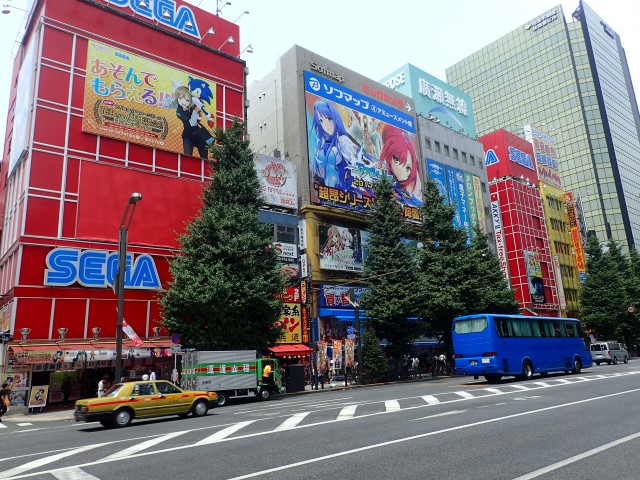
Combine with Akihabara (“Electric Town”) — browse electronics shops, maid cafes, manga/anime stores, and otaku culture. The contrast between ancient shrine and futuristic gadgets is uniquely Tokyo.Kanda Myojin isn’t just a historical site — it’s a living guardian of Tokyo’s spirit, where tradition meets innovation. Next time you’re in Akihabara, step off the main drag, bow at the torii, and feel the calm power of 1,300 years.
Have you visited Kanda Myojin? Prayed for business luck or snapped pics with the komainu? Share your experience below — I’d love to hear!
Check out the location of Kanda Myojin Shrine in Tokyo
Also Check out:

Australian travel blogger and aviation enthusiast based in Sydney, living a relaxed retired life filled with daily flat whites. Passionate about exploring The World's hidden gems TripAtrek travel blog is on a mission: To share these gems with you.