Tokyo’s Best Temples and Shrines to visit
A Guide to Spiritual Sanctuaries in the Heart of Japan
Tokyo, a sprawling metropolis of over 14 million people (as of 2023), pulses with modern energy—skyscrapers, neon lights, and endless crowds. Yet, amid the hustle, lie pockets of serenity: ancient temples and shrines that whisper tales of Japan’s rich spiritual heritage. Blending Shinto (Japan’s indigenous religion, focused on nature spirits) and Buddhism (introduced in the 6th century), these sites offer a peaceful escape and cultural immersion. Whether you’re a history buff, photographer, or seeker of tranquility, Tokyo’s sacred spots are must-visits.
In this guide, we’ll explore 11 iconic temples and shrines, diving into their history, locations, transport, best visit times, and festivals. We’ll also recommend 2 nearby hotels for each. At the end, we’ll cover lesser-known gems and other famous sites not on this list. Pro tip: Dress modestly (cover shoulders/knees), remove hats inside, and visit during festivals for vibrant rituals. Entry is often free, but donations are appreciated.
1. Sensō-ji Temple: Tokyo’s Oldest and Most Iconic Buddhist Landmark
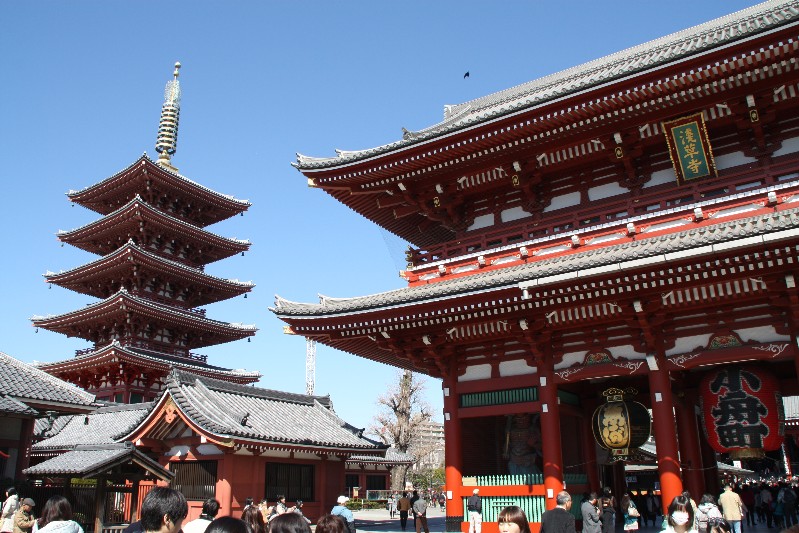
Sensō-ji, founded in 628 AD, is Tokyo’s oldest temple and a symbol of Asakusa’s historic district. Legend says two fishermen found a golden Kannon statue (Goddess of Mercy) in the Sumida River; it was enshrined here, evolving into a major pilgrimage site. Destroyed in WWII bombings, it was rebuilt in 1958, preserving its Edo-period style. The temple honors Kannon and draws millions for blessings in health and fortune. Walking distance to Tokyo Skytree
Read more about Sensō-ji Temple
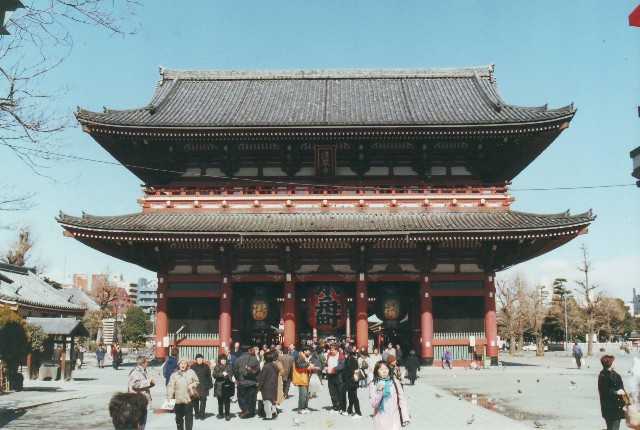
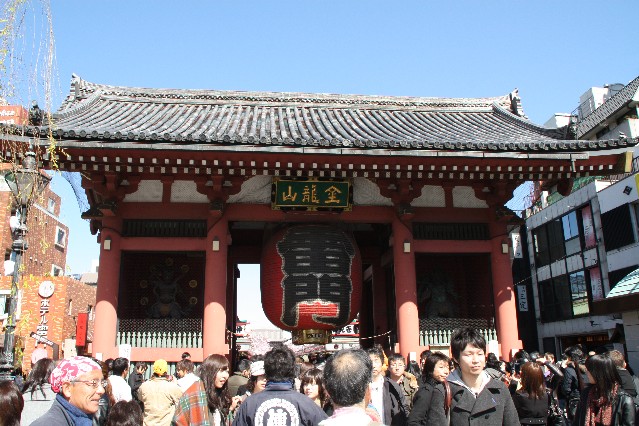
Location and Distance: Asakusa district, eastern Tokyo. Centrally located, ~20-30 minutes from major hubs like Shinjuku or Shibuya.
Closest Public Transport: Asakusa Station (Ginza or Asakusa Line) – 5-minute walk; or Tobu Asakusa Station.
Best Times to Visit: Early morning to avoid crowds (opens 6am); spring for cherry blossoms or autumn for foliage. Evenings for lit-up lanterns.
Festivals: Sanja Matsuri (May) – massive processions with portable shrines; Hozuki-ichi (July) – lantern plant fair.
Google Maps → https://maps.app.goo.gl/r8o483ZUUik3ds7i8
Hotels Nearby:
- Asakusa View Hotel: Modern with skyline views; ~5-minute walk. Rooms from ¥15,000/night. A$160
- Richmond Hotel Premier Asakusa International: Comfortable, family-friendly; ~3-minute walk. Rooms from ¥12,000/night.
2. Meiji Jingū Shrine: A Vast Shinto Oasis in the Urban Jungle
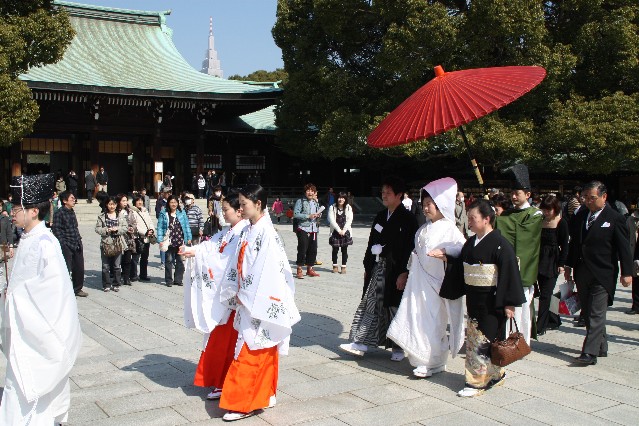
Meiji Jingū, built in 1920, honors Emperor Meiji and Empress Shōken, who modernized Japan during the Meiji Restoration (1868-1912). Spanning 170 acres of forested parkland, it was created from 100,000 donated trees, symbolizing renewal. The shrine promotes Shinto values of harmony with nature and hosts weddings year-round.Location and Distance: Yoyogi Park, near Harajuku – central Tokyo, easy access from Shibuya (~10 minutes walk).
Closest Public Transport: Harajuku Station (JR Yamanote Line) – 5-minute walk; Meiji-jingumae Station (Chiyoda/Fukutoshin Line).
Best Times to Visit: Weekday mornings for quiet; weekends for people-watching and weddings.
Festivals: New Year’s Hatsumode (Jan 1-3) – over 3 million visitors; Yabusame (horseback archery) in April.
Google Maps → https://maps.app.goo.gl/v1FLJZ6U1gE9oZrEA
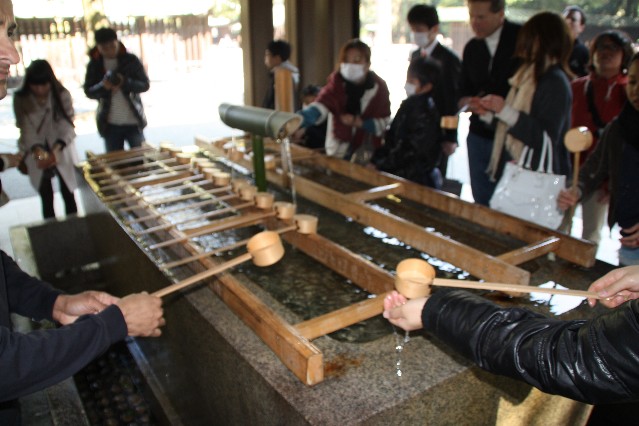
3. Zojo-ji Temple: Historic Buddhist Site with Tokyo Tower Backdrop
Zojo-ji, established in 1393 and relocated in 1598, was the family temple of the Tokugawa shoguns, who ruled Japan for 265 years. It enshrines Amida Buddha and features a mausoleum for six shoguns. Partially destroyed in WWII, it’s a symbol of resilience and Tokyo’s feudal past.Location and Distance: Minato ward, near Hamamatsucho – ~20 minutes from Shinjuku. Read more about Zojo-ji Temple
Closest Public Transport: Daimon Station (Oedo/Asakusa Line) – 5-minute walk; Hamamatsucho Station (JR Yamanote Line) – 10 minutes.
Best Times to Visit: Cherry blossom season (late March-April) for picnics; evenings for Tokyo Tower illuminations.
Festivals: Setsubun (Feb 3) – bean-throwing ritual; Obon (August) – lantern festivals honoring ancestors.
Google Maps → https://maps.app.goo.gl/cmxiY5ru1TeNiUEd8
Hotels Nearby:
- The Prince Park Tower Tokyo: Luxe with tower views; ~5-minute walk. Rooms from ¥30,000/night. A$300+
- Hotel Gracery Tamachi: Affordable, modern; ~10-minute walk. Rooms from ¥15,000/night. A$150+
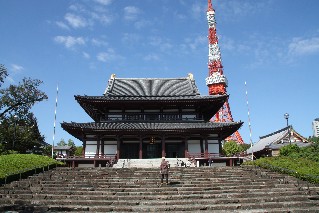
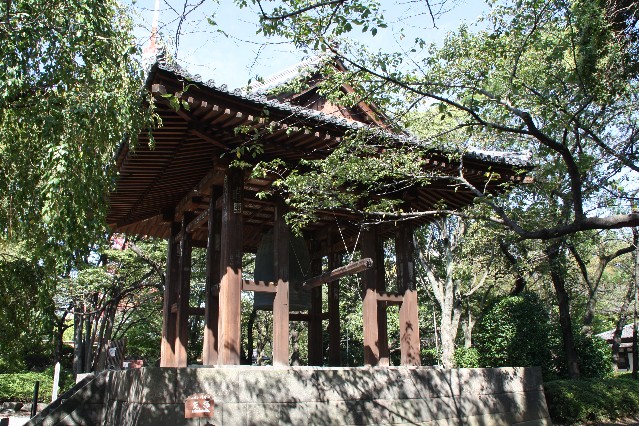
4. Hanazono Shrine: A Hidden Shinto Gem in Bustling Shinjuku
Hanazono Shrine, founded in the mid-17th century during the Edo period, was built to protect Shinjuku from evil spirits. Dedicated to Inari (god of prosperity), it’s a compact urban oasis amid skyscrapers, known for its fox statues and business blessings. Read more about Hanazono Shrine
Location and Distance: Shinjuku ward – heart of Tokyo, steps from shopping districts.
Closest Public Transport: Shinjuku Station (multiple lines) – 5-minute walk from East Exit.
Best Times to Visit: Nighttime when lit up; weekends for flea markets.
Festivals: Tori-no-Ichi (November) – rooster fair for good fortune; New Year’s Eve bell-ringing.
Google Maps → https://maps.app.goo.gl/UPZkbvyeRfVKQRX76
Recommended Hotels Nearby:
- Keio Plaza Hotel Tokyo: Iconic high-rise; ~10-minute walk. Rooms from ¥25,000/night. ~A$250
- Hotel Gracery Shinjuku: Godzilla-themed fun; ~5-minute walk. Rooms from ¥18,000/night. ~A$190
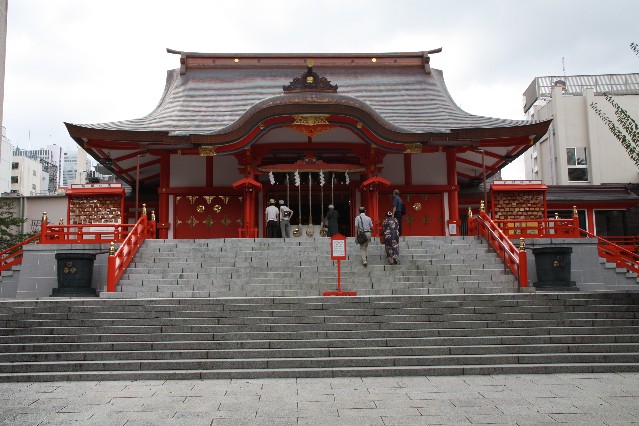
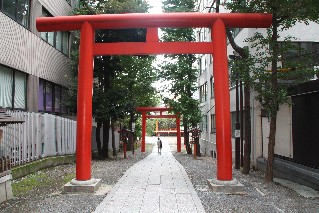
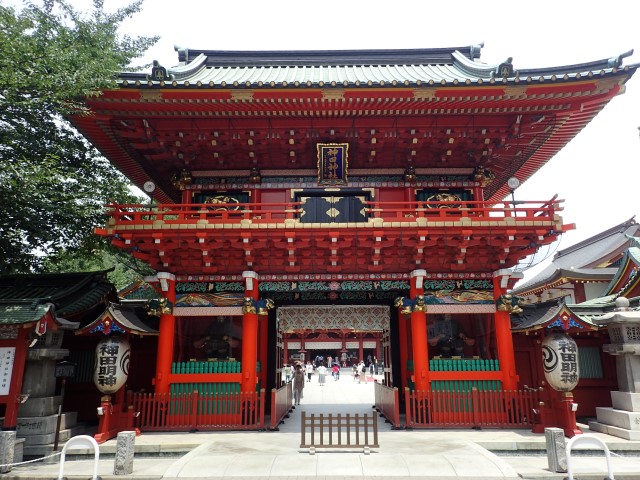
5. Kanda Myojin Shrine: Ancient Shinto Hub for Prosperity
Kanda Myojin, dating to 730 AD, survived earthquakes and wars, rebuilt in 1934 with colorful vermilion gates. It enshrines deities for family harmony, marriage, and business success, reflecting Tokyo’s merchant history. Read more about Kanda Myojin
Location and Distance: Chiyoda ward, near Akihabara – ~15 minutes from Tokyo Station.
Closest Public Transport: Ochanomizu Station (JR Chuo Line) – 5-minute walk; Akihabara Station – 10 minutes.
Best Times to Visit: Mornings for quiet prayers; May for the biennial Kanda Matsuri.
Festivals: Kanda Matsuri (mid-May, odd years) – grand parades with floats and music.
Google Maps → https://maps.app.goo.gl/WrpVYR25ZwzZ2pBz8
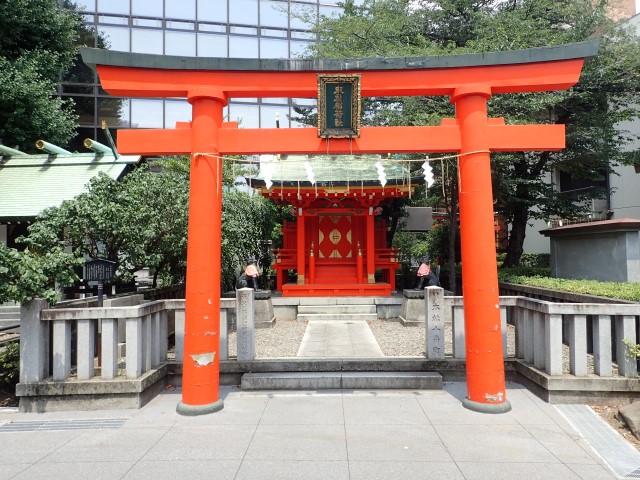
6. Nezu Shrine: Serene Shinto Spot Famous for Azaleas
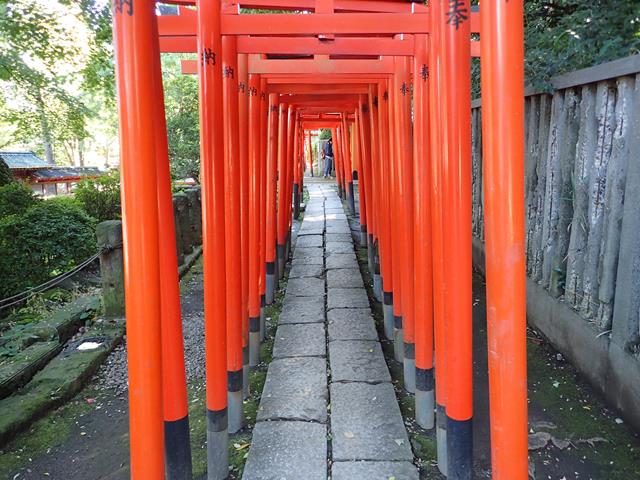
Nezu Shrine, founded in 1705 by the fifth Tokugawa shogun, is known for its torii gate tunnel and azalea gardens. It blends Edo architecture with natural beauty, dedicated to Inari and Susanoo for protection and harvest. Read more about Nezu Shrine
Location and Distance: Bunkyo ward – ~20 minutes from Ueno.
Closest Public Transport: Nezu Station (Chiyoda Line) – 5-minute walk.
Best Times to Visit: April-May for Azalea Festival blooms.
Festivals: Tsutsuji Matsuri (Azalea Festival, April-May) – vibrant flower displays and tea ceremonies.
Google Maps → https://maps.app.goo.gl/PqLMrvd4A5CQsCpU6
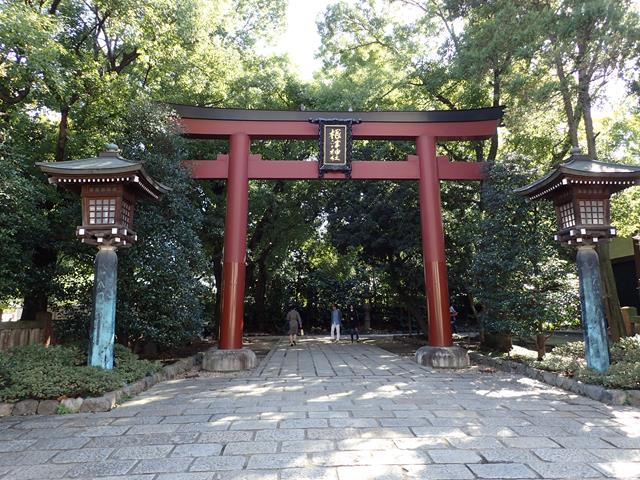
7. Yasukuni Shrine: Controversial Shinto Memorial for War Heroes
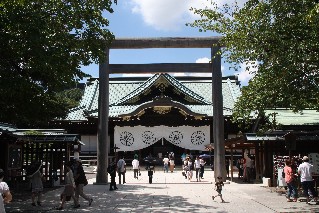
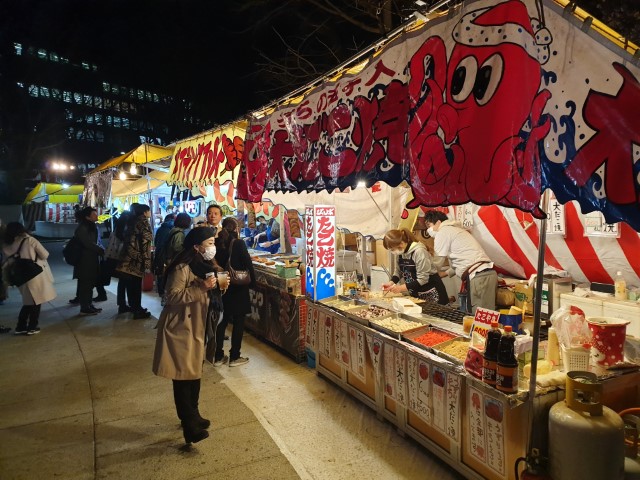
Yasukuni, established in 1869, enshrines 2.5 million souls who died in Japan’s wars, including WWII figures—sparking controversy. It symbolizes national remembrance but draws protests during visits by officials. During festivals thru the year, they have excellent Night food markets. Read more about Yasukuni Shrine
Location and Distance: Chiyoda ward, near Kudanshita – ~10 minutes from Tokyo Station.
Closest Public Transport: Kudanshita Station (Hanzomon/Tozai/Shinjuku Lines) – 5-minute walk.
Best Times to Visit: Spring for cherry blossoms; avoid August 15 (war end anniversary) due to crowds/protests.
Festivals: Mitama Matsuri (July) – 30,000 lanterns illuminating the grounds.
Google Maps → https://maps.app.goo.gl/4bWsLaHT1KRzbchS8
Other Famous Tokyo Temples or Shrines Not on This List
Tokyo has thousands of sacred sites—here are notable ones worth adding to your itinerary:
- Asakusa Shrine (next to Sensō-ji): Shinto counterpart with Sanja Matsuri.
- Hie Shrine (Akasaka): Famous for Sanno Matsuri processions.
- Gotokuji Temple (Setagaya): “Cat Temple” with thousands of maneki-neko statues.
- Nezu Museum Gardens (near Nezu Shrine): Tranquil tea houses and irises.
- Tokyo Daijingu (Iidabashi): Popular for marriage blessings.
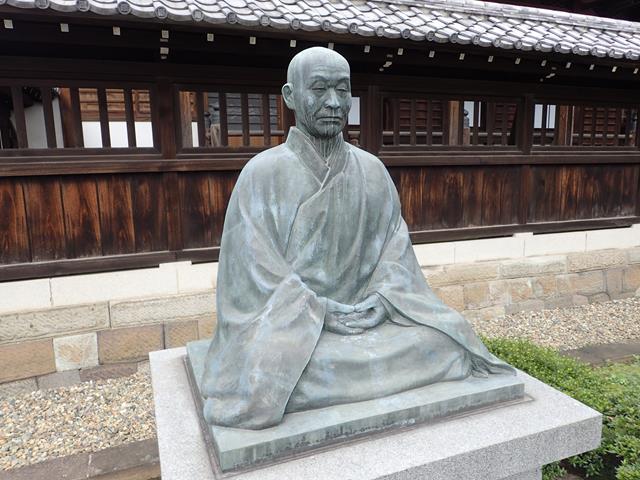
8. Sengakuji Temple (Minato)
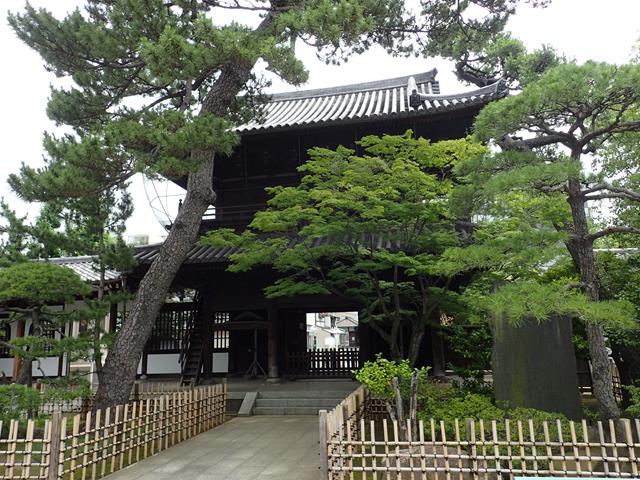
Sōtō Zen temple famous as burial site of the 47 Ronin (1703 loyalty tale). Gardens hold their graves; embodies bushido code. Read more about Sengakuji Temple
Location: Minato ward.
Closest Public Transport: Sengakuji Station (Asakusa Line) – direct.
Best Times: December 14 (ronin anniversary).Festivals: Ronin Memorial Festival (December).
Google Maps → https://maps.app.goo.gl/1NEaw4BxfJv5E87A9
Hotels Nearby:
- Keikyu EX Inn Shinagawa: Modern near station; ~10-minute subway.
- Strings by InterContinental Tokyo: Luxury; ~15-minute drive.
9. Koganji Temple (Toshima)
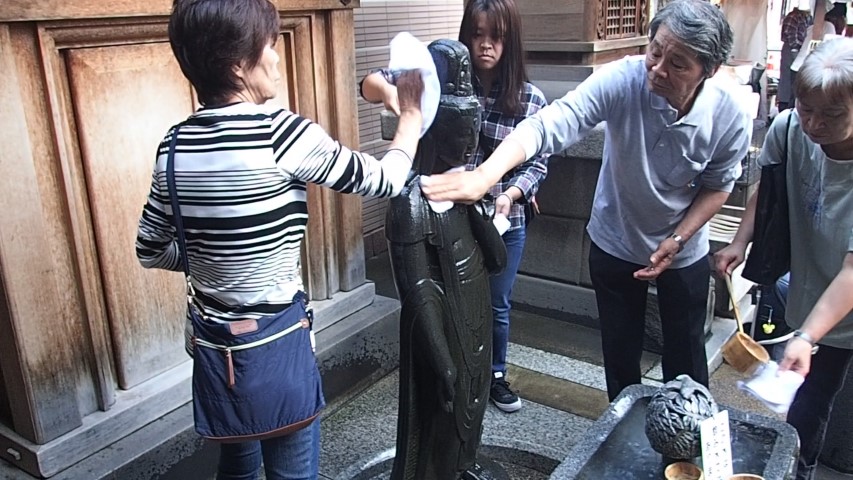
Known as “Togenuki Jizo” for healing statue washed for ailments. Popular with locals for miraculous cures.
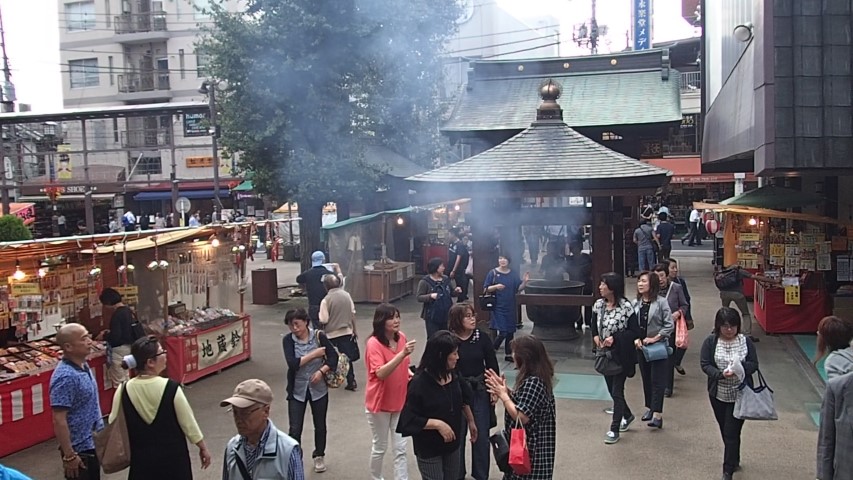
Location: Sugamo (“Harajuku for grannies”). Read more about Koganji Tem
Closest Public Transport: Sugamo Station (Yamanote Line) – 5-minute walk.
Best Times: 4th/14th/24th of month (busiest for statue washing).
Festivals: Monthly fairs with street food.
Google Maps → https://maps.app.goo.gl/HyBTCSh8ANvRvpaW7
Hotels Nearby:
- Hotel Metropolitan Tokyo Ikebukuro: Convenient; ~10-minute subway.
- Sunshine City Prince Hotel: Views; ~15-minute walk.
10. Tennoji Temple (Taito)
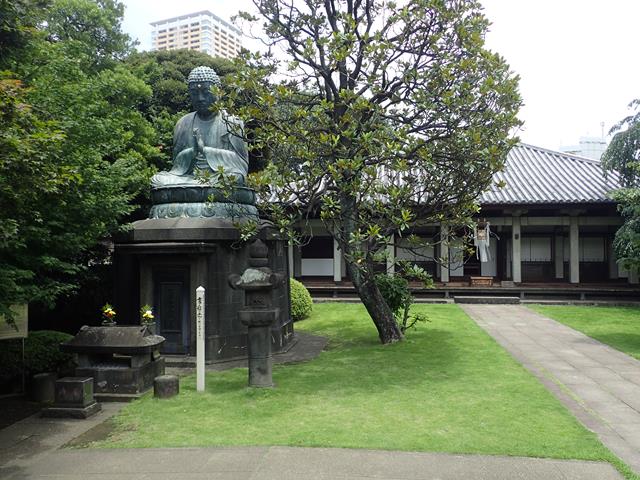
Peaceful Yanaka temple with large seated Buddha and gardens. Part of “Valley of Temples” area. Read more about Tennoji Temple
Location: Yanaka district.
Closest Public Transport: Nippori Station (Yamanote Line) – 5-minute walk.
Best Times: Autumn foliage.Festivals: Yanaka festivals (various).
Google Maps → https://maps.app.goo.gl/on8vQTsrbcmzHfEk9
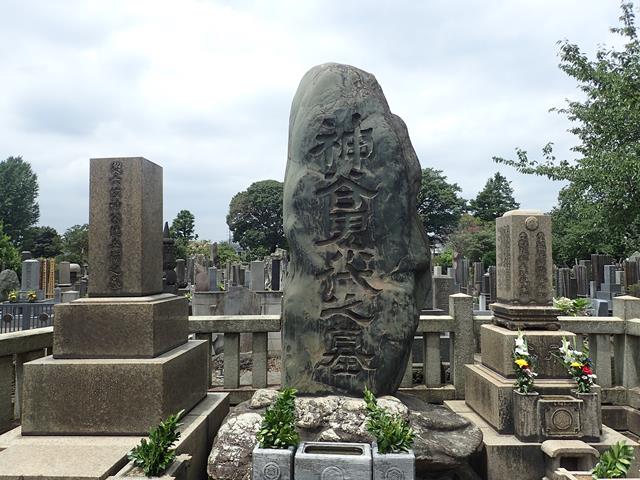
11. Zenshoan Temple (Taito)
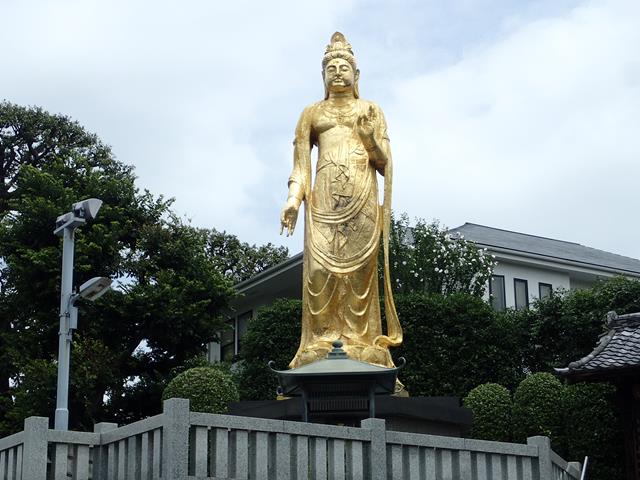
Yanaka temple with massive golden standing Buddha overlooking cemetery. Serene, lesser-visited gem.
Location: Yanaka cemetery area. Read more about Zenshoan Temple
Closest Public Transport: Nippori Station – 10-minute walk.
Best Times: Quiet weekdays.
Festivals: Local Yanaka events.
Google Maps → https://maps.app.goo.gl/kSkbNmSaoG6tMzQu6
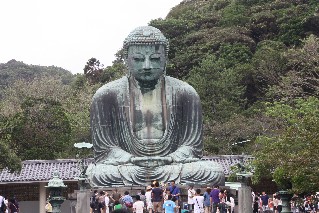
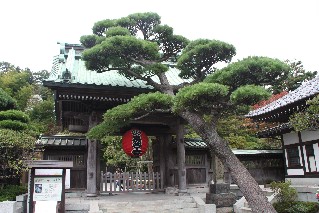
For more, day-trip to Kamakura (1 hour from Tokyo) for ancient temples like Tsurugaoka Hachimangu.Tokyo’s temples and shrines offer timeless peace amid urban chaos—plan your visits around festivals for an authentic experience. Safe travel
Kamakura – Ancient Japan just 1 hour from Tokyo.

Australian travel blogger and aviation enthusiast based in Sydney, living a relaxed retired life filled with daily flat whites. Passionate about exploring The World's hidden gems TripAtrek travel blog is on a mission: To share these gems with you.