Kamakura: Ancient Japan just 1 hour from Tokyo

Escape Tokyo’s modern buzz for a day (or weekend) in Kamakura, the ancient capital of Japan from 1185 to 1333. Just 1 hour by train southwest of central Tokyo, this coastal town was the seat of the first Shogun, Minamoto no Yoritomo, who ruled the country from here during the Kamakura period. Today, Kamakura is packed with over 100 Buddhist temples and Shinto shrines, set amid hills, forests, and the sea—offering a perfect blend of history, spirituality, and natural beauty. It’s one of the easiest and most rewarding day trips from Tokyo.
Top Attractions in Kamakura
Here are the must-sees—focus on these for a full day.
1. The Great Buddha (Daibutsu) at Kotoku-in Temple
Kamakura’s most famous sight: a massive 13.35-meter bronze Amida Buddha (Daibutsu), cast in 1252. Originally housed in a hall (destroyed by storms and tsunamis), it’s now open-air—giving it an awe-inspiring, timeless feel. You can walk inside the statue (small fee) for a look at its hollow interior. The peaceful grounds and surrounding trees make it photogenic year-round.
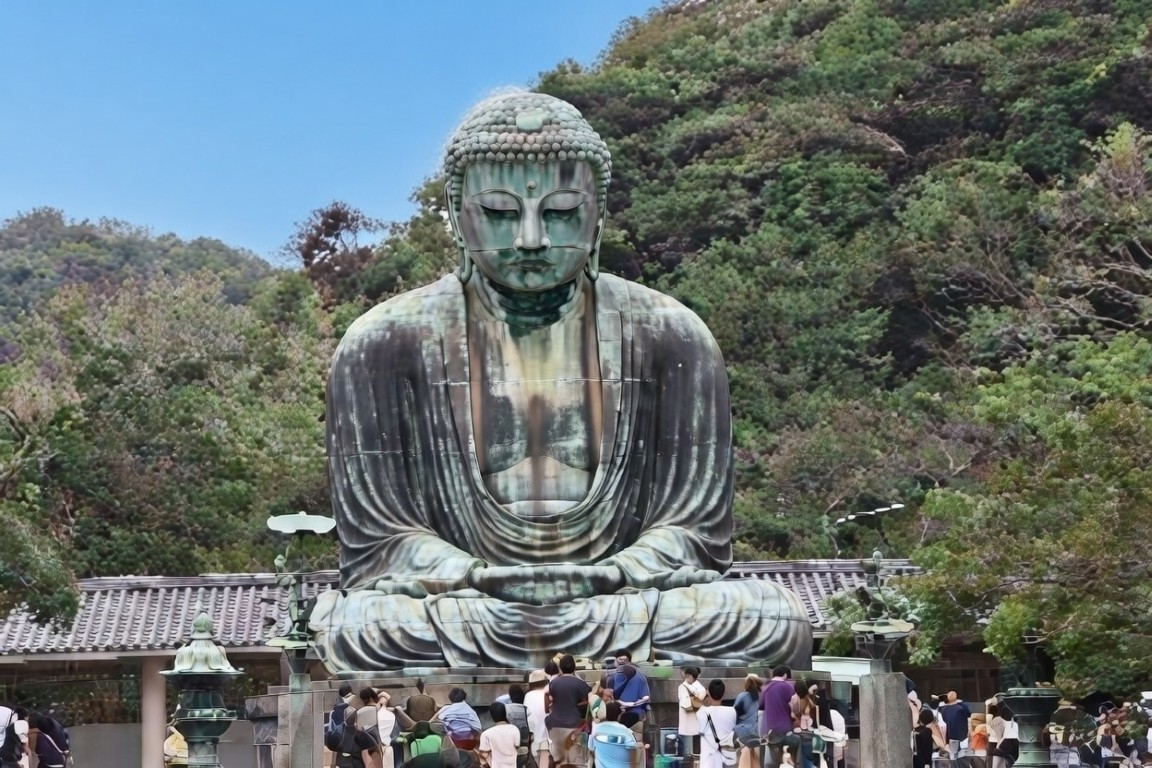
- Location: 10-minute walk from Hase Station.
- Entry: ¥300 (inside statue extra ¥50).
- Tip: Early morning or late afternoon for fewer crowds.
2. Hase-dera Temple (Hase Kannon Temple)
Just down the road from the Great Buddha, Hase-dera is a beautiful hillside temple complex famous for its 9.18-meter wooden Kannon statue (11-headed, showing stages of enlightenment)—the tallest wooden statue in Japan. The grounds feature stunning Japanese gardens, ponds, steps leading to smaller shrines, and caves (Benten-kutsu) used by monks for meditation, filled with small altars and statues.
- Highlights: Hydrangea blooms in June/July (thousands of flowers), ocean views from upper terraces.
- Entry: ¥400.
- Tip: Combine with the Daibutsu—both in Hase, easy half-day loop.
3. Tsurugaoka Hachimangu Shrine
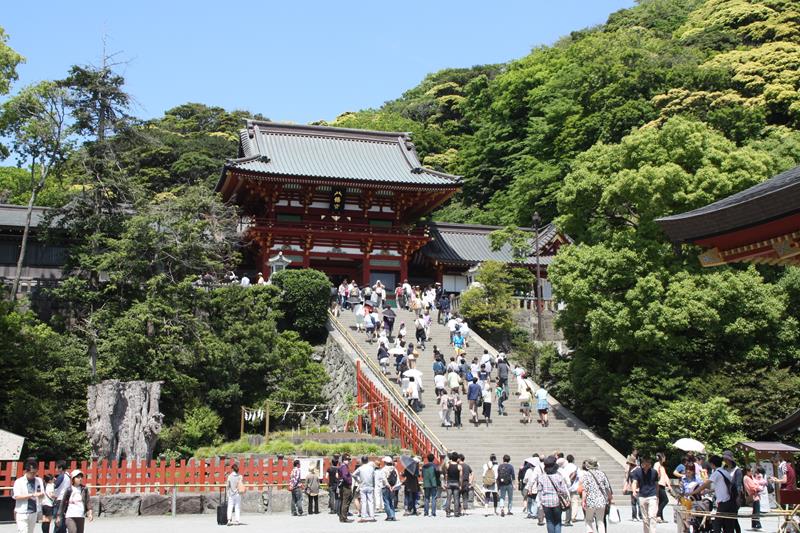
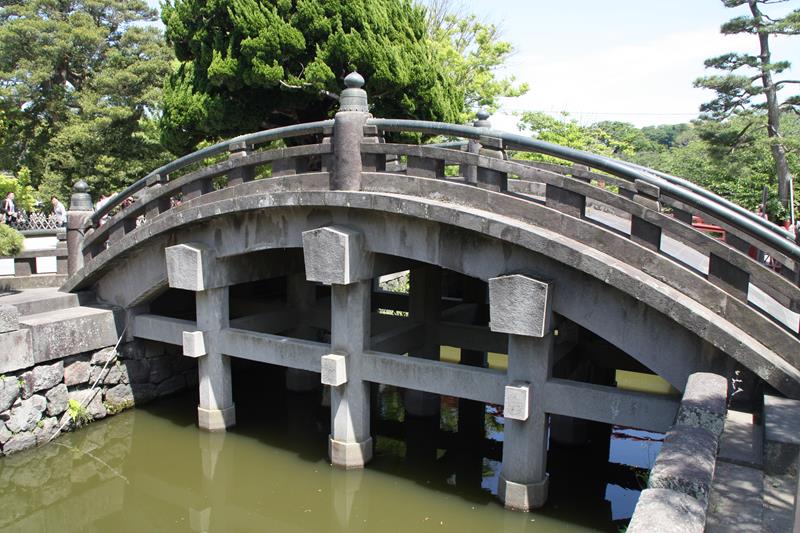
Kamakura’s most important Shinto shrine, founded in 1063 and expanded in 1180. Dedicated to Hachiman (god of war) and protector of the Minamoto shoguns. The long approach features a striking red bridge over two large ponds (Genpei Ponds), beautiful gardens, and smaller sub-shrines. It’s a peaceful, grand spot with historic significance.
- Location: 15-minute walk from Kamakura Station.
- Entry: Free (some inner areas ¥200).
- Tip: Climb the steps to the main hall for views back over the city.
4. Myohonji Temple & Nearby Shrines
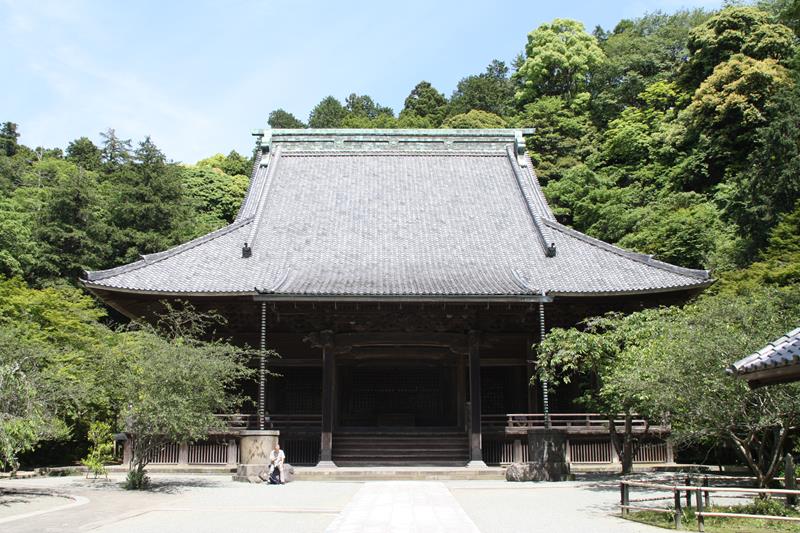
A short walk from Kamakura Station, Myohonji is a quiet Nichiren Buddhist temple on a hillside, surrounded by lush gardens. Blooming flowers (cherry blossoms in spring, Chinese trumpet creeper in summer) make it especially scenic. Nearby is tiny Yagumojinja Shrine, another hillside gem—perfect for a quick, serene stop.
- Tip: Combine these for a relaxing walk before heading to Hase.
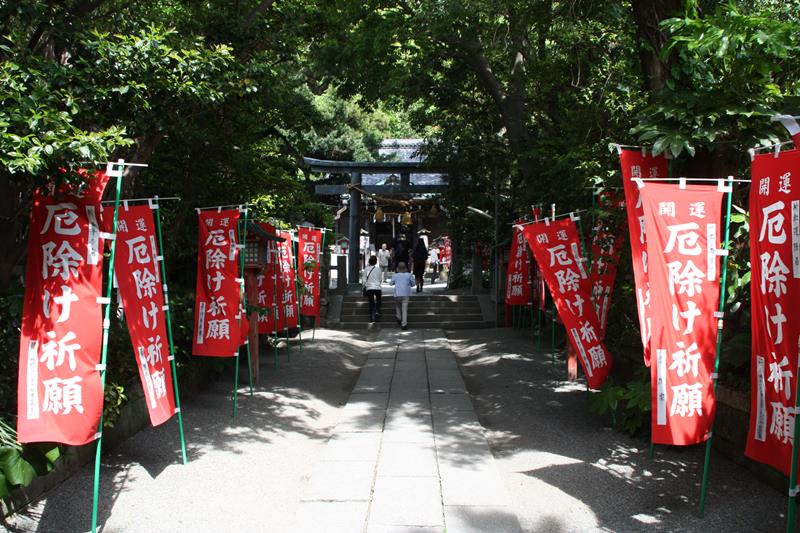
5. Yagumojinja Shrine
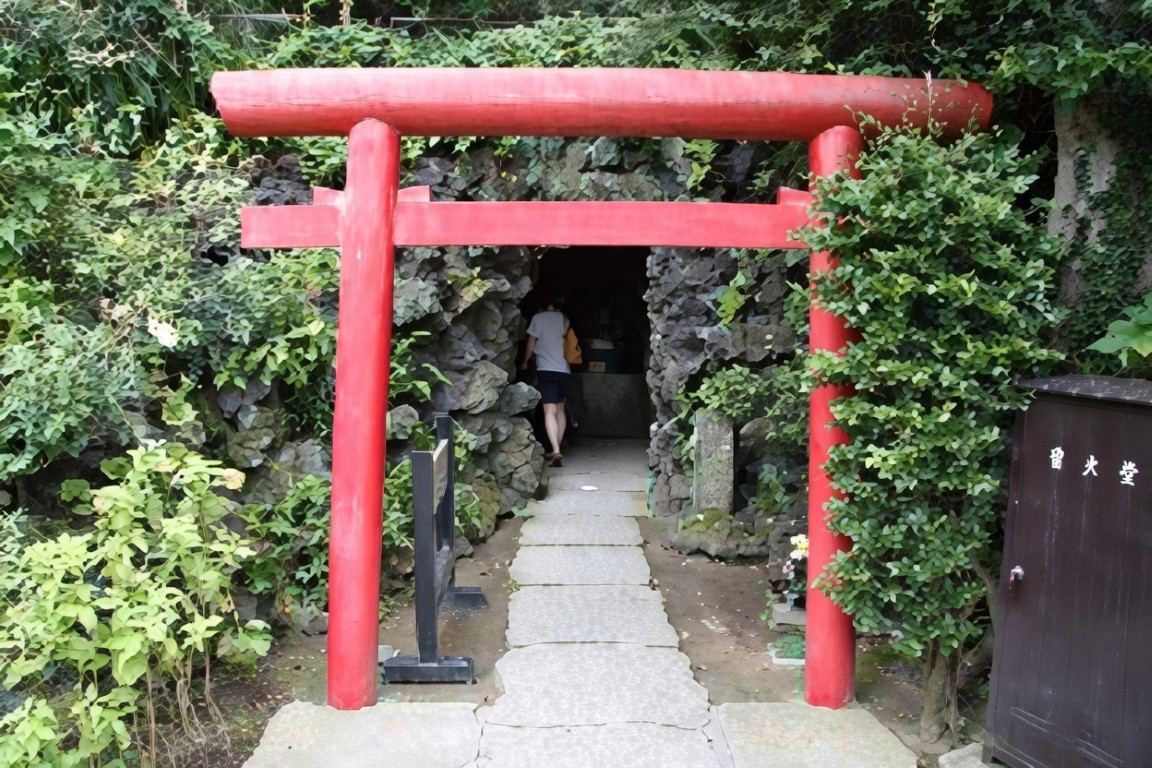
Just a few hundred meters from Myohonji Temple (easy to combine), Yagumojinja is a small but charming Shinto shrine built on the side of a hill. This hidden gem feels intimate and untouched by crowds. The shrine features traditional wooden architecture, stone lanterns, and a peaceful torii gate leading to the main hall. Surrounded by trees and greenery, it offers a quiet escape with subtle views over the area.
- Location: Short walk from Myohonji (uphill path).
- Entry: Free.
- Tip: Look for small offerings and seasonal flowers—great for photos and a moment of tranquility.
Getting to Kamakura
From Shinjuku Station, take the JR Shonan-Shinjuku Line or Yokosuka Line toward Zushi. The ride takes about 60 minutes (¥950 one way, covered by JR Pass). Get off at Kamakura Station.
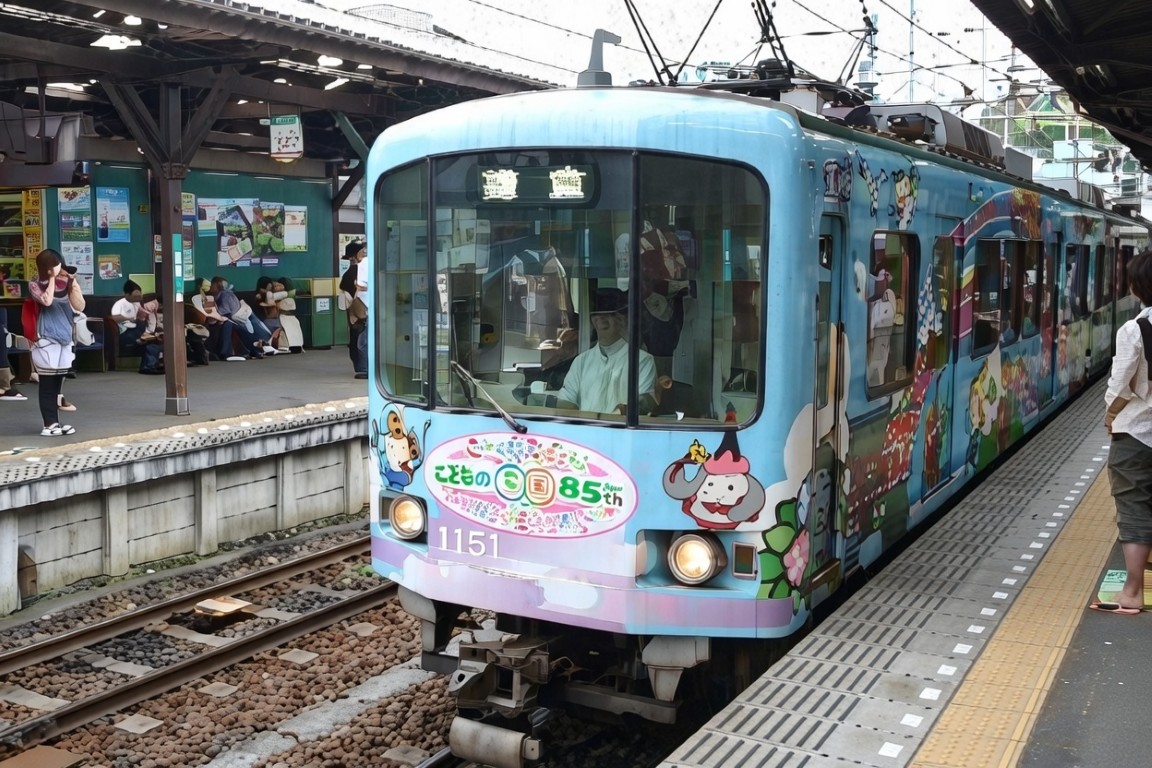
- For the Great Buddha and Hase-dera Temple: Transfer at Kamakura Station to the Enoden (Enoshima Electric Railway) line (small green trains) and ride 3 stops to Hase Station (¥200, 5 minutes).
- Most central temples/shrines are walkable from Kamakura Station.
Practical Tips for Visiting Kamakura
- Best time: Spring (cherry blossoms) or autumn (foliage); summer can be hot/humid, winter crisp and quiet.
- Transport: Enoden line is scenic and fun—small trains run along the coast.
- Food nearby: Hase and Kamakura Station areas have soba, tempura, and matcha sweets. Try shirasu (whitebait) dishes—a local specialty.
- Day trip plan: Start at Kamakura Station → Tsurugaoka Hachimangu → Hase (Daibutsu + Hase-dera) → back to Tokyo.
- Overnight: Stay in Kamakura or nearby Enoshima for a slower pace and evening temple lights.
Kamakura feels like stepping back into feudal Japan—samurai history, serene temples, and the massive Daibutsu all just an hour from Tokyo. It’s one of the most rewarding day trips in the Kanto region.
Have you visited Kamakura? What’s your favorite spot—the Great Buddha or the shrines? Drop your tips below!

Australian travel blogger and aviation enthusiast based in Sydney, living a relaxed retired life filled with daily flat whites. Passionate about exploring The World's hidden gems TripAtrek travel blog is on a mission: To share these gems with you.