Chinatown Kuala Lumpur
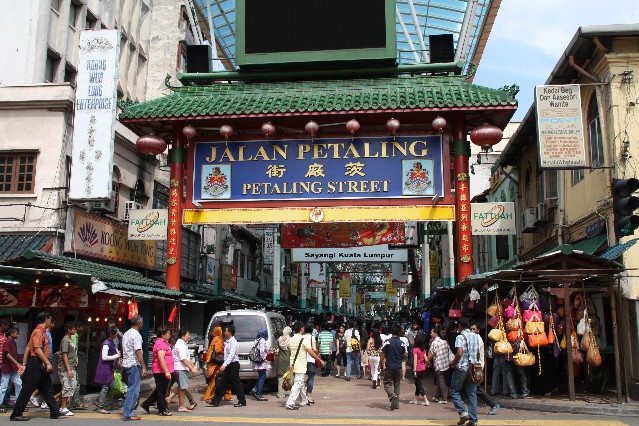
If you’re craving the electric buzz of old-school Asia in the heart of a modern capital, Chinatown Kuala Lumpur (centered on Petaling Street or Jalan Petaling) delivers in spades. This historic quarter is a sensory overload of neon signs, sizzling woks, haggling vendors, incense smoke, and golden-roofed temples — all squeezed into a few lively blocks just south of Merdeka Square. Whether you’re hunting bargains, snapping temple photos, or devouring late-night dim sum, Chinatown KL is an essential stop for any Malaysia itinerary.
Petaling Street: The Heart of the Action
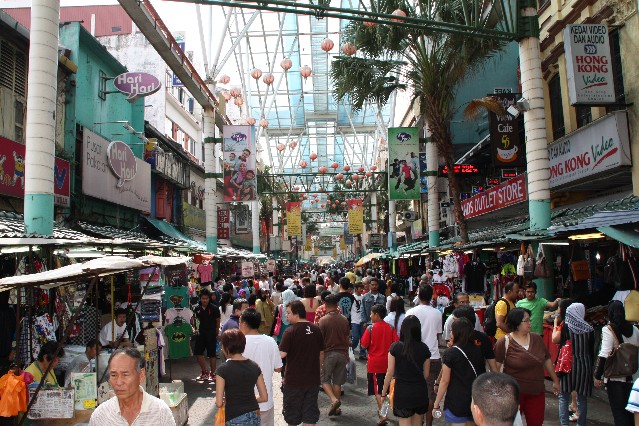
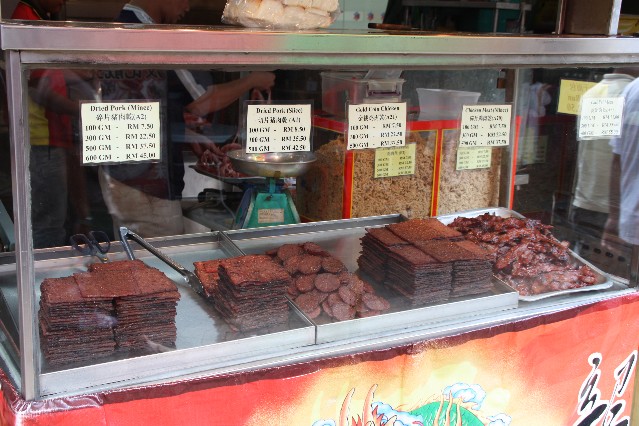
Jalan Petaling is the iconic spine of Chinatown — a pedestrianized street lined with red lanterns that transforms into a bustling night market after dark. Rows of stalls sell everything from fake designer handbags, watches, and sunglasses to affordable souvenirs, T-shirts, keychains, and quirky gadgets. Cross streets like Jalan Hang Lekir offer more of the same, plus dried fruits, roasted chestnuts, herbal teas, and exotic snacks (think preserved plums, durian candy, and bak kwa).
Bargaining is expected — start at 50–60% of the asking price and walk away if needed. The energy peaks from 6 pm onward when the street closes to traffic, food carts roll out, and the crowds swell.
Must-Visit Temples in Chinatown KL
Chinatown isn’t just shopping — it’s home to some of Kuala Lumpur’s oldest and most atmospheric places of worship.
- Guan Di Temple (Guan Di Miao)
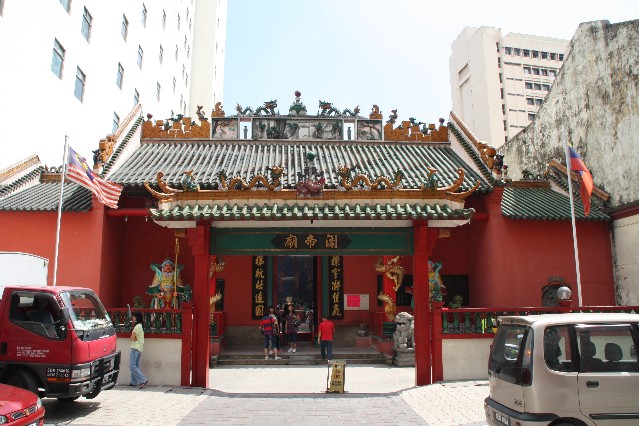
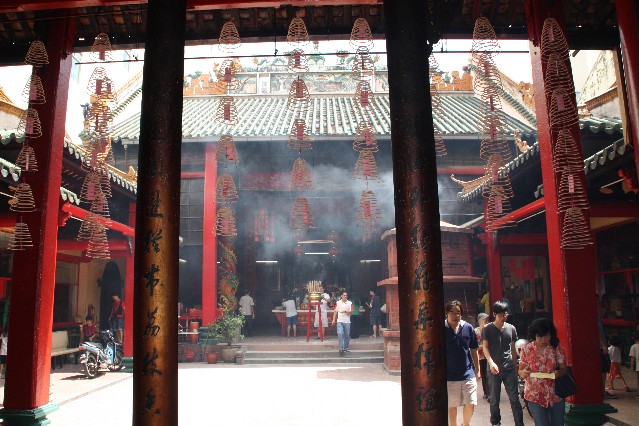
Built in 1888 on Jalan Tun HS Lee (a short walk from Petaling Street), this is one of KL’s oldest Chinese temples. Dedicated to Guan Di (the God of War and Loyalty), the striking red-and-gold interior features a large golden-faced statue of the deity flanked by his loyal attendants. Worshippers come for protection, business success, and justice. Other deities include Guan Yin (Goddess of Mercy), Choy Sun (God of Prosperity), and Wen Chong (God of Education). The incense-filled air and intricate carvings make it a peaceful contrast to the street chaos outside. - Chan See Shu Yuen Clan Association (Green Temple)
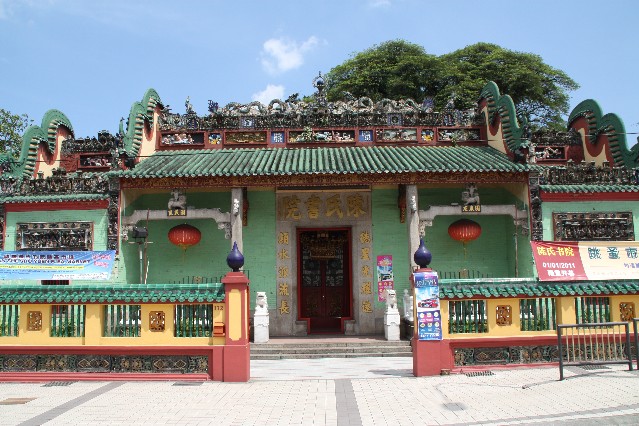
Constructed in 1906, this beautiful clan house (often called the “Green Temple” for its emerald-tiled roof) blends Chinese architecture with clan heritage. Step through the ornate entrance into an open courtyard surrounded by pavilions — it’s a serene spot to escape the market noise and admire the detailed woodwork and murals. - Guan Yin Temple (Goddess of Mercy Temple)
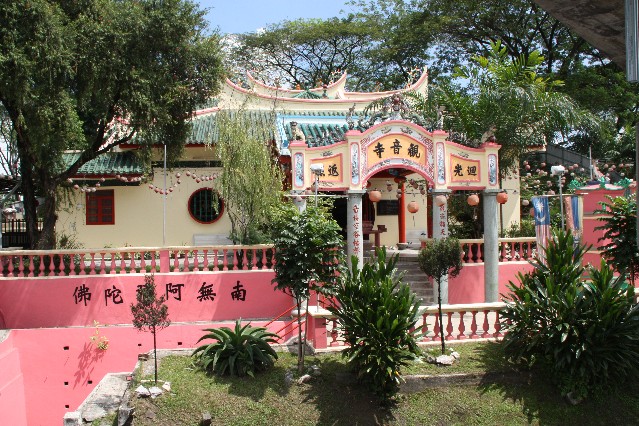
Dating back to 1880 on Jalan Tun HS Lee, this temple mixes traditional Chinese design with European Baroque influences. The main altar features three statues: Sakyamuni Buddha in the center, Guan Yin (Goddess of Mercy) on the right, and Qian Shou Guan Yin (Thousand-Handed Goddess of Mercy) on the left. The blend of styles and the calming atmosphere make it a hidden gem. - Sri Maha Mariamman Temple
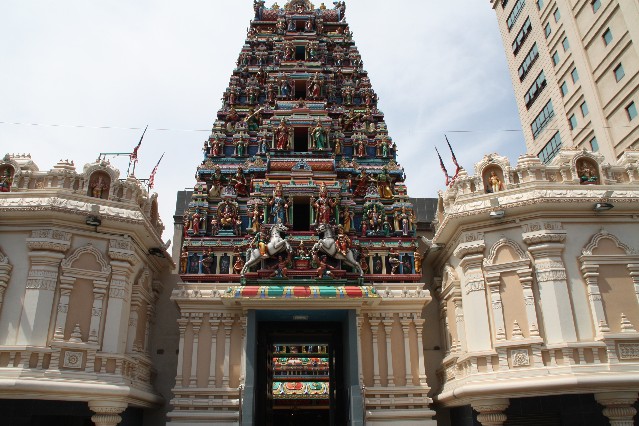
Technically a Hindu temple (built 1873 as a private shrine, opened to the public in 1920), it’s right in Chinatown on Jalan Tun HS Lee. The 23-meter-tall, five-tiered gopuram (gateway tower) is carved with Hindu deities including Ganesha, Muruga, Shiva, and Lakshmi. Inside, a vault houses Malaysia’s tallest silver Hindu chariot — used during the annual Thaipusam festival. The vibrant colors and devotion here add another layer to Chinatown’s multicultural charm.
Food: From Street Eats to Regional Chinese Delicacies
Chinatown is a foodie’s paradise. You’ll find stalls and restaurants serving Cantonese dim sum, Hainanese chicken rice, Hakka yong tau foo, Sichuan hotpot, and Penang-style laksa. Look for:
- Grilled satay and char kway teow at street carts
- Steamed buns, dumplings, and congee in tiny shophouses
- Late-night dessert spots with mango pomelo sago and tau fu fa
Many places stay open until 1–2 am — perfect for post-market munchies.Practical Tips for Visiting Chinatown KL
- Best Time: Evenings (6–11 pm) for the full night-market vibe and cooler temperatures.
- Getting There: Walk from Pasar Seni MRT (5–7 min) or take the LRT to Plaza Rakyat / Maharajalela Monorail.
- Safety: Standard big-city precautions — watch for pickpockets in crowds, stick to well-lit areas at night.
- Dress: Modest clothing for temples (cover shoulders/knees; remove shoes inside).
- Combine With: Nearby Central Market, Merdeka Square, or a quick hop to Bukit Bintang for more nightlife.
Chinatown Kuala Lumpur isn’t polished or tourist-perfect — and that’s exactly why it’s unforgettable. It’s raw, colorful, chaotic, and deeply authentic. Grab some roasted chestnuts, light a joss stick at Guan Di Temple, and let the neon lights guide you through the night. Have you explored Petaling Street yet? Share your favorite find or hidden gem below — happy travels!
Check out the location of Chinatown in Kuala Lumpur

Australian travel blogger and aviation enthusiast based in Sydney, living a relaxed retired life filled with daily flat whites. Passionate about exploring The World's hidden gems TripAtrek travel blog is on a mission: To share these gems with you.