Goa Gajah – Elephant Cave Hindu Shrine Bali
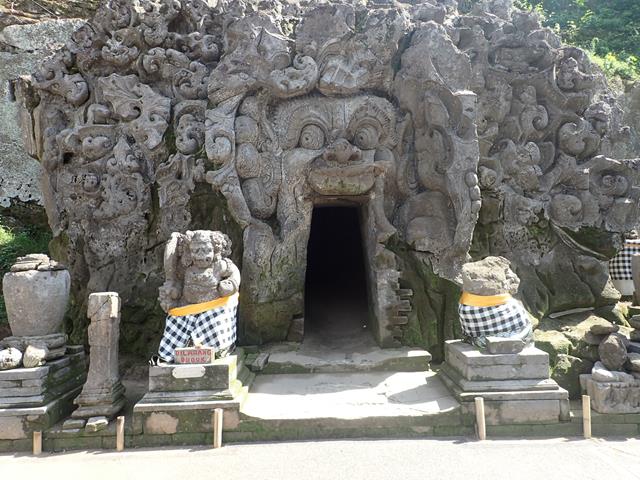
Nestled in the lush hills just outside Ubud, Goa Gajah—also known as the Elephant Cave—is one of Bali’s most intriguing historical sites. This compact yet captivating Hindu shrine offers a glimpse into the island’s rich spiritual heritage, blending ancient architecture, serene natural springs, and a touch of mystery. Despite its name, you won’t find any elephants here (except for a stone statue at the entrance), but what you will discover is a peaceful escape from Bali’s bustling tourist trails. Perfect for history buffs, spiritual seekers, and casual explorers, Goa Gajah is a must-visit on any Bali itinerary—especially if you’re based in Ubud or nearby areas.
Whether you’re climbing the steps to the cave’s mouth or dipping into the holy springs, this site embodies Bali’s harmonious blend of nature, religion, and culture. Here’s everything you need to know to plan your visit in 2026.
The Rich History of Goa Gajah: From Ancient Sanctuary to Rediscovered Gem
Goa Gajah’s origins date back to the 9th to 11th centuries, making it one of Bali’s oldest Hindu shrines. Believed to have been carved during the era of the ancient Bali Kingdom, the cave served as a sacred sanctuary for spiritual meditation and rituals. Archaeological evidence suggests it was influenced by both Hinduism and Buddhism, reflecting the religious syncretism common in ancient Bali.
The cave’s name, “Goa Gajah” (Elephant Cave), may derive from the nearby Petanu River, once called “Lwa Gajah” (Elephant River), or from the elephant-like appearance of the entrance’s carvings. The site was first mentioned in a 14th-century Javanese poem, Desawarnana, but fell into obscurity over time. It was rediscovered in 1923 by Dutch archaeologists and fully excavated in 1954 by Indonesian experts, revealing intricate reliefs, bathing pools, and meditation niches.
Historians believe the cave was used by Hindu priests for ascetic practices, with the small ledges inside serving as seats for deep meditation. The site’s proximity to a river junction (campuhan) made it sacred, as flowing water symbolizes purification in Balinese Hinduism. Artifacts like stupa carvings and linga-yoni symbols highlight its dual Hindu-Buddhist roots—Buddhist imagery includes chattra (umbrella-like structures), while the seven nymph statues in the bathing pool represent the Widyadara-Widyadari, celestial beings tied to Hindu mythology and the seven holy rivers of India.
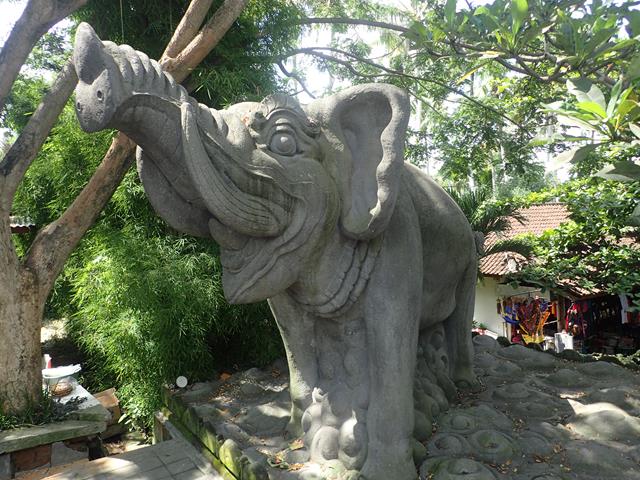
Today, Goa Gajah is a UNESCO-recognized part of Bali’s Subak irrigation system and cultural landscape, preserving its role as a living heritage site where locals still perform rituals.What to Expect at Goa Gajah: A Step-by-Step Journey Through the SiteGoa Gajah is compact—most visitors spend 30–60 minutes exploring—but it’s packed with fascinating features. Start at the entrance, where a large stone elephant statue greets you (the site’s only “elephant” reference).
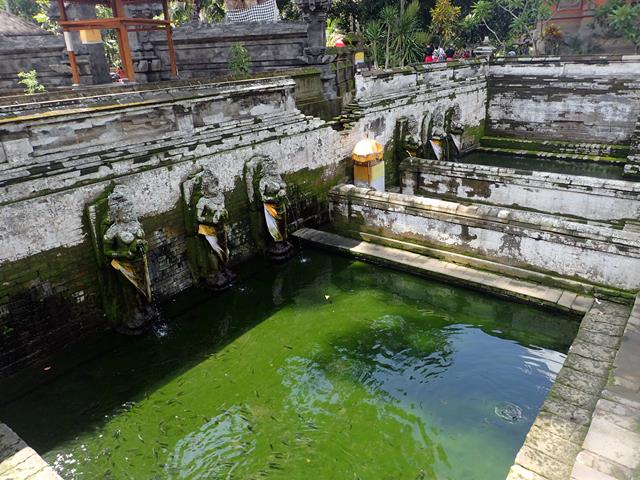
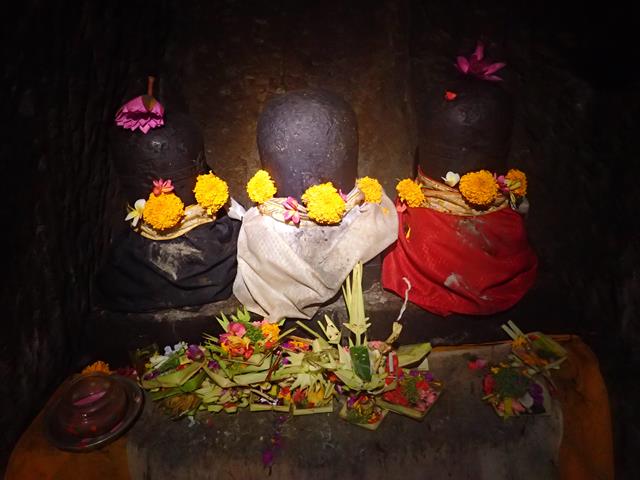
Descend a flight of stairs through lush greenery to the main grounds. Here, you’ll encounter the iconic bathing pool with seven carved statues of nymphs (Widyadara-Widyadari) pouring water from vases. These represent the seven sacred rivers of Hinduism, and the natural spring water is used for ritual cleansing. Worshippers (and visitors) can participate in a purification ceremony, splashing the holy water for spiritual renewal.
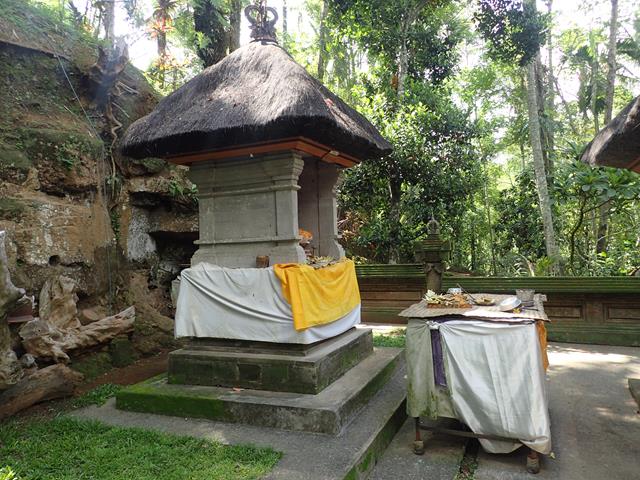
The highlight is the Elephant Cave itself—a small, T-shaped cavern with a dramatic entrance carved like a demonic mouth (symbolizing protection against evil). Inside, the dim space features niches for meditation and shrines to Hindu deities. Turn right to find the most sacred altar dedicated to the Hindu Trinity: Brahma (creator), Vishnu (preserver), and Shiva (destroyer). The cave’s intimate size enhances its mystical atmosphere—perfect for quiet reflection.Continue down more steps to the lower grounds, where a small Buddhist temple stands. Sadly, its original Buddha statue was stolen (likely for the black market), but the structure remains a poignant reminder of the site’s interfaith history.
Entrance Fees, Rules, and Etiquette: What You Need to Know
As of 2026, the entrance fee to Goa Gajah is IDR 50,000 (about USD 3.20) for adults and IDR 25,000 (about USD 1.60) for children (ages 5–11; free for under 5). This includes a complimentary sarong for modesty. Fees support site maintenance and are payable at the ticket office near the parking area.Opening hours are typically 8 AM to 6 PM daily, but confirm via local apps or your hotel, as times can vary with ceremonies.
Two key rules are posted at the entrance in multiple languages:
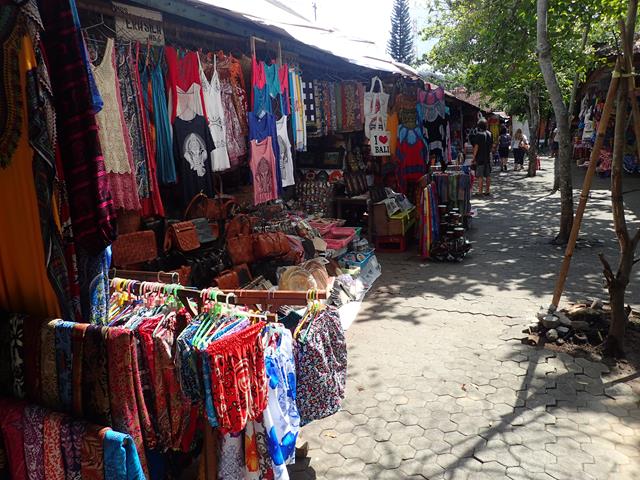
- Dress Appropriately: Cover your legs and shoulders. Shorts, singlets, or tank tops require a sarong (provided free with your ticket). Ignore vendors selling sarongs on the way in—they’re not mandatory.
- Menstruation Restriction: Women on their period are traditionally forbidden from entering Hindu shrines, as it’s considered spiritually impure. Enforcement is honor-based, but locals warn that knowingly breaking this could invite “bad spirits.” Enter at your own risk, but respect the cultural norm.
Be mindful: Remove shoes before entering the cave, avoid touching shrines, and keep noise low during rituals.
Guided Tours: Worth It or Skip?
Upon arriving at the cave level, you’ll likely be approached by local guides offering personalized tours (15–30 minutes) for a “voluntary” donation. They often share stories about working in nearby rice fields and contributing to the temple. Suggested tips range from USD 20–30, but IDR 100,000 (about USD 6.50) is generous for a good explanation.
A guide can enrich your visit with insights into symbolism and history, but if you’re on a budget, self-explore with free apps or signage.
Getting to Goa Gajah: Travel Times from Bali’s Top Tourist Areas
Goa Gajah is about 5 km southeast of Ubud, making it an easy day trip. Bali’s traffic can vary, so use Grab/GoJek apps or hire a driver for accuracy. Here’s approximate driving times (via car/taxi; add extra for scooters or buses):
- From Ubud: 10–15 minutes (5 km) – Closest and easiest; many combine with Tegallalang Rice Terraces.
- From Sanur: 45 minutes (24 km) – Scenic drive through rice fields; great for beach-based stays.
- From Seminyak: 1 hour 15 minutes (31 km) – From trendy Seminyak, expect some urban traffic before rural roads.
- From Nusa Dua: 1 hour 30 minutes (48 km) – Longest from luxury resorts; pair with southern sights like Uluwatu.
- From Canggu: 1 hour 30 minutes (30 km) – Similar to Seminyak; watch for Canggu’s congestion.
Pro Tip: Hire a private driver for IDR 500,000–800,000/day (USD 32–52) to bundle with nearby spots. Public transport is limited—buses from Ubud cost IDR 10,000 but run irregularly.
Nearby Attractions: Extend Your Adventure
Goa Gajah pairs perfectly with Ubud’s cultural highlights. Here are top spots within 30 minutes:
- Tegallalang Rice Terraces (10–15 min drive): Iconic UNESCO-listed terraces with emerald layers, swings, and cafes. Wander the paths or sip luwak coffee—Bali’s most photographed rice fields.
- Pakudui Village – enowned for its excellent wooden carvings and sculptures, especially intricate pieces featuring mythical creatures like the Garuda – close to the Teggallalang Rice Terraces.
- Yeh Pulu Rock Carvings (5 min walk/drive): Ancient 14th-century reliefs depicting daily Balinese life; a short trail from Goa Gajah.
- Tirta Empul Temple (20 min drive): Sacred water temple for purification rituals; famous for its holy springs.
- Bali Pulina Coffee Plantation (15 min drive): Tour agrotourism site for luwak coffee tasting amid rice views.
- Gaya Ceramic Arts Centre (10 min drive): Modern gallery with Balinese pottery and workshops.
- Tegenungan Waterfall (20 min drive): Refreshing cascade for swimming and photos.
- Other Rice Fields: For more terraces, head to Jatiluwih (1 hour away, UNESCO site with vast vistas) or Sesandan in Tabanan (farther but less crowded).
These make Goa Gajah a hub for a full day of cultural immersion—start early to beat the heat.
Why Visit Goa Gajah? A Serene Slice of Bali’s Soul
Goa Gajah isn’t Bali’s flashiest attraction, but its ancient charm, spiritual depth, and uncrowded vibe make it a rewarding detour. Whether meditating in the cave, cleansing in the springs, or simply soaking in the history, it’s a reminder of Bali’s enduring Hindu roots amid modern tourism.
Plan your trip — pair it with Ubud’s arts scene or nearby rice fields for an unforgettable day. Bali awaits!

Australian travel blogger and aviation enthusiast based in Sydney, living a relaxed retired life filled with daily flat whites. Passionate about exploring The World's hidden gems TripAtrek travel blog is on a mission: To share these gems with you.