Water Palace Gardens – Tirta Gangga Bali
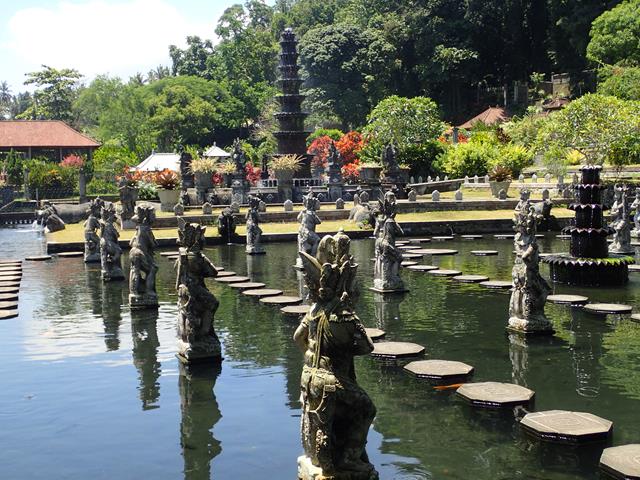
Nestled in the lush eastern highlands of Bali, Tirta Gangga—known as the Water Palace Gardens—is a captivating blend of royal elegance, spiritual symbolism, and natural beauty. This 1.2-hectare complex, about 90 kilometers northeast of Kuta, offers a peaceful escape from Bali’s busier tourist spots. Translating to “holy water from the Ganges” in Balinese, Tirta Gangga features tiered pools, ornate fountains, manicured gardens, and intricate statues, all fed by natural springs. It’s a perfect day trip for those seeking tranquility, cultural immersion, and Instagram-worthy views—especially if you’re diving or snorkeling in nearby Candidasa or Amed. Whether strolling the pathways, swimming in sacred pools, or simply soaking in the serene vibe, Tirta Gangga embodies Bali’s harmonious spirit.
Built halfway between Candidasa and Amed, it’s an ideal stop for east-coast explorers. In this guide, we’ll dive into its fascinating history, what to expect, practical tips, and how to get there from Bali’s popular areas.
The Rich History of Tirta Gangga: From Royal Vision to Volcanic Rebirth
Tirta Gangga’s story begins in 1946, when Anak Agung Anglurah Ketut Karangasem Agung—the last Raja (king) of Karangasem—commissioned the palace as a personal retreat and public water garden. As the ruler of Bali’s eastern Karangasem Regency, the king drew inspiration from Balinese Hindu water symbolism and Chinese architectural elements, creating a space for relaxation, ceremonies, and community gatherings. The name “Tirta Gangga” honors the sacred Ganges River in India, reflecting Bali’s deep Hindu roots where water represents purity and life.
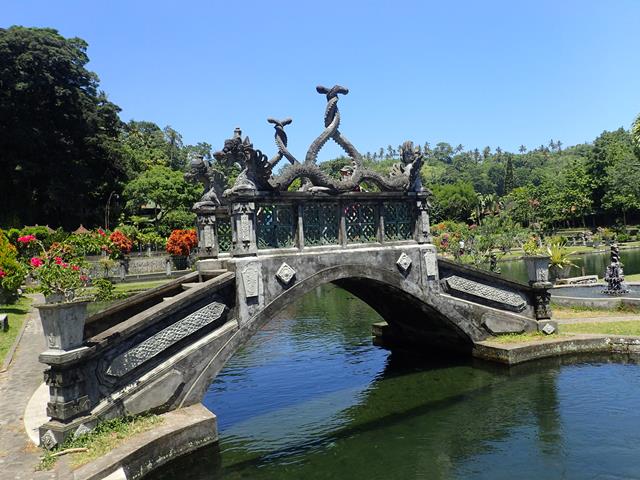
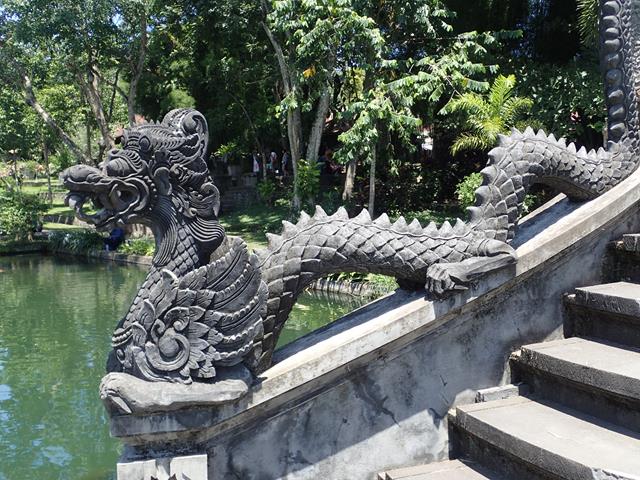
The king personally oversaw the construction, incorporating three tiers symbolizing Balinese cosmology: the lower level for demons (Bhur), the middle for humans (Bwah), and the upper for gods (Swah). Fountains, pools, and statues were designed with a mix of Balinese ornate carvings and Chinese dragons, showcasing cultural fusion. The site was built around a holy spring, believed to have purifying powers, and served as a royal bathing area while also providing irrigation for surrounding rice fields—aligning with Bali’s Subak system (a UNESCO-recognized cooperative water management tradition).
Tragedy struck in 1963 when Mount Agung erupted catastrophically, destroying much of the palace with ash, lava flows, and earthquakes. The king led the initial rebuilding efforts, even laying stones himself, but full restoration took until 1979. Today, Tirta Gangga stands as a testament to resilience, blending its royal past with ongoing spiritual significance. Locals still use the springs for rituals, and the site attracts visitors for its historical depth and photogenic charm.
What to Expect at Tirta Gangga: A Garden of Wonders
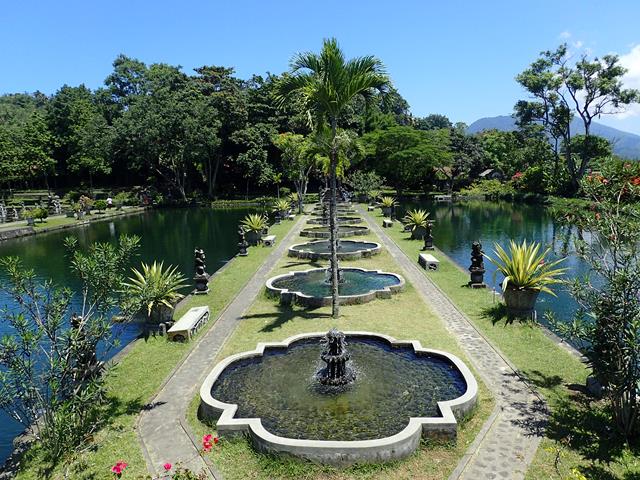
Spanning 1.2 hectares, Tirta Gangga feels like a royal playground frozen in time. Enter through grand gates and descend to the main pools, where water flows from dragon statues and ornate fountains. The architecture fuses Balinese pavilions with Chinese influences—think intricate stone carvings, lily ponds, and bridges over koi-filled waters.
Key highlights:
- Swimming Pools: The site’s star attraction—spring-fed pools open for bathing (bring swimwear). The main one is divided for men/women, with crystal-clear water believed to have healing properties.
- Fountains and Statues: Wander among mythical creatures, gods, and dragons spraying water—perfect for photos.
- Gardens and Pathways: Lush lawns, flower beds, and stepping stones over ponds create a meditative maze.
- Patirthan Temple: A small shrine honoring the holy springs, emphasizing the site’s spiritual role.
It’s family-friendly, with shallow areas for kids, but note the uneven paths and stairs—wear comfortable shoes.
Entrance Fees and Practical Tips for 2026
As of 2026, entrance fees to Tirta Gangga are affordable and support maintenance:
- Adults (foreigners): IDR 90,000 (about USD 5.80)
- Children (5–12 years, foreigners): IDR 45,000 (about USD 2.90)
- Seniors (65+, foreigners): IDR 70,000 (about USD 4.50)
- Domestic visitors: Lower rates (IDR 35,000–45,000 for adults)
- Children under 5: Free
- Additional fees: IDR 10,000 for bathing in the pools; IDR 20,000 for a traditional boat ride; IDR 5,000 for fish food or parking (scooters IDR 5,000, cars IDR 10,000)
Opening hours: Daily from 6 AM to 7 PM. Arrive early (before 9 AM) to avoid crowds or late afternoon for golden-hour photos. Dress modestly—sarongs are provided if needed. Bring sunscreen, water, and cash (no ATMs nearby). Respect rituals: No swimming during ceremonies, and keep noise low.
Getting to Tirta Gangga: Travel Times from Bali’s Tourist Hubs
Tirta Gangga is in east Bali’s Karangasem Regency, about 90 km from Kuta. Bali’s winding roads and traffic can extend times, so use Grab/GoJek or a private driver. Approximate drive times (via car/taxi; add 20–30% for scooters or buses):
- From Ubud: 1.5–2 hours (60 km) – Scenic through rice terraces; easiest access.
- From Sanur: 2 hours (75 km) – Straightforward coastal then inland route.
- From Nusa Dua: 2.45–3 hours (90 km) – Longer from luxury resorts; pass through Sanur.
- From Kuta: 2.5 hours (80 km) – Expect urban traffic at the start.
- From Seminyak: 2.5–3 hours (80 km) – Similar to Kuta; coastal vibes early on.
- From Canggu: 2.45–3 hours (80 km) – From trendy Canggu, watch for congestion; rural beauty later.
Pro Tip: Hire a driver for IDR 500,000–800,000/day (USD 32–52) to include stops. Public buses are cheap but infrequent; rideshares work from Ubud/Sanur.
Nearby Attractions: Extend Your East Bali Adventure
Tirta Gangga is a gateway to east Bali’s underrated gems—combine for a full day of exploration:
- Lempuyang Temple (Gates of Heaven): 30-minute drive north; iconic “heaven’s gate” with Mount Agung views—Bali’s most photographed temple (arrive early to beat queues).
- Taman Ujung Water Palace: 30-minute drive south; another royal garden by the same king—elegant pools, pavilions, and sea views.
- Lahangan Sweet Viewpoint: 20-minute drive; panoramic lookout over Mount Agung, rice fields, and coastline—great for sunrises/sunsets.
- Amed Beach: 30-minute drive northeast; chilled coastal town with black-sand beaches, snorkeling, and diving spots.
- Mount Batur and Lake Batur: 1–1.5 hours west; volcanic caldera with hot springs, hikes, and lake views—perfect for adventure seekers.
- Candidasa: 20-minute drive south; seaside town with temples, lagoons, and fresh seafood.
These spots highlight east Bali’s natural beauty and cultural depth—less crowded than south Bali, with authentic vibes.
Why Visit Tirta Gangga? A Timeless Bali Highlight
Tirta Gangga isn’t just gardens—it’s a living piece of Bali’s royal and spiritual legacy. Whether splashing in holy pools, admiring dragon fountains, or reflecting on its volcanic rebirth, it’s a serene antidote to Bali’s busier beaches. With sustainable tourism on the rise, it’s an eco-conscious choice supporting local communities.
Plan your east Bali escape—combine with nearby temples or beaches for an unforgettable day. Bali’s water palace awaits!
See the location of the Water Palace Gardens in Bali

Australian travel blogger and aviation enthusiast based in Sydney, living a relaxed retired life filled with daily flat whites. Passionate about exploring The World's hidden gems TripAtrek travel blog is on a mission: To share these gems with you.