Hanazono Shrine Shinjuku Tokyo
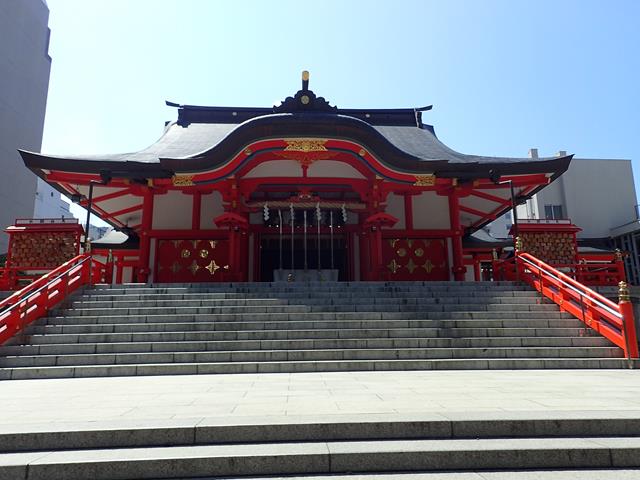
Hanazono Shrine Shinjuku Tokyo: A Timeless Oasis in the Heart of the City
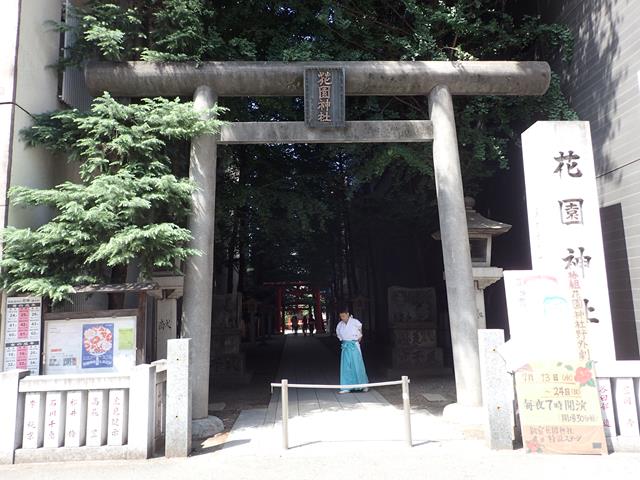
Nestled amid the neon chaos of skyscrapers, bustling streets, and endless crowds in Shinjuku—one of Tokyo’s most vibrant business and entertainment districts—lies Hanazono Shrine (花園神社, Hanazono Jinja). Its name literally means “Flower Garden Shrine,” evoking a peaceful escape from the urban jungle. This historic Shinto shrine offers a serene contrast to the concrete surroundings, serving as a guardian of prosperity, success, and good fortune for locals and visitors alike.
Despite its modest size, Hanazono Shrine stands as one of Shinjuku’s most beloved spiritual sites. Surrounded by towering buildings and just steps from the lively Kabukicho district, it remains a tranquil haven where people pause to pray, reflect, and seek blessings.
Rich History: From Edo Flower Gardens to Modern Guardian
Hanazono Shrine’s origins date back to the late 16th century, before the Edo period (1603–1868) fully began. Historical records indicate it already existed by 1590, when Tokugawa Ieyasu took control of Edo (now Tokyo). The shrine was originally located about 250 meters south, near what is now the Isetan Shinjuku department store.
In the Kan’ei era (1624–1644), it was relocated to the gardens of the Owari-Tokugawa clan’s suburban villa—an area once filled with colorful flowers and fields growing crops like bell peppers (capsicum) and squash. This “flower garden” (hanazono) gave the shrine its enduring name. The move was to make way for a shogun vassal’s residence, highlighting how the shrine adapted to Edo’s rapid urban development.
Originally, Hanazono was a syncretic site blending Shinto and Buddhism, with a Shingon Buddhist branch temple co-located and managed by a Buddhist priest. During the Meiji Restoration (1868 onward), the government separated Shinto and Buddhism (shinbutsu bunri), removing Buddhist elements to make it purely Shinto. At the time, it was mistakenly listed as a simple “town Inari shrine,” but it was officially named “Hanazono Shrine” in 1965.
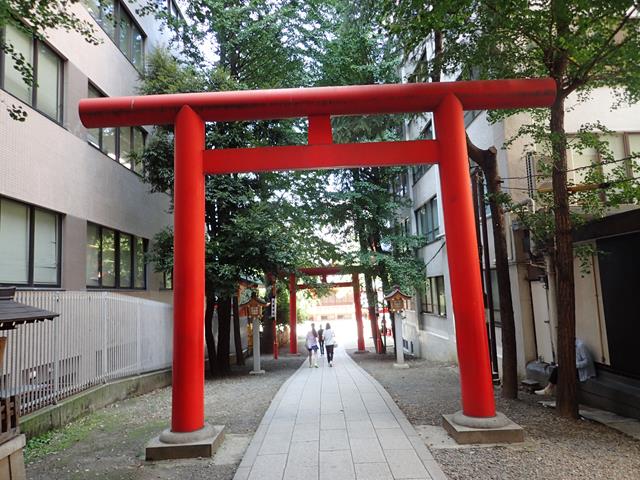
The shrine is dedicated to Inari Okami, the kami of rice, agriculture, prosperity, business success, and worldly fortune. Over centuries, it became the protector of Naito Shinjuku (a historic post town along the Koshu Kaido and Ome Kaido roads), attracting merchants, craftsmen, entertainers, and travelers. Its location in what became Shinjuku’s entertainment district deepened ties to performers and nightlife.
Despite WWII bombings and urban growth, Hanazono Shrine survived largely intact, with periodic restorations keeping its vermilion buildings vibrant. Today, it stands as a symbol of resilience— a quiet guardian amid Shinjuku’s relentless energy.
What to See and Experience
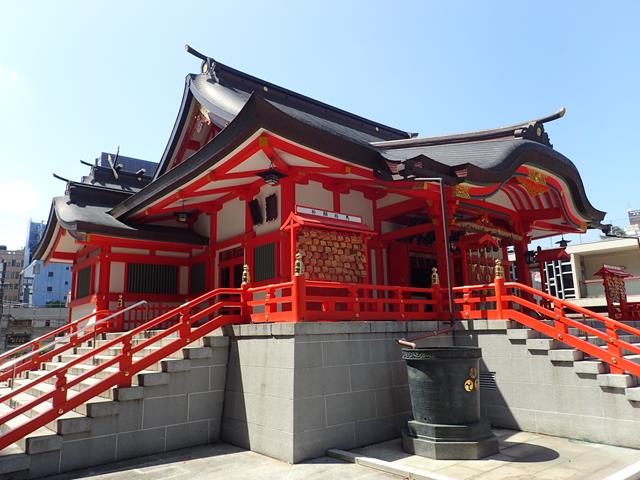
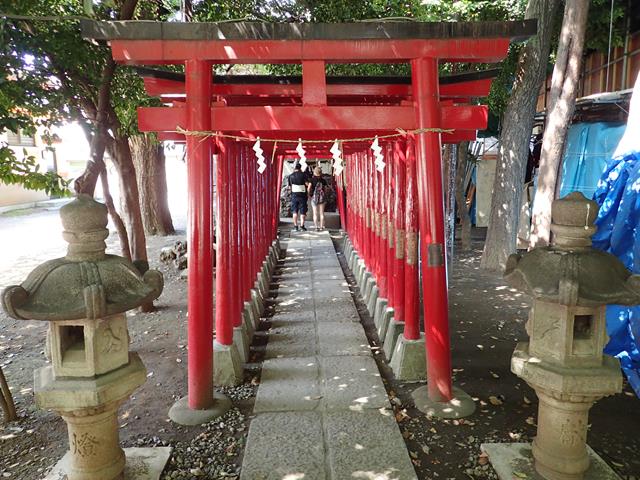
- Torii Gates and Grounds: Multiple vermilion torii gates mark the entrances, a classic Shinto feature. The main hall is bright red with ornate details.
- Smaller Shrines: Auxiliary sites include Itoku Inari Shrine (matchmaking, love, and family harmony—popular with young couples) and Geinō Asama Shrine (arts, entertainment, and performance success—drawing actors, musicians, and Kabukicho entertainers). Behind vivid red torii lies a series of smaller gates and prayer areas.
- Ema Prayer Plaques: Wooden ema boards hang in rows—visitors write wishes and hang them for the kami to see.
- Daily Worship: Locals and commuters stop by mornings/evenings. They toss coins into the offering box (saisen-bako), ring the large bell (to awaken the spirits), bow twice, clap twice, pray, and bow again.
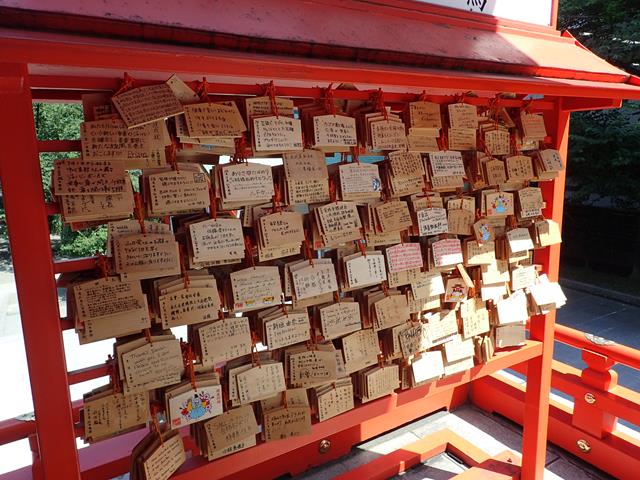
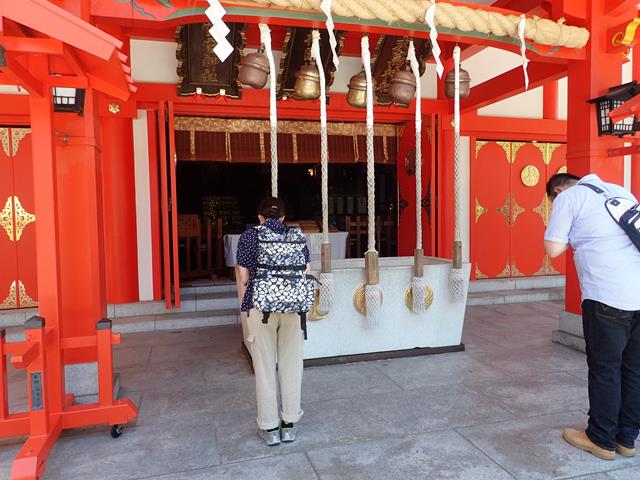
Festivals and Events: Vibrant Traditions Year-Round
Hanazono Shrine hosts lively matsuri (festivals) that draw crowds and transform the grounds into a festive hub with food stalls (yatai) open late.
- Reitaisai Grand Festival (late May): The shrine’s main annual event, held over the weekend (Saturday–Monday, sometimes including Friday) closest to May 28. In major years, ornate floats and massive portable shrines (mikoshi, including a 1.5-ton Honsha mikoshi) parade through Yasukuni-dori, Shinjuku-dori, and Meiji-dori. Food stalls, performances, and lanterns fill the area.
- Tori-no-Ichi Festival (mid-November): One of Tokyo’s biggest Tori-no-Ichi events, held on “rooster days” (Tori no hi) per the lunar calendar. Over 600,000 people visit for good luck and business prosperity. Highlights include 950+ glowing lanterns, 300+ stalls selling decorative kumade rakes (to “rake in” fortune), street food (yakisoba, takoyaki, grilled squid), traditional shows, and tejime clapping rituals when rakes are sold. Special goshuin stamps are available.
- Setsubun Festival (early February): Traditional bean-throwing to ward off evil and welcome the new year.
- New Year’s Hatsumode (January 1–3): Massive crowds for New Year prayers, with illuminated grounds and stalls.
- Cherry Blossom Season (late March–early April): Lit-up sakura trees create a romantic atmosphere.
Nearby Attractions
- Shinjuku Gyoen National Garden (~10-min walk): Stunning gardens with cherry blossoms, traditional landscapes, and seasonal beauty.
- Golden Gai (right next door): Narrow alleys with 200+ tiny bars (6–8 seats each)—a quirky nightlife gem.
- Kabukicho (adjacent): Tokyo’s largest red-light/entertainment district with neon, theaters, and energy.
- Inarikiō Shrine in Shinjuku – a small shrine honoring Ebisu (one of the Seven Gods of Fortune)
How to Visit
- Access: 7–10 min walk from Shinjuku Station East Exit, or 1–2 min from Shinjuku-sanchome Station (Exit E2, Tokyo Metro Marunouchi/Fukutoshin/Toei Shinjuku lines).
- Hours: Grounds open 24/7; main hall typically 9 AM–5 PM (varies).
- Tips: Visit early mornings for quiet prayers, or during festivals for lively atmosphere. Free entry.
Hanazono Shrine is a living piece of history—proof that even in Tokyo’s busiest district, ancient traditions thrive. Whether seeking blessings, festival fun, or a moment of peace, it’s a must-visit gem in Shinjuku.
Also check out the Best Shinto Shrines in Shinjuku
Check out the location of Hanazono Shrine Shinjuku Tokyo

Australian travel blogger and aviation enthusiast based in Sydney, living a relaxed retired life filled with daily flat whites. Passionate about exploring The World's hidden gems TripAtrek travel blog is on a mission: To share these gems with you.