Naruko Tenjin Shrine Shinjuku Tokyo
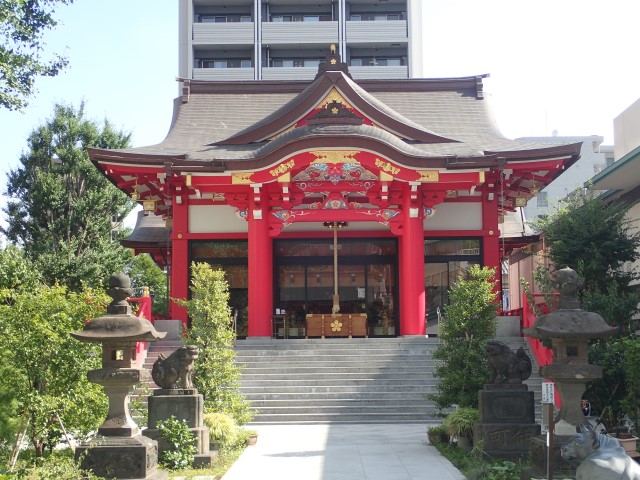
Tucked amid the skyscrapers of Nishi-Shinjuku, Naruko Tenjin Shrine is a vibrant splash of traditional Japan in Tokyo’s modern heart. This colorful Shinto shrine, just a few minutes’ walk from Nishi-Shinjuku Station or Shinjuku Station’s west exit, offers a serene escape from the urban hustle. Wedged between high-rise apartments, it blends ancient spirituality with quirky features like a climbable “mini Mount Fuji” and an array of whimsical statues. Dedicated to the god of learning, Tenjin, it’s a favorite for students, locals, and curious travelers seeking off-the-beaten-path Tokyo experiences. Whether ringing bells for good fortune, rubbing a sacred ox for wisdom, or hiking the shrine’s artificial mountain, Naruko Tenjin is a compact cultural highlight—perfect for a quick 30–60 minute visit in Shinjuku.
In this guide, we’ll explore its fascinating history, key attractions (including the diverse statues), and tips for making the most of your trip.
The Storied History of Naruko Tenjin Shrine: From Ancient Origins to Post-War Rebirth
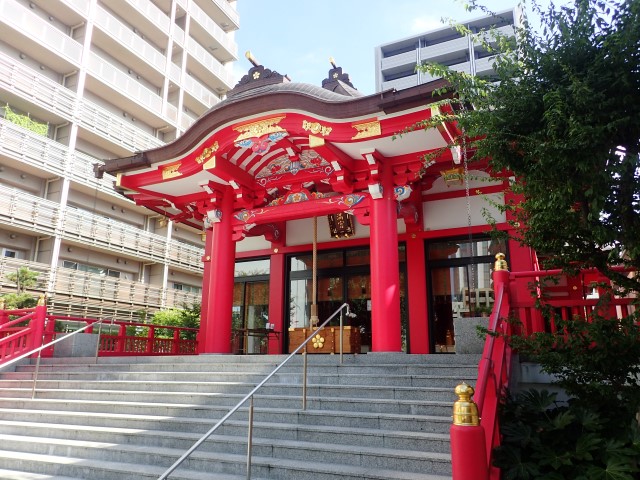
Naruko Tenjin Shrine’s roots stretch back over a millennium to 903 AD during Japan’s Heian period. Founded in what was then Naruko Village (part of modern-day Shinjuku Ward), the shrine was established to enshrine Sugawara no Michizane (845–903 AD), a revered scholar, poet, and politician deified as Tenjin, the Shinto god of learning, literature, and calamity aversion. Michizane’s tragic exile and death inspired widespread worship, and shrines like this one (part of the broader Tenjin network) honor his legacy as a protector against misfortune and patron of academics.
During the Kamakura period (1185–1333), warlord Minamoto no Yoritomo rebuilt the main hall, elevating its status. In the Edo period (1603–1868), it received land grants from Kasuga no Tsubone, a influential figure in the Tokugawa shogunate, who supported religious ceremonies there. The shrine endured fires (like during the Kanbun era, 1661–1673) and natural disasters, but its greatest challenge came in the 20th century.
Naruko Tenjin was destroyed during World War II. Tokyo’s intense firebombing raids in 1945—particularly the devastating Operation Meetinghouse on March 9–10, which killed over 100,000 and razed much of the city—leveled the shrine amid the widespread destruction in Shinjuku. Post-war, it was rebuilt in 1966 with a reinforced concrete structure for durability, but this was replaced in 1987 with a traditional wooden hall to restore its authentic aesthetic. The shrine’s sacred Fujizuka mound (a mini replica of Mount Fuji, built in 1830) miraculously survived the bombings and was restored and reopened in 2016 after decades of closure due to safety concerns.Today, Naruko Tenjin stands as a symbol of resilience, blending its ancient Tenjin worship with community events like festivals honoring Michizane. It’s a living piece of Tokyo’s history, where locals pray for academic success and visitors discover Shinjuku’s quieter side.
What to See and Do
This compact shrine packs cultural punches into a small space—explore the grounds, participate in rituals, and climb for views.
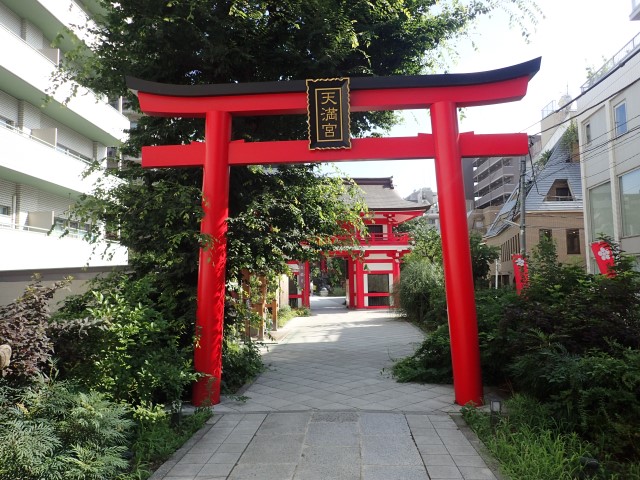
- Red Torii Gates: Each entrance is marked by vibrant red torii gates, the iconic Shinto symbols separating the sacred from the mundane. The main one leads you into a peaceful oasis amid urban towers.
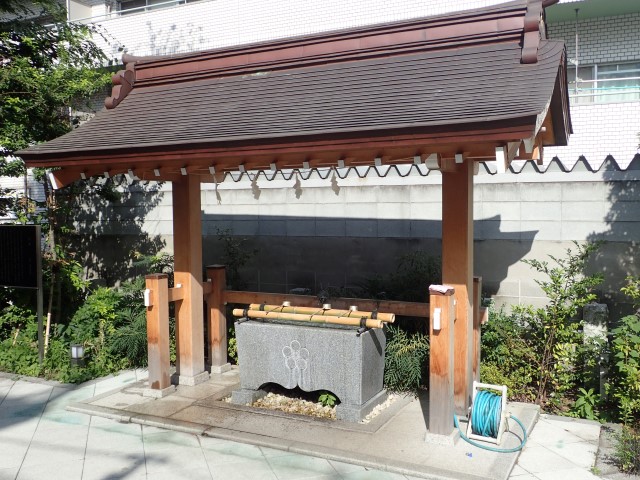
- Purification Fountain: Just inside, a chozuya (water spout) allows visitors to cleanse hands and mouth with ladles—a ritual washing away impurities before approaching the gods.
- Main Shrine Building: The colorful honden (main hall) enshrines Tenjin (Sugawara no Michizane). Drop a coin, ring the bell, bow twice, clap twice, pray, and bow once more to pay respects.
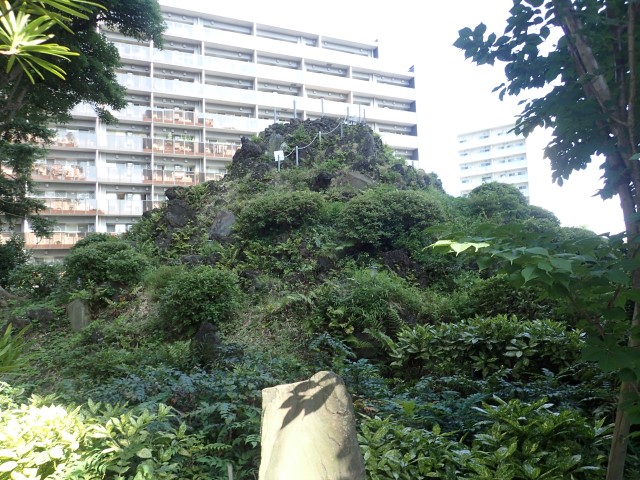
- Fujizuka Mound: At the rear, climb this artificial “mini Mount Fuji” (Fujizuka), built in 1830 from Fuji lava rocks. It’s a sacred substitute for pilgrims unable to trek the real mountain. At the top, a small shrine offers panoramic views over Shinjuku—great for photos, though the climb is steep (closed in bad weather).
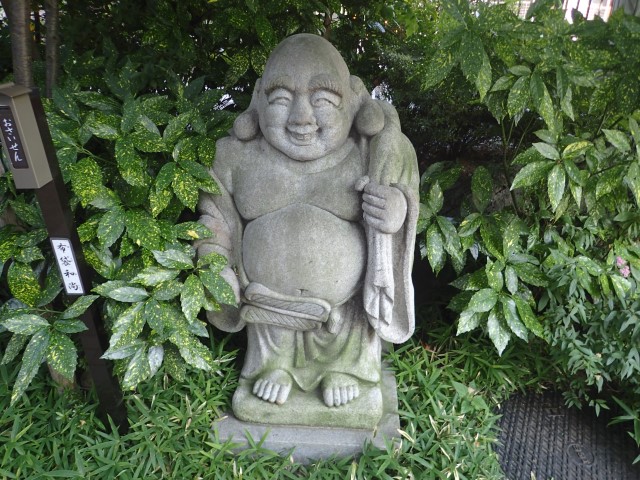
- Diverse Statues Throughout the Gardens: Naruko Tenjin is dotted with an eclectic array of stone and bronze statues, each with symbolic meaning. Highlights include:
- Komainu (Lion-Dogs): Pairs of fierce guardian statues flank entrances and paths, warding off evil spirits—one with mouth open (saying “a” for alpha/beginnings), the other closed (“un” for omega/endings).
- Seven Lucky Gods (Shichifukujin): Scattered statues of these deities (Ebisu for prosperity, Daikokuten for wealth, Bishamonten for protection, and more) offer blessings for fortune, health, and happiness—hunt them all for a mini pilgrimage.
- Nade-Ushi (Rubbing Ox): A bronze ox statue near the main shrine; rub it for wisdom and academic success, as oxen symbolize Tenjin’s loyal companion in folklore.
- Wind God (Fujin) and Thunder God (Raijin): Dramatic statues at the torii gate, depicting these elemental deities with dynamic poses—Fujin with a bag of winds, Raijin with drums for thunder.
- Frog Statues: Whimsical frogs (kaeru, meaning “return”) symbolize safe journeys and good fortune—spot them around the grounds for a fun photo op.
- Other figures: Mythical creatures, zodiac animals, and seasonal motifs add to the shrine’s playful yet sacred atmosphere.
Festivals like the annual Tenjin Matsuri (July) bring the grounds alive with lanterns, prayers, and community events.Practical Tips for Visiting Naruko Tenjin Shrine in 2026
- Entrance Fee: Free! Donations appreciated for upkeep.
- Hours: Open daily from dawn to dusk (typically 6 AM–8 PM), but confirm if visiting early/late.
- Getting There: From Shinjuku Station (west exit), 10–15 minute walk (or 5 minutes from Nishi-Shinjuku Station on the Marunouchi Line). Use apps like Google Maps for navigation amid the skyscrapers.
- Best Time: Weekdays for fewer crowds; early morning for peaceful vibes or cherry blossom season (late March–April) for scenic beauty.
- Etiquette: Wash at the fountain, remove hats in the hall, and be quiet during prayers. Photography is fine but respectful.
- Accessibility: Steps and uneven paths—may be challenging for mobility issues; the Fujizuka climb is steep.
- Nearby Attractions: Pair with Shinjuku’s highlights like the Tokyo Metropolitan Government Building (free observatory views), Omoide Yokocho alleys for street food, Kabukicho for nightlife or Hanazono Shrine.
Naruko Tenjin Shrine is Shinjuku’s secret soul—a colorful, historic haven proving Tokyo’s ancient heart beats strong amid modernity. Whether seeking scholarly blessings, quirky statues, or a mini Fuji hike, it’s a delightful detour. Plan your visit and discover why this under-the-radar spot charms all who find it!
Check out the location of Naruko Tenjin Shrine in Shinjuku Tokyo

Australian travel blogger and aviation enthusiast based in Sydney, living a relaxed retired life filled with daily flat whites. Passionate about exploring The World's hidden gems TripAtrek travel blog is on a mission: To share these gems with you.