Bat Cave Temple Bali – Pura Goa Lawah
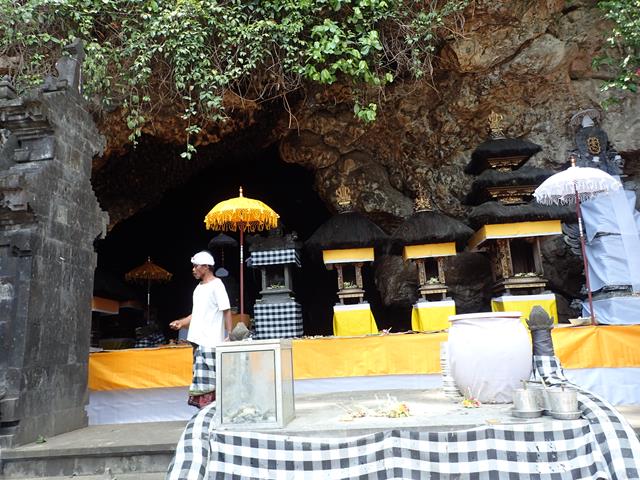
Pura Goa Lawah: Bali’s Mystical Bat Cave Temple – A Sacred Gem on the East Coast
Bali is full of temples that blend spirituality, nature, and legend, but few are as intriguing as Pura Goa Lawah (Bat Cave Temple). Located on the northeast coast in the Klungkung regency, this ancient shrine guards the entrance to a massive natural cave teeming with thousands of bats. It’s not just a temple—it’s a living piece of Balinese mythology, where the sacred and the spooky collide. If you’re basing yourself in Sanur, Kuta, or Ubud, it’s an easy day trip (just 30–60 minutes away), and a must-add to any Bali itinerary. As a frequent Bali traveler, I love how it offers a quieter, more authentic experience away from the south’s crowds.
The Rich History of Pura Goa Lawah
Pura Goa Lawah’s history dates back to the 11th century, founded by the holy priest Mpu Kuturan during the Warmadewa dynasty. It’s one of Bali’s nine directional temples (Kahyangan Jagat), strategically placed to protect the island from evil spirits. The cave itself is believed to be the home of Naga Basuki, a mythical dragon or serpent deity that guards the underworld. Legends say the cave’s tunnels extend 30 km underground, connecting to Pura Besakih (Bali’s Mother Temple) on Mount Agung, symbolizing a spiritual link between earth and the gods.
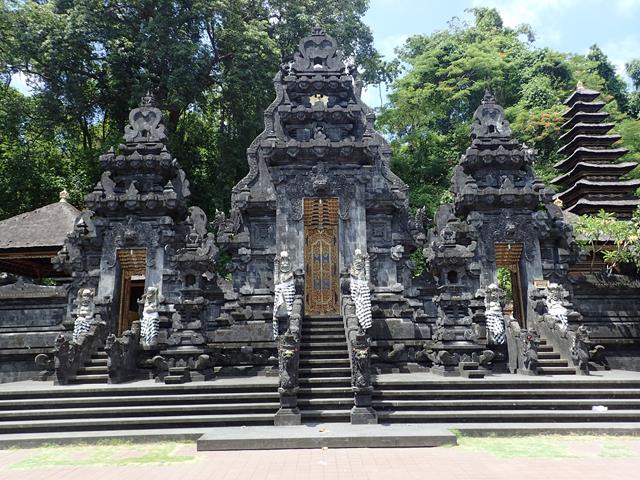
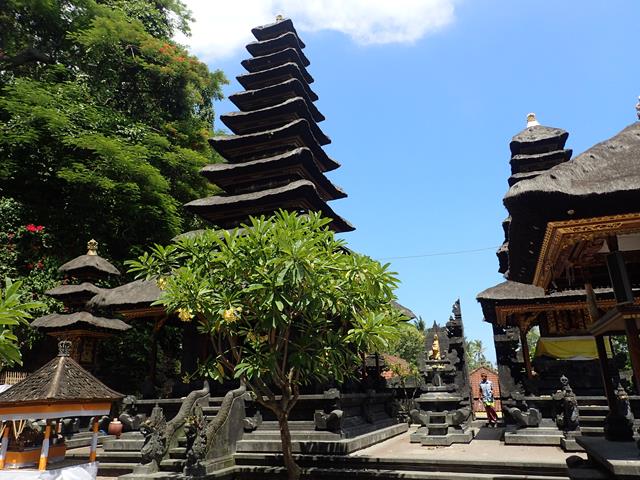
The bats (mostly fruit bats) are considered sacred guardians, and harming them is taboo. During the Hindu-Buddhist era, the site was a place for meditation and rituals. In the 17th century, it became a key stop for pilgrims, and today, it’s still used for ceremonies like Nyepi (Day of Silence) preparations. The temple’s name (“Goa” means cave, “Lawah” means bat) reflects its unique fusion of natural wonder and religious significance—making it a symbol of Bali’s animist roots blended with Hinduism.
How to Get There: Travel Times from Bali’s Tourist Hubs
Pura Goa Lawah is conveniently located on the main coastal road, making it a great stop en route to east Bali spots like Candidasa or Amed. Here’s approximate driving times from popular areas (traffic can vary, so add 15–30 min during peak hours; taxis or private drivers cost ~500,000–800,000 IDR round-trip from south Bali):
- From Sanur: 30–45 minutes (easiest access, straight east along the coast).
- From Seminyak: 1–1.5 hours (via Denpasar bypass, scenic but can be congested).
- From Canggu: 1.5–2 hours (northwest route through Denpasar, add time for traffic).
- From Nusa Dua: 1.5–2 hours (south route via bypass, beautiful ocean views).
- From Ubud: 45–60 minutes (southeast through Gianyar, quickest inland path).
Public transport is limited—best to rent a scooter (if experienced) or hire a car and driver. Park entry is free, but donations appreciated.
Visiting Tips: Dress Code, Fees, and Etiquette
To respect the sacred site, dress modestly: no singlets, sleeveless tops, or shorts. If needed, rent a sarong at the entrance for 2,000 IDR (A$0.20). Buy your own in any Bali market for ~50,000 IDR to carry around—it’s hot, and long pants aren’t fun!
- Entrance Fee: 6,000 IDR for adults (A$0.60), 4,000 IDR for children (A$0.40). Donations for maintenance are welcome.
- What You Can Do: Wander the temple grounds, peer into the cave (from a distance—restricted to worshippers), and watch bats flutter at dusk.
- Etiquette: Be quiet during prayers, don’t disturb bats, and remove hats/shoes if entering inner areas. No drones or flash photography inside.
The trek is easy (flat, short path), but go early to avoid crowds and heat. Combine with a beach stop—views of the coast are stunning.
What to See at Pura Goa Lawah
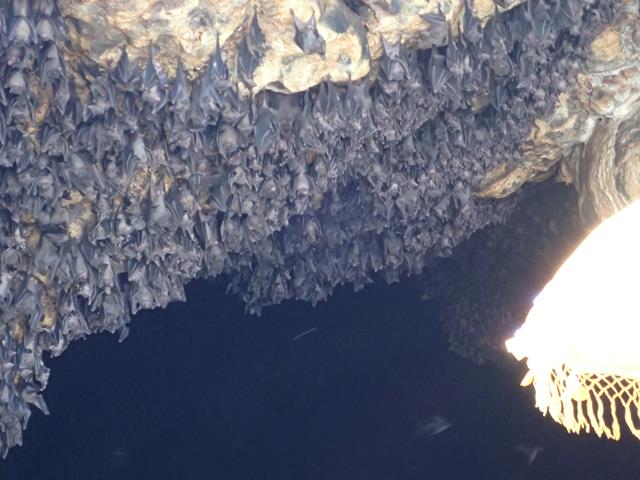
The main draw is the cave mouth, alive with bats hanging from the ceiling (don’t worry—they’re harmless fruit bats). The shrine at the entrance is adorned with intricate carvings, statues, and offerings. During ceremonies, you’ll see Balinese in traditional dress performing rituals. It’s a powerful reminder of Bali’s living Hinduism.
Nearby Attractions to Pair with Your Visit
Make it a full day by exploring east Bali:
- Candidasa Beach (15 min east): Relaxed black-sand beach with snorkeling and fresh seafood warungs.
- Tenganan Village (30 min east): Traditional Bali Aga village with ancient weaving and rituals—feels like stepping back in time.
- Tirta Gangga Water Palace (45 min east): Beautiful royal gardens with pools, fountains, and statues—great for photos.
- Goa Gajah (Elephant Cave) (on the way from Ubud, 45 min west): Another sacred cave temple with elephant carvings and bathing pools.
- Klungkung Palace (Kerta Gosa) (10 min west): Historic royal court with painted ceilings depicting Hindu epics.
Pura Goa Lawah isn’t just a temple—it’s a window into Bali’s soul. If you’re in Bali, skip the over-touristed spots and head east for this hidden gem. You’ll leave with amazing photos and a deeper appreciation for the island’s mysticism. Safe travels!
You will also pass by the Water Palace Gardens – Tirta Gangga.
Check out the location of the Bat Cave Temple Bali – Pura Goa Lawah

Australian travel blogger and aviation enthusiast based in Sydney, living a relaxed retired life filled with daily flat whites. Passionate about exploring The World's hidden gems TripAtrek travel blog is on a mission: To share these gems with you.