Crazy fruit prices in Tokyo Japan
Why Melons Cost More Than Your Dinner (And What to Actually Buy)
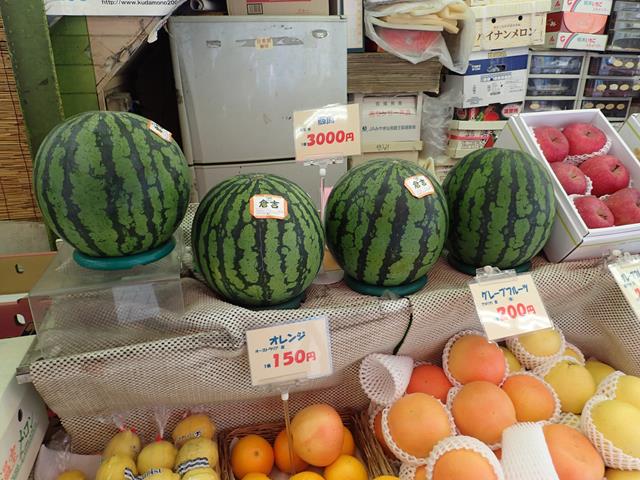
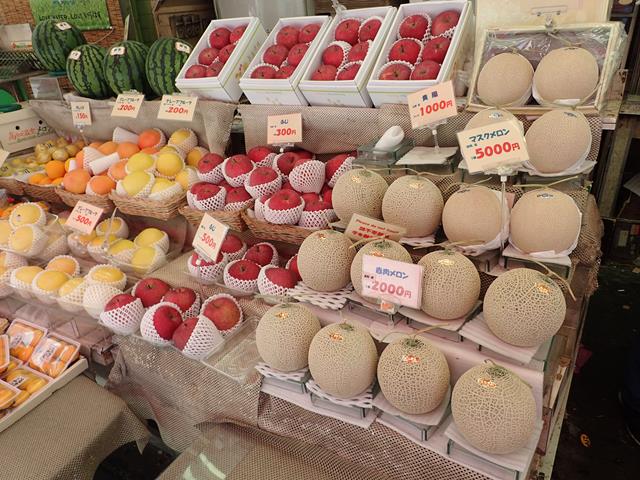
Tokyo has a reputation for eye-watering prices on everyday items, but nothing prepares first-time visitors for the fruit section. Walk into any high-end department store basement food hall (depachika) or pass a small specialty fruit vendor on the street, and you’ll see prices that make your brain short-circuit:
- A single “perfect” cantaloupe or rockmelon: ¥5,000–¥10,000+ (~US$33–66 / AUD$50–100)
- A large, flawless watermelon: ¥3,000–¥8,000 (~US$20–53 / AUD$30–80)
- A small bunch of premium grapes: ¥2,000–¥6,000 (~US$13–40 / AUD$20–60)
- One single large, gift-grade apple: ¥300–¥1,000 (~US$2–6.50 / AUD$3–10)
At first glance, it looks like daylight robbery. But these aren’t “normal” fruit prices — they’re gift fruit prices, and understanding the difference changes everything.The Two Worlds of Japanese Fruit
- Gift Fruit (the crazy expensive stuff)
The melons, apples, grapes and strawberries you see on velvet trays under perfect lighting are grown on boutique farms with obsessive care. Farmers:- Thin the vines so each fruit gets maximum nutrientsHand-massage melons for even shapeWrap individual fruits in protective paddingTest soil moisture, sugar content, and temperature dailyPick at the exact peak of ripeness
Exchange rates (March 2025 approx.):- ¥5,000 = ~US$33 / AUD$50
- ¥10,000 = ~US$66 / AUD$100
- Everyday Fruit (what locals actually buy)
Head to a regular supermarket (Aeon, Ito-Yokado, Life, Seiyu) or the fruit section of a big department store’s lower floors, and prices drop dramatically:- Normal cantaloupe or rockmelon: ¥300–¥800 (~US$2–5 / AUD$3–8)Regular watermelon: ¥400–¥1,200 (~US$2.60–8 / AUD$4–12)Bunch of grapes: ¥400–¥1,000 (~US$2.60–6.50 / AUD$4–10)Apples: ¥100–¥200 each (~US$0.65–1.30 / AUD$1–2)
Why Is Fruit So Expensive in Japan Anyway?
- Only ~12% of Japan’s land is arable (mountainous terrain + urban sprawl).
- High labour costs and strict quality standards.
- Very limited imports (tariffs + quarantine rules protect local farmers).
- Cultural premium on perfect presentation and gift-giving.
Practical Tips for Visitors
- Want to try luxury fruit? Buy one small item as a souvenir or treat (a single perfect strawberry or peach is fun to try).
- Want affordable fruit? Supermarkets, convenience stores (7-Eleven, FamilyMart, Lawson) and fruit stalls in train stations sell normal prices.
- Best value: Seasonal fruit (strawberries in spring, peaches in summer, apples in autumn, mikan oranges in winter) are cheaper and tastier when in season.
- Pro move: Department store depachika basements often have discounted “end-of-day” fruit trays in the evening — still high quality, much lower price.
Tokyo fruit prices are shocking at first — but once you understand the gift vs everyday divide, it becomes fascinating rather than infuriating. So next time you see a ¥10,000 melon, smile, take a photo, and head to the supermarket for a ¥500 one instead. You’ll get the taste without the bankruptcy.
Have you ever splurged on Japanese gift fruit? Or do you stick to supermarket bargains? Drop your stories below!

Australian travel blogger and aviation enthusiast based in Sydney, living a relaxed retired life filled with daily flat whites. Passionate about exploring The World's hidden gems TripAtrek travel blog is on a mission: To share these gems with you.