Man Mo Temple Hong Kong
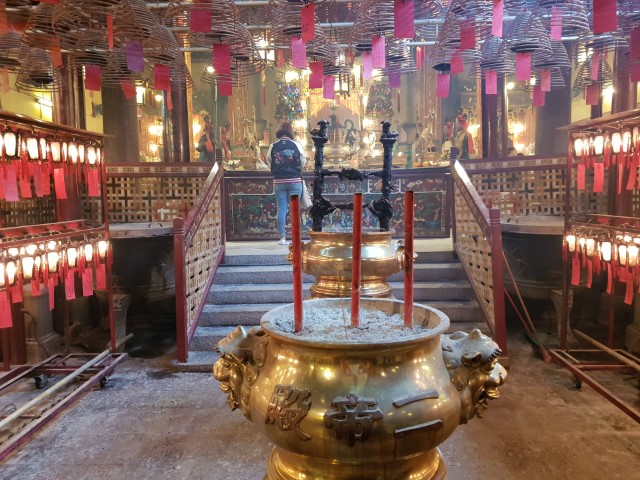
Man Mo Temple stands as one of Hong Kong’s most atmospheric and historically significant landmarks. It serves as a serene Taoist sanctuary amid the bustling urban energy of Hong Kong Island.
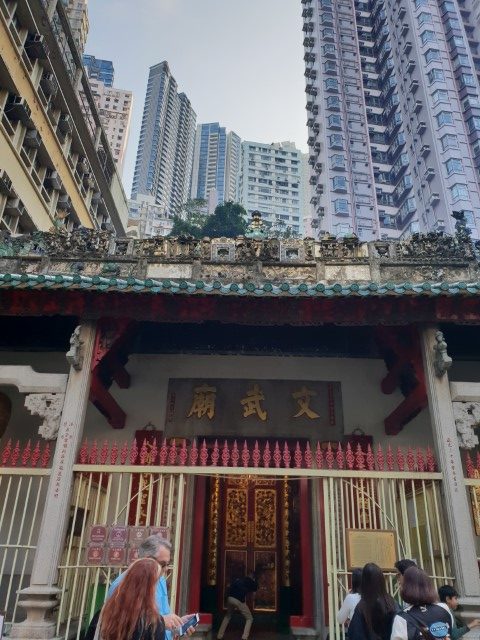
Tucked away at 124-126 Hollywood Road in the vibrant Sheung Wan district (just a short walk uphill from Central), this declared monument offers a profound glimpse into the city’s Chinese heritage. It beautifully blends spirituality, tradition, and timeless craftsmanship.
Whether you’re a first-time visitor seeking cultural immersion or a returning traveler drawn to its incense-filled calm, Man Mo Temple remains an essential stop. Add it to any Hong Kong itinerary
A Deep Dive into Its Rich History
The temple’s origins trace back to the mid-19th century. This was during the early years of British colonial rule. It followed the Opium Wars and the cession of Hong Kong Island in 1842.
Construction began in 1847. A Qing Dynasty bronze bell from that year provides evidence. Its inscription marks the 27th year of Emperor Daoguang’s reign. Building continued in phases until around 1862.
Wealthy Chinese merchants funded and built the complex. They created a place for worship and community gatherings. This reflected the growing Chinese population’s need for spiritual and social anchors. The need arose in a rapidly changing colonial port city.
The Deities: Man Cheong and Kwan Tai
Dedicated to two complementary deities from Chinese folk religion:
- Man Cheong (文昌, also known as Wen Chang Wang or Man Tai), the God of Literature, Scholarship, and Civil Success — often depicted holding a writing brush, he is patronized by students, scholars, and those seeking academic achievement or examination success (a tradition rooted in the imperial civil service exams of the Ming and Qing dynasties).
- Kwan Tai (關帝, also Mo Tai or Guan Yu), the God of War, Martial Arts, Loyalty, and Righteousness — a legendary warrior figure revered for protection, business success, and justice (popular among merchants, police, and even historical triad figures seeking favor).
The full complex comprises three interconnected buildings separated by narrow alleys:
- Man Mo Temple (the main hall for the two primary deities).
- Lit Shing Kung — a hall for worshiping all heavenly gods.
- Kung Sor — originally an assembly hall where community leaders (kaifong) resolved disputes, settled affairs, and mediated conflicts that British colonial courts might not address effectively.
Management, Survival, and Modern Status
In the early 20th century, the temple gained formal status. This happened with the Man Mo Temple Ordinance of 1908. The ordinance entrusted its management and properties to the Tung Wah Hospital. Tung Wah was a key charitable institution.
Revenues from the temple supported education, medical services, and community welfare. The temple survived intact through the Japanese occupation from 1941 to 1945. It has since undergone careful renovations. These preserved its original features.
It was graded as a Grade I historic building in 1993. In 2010, the Antiquities and Monuments Office declared it a monument. Today, it symbolizes the enduring social organization and religious practices of Hong Kong’s early Chinese community.
What to Experience Inside
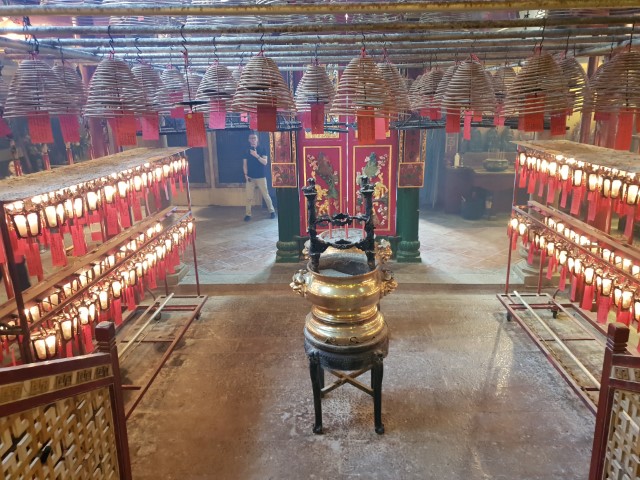
Step through the ornate doorway, and you’re enveloped in a thick, fragrant haze of smoke — one of the temple’s most iconic features. Worshippers light joss sticks and hang massive incense coils (spiraling red spirals that burn slowly for days) from the ceiling as offerings. The air is heavy and mystical, creating an otherworldly atmosphere (note: if you have asthma or respiratory sensitivities, consider a quick visit or mask up).
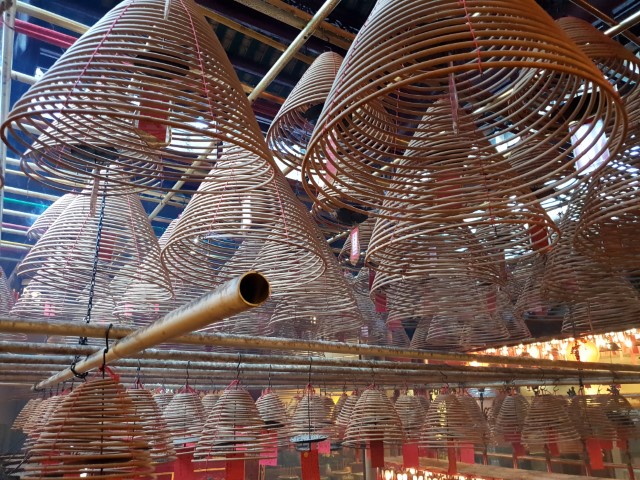
Key highlights include:
- Intricate carved wooden plaques, granite pillars, and historic murals showcasing traditional Chinese craftsmanship.
- Well-preserved Qing-era artifacts: the 1847 bronze bell, gold-plated sedan chairs (one from 1862, another 1885) used in processions to carry the deities’ statues.
- Altars in multiple rooms for focused prayers — students whisper hopes for exams near Man Cheong, while others seek Kwan Tai’s protection.
The temple buzzes with locals making regular offerings, creating an authentic living spiritual space amid tourist crowds.
Surrounding Area: Hollywood Road and Beyond
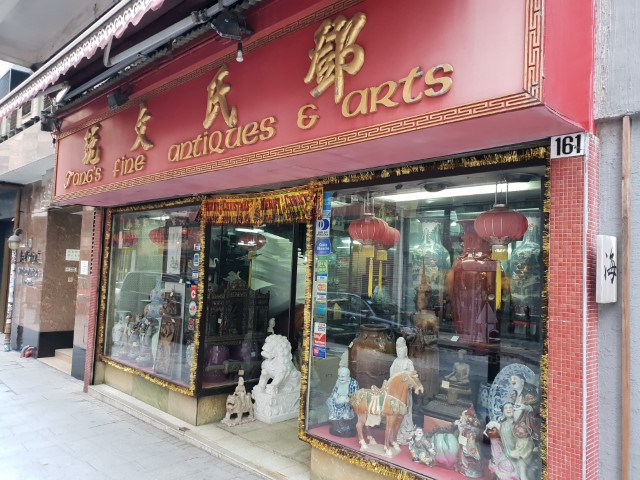
Man Mo Temple sits on legendary Hollywood Road, dubbed “Antiques Street” for its rows of shops selling Chinese antiques, curios, jade, porcelain, and contemporary art galleries. The street’s evolution from a 19th-century trading hub to a trendy creative corridor makes it endlessly walkable.
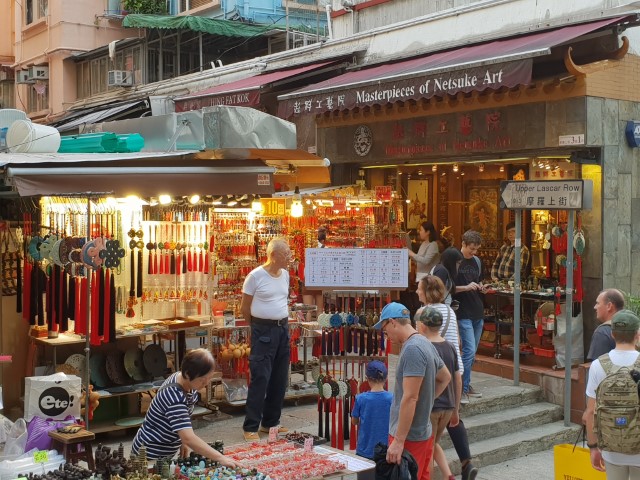
Directly opposite lies Ladder Street, a steep set of stone steps descending to Upper Lascar Row (locally known as Cat Street), a lively flea-market stretch packed with stalls offering vintage souvenirs, crafts, trinkets, old posters, and street art.
Other nearby attractions (all within a 10–20 minute walk):
- Tai Kwun — A revitalized colonial police compound turned heritage and arts center with galleries, restaurants, bars, and exhibitions.
- PMQ (Police Married Quarters) — A creative hub with indie shops, design studios, cafes, and pop-up events.
- Mid-Levels Escalator — The world’s longest outdoor covered escalator system, linking Central to the residential hills (great for people-watching and street art).
- Western Market — A restored 1906 Edwardian building with fabric shops and a dim sum spot.
- Dr Sun Yat-sen Museum — Nearby, honoring the father of modern China.
- SoHo (South of Hollywood Road) — Trendy dining and nightlife area with global cuisine.
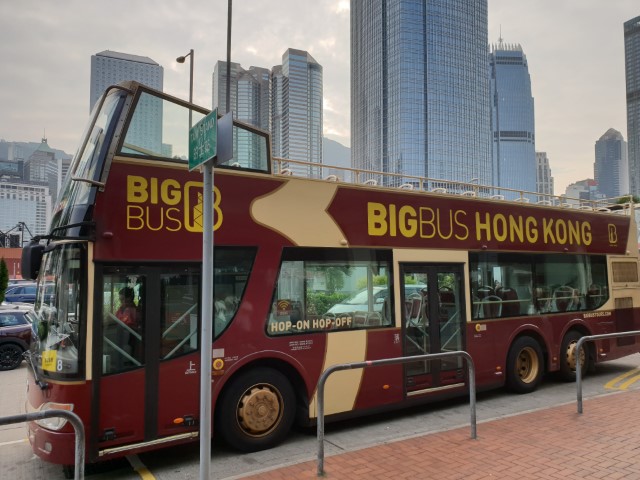
The temple is a key stop on the Big Bus Hong Kong tour (and many other hop-on-hop-off routes), making it easy to combine with Victoria Peak, Central highlights, or Victoria Harbour.
Practical Tips for Your Visit
- Opening hours: Typically 8 AM–6 PM daily (free entry, donations appreciated).
- Best time: Early morning for fewer crowds and a more peaceful vibe; avoid peak tourist hours midday.
- Getting there: MTR Sheung Wan Station (Exit A2), then a short uphill walk; or bus/tram along Des Voeux Road.
- Etiquette: Dress modestly, speak quietly, no photos of worshippers without permission.
In a city that races forward, Man Mo Temple offers a timeless pause — a fragrant, smoky reminder of Hong Kong’s layered past where literature and martial valor, community and faith, still hold sway.
Add it to your itinerary, breathe in the incense, and let this living piece of history leave its quiet mark on your trip.
Check out the location of Man Mo Temple in Hong Kong

Australian travel blogger and aviation enthusiast based in Sydney, living a relaxed retired life filled with daily flat whites. Passionate about exploring The World's hidden gems TripAtrek travel blog is on a mission: To share these gems with you.