Jade Emperor Pagoda Saigon – Ho Chi Minh City
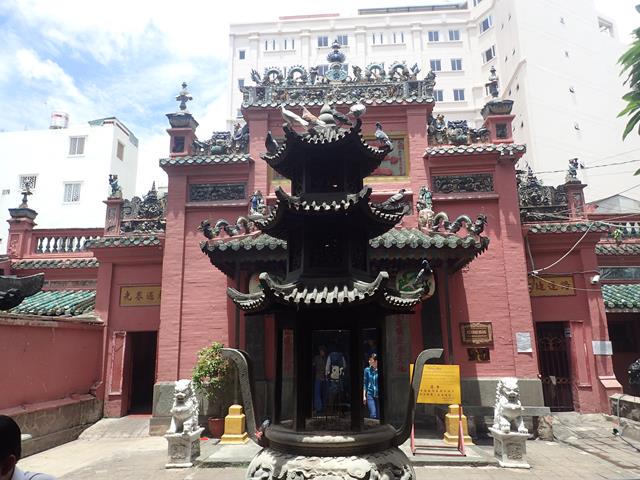
Tucked away on a quiet side street in District 1, Jade Emperor Pagoda (Chùa Ngọc Hoàng or Phước Hải Tự) is one of Ho Chi Minh City’s most atmospheric and colorful spiritual sites. This Taoist-Buddhist-Confucian temple stands as a vibrant cultural gem amid the modern skyline, drawing locals for daily prayers and tourists for its ornate altars, incense-filled halls, and quirky turtle pond. Despite being just a short walk from busy Dien Bien Phu Street, it feels like a hidden world of smoke, statues, and serenity.
Built by Saigon’s Chinese community in the early 20th century, the pagoda honors the supreme Taoist deity Ngọc Hoàng Thượng Đế (Jade Emperor), ruler of heaven in Chinese cosmology. It’s one of the city’s most popular shrines for Vietnamese-Chinese residents, who come to pray for blessings, honor ancestors, and seek guidance.
The History of Jade Emperor Pagoda: From Humble Beginnings to National Treasure
The pagoda was constructed around 1909 by Lưu Minh (Liu Daoyuan), a Cantonese merchant who migrated to Vietnam for business. A devout follower of Taoism, Buddhism, and Confucianism, he wanted a dedicated place to worship the Jade Emperor (the supreme Taoist god) and other deities. The site began as a modest structure but grew into a full temple complex reflecting the multicultural influences of Saigon’s Chinese community.
Originally called Ngọc Hoàng Điện (Jade Emperor Hall), it blended Taoist cosmology with Buddhist and Confucian elements, a common syncretic practice in Vietnam. The temple survived colonial times, wars, and urban growth, though it suffered damage during conflicts. In 1982, Venerable Thich Vinh Khuong (a prominent Buddhist monk) took over management, affiliating it with the Vietnam Buddhist Sangha. In 1984, it was officially renamed Phước Hải Tự (Luck Sea Temple), but locals and visitors still widely call it Jade Emperor Pagoda due to its central focus on Ngọc Hoàng.
In 1994, it was recognized as a National Historic-Cultural Site for its architectural, religious, and cultural value. Today, it remains an active place of worship, especially popular with the Chinese-Vietnamese community for festivals like the Jade Emperor’s birthday (9th day of the first lunar month) and ancestor veneration.
What to Expect Inside: A Sensory Feast of Smoke, Statues, and Spirits
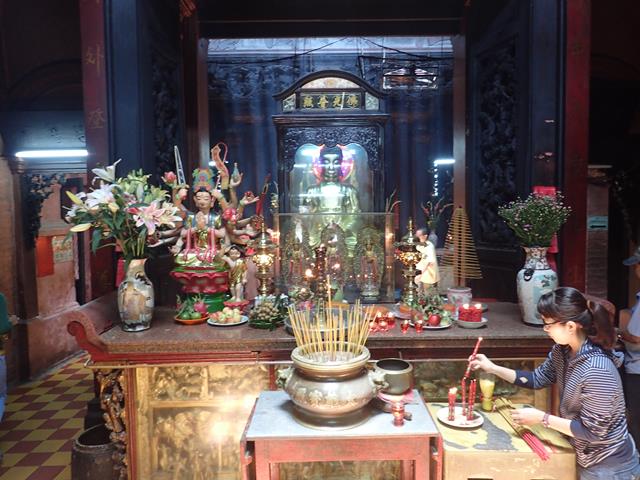
Step through the red torii-like gates into a world of incense clouds, flickering candles, and ornate shrines. The main hall houses towering statues of the Jade Emperor and other deities, with side altars dedicated to various Taoist and Buddhist figures.
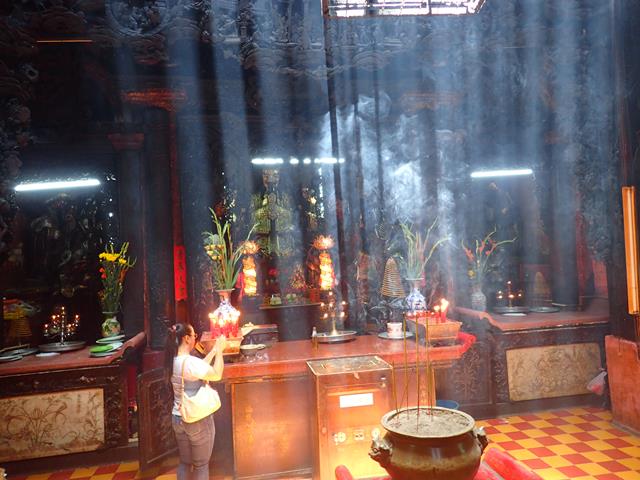
- Incense and Prayers: Locals buy incense sticks and candles, light them, and pray at altars. The smoke-filled halls create a mystical atmosphere, with golden light streaming through windows.
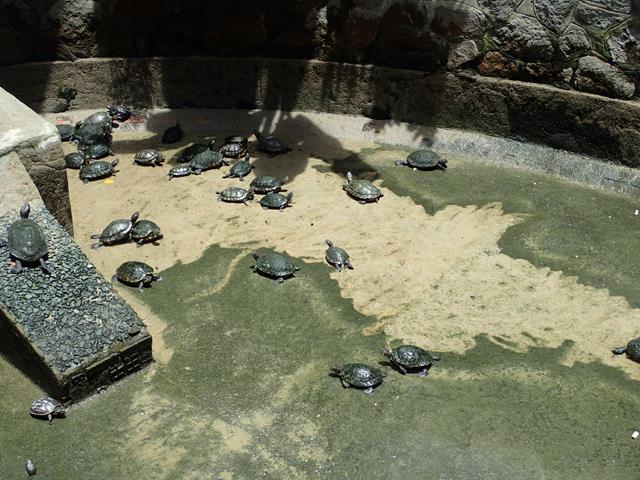
- Turtle Pond: Right at the entrance, a large pond teems with around 50 turtles/tortoises—one of Vietnam’s four sacred animals, symbolizing longevity, strength, and stability. Visitors often release small turtles as acts of merit.
- Statues and Shrines: The complex is packed with vivid statues—fierce guardians, deities, mythical creatures, and folk figures. Highlights include the main Jade Emperor altar, side shrines to Guan Yin (Goddess of Mercy), and various Taoist immortals.
- Atmosphere: Always busy with worshippers (especially on 1st and 15th lunar days), but respectful and welcoming to visitors.
Practical Info: Entrance, Hours & Dress Code
- Entrance Fee: Free! Donations are appreciated (optional box inside).
- Opening Hours: 7:00 AM – 6:00 PM daily (may extend on the 1st and 15th of the lunar month for ceremonies).
- Dress Code: Dress modestly—cover shoulders and knees. Shorts are okay if paired with a t-shirt (no singlets/tank tops). Sarongs are available if needed.
- Location: 73 Mai Thi Luu Street, Da Kao Ward, District 1 (just off Dien Bien Phu Street).
- Best Time: Early morning (less crowded, cooler) or late afternoon. Avoid midday heat.
Getting There & Nearby Attractions
From central District 1 (e.g., Ben Thanh Market or Notre Dame Cathedral), it’s a 10–15 minute walk or short Grab ride. From other areas:
- District 1 center: 10–15 min
- Pham Ngu Lao/Bui Vien: 15–20 min
- Tan Dinh area: 5–10 min
Nearby attractions (all within 10–20 minutes):
- Notre Dame Cathedral & Saigon Central Post Office (15 min): Iconic French colonial landmarks.
- War Remnants Museum (10–15 min): Powerful history exhibits.
- Ben Thanh Market (15 min): Bustling shopping and street food.
- Reunification Independance Palace (15 min): Historic site of Saigon’s past.
- Turtle Lake (Ho Con Rua) (10 min): Popular local hangout spot with street food.
- Le Van Tam Park (10 min): Shaded green space for a break.
Jade Emperor Pagoda is Saigon’s spiritual heartbeat—a colorful, incense-scented escape where ancient beliefs thrive amid modern life. Visit to light incense, admire the turtles, and feel the calm energy. It’s free, quick to reach, and unforgettable. Add it to your Ho Chi Minh City itinerary!
Check out the location of Jade Emperor Pagoda in Saigon Ho Chi Minh City

Australian travel blogger and aviation enthusiast based in Sydney, living a relaxed retired life filled with daily flat whites. Passionate about exploring The World's hidden gems TripAtrek travel blog is on a mission: To share these gems with you.