Shinjuku Tokyo
Shinjuku, Tokyo – Overview for Visitors
Shinjuku is one of Tokyo’s most energetic and multi-faceted districts – a perfect mix of neon chaos, skyscrapers, green escapes, and hidden traditional gems. It’s huge, intense, and never sleeps, yet it has pockets of calm and culture that make it rewarding for every type of traveler.Quick Snapshot
- Population vibe: Around 350,000 residents + millions of daily commuters/tourists
- Best known for: Shinjuku Station (world’s busiest), Kabukicho (red-light/entertainment zone), skyscraper district (Nishi-Shinjuku), Golden Gai alleys, and Hanazono Shrine
- Transport hub: Shinjuku Station handles ~3.5 million passengers daily (more than many entire cities)
What to Expect
- Daytime: Towering offices, department stores (Isetan, Takashimaya Times Square), underground malls, and business crowds.
- Evening/Night: Neon overload in Kabukicho (bars, host clubs, restaurants, love hotels), tiny izakayas in Golden Gai, and lively crowds everywhere.
- Nature breaks: Shinjuku Gyoen National Garden (beautiful year-round, especially cherry blossom season), Shinjuku Central Park, and small shrines tucked between buildings (Hanazono, Kumano, Raiden Inari, Kabuki Benzaiten).
- Food: Everything from Michelin-starred ramen and sushi to street eats, conveyor-belt sushi, yakitori alleys, and 24-hour izakayas.
Key Areas in Shinjuku
- East Side (Shinjuku Station East Exit, Kabukicho): Neon, nightlife, shopping, Golden Gai, Hanazono Shrine.
- West Side (Nishi-Shinjuku): Skyscrapers, Tokyo Metropolitan Government Building (free observatory), Shinjuku Central Park, Kumano Shrine.
- South (Shinjuku-sanchome): High-end shopping, cafes, quieter residential feel.
- North: Shinjuku Gyoen (huge garden), more relaxed atmosphere.
Practical Tips
- Shinjuku Station is confusing – follow clear signs (East Exit, West Exit, South Exit, etc.) or use Google Maps.
- Best time to visit: Early morning for calm shrine visits, late afternoon/evening for nightlife energy.
- Safety: Kabukicho is safe but loud/aggressive touts exist – just keep walking.
- Best views: Tokyo Metropolitan Government Building observatory (free, 202 m up)
Shinjuku is overwhelming at first but incredibly rewarding once you find your rhythm. Great base for exploring Tokyo, with direct Shinkansen access to Kyoto/Osaka and easy subway lines everywhere.
Shinjuku
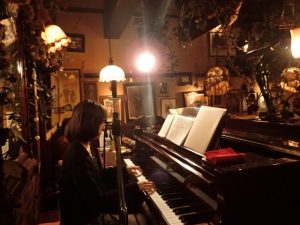
March 8, 2026Nestled just a two-minute walk from the west exit of Shinjuku Station, Vagabond Bar feels like a secret you’ve stumbled upon in one of Tokyo’s busiest neighborhoods. Since opening its doors in 1976, this intimate piano jazz bar has remained in the exact same location, quietly defying the relentless redevelopment that has transformed much of Shinjuku around it. Step inside, and you’re instantly transported to a world of warm lighting, eclectic decor, and the unmistakable sound of live piano jazz floating through the air.
A Living Time Capsule with Soul
Vagabond is small—deliberately so. The upstairs piano bar seats only a handful of people around the grand piano at the far end. The walls are a curated chaos of vintage posters, paintings, photographs, and quirky lamps that look like they’ve been collected over decades. Every corner tells a story, and the overall effect is cozy, slightly eccentric, and completely addictive.
Live jazz pianist at Vagabond Bar Shinjuku: classic Tokyo piano bar atmosphere
Live music happens every single night. The pianist moves effortlessly between cool jazz standards, bossa nova, classic pop arrangements, and the occasional Japanese enka melody. There’s no stage, no spotlight; the piano is simply part of the room, making the experience feel intimate rather than performative.I
f the upstairs seats are full (which they often are on Thursday, Friday, and Saturday nights), don’t worry. There’s a small downstairs bar where you can still hear the music clearly while enjoying your drink. Many regulars say the downstairs section has its own charm—quieter, more casual, perfect for solo travelers or those who want to listen without feeling like they’re on display.
Entrance to Vagabond Bar Shinjuku: Historic piano jazz spot just minutes from Shinjuku Station
The Drinks & Bites
Vagabond offers a full bar: crisp draft beers, a solid selection of wines, classic cocktails, and a wide range of whiskies and spirits. Prices are reasonable for central Shinjuku—expect ¥800–¥1,200 for most drinks, with a modest table charge (around ¥500–¥800) that includes a small snack.
Food is classic bar fare. Hot and cold snacks ranging from simple cheese plates and olives to more substantial options like grilled sausages, croquettes, and seasonal small plates. Nothing fancy, but everything pairs perfectly with the music and the mood.
Practical Tips for Visiting Vagabond
Location: 2 minutes west of Shinjuku Station (near the Odakyu Line exit). Look for the small sign—it’s easy to miss if you’re not paying attention.
Best time: Arrive early (before 8 pm) on weekends if you want a seat upstairs. Weeknights are more relaxed and easier to get a good spot.
Dress: Casual is fine. This is a neighborhood bar, not a high-end lounge.
Budget: ¥3,000–¥5,000 per person for a couple of drinks and snacks (including table charge).
Vibe: Perfect for solo travelers, couples, or small groups who want live music without the noise and crowds of bigger venues.
Why Vagabond Still Matters in 2026
In a city that reinvents itself constantly, Vagabond is a rare survivor—a place that hasn’t changed its soul in nearly 50 years. It offers something increasingly hard to find in modern Tokyo: unpretentious live jazz, warm lighting, good drinks, and the feeling that you’ve stepped into a hidden pocket of the city that still belongs to the 20th century.
If you’re in Shinjuku and craving an authentic, low-key Tokyo night out with real piano jazz, Vagabond isn’t just recommended—it’s essential.
Vagabond BarAddress: 1-2-15 Nishi-Shinjuku, Shinjuku-ku, TokyoHours: Usually 6 pm – late (check current schedule)Nearest station: Shinjuku (west exit)
Have you been to Vagabond? Or do you have a favorite hidden jazz spot in Tokyo? Drop a comment—I’m always looking for more places like this.
Check out the location of Vagabond Bar in Shinjuku [...]
Read more...
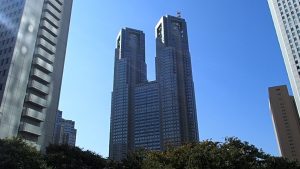
February 19, 2026If you’re hunting for the ultimate free skyline panorama in Tokyo, skip the pricey towers and head straight to the Tokyo Metropolitan Government Building (TMG or Tocho) in Nishi-Shinjuku. This twin-towered beast offers jaw-dropping 360-degree views from 202 meters up—often better than paid spots like Tokyo Skytree or Shibuya Sky—without spending a yen. On clear days, you can spot Mount Fuji, Tokyo Tower, Tokyo Skytree, Meiji Shrine, and the sprawling cityscape. Sunset and nighttime are magical, especially with the city’s neon glow and occasional projection mapping on the building itself.
Impressive upward view of the Tokyo Metropolitan Government Building’s striking twin towers in Nishi-Shinjuku
Stunning daytime vista over Shinjuku skyscrapers from the observation deck at Tokyo Metropolitan Government Building
Location & Getting There
Address: 2-8-1 Nishi-Shinjuku, Shinjuku-ku, Tokyo.It’s in the heart of “Skyscraper Town” (Nishi-Shinjuku), surrounded by towering offices.Closest stations (super convenient):
Tochomae Station (Toei Oedo Line) – Exit A4 or A5: literally right across the street, 2–3 minute walk (easiest option).
Nishi-Shinjuku Station (Tokyo Metro Marunouchi Line) – Exit 2: 5–7 minute walk.
Shinjuku Station (JR lines, Odakyu, Keio, etc.) – West Exit: 10-minute walk (follow signs for “Tocho” or use underground passages).
Pro tip: Use Tochomae or Nishi-Shinjuku if you’re coming from the west side—Shinjuku Station is great but busier.
The Observation Decks
Two free decks on the 45th floor:
South Tower: Open daily 9:30 AM – 5:30 PM (last entry 5:00 PM). Closed 1st and 3rd Tuesday of each month (and during occasional inspections—check the official site).
North Tower: Open daily 9:30 AM – 11:00 PM (last entry 10:30 PM). Closed 2nd and 4th Monday of each month.
Elevators are fast during the day, but queues build around 5 PM in the North Tower for sunset. Arrive early (by 4:30–5 PM) if you want prime sunset positioning—views of Fuji with the sun dipping behind it are legendary.
Stunning nighttime panorama over Tokyo from the free observation deck at Tokyo Metropolitan Government Building
Breathtaking daytime vista over Tokyo and distant Mount Fuji from the observation deck at Tokyo Metropolitan Government Building
Both decks have floor-to-ceiling windows, benches, and telescopes. The North Tower’s late hours make it ideal for night views of glittering Shinjuku and beyond.
On-Site Perks
South Tower: Cafe for light bites/coffee and a souvenir shop with Tokyo merch.
North Tower: Souvenir shop + a romantic fine-dining restaurant with unbeatable views (perfect for a special evening meal).
Ground Floor: Tokyo Tourist Information Centre—grab maps, brochures, and tour info.
Romantic fine dining restaurant in the North Tower with stunning Tokyo skyline views – Tokyo Metropolitan Government Building
Nearby Attractions to Extend Your VisitThe area is packed with low-key gems:
Juniso Kumano Shrine in Shinjuku Central Park (right across the street): A green oasis with lawns, paths, and a small shrine for quiet reflection amid the skyscrapers.
Naruko Tenjin Shrine (short walk away in Nishi-Shinjuku): A peaceful Shinto shrine with a unique mini Mount Fuji replica (Fujizuka) you can “climb” for blessings—great for photos and a cultural touch.
Japanese Sword Museum (nearby in Yoyogi): Fascinating collection of Japanese swords and samurai history.
Other close spots: Godzilla Head at Hotel Gracery (iconic photo op), Omoide Yokocho (Memory Lane alleys for yakitori and izakaya vibes), and the neon chaos of Kabukicho for nightlife.
Tips for the Best Experience
Go on a clear day (winter/early morning often clearest for Fuji views).
Free entry—no tickets needed, but security checks apply.
Bring a camera/phone; the views are Instagram gold.
Combine with Shinjuku exploration: Hit the decks, then stroll to Central Park or grab some yakitori in Omoide Yokocho.
The Tokyo Metropolitan Government Building proves the best things in Tokyo are often free. Head up, soak in the epic cityscape, and feel the pulse of one of the world’s biggest metropolises from above.
Have you caught Fuji from Tocho? Or prefer night views? Share your tips below!
Check out the location of the Tokyo Metropolitan Government Building in Nishi-Shinjuku Tokyo [...]
Read more...

February 14, 2026In the heart of one of Tokyo’s busiest districts, Juniso Kumano Shrine (also known as Kumano Jinja) offers a peaceful escape from the neon chaos of Shinjuku. Tucked inside Shinjuku Central Park in Nishi-Shinjuku, this beautiful Shinto shrine dates back to the 14th century and remains a cherished local spot for prayer and reflection.Whether you’re staying at the nearby Hyatt Regency, Hilton Tokyo, or the iconic Park Hyatt (at the far end of the park), Kumano Shrine is an easy and rewarding detour—perfect for a quiet moment amid Tokyo’s skyscrapers.
A Brief History of Juniso Kumano Shrine
The shrine’s origins trace back to the Muromachi period (1336–1573), around the 14th century, when it was established in the Juniso area (an old name for part of present-day Nishi-Shinjuku). It was originally dedicated to the three Kumano deities—the kami (spirits) of the famous Kumano Sanzan shrines in Wakayama Prefecture (Kumano Hongu Taisha, Kumano Hayatama Taisha, and Kumano Nachi Taisha).
Torii gate at Juniso Kumano Shrine in Shinjuku Central Park, Tokyo
Over the centuries, the shrine has been rebuilt and restored multiple times due to fires, earthquakes, and urban development. The current structures reflect careful preservation of traditional Shinto architecture, including the striking concrete torii gate (a modern replacement for earlier wooden ones) and the main honden (inner sanctuary) that houses the enshrined deities.
Despite Shinjuku’s rapid modernization in the 20th century, locals have kept the shrine alive. It remains a place of daily reverence—businessmen in suits pause for a quick prayer on their way to work, families visit during festivals, and office workers stop by for omamori (protective charms) or to seek blessings for success and safety.
Musicians building at Kumano Shrine
What to See at Kumano Shrine
Main Torii Gate: A large concrete torii marks the entrance, leading you into the peaceful grounds.
Main Shrine (Honden): The focal point, beautifully maintained with classic Shinto elements—clean lines, wood detailing, and offerings.
Small Wooden Building: To the side, a modest structure used by musicians during matsuri (festivals), where traditional instruments play during ceremonies.
Surrounding Park: Shinjuku Central Park offers open lawns, cherry trees (stunning in sakura season), and skyline views—perfect for photos with the shrine against modern towers.
The main honden building at Juniso Kumano Shrine in Shinjuku Central Park
How to Get There
Closest Station: Tochomae Station (Toei Oedo Line) – just 1 stop from Shinjuku Station, then a 5-minute walk.
Alternative: Nishi-Shinjuku Station (Marunouchi Line) – about 5 minutes on foot.
From Shinjuku Station: 15-minute walk through the park, or a quick taxi/ride-share.
Why Visit Juniso Kumano Shrine?
In a city that never stops, Kumano Shrine reminds you of Tokyo’s layered history—ancient spirituality thriving amid glass towers. It’s small, quiet, and authentic, making it ideal for:
A peaceful break from Shinjuku shopping or nightlife
Experiencing everyday Japanese spirituality
Beautiful photos blending traditional shrine with urban skyline
A short cultural stop before heading to nearby spots like the Tokyo Metropolitan Government Building (free observation decks) or Kabukicho
If you’re in Shinjuku, take 20–30 minutes to walk through the park and pay respects at Kumano Shrine. It’s a small but meaningful highlight that shows Tokyo’s unique balance of old and new.
Check out the location of Kumano Shrine in Shinjuku
Also check out:
Best Shrines to visit in Shinjuku
Best Shrines to visit in Tokyo
Ultimate Guide to Shinjuku [...]
Read more...

February 14, 2026The Godzilla Statue in Hibiya Square: Tokyo’s Towering Tribute to the King of Monsters
Tokyo is full of larger-than-life icons, but few capture the city’s pop culture soul quite like the Godzilla statue in Hibiya Square. This imposing 3-meter-tall figure stands proudly just a short walk from Hibiya Station, making it an easy detour for anyone exploring central Tokyo. Installed in 2018, it replaced a much smaller statue that had occupied the spot for years, giving fans a more dramatic homage to the fire-breathing kaiju that has terrified (and thrilled) audiences since 1954.
Godzilla statue in Hibiya Square, Tokyo – the 2018 kaiju tribute
A Bigger, Bolder Godzilla
The new statue towers on a large pedestal, forcing you to look up at its fierce, detailed form—modeled after the Shin Godzilla design. A plaque at the base reads: “The human race must coexist with Godzilla”—a fitting nod to the monster’s enduring message about humanity and nature. It’s a powerful upgrade from the old version, which was only about 2 feet tall and sat at eye level on its pedestal. That tiny statue carried a charming plaque: “I don’t think this Godzilla is the last one.” Ironic for such a massive icon!
The human race must coexist with Godzilla
The original small statue has been relocated indoors to the foyer of TOHO Cinemas inside Tokyo Midtown Hibiya shopping mall—just across the street from the new one. You can easily visit both during the same trip: snap photos with the towering outdoor version, then step inside to see the classic mini-Godzilla up close.
Godzilla Statue in Tokyo
The original miniature Godzilla statue in Hibiya Square
The original miniature Godzilla statue now displayed in the foyer of TOHO Cinemas
Old Godzilla Statue at Toho Cinemas Hibiya
How to Get There
From Hibiya Subway Station (Hibiya Line, Chiyoda Line, or Mita Line):
Take Exit A9.
At the top of the stairs, the exit splits left and right—go right.
Turn right at the corner near the Lacoste store, cross the street, and enter Hibiya Square.
The statue is right there, impossible to miss.
It’s about 10 minutes’ walk from the heart of Ginza (Tokyo’s luxury shopping district) and close to other must-sees: Hibiya Park, the Imperial Palace, and Yurakucho.
See the Google Map for the location of the Godzilla Statue in Hibiya Square
Godzilla in Kabukicho: The Famous Head
Tokyo has more than one Godzilla spot! Head to Kabukicho (Shinjuku’s red-light/entertainment district) for the most famous: a massive Godzilla head (12 meters tall) bursting through the roof of the Shinjuku Toho Building (home to TOHO Cinemas). Installed in 2015, it roars, lights up, and smokes at the top of every hour—perfect for photos from the street below. From directly underneath, you only see claws gripping the building; walk a bit farther down the road for the full dramatic view.
The most famous monster in Tokyo – Godzilla roars over Kabukicho every hour from Hotel Gracery Shinjuku!
Massive Godzilla head atop Toho Cinemas in Kabukicho, Tokyo
Bonus: Stay at Hotel Gracery Shinjuku (right below) for lobby statues and a “Godzilla Terrace” view (guests get priority; non-guests can access if dining at the cafe).
Check out Google Maps for the location of Godzilla ontop of the Toho Cinemas Kabukicho
Other Godzilla Spots Worth Visiting in Tokyo
Godzilla Store Tokyo (Shinjuku Marui Annex, near Shinjuku Station): Flagship shop with exclusive merch, figures, and a gigantic Godzilla Minus One statue on the 1st floor.
Godzilla Store Shibuya (Shibuya Parco, 6th floor): Another official spot with Japan-exclusive collectibles and a stunning 1995 Godzilla statue display.
TOHO Studios (Setagaya): Outdoor Heisei-era Godzilla statue and mural outside the studio—free and photo-friendly.
Temporary exhibits: Check for events like the Godzilla The Art Exhibition (past ones at Mori Arts Center Gallery in Roppongi celebrated the 70th anniversary with art, props, and themed food).
Whether you’re a die-hard kaiju fan or just love quirky Tokyo sights, these Godzilla spots add monster-sized fun to any itinerary. From towering statues to hidden gems, Tokyo keeps the King of the Monsters alive and roaring!
Have you tracked down any of these? Which is your favorite? Share below! [...]
Read more...

February 12, 2026Kabuki-cho, Tokyo’s iconic red light and entertainment district, pulses with neon energy right in the heart of Shinjuku. Often called the city’s wildest neighborhood, it’s evolved from its gritty roots into a vibrant mix of nightlife, dining, cinema, and quirky attractions. While it retains its reputation as a red-light area, ongoing efforts by local authorities have “cleaned it up,” drawing more families, tourists, and foodies. The result? A dazzling, safe spot (Tokyo remains one of the world’s safest cities) where neon-lit streets feel like stepping into a cyberpunk dream—famously inspiring the sets of Ridley Scott’s Blade Runner.
Just a short walk east from Shinjuku Station, Kabuki-cho’s narrow alleys are lined with towering buildings covered in flashing signs. By day, it’s lively but manageable; by night, the glow intensifies, creating an electric atmosphere. Despite the “red light” label, the area is generally welcoming to visitors. Many hostess bars, clubs, and adult venues discourage or restrict foreigners to avoid misunderstandings or trouble—often enforced by the Yakuza’s influence. Stories of overpriced bills from touts (especially some Nigerian recruiters on the streets) are common, so stick to reputable spots and ignore aggressive invitations.
Kabukicho’s streets in Shinjuku, Tokyo
Samurai Museum
For a deep dive into Japan’s warrior heritage, don’t miss the Samurai Museum (located in Kabukicho at 2-25-6). This compact but immersive spot showcases authentic artifacts spanning 700 years of samurai history, including genuine katana swords, intricate armor, helmets, and other historical pieces. English-guided tours bring the exhibits to life with fascinating stories about bushido (the samurai code), weapons, and battles. Read more about the Samurai Museum.
Real Samurai armour up close – history you can feel.
A Hidden Oasis of Serenity: Kabuki Benzaiten Shrine
Amid the chaos stands the peaceful Kabuki Benzaiten Shrine (also known as Kabukicho Benzaiten), tucked in Kabukicho Park. Dedicated to Benzaiten, the goddess of music, eloquence, wisdom, and fortune, this small Shinto shrine offers a serene contrast—perfect for a quiet moment or photo amid the neon. It’s a reminder of the area’s deeper cultural roots, named after a planned (but never fully realized) Kabuki theater that gave the district its name.
Kabuki Benzaiten Shrine in Shinjuku, Tokyo
Iconic Sights and Modern Entertainment
One of the biggest draws is the massive Godzilla head emerging from the top of the Shinjuku Toho Building (home to TOHO and Imax Cinemas). This 12-meter landmark roars occasionally and lights up at night— a fun meeting point and tribute to the monster’s creator, Toho. The cinema complex below shows the latest Hollywood blockbusters alongside Japanese films, with standard screens and a huge IMAX for immersive experiences. Read more about the Godzilla Statues in Tokyo.
Godzilla head crowns the Shinjuku Toho Building
Other highlights include:
Tokyu Kabukicho Tower — a modern hub with shopping, dining, wellness facilities, and entertainment.
Don Quijote — the iconic discount megastore for quirky souvenirs and late-night snacks.
Speaking of past attractions, the legendary Robot Restaurant was a sensory overload of dancing robots, loud music, bright lights, and over-the-top cabaret— I went twice and loved the sheer craziness! Sadly, it closed during the pandemic and hasn’t fully returned in its original form. The space that was once the Robot Restaurant has been transformed into the Samurai Restaurant.
Robots at the Robot Restaurant Tokyo
The Restaurant Scene: A Foodie’s Paradise
Kabuki-cho boasts over 1,000 eateries, from 24-hour sushi spots to international flavors. You’ll find traditional Japanese izakayas (pubs) for casual drinks and small plates, excellent tonkatsu (breaded pork cutlet) joints, and options like Indian, Thai, Vietnamese, and more. Late-night ramen stands and yakitori (grilled skewers) thrive in spots like “Red Noren Alley” for retro vibes. Standouts include high-quality yakiniku, all-you-can-eat spots, and hidden gems like award-winning yakitori at places such as Michishirube. Whether you’re after fine dining or street eats, the diversity keeps things exciting.
Check out my favourite restaurant in Kabuki-cho – Don Don – a Japanese Yakiniku BBQ restaurant.
The front of Don Don Yakiniku Restaurant Kabukicho
Where to Stay: Hotels in the Heart of the Action
Staying here puts you steps from the energy. Here are five solid options mixing luxury, mid-range, and budget:
HOTEL GROOVE SHINJUKU, A PARKROYAL Hotel — Modern luxury with stylish rooms, great views, and prime location.
BELLUSTAR TOKYO, A Pan Pacific Hotel — Upscale comfort in the new Tokyu Tower complex.
Hotel Gracery Shinjuku — Iconic mid-range spot with the Godzilla head right above—request a themed room!
APA Hotel Shinjuku-Kabukicho Tower — Affordable, clean chain hotel in a central spot.
Citadines Central Shinjuku Tokyo — Serviced apartments for mid-budget travelers seeking space and convenience.
Nearby Attractions: Extend Your Exploration
Kabuki-cho connects seamlessly to other Shinjuku gems:
Shinjuku Golden Gai — A maze of tiny, atmospheric bars (often themed or historic) perfect for bar-hopping.
Hanazono Shrine — A beautiful, ancient Shinto shrine right next to Golden Gai, offering tranquility and cherry blossoms in season.
Kabuki-cho isn’t just a “red light district”—it’s Tokyo’s ultimate entertainment playground, blending neon futurism, food, culture, and a touch of wild fun. Dive in with an open mind, respect the local vibe, and you’ll leave with unforgettable memories. Have you explored it yet? What’s your must-do there? [...]
Read more...

February 8, 2026Tucked just east of Shinjuku Station — on the opposite side of the famous Kabukicho entertainment district — lies Inarikiō Shrine (稲荷鬼王神社), a small but atmospheric Shinto shrine that feels worlds away from the flashing lights and crowds of Tokyo’s busiest neighborhood. Despite being surrounded by high-rise apartments and the constant hum of the city, Inarikiō Shrine offers a pocket of calm, tradition, and quiet spiritual energy. It’s one of those hidden gems that locals quietly cherish and most tourists completely miss.
Vermilion torii gates at Inarikiō Shrine in Shinjuku
White paper lanterns with black kanji at Inarikiō Shrine
A Quick History of Inarikiō Shrine
Inarikiō Shrine dates back to the Edo period (early 1600s–mid-1800s), when Shinjuku was still largely farmland and post towns along the Kōshū Kaidō highway. The shrine was originally established to enshrine Inari, the Shinto deity of rice, prosperity, business success, and good fortune. The name “Inarikiō” combines “Inari” with “kiō” (鬼王), referencing a legendary guardian spirit or demon king said to protect the area.
Over the centuries, the shrine has remained a modest neighborhood place of worship, never growing into a major tourist temple like Meiji Jingu or Senso-ji. It survived wartime bombings, rapid post-war urbanization, and the explosion of Shinjuku into a global entertainment and business hub. Today, it stands as a rare surviving piece of old Shinjuku — a quiet reminder of the area’s rural roots before the skyscrapers and neon arrived.
Small torii gate leading into the Ebisu Shrine
Stone water purification fountain at Inarikio Shrine
Exploring the Grounds
The shrine is compact — you can see everything in 10–15 minutes — but it’s beautifully maintained and surprisingly photogenic.
Main Shrine (Inari Hall)Located at the back of the grounds, the primary honden enshrines the Inari deity. You’ll see the classic red torii gate path, fox statues (Inari’s messengers), and offerings of rice, sake, and small fox figurines left by visitors praying for business success or safe journeys.
Ebisu Shrine (Side Shrine)To the side stands a smaller shrine dedicated to Ebisu, one of the Seven Gods of Good Fortune (Shichifukujin). Ebisu is especially revered by business owners, merchants, and fishermen for prosperity and good luck in commerce. During my visit, I watched a well-dressed businessman arrive in a van with a driver and security guard. The entourage waited discreetly while he prayed — a reminder that even in modern Tokyo, people still come to these small shrines for real-world blessings.
Water Purification Fountain (Chōzuya)Near the entrance is a stone water basin with bamboo ladles — not just a pretty feature, but the traditional place to purify yourself before approaching the shrine. The ritual is simple: rinse your left hand, then right, pour water into your cupped left hand to rinse your mouth (don’t drink directly from the ladle), and finally rinse the ladle handle. It’s a moment of mindfulness amid the city rush.
Statues & LandscapingScattered around are small stone lanterns, fox statues, and a few peaceful water features. The grounds are green and tidy despite being hemmed in by apartment buildings — a tiny oasis of nature and tradition.
How to Get There
Inarikiō Shrine is incredibly easy to reach:
Higashi-Shinjuku Station (Oedo Line) — just 3–5 minutes walk
Shinjuku Station (all lines) — about 10–12 minutes walk east, past Kabukicho
Shinjuku-sanchome Station (Marunouchi/Fukutoshin Lines) — also a short walk
Address:Inarikiō Shrine (稲荷鬼王神社)Shinjuku, Tokyo (exact spot is near the intersection of Higashi-Shinjuku and Kabukicho)
Why Visit Inarikiō Shrine?
It’s free, open daily (usually sunrise to sunset), and rarely crowded.
It’s a perfect contrast to Shinjuku’s neon overload — a place to catch your breath and feel a bit of old Tokyo.
You’ll likely see local salarymen, shop owners, and even the occasional suited executive stopping by for quick prayers — a real slice of everyday spiritual life.
It’s a great quick stop if you’re exploring Kabukicho, Golden Gai, or the east side of Shinjuku Station.
Final Thoughts
Inarikiō Shrine isn’t grand or famous, but that’s exactly why it’s special. In a city that never slows down, it’s a tiny, quiet space where people still come to pray for success, safety, and good fortune — just as they did centuries ago. If you’re in Shinjuku and want a break from the crowds, take the short walk from Higashi-Shinjuku Station. You’ll be rewarded with a peaceful moment and a glimpse of Tokyo’s deeper layers.
Check out the location of Inarikiō Shrine in Shinjuku Tokyo
Check out these articles about Shinjuku:
Best Shrines to visit in Shinjuku Tokyo
Hanazono Shrine Shinjuku – a short walk from Inarikio Shrine
Korea Town – Shin-Okubo Shinjuku [...]
Read more...

February 2, 2026Tucked amid the skyscrapers of Nishi-Shinjuku, Naruko Tenjin Shrine is a vibrant splash of traditional Japan in Tokyo’s modern heart. This colorful Shinto shrine, just a few minutes’ walk from Nishi-Shinjuku Station or Shinjuku Station’s west exit, offers a serene escape from the urban hustle. Wedged between high-rise apartments, it blends ancient spirituality with quirky features like a climbable “mini Mount Fuji” and an array of whimsical statues. Dedicated to the god of learning, Tenjin, it’s a favorite for students, locals, and curious travelers seeking off-the-beaten-path Tokyo experiences. Whether ringing bells for good fortune, rubbing a sacred ox for wisdom, or hiking the shrine’s artificial mountain, Naruko Tenjin is a compact cultural highlight—perfect for a quick 30–60 minute visit in Shinjuku.
In this guide, we’ll explore its fascinating history, key attractions (including the diverse statues), and tips for making the most of your trip.
Naruko Tenjin Shinto Shrine in Shinjuku Tokyo
Vermilion torii gate at Naruko Tenjin Shrine
The Storied History of Naruko Tenjin Shrine: From Ancient Origins to Post-War Rebirth
Naruko Tenjin Shrine’s roots stretch back over a millennium to 903 AD during Japan’s Heian period. Founded in what was then Naruko Village (part of modern-day Shinjuku Ward), the shrine was established to enshrine Sugawara no Michizane (845–903 AD), a revered scholar, poet, and politician deified as Tenjin, the Shinto god of learning, literature, and calamity aversion. Michizane’s tragic exile and death inspired widespread worship, and shrines like this one (part of the broader Tenjin network) honor his legacy as a protector against misfortune and patron of academics.
During the Kamakura period (1185–1333), warlord Minamoto no Yoritomo rebuilt the main hall, elevating its status. In the Edo period (1603–1868), it received land grants from Kasuga no Tsubone, a influential figure in the Tokugawa shogunate, who supported religious ceremonies there. The shrine endured fires (like during the Kanbun era, 1661–1673) and natural disasters, but its greatest challenge came in the 20th century.
Naruko Tenjin was destroyed during World War II. Tokyo’s intense firebombing raids in 1945—particularly the devastating Operation Meetinghouse on March 9–10, which killed over 100,000 and razed much of the city—leveled the shrine amid the widespread destruction in Shinjuku. Post-war, it was rebuilt in 1966 with a reinforced concrete structure for durability, but this was replaced in 1987 with a traditional wooden hall to restore its authentic aesthetic. The shrine’s sacred Fujizuka mound (a mini replica of Mount Fuji, built in 1830) miraculously survived the bombings and was restored and reopened in 2016 after decades of closure due to safety concerns.Today, Naruko Tenjin stands as a symbol of resilience, blending its ancient Tenjin worship with community events like festivals honoring Michizane. It’s a living piece of Tokyo’s history, where locals pray for academic success and visitors discover Shinjuku’s quieter side.
The Fujizuka mound at Naruko Tenjin Shrine – a climbable mini Mount Fuji replica
What to See and Do
This compact shrine packs cultural punches into a small space—explore the grounds, participate in rituals, and climb for views.
Red Torii Gates: Each entrance is marked by vibrant red torii gates, the iconic Shinto symbols separating the sacred from the mundane. The main one leads you into a peaceful oasis amid urban towers.
Purification Fountain: Just inside, a chozuya (water spout) allows visitors to cleanse hands and mouth with ladles—a ritual washing away impurities before approaching the gods.
Main Shrine Building: The colorful honden (main hall) enshrines Tenjin (Sugawara no Michizane). Drop a coin, ring the bell, bow twice, clap twice, pray, and bow once more to pay respects.
Fujizuka Mound: At the rear, climb this artificial “mini Mount Fuji” (Fujizuka), built in 1830 from Fuji lava rocks. It’s a sacred substitute for pilgrims unable to trek the real mountain. At the top, a small shrine offers panoramic views over Shinjuku—great for photos, though the climb is steep (closed in bad weather).
Diverse Statues Throughout the Gardens: Naruko Tenjin is dotted with an eclectic array of stone and bronze statues, each with symbolic meaning. Highlights include:
Komainu (Lion-Dogs): Pairs of fierce guardian statues flank entrances and paths, warding off evil spirits—one with mouth open (saying “a” for alpha/beginnings), the other closed (“un” for omega/endings).
Seven Lucky Gods (Shichifukujin): Scattered statues of these deities (Ebisu for prosperity, Daikokuten for wealth, Bishamonten for protection, and more) offer blessings for fortune, health, and happiness—hunt them all for a mini pilgrimage.
Nade-Ushi (Rubbing Ox): A bronze ox statue near the main shrine; rub it for wisdom and academic success, as oxen symbolize Tenjin’s loyal companion in folklore.
Wind God (Fujin) and Thunder God (Raijin): Dramatic statues at the torii gate, depicting these elemental deities with dynamic poses—Fujin with a bag of winds, Raijin with drums for thunder.
Frog Statues: Whimsical frogs (kaeru, meaning “return”) symbolize safe journeys and good fortune—spot them around the grounds for a fun photo op.
Other figures: Mythical creatures, zodiac animals, and seasonal motifs add to the shrine’s playful yet sacred atmosphere.
The traditional chozuya purification fountain at Naruko Tenjin Shrine
The cheerful Hotei statue (one of the Seven Lucky Gods / Shichifukujin) at Naruko Tenjin Shrine
Festivals like the annual Tenjin Matsuri (July) bring the grounds alive with lanterns, prayers, and community events.Practical Tips for Visiting Naruko Tenjin Shrine in 2026
Entrance Fee: Free! Donations appreciated for upkeep.
Hours: Open daily from dawn to dusk (typically 6 AM–8 PM), but confirm if visiting early/late.
Getting There: From Shinjuku Station (west exit), 10–15 minute walk (or 5 minutes from Nishi-Shinjuku Station on the Marunouchi Line). Use apps like Google Maps for navigation amid the skyscrapers.
Best Time: Weekdays for fewer crowds; early morning for peaceful vibes or cherry blossom season (late March–April) for scenic beauty.
Etiquette: Wash at the fountain, remove hats in the hall, and be quiet during prayers. Photography is fine but respectful.
Accessibility: Steps and uneven paths—may be challenging for mobility issues; the Fujizuka climb is steep.
Nearby Attractions: Pair with Shinjuku’s highlights like the Tokyo Metropolitan Government Building (free observatory views), Omoide Yokocho alleys for street food, Kabukicho for nightlife or Hanazono Shrine.
Naruko Tenjin Shrine is Shinjuku’s secret soul—a colorful, historic haven proving Tokyo’s ancient heart beats strong amid modernity. Whether seeking scholarly blessings, quirky statues, or a mini Fuji hike, it’s a delightful detour. Plan your visit and discover why this under-the-radar spot charms all who find it!
Check out the location of Naruko Tenjin Shrine in Shinjuku Tokyo [...]
Read more...

January 27, 2026Tucked away in the lively backstreets of Kabukicho, Shinjuku, the Samurai Museum (サムライミュージアム) is a compact, immersive tribute to Japan’s legendary warrior class. This small but richly detailed museum brings the world of the samurai (1185–1868 AD) to life through authentic armour, weapons, and interactive storytelling—making it one of the most unique and accessible attractions in central Tokyo.
What to Expect Inside
Ground FloorYou enter through a small souvenir shop selling high-quality replicas and authentic pieces (more on that below). Here you’ll find several impressive displays of samurai armour, helmets, and katana swords, setting the scene for the history ahead.
Samurai armour at the Samurai Museum
Authentic samurai sword (katana) on display at the Samurai Museum
Second FloorShoes off (standard Japanese custom) — step onto tatami mats into a recreated traditional Japanese house. The space is divided into rooms that walk you through samurai history:
Daily life and culture
Weapons and armour evolution
Bushido code and famous battles
The decline of the samurai class after the Meiji Restoration (1868)
The displays are well-lit, detailed, and accompanied by clear English explanations via your guide or audio.
The Highlight: Daily Samurai Shows
Every day at 2 PM, 3 PM, 4 PM, and 5 PM, a real practitioner performs a live demonstration of iaijutsu (the art of drawing and striking with a katana).
He shows the fluid draw, cut, blood-shake (to flick blood off the blade), and precise return to the scabbard.
Two audience volunteers are chosen to learn the basic moves (very safe, supervised).
It’s short (15–20 min), engaging, and the best way to feel the power and grace of the samurai sword.Tip: Arrive in the afternoon so you can time your visit to catch one of these shows.
Live Samurai Show at the Samurai Museum
Samurai swords for sale in the souvenir shop at the Samurai Museum
Souvenir Shop – A Hidden Gem
The shop is excellent and worth browsing even if you’re not buying:
Replica mini katana on stands: ¥6,000 + tax (A$60)
Display stands: ~¥2,000 + tax
Full-size functional katana: Starting ¥16,000 + tax (A$160) – they can arrange international shipping to save you carrying it through airports.
Antique katana (400+ years old): Not on display—ask staff to see them. Prices are significantly higher (often ¥200,000+ / ~A$2,000+).
Practical Tips
Best time to visit: Afternoon (for the samurai show)
Duration: 1–1.5 hours (including show)
Accessibility: Stairs to second floor (no lift)
Crowds: Quiet weekdays; busier weekends (shows fill up fast)
Combine with: Kabukicho nightlife, Hanazono Shrine, Golden Gai alleys, or Shinjuku Gyoen (all nearby)
Quick Facts
Location: Kabukicho, Shinjuku (just behind the main Kabukicho area, 5–7 min walk from Shinjuku Station East Exit)
Opening Hours: Daily 10:30 AM – 9:00 PM (last admission 8:30 PM)
Entrance Fees (2026, confirmed):
Adults: ¥1,800
Children (under 12): ¥800
Children 3 & under: Free
Guided Experience: English-speaking guides are included in the ticket price—no tipping expected (very Japanese!) (Check out Should I Tip In Japan)
The Samurai Museum is small but powerful—perfect if you love Japanese history, weapons, or just want a break from Shinjuku’s neon chaos. Highly recommended for a quick, memorable Tokyo experience.
Check out the official Samurai Museum website
Samurai Museum Shinjuku Tokyo
Check out the location of the Samurai Museum in Shinjuku Tokyo
Also check out
Japanese Sword Museum
Godzilla Statues in Tokyo
Complete Guide to Shinjuku Tokyo [...]
Read more...

January 27, 2026Hanazono Shrine Shinjuku Tokyo: A Timeless Oasis in the Heart of the City
Nestled amid the neon chaos of skyscrapers, bustling streets, and endless crowds in Shinjuku—one of Tokyo’s most vibrant business and entertainment districts—lies Hanazono Shrine (花園神社, Hanazono Jinja). Its name literally means “Flower Garden Shrine,” evoking a peaceful escape from the urban jungle. This historic Shinto shrine offers a serene contrast to the concrete surroundings, serving as a guardian of prosperity, success, and good fortune for locals and visitors alike.
Despite its modest size, Hanazono Shrine stands as one of Shinjuku’s most beloved spiritual sites. Surrounded by towering buildings and just steps from the lively Kabukicho district, it remains a tranquil haven where people pause to pray, reflect, and seek blessings.
Hanazono Shinto Shrine in Shinjuku
The main concrete grey torii gate at Hanazono Shrine in Shinjuku
Rich History: From Edo Flower Gardens to Modern Guardian
Hanazono Shrine’s origins date back to the late 16th century, before the Edo period (1603–1868) fully began. Historical records indicate it already existed by 1590, when Tokugawa Ieyasu took control of Edo (now Tokyo). The shrine was originally located about 250 meters south, near what is now the Isetan Shinjuku department store.
In the Kan’ei era (1624–1644), it was relocated to the gardens of the Owari-Tokugawa clan’s suburban villa—an area once filled with colorful flowers and fields growing crops like bell peppers (capsicum) and squash. This “flower garden” (hanazono) gave the shrine its enduring name. The move was to make way for a shogun vassal’s residence, highlighting how the shrine adapted to Edo’s rapid urban development.
Originally, Hanazono was a syncretic site blending Shinto and Buddhism, with a Shingon Buddhist branch temple co-located and managed by a Buddhist priest. During the Meiji Restoration (1868 onward), the government separated Shinto and Buddhism (shinbutsu bunri), removing Buddhist elements to make it purely Shinto. At the time, it was mistakenly listed as a simple “town Inari shrine,” but it was officially named “Hanazono Shrine” in 1965.
Row of vermilion Senbon Torii at Hanazono Shrine
Vibrant red torii gates at Hanazono Shrine in Shinjuku
The shrine is dedicated to Inari Okami, the kami of rice, agriculture, prosperity, business success, and worldly fortune. Over centuries, it became the protector of Naito Shinjuku (a historic post town along the Koshu Kaido and Ome Kaido roads), attracting merchants, craftsmen, entertainers, and travelers. Its location in what became Shinjuku’s entertainment district deepened ties to performers and nightlife.
Despite WWII bombings and urban growth, Hanazono Shrine survived largely intact, with periodic restorations keeping its vermilion buildings vibrant. Today, it stands as a symbol of resilience— a quiet guardian amid Shinjuku’s relentless energy.
What to See and Experience
Torii Gates and Grounds: Multiple vermilion torii gates mark the entrances, a classic Shinto feature. The main hall is bright red with ornate details.
Smaller Shrines: Auxiliary sites include Itoku Inari Shrine (matchmaking, love, and family harmony—popular with young couples) and Geinō Asama Shrine (arts, entertainment, and performance success—drawing actors, musicians, and Kabukicho entertainers). Behind vivid red torii lies a series of smaller gates and prayer areas.
Ema Prayer Plaques: Wooden ema boards hang in rows—visitors write wishes and hang them for the kami to see.
Daily Worship: Locals and commuters stop by mornings/evenings. They toss coins into the offering box (saisen-bako), ring the large bell (to awaken the spirits), bow twice, clap twice, pray, and bow again.
Rows of wooden ema prayer plaques at Hanazono Shrine
A Japanese woman bows in quiet prayer
Festivals and Events: Vibrant Traditions Year-Round
Hanazono Shrine hosts lively matsuri (festivals) that draw crowds and transform the grounds into a festive hub with food stalls (yatai) open late.
Reitaisai Grand Festival (late May): The shrine’s main annual event, held over the weekend (Saturday–Monday, sometimes including Friday) closest to May 28. In major years, ornate floats and massive portable shrines (mikoshi, including a 1.5-ton Honsha mikoshi) parade through Yasukuni-dori, Shinjuku-dori, and Meiji-dori. Food stalls, performances, and lanterns fill the area.
Tori-no-Ichi Festival (mid-November): One of Tokyo’s biggest Tori-no-Ichi events, held on “rooster days” (Tori no hi) per the lunar calendar. Over 600,000 people visit for good luck and business prosperity. Highlights include 950+ glowing lanterns, 300+ stalls selling decorative kumade rakes (to “rake in” fortune), street food (yakisoba, takoyaki, grilled squid), traditional shows, and tejime clapping rituals when rakes are sold. Special goshuin stamps are available.
Setsubun Festival (early February): Traditional bean-throwing to ward off evil and welcome the new year.
New Year’s Hatsumode (January 1–3): Massive crowds for New Year prayers, with illuminated grounds and stalls.
Cherry Blossom Season (late March–early April): Lit-up sakura trees create a romantic atmosphere.
Nearby Attractions
Shinjuku Gyoen National Garden (~10-min walk): Stunning gardens with cherry blossoms, traditional landscapes, and seasonal beauty.
Golden Gai (right next door): Narrow alleys with 200+ tiny bars (6–8 seats each)—a quirky nightlife gem.
Kabukicho (adjacent): Tokyo’s largest red-light/entertainment district with neon, theaters, and energy.
Inarikiō Shrine in Shinjuku – a small shrine honoring Ebisu (one of the Seven Gods of Fortune)
How to Visit
Access: 7–10 min walk from Shinjuku Station East Exit, or 1–2 min from Shinjuku-sanchome Station (Exit E2, Tokyo Metro Marunouchi/Fukutoshin/Toei Shinjuku lines).
Hours: Grounds open 24/7; main hall typically 9 AM–5 PM (varies).
Tips: Visit early mornings for quiet prayers, or during festivals for lively atmosphere. Free entry.
Hanazono Shrine is a living piece of history—proof that even in Tokyo’s busiest district, ancient traditions thrive. Whether seeking blessings, festival fun, or a moment of peace, it’s a must-visit gem in Shinjuku.
Also check out the Best Shinto Shrines in Shinjuku
Check out the location of Hanazono Shrine Shinjuku Tokyo [...]
Read more...
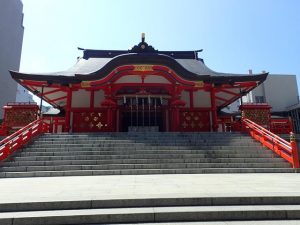
January 26, 2026The Best Shrines in Shinjuku, Tokyo: Hidden Spiritual Gems Amid Skyscrapers
Shinjuku is Tokyo’s pulsating heart — a whirlwind of neon lights, towering skyscrapers, massive shopping malls, and endless crowds. Yet, tucked between the concrete and chaos are serene Shinto shrines offering a peaceful escape, timeless traditions, and a glimpse into Japan’s spiritual heritage. These sacred sites, often centuries old, provide blessings for success, health, love, and prosperity. Here’s a curated guide to the best shrines in Shinjuku, with expanded historical details and practical tips for visiting.
1. Hanazono Shrine (花園神社) – Shinjuku’s Guardian Shrine
The largest and most iconic shrine in Shinjuku, Hanazono Shrine is a vibrant red oasis hidden just off Yasukuni-dori Avenue, a short walk from Shinjuku Station’s East Exit and next to the lively Kabukicho district.
Hanazono Shrine in Shinjuku, Tokyo
Row of vermilion Senbon Torii at Hanazono Shrine
History: While the current structure dates to the mid-Edo period (around the Kan’ei era, 1624–1644), its origins trace back earlier. Originally located near Shinjuku 3-chome, it was relocated to what was once the flower-filled garden (hanazono) of the Owari Tokugawa clan’s suburban villa, giving it its name (“Flower Garden Shrine”). It enshrines Inari Okami, the deity of agriculture, business prosperity, and worldly success. During the Meiji Restoration (1868), Buddhist elements were removed to make it purely Shinto. It became a key guardian for Naito Shinjuku (a historic post town), merchants, craftsmen, and entertainers.Highlights: The main hall is bright vermilion, with auxiliary shrines like Itoku Inari (matchmaking) and Geinō Asama (arts/entertainment). It’s popular with businesspeople and performers. Events include the lively Tori-no-Ichi festival (November, with kumade rakes for luck) and Sunday flea markets (antiques/vintage).Access: 5–7 min walk from Shinjuku Station East Exit or Shinjuku-sanchome Station (E2 exit).
Google Maps → https://maps.app.goo.gl/2DtGNSm6mhN2ZjWD9
Read more about Hanazono Shrine in Shinjuku
2. Naruko Tenjin Shrine (成子天神社) – The Learning & Fuji Shrine
This brightly colored shrine in Nishi-Shinjuku (west side) is a quick walk from Nishi-Shinjuku Station and offers a surprising mini-Mount Fuji replica.
Naruko Tenjin Shrine in Shinjuku, Tokyo
Vermilion torii gate at Naruko Tenjin Shrine
History: Founded in 903 AD during the Engi era, it’s one of Shinjuku’s oldest sites. Dedicated to Sugawara no Michizane (Tenjin), the deity of scholarship and learning (exiled scholar-poet). Vassals reportedly brought his spirit statue from Dazaifu after his death. It survived WWII bombings but was rebuilt in concrete (1966) and modernized in 2013. The Fujizuka (man-made Fuji mound) is a sacred replica for Fuji worship, with stone lanterns and komainu guardian dogs over 200 years old.Highlights: Popular with students during exams. The Fujizuka “hike” is a unique urban experience. Seven Lucky Gods statues add fortune vibes.Access: 2–3 min walk from Nishi-Shinjuku Station (Exit 1).
Google Maps → https://maps.app.goo.gl/bPK6JdvqsB2EepxF6
Read more about Naruko Tenjin Shrine in Shinjuku
3. Juniso Kumano Shrine (十二社熊野神社) – The Serene Park Guardian
A beautiful wooden shrine in Shinjuku Central Park (Nishi-Shinjuku), near major hotels like Hyatt Regency and Hilton.
Kumano Shrine in Shinjuku Central Park, Tokyo
Torii gate at Juniso Kumano Shrine in Shinjuku Central Park, Tokyo
History: Originating in the 14th century (Muromachi period), it’s part of the nationwide Kumano faith network honoring the three grand Kumano shrines (Hongū, Shingū, Nachi). It preserves ancient traditions amid modern Tokyo. As Shinjuku’s protector, it offers blessings for health, relationships, and prosperity. The name “Juniso” refers to 12 Kumano deities.Highlights: Tranquil wooden buildings, peaceful grounds with greenery. A calm escape in the park.Access: In Shinjuku Central Park; 10–12 min walk from Shinjuku Station West Exit.
Google Maps → https://maps.app.goo.gl/cTg4vkqcvxHdfBPm9
Read more about Kumano Shrine in Shinjuku
4. Inarikiō Shrine (稲荷鬼王神社) – Kabukicho’s Healing & Business Shrine
A small but unique shrine on the eastern side of Kabukicho (away from the main station).
Inarikiō Shrine in Shinjuku, Tokyo
Vermilion torii gates at Inarikiō Shrine in Shinjuku
History: The name “Inarikiō” is unique in Japan (“Kio” refers to a benevolent demon). It enshrines Inari (prosperity) and Kiou Gongen. A side shrine honors Ebisu (one of the Seven Gods of Fortune), drawing businessmen for luck. Known for healing/protection charms (nademamori) and a historic tofu-cutting ritual for health from the Edo period. The Bettara-Ichi festival (October) is a local tradition.Highlights: Businessmen visit Ebisu for success. Peaceful despite Kabukicho’s energy.Access: 3 min walk from Higashi-Shinjuku Station; 7–15 min from Shinjuku Station.
Google Maps → https://maps.app.goo.gl/qrnRZbuLn3pYcKGJ8
Read more about Inarikiō Shrine in Shinjuku
5. Raiden Inari Shrine (雷電稲荷神社) – The Thunder Fox Shrine
A tiny shrine near Shinjuku Gyoen, about 300m from Shinjuku Station.
Raiden Inari Shrine in Shinjuku, Tokyo
Vermilion torii gate at Raiden Inari Shrine in Shinjuku
History: Exact founding unknown, but legend ties it to Minamoto no Yoshiie (11th-century samurai) during a thunderstorm campaign. A white fox appeared, bowed, and stopped the storm — leading to its name (Raiden = thunder). Originally part of Hanazono Shrine, it separated ~80–100 years ago.Highlights: Fox statues and power spots. Compact but atmospheric.Access: Near Shinjuku Gyoen; short walk from station.
Google Maps → https://maps.app.goo.gl/MKkXrkSkszDDF6S67
Read more about Raiden Inari Shrine in Shinjuku
6. Kabuki Benzaiten Shrine (歌舞伎弁財天神社) – The Arts & Entertainment Shrine
A small shrine in Kabukicho Park, right in the red-light district’s heart.
Kabuki Benzaiten Shrine in Shinjuku, Tokyo
Seated stone statue of Benzaiten (goddess of music, arts, and prosperity)
History: Enshrines Benzaiten (goddess of music, dance, arts, and thriving business). Kabukicho’s name derives from “Kabuki” (traditional theater) + “cho” (district). The area was once swampland with shrines; Benzaiten survived 1945 WWII fires (evacuated by a believer) and was restored in 1946 as a temporary site. It honors neighborhood guardians and entertainers.Highlights: Blessings for performers/business. Contrast with nightlife adds intrigue.Access: In Kabukicho Park; east of Shinjuku Station.
Google Maps → https://maps.app.goo.gl/MbAnpBvU3qp69SfP9
Read more about Kabuki Benzaiten Shrine in Shinjuku
Other Notable Shrines & Temples in Shinjuku
Taiso-ji Temple (泰叟寺): A Buddhist temple near Shinjuku Gyoen with a large Buddha statue and unique cemetery. Late 16th-century origins; tied to Naito family. Peaceful spot.
Ana Hachimangu Shrine: Known for its “nademamori” healing charms and Edo-period rituals.
Suga Shrine (Yotsuya area): Famous from anime “Your Name” (torii gate path); great for love/romance blessings.
Shinjuku’s shrines blend ancient history with urban life — perfect for reflection amid the buzz. Visit early mornings or weekdays for tranquility, and always purify hands/mouth at the chozuya before praying. If you’re in Shinjuku, these spots offer a deeper Tokyo experience! [...]
Read more...

December 10, 2025(Everything You Need to Know About Tokyo’s Busiest, Wildest, and Most Addictive District)
Shinjuku isn’t just a neighbourhood.It’s the beating, neon-soaked heart of Tokyo – the place where 3.6 million people pour through the world’s busiest train station every single day, where skyscrapers fight for skyline space with ancient shrines, and where you can go from serene cherry-blossom gardens to robot cabaret in under 30 minutes. In 2025/2026, Shinjuku remains the ultimate Tokyo base: unbeatable transport connections, every cuisine imaginable, nightlife that ranges from quiet jazz bars to full-throttle chaos, and more hotels than anywhere else in the city.
I’ve lost count of how many times I’ve stayed here (not really – it’s 22 times), but it never gets old. This monster guide is everything I wish I’d had on my first trip – transport hacks, must-see attractions, hidden gems, the real best restaurants (not just the tourist traps), nightlife zones, shopping malls, day trips, and hotel recommendations for every budget. Let’s dive in.
Shinjuku by day – skyscrapers, signs, and endless energy
Why Shinjuku Is Still the Best Place to Stay in Tokyo
Transport god-mode: Shinjuku Station connects 12 train/subway lines + buses to everywhere. Narita Express, Romancecar to Hakone, and direct airport limousine buses.
24-hour energy: Something is always open – ramen at 3 AM, karaoke till dawn, or just people-watching the salarymen at 7 AM.
Diversity: Luxury skyscrapers next to 1950s yakitori alleys, Michelin-starred restaurants beside 300-yen gyoza stalls.
Central but not tourist-trap central – you get the buzz without the Khao San Road madness.
The world’s busiest train station – Shinjuku Station in peak hour.
Getting to Shinjuku & Getting Around
From Narita Airport (NRT):
Narita Express (N’EX): 80–90 min, ¥3,250, direct to Shinjuku Station.
Airport Limousine Bus: 90–120 min, ¥3,600, drops at major hotels.
Taxi: Expensive: Upwards of ¥30,000 to ¥35,000 A$300 – A$350
From Haneda Airport (HND):
Train: 40–50 min, ~¥700.
Limousine Bus: 45–75 min, ¥1,300.
Taxi: between ¥10,000 to ¥13,000 A$100 – A$130
Inside Shinjuku: walk or subway – everything is 5–15 min apart. Buy a Suica/Pasmo card to ride the underground – you’ll use it constantly.
Must-See Attractions in Shinjuku
Smoky, cramped, perfect – a classic Omoide Yokocho yakitori joint.
Shinjuku Station – The Busiest Place on Earth3.6 million passengers daily. Watch the organised chaos at peak hour or wander the underground city of shops and eateries.
Tokyo Metropolitan Government Building Observatories (Free!)Twin towers in Nishi-Shinjuku – 202 m high, 360° views. Open until 11 PM (south tower till 5:30 PM). On clear days you can see Mount Fuji.
Shinjuku Gyoen National Garden58 hectares of pure calm. Three gardens (Japanese, French, English), 1,500 cherry trees. ¥500 entry – best hanami spot in central Tokyo.
Kabukicho – Tokyo’s Red-Light & Entertainment DistrictNeon jungle, love hotels, robot restaurant (still running in 2025), Godzilla head, and thousands of bars and izakayas. Safe, surreal, and unmissable.
Golden Gai – 200+ Tiny Bars in 6 AlleysEach bar seats 6–10 people. Some welcome foreigners, some have cover charges – look for English signs or ask nicely.
Omoide Yokocho (Memory Lane / Piss Alley)Post-war yakitori alleys next to the station – smoky, cheap, authentic. Perfect pre-drinks spot.
Hanazono ShrineBeautiful Shinto shrine surrounded by skyscrapers – great for photos and a moment of calm.
Samurai MuseumArmour, swords, live demonstrations – fun and educational (¥1,900).
Tokyo Korea Town – Shin-Okubo Shinjuku – Korean Fried Chicken and Korean BBQ galore
Tokyo Camera Town – famous Yodabashi camera store selling cameras and electronics
VR Zone Shinjuku & Godzilla StoreArcade games + life-size Godzilla head roaring over Kabukicho.
Thermae-Yu Onsen & SpaMassive public bathhouse – perfect recovery after a long night.
Real Samurai armour up close – history you can feel.
The Food Scene – From Michelin Stars to 300-Yen Bowls
Shinjuku has over 8,000 restaurants – more than most cities have in total. You could eat three meals a day for 7 years and still not try them all.
Top 20 Highest-Rated Restaurants in Shinjuku (2025 Aggregate)
RankNameCuisineRatingPriceWhy People Rave1TsunahachiTempura4.8¥¥¥100-year-old tempura master – light, crispy perfection2HamakatsuTonkatsu4.8¥¥Crispiest katsu in Tokyo – worth the queue3New York Grill (Park Hyatt)Steakhouse4.8¥¥¥¥Lost in Translation views + A$80 wagyu burger4Sushi Saito ShinjukuSushi4.8¥¥¥¥Intimate 8-seat counter, melt-in-mouth fish5Gyukatsu MotomuraBeef Cutlet4.7¥¥DIY grill-your-own wagyu cutlet – genius6Omoide Yokocho stallsYakitori4.7¥Smoky, salty, cheap – post-war nostalgia7Ichiran RamenTonkotsu Ramen4.7¥Customisable solo-booth ramen heaven8Tempura SatoimisatoyamaTempura4.7¥¥¥Another branch of the tempura legend9Yakiniku DonDonJapanese BBQ4.7¥¥Loud, Noisy, Smoky, must visit10KatsukuraTonkatsu4.7¥¥Unlimited cabbage + perfect katsu11Himawari ZushiSushi4.7¥¥¥Standing sushi bar – fresh and fast12CoCo IchibanyaJapanese Curry4.6¥Customisable curry chain – comfort food king13KisojiShabu-shabu4.6¥¥¥¥Wagyu shabu – luxury without the fuss14Afuri RamenYuzu Shio Ramen4.6¥¥Citrusy broth that cuts through the richness15Lumine food hallsVarious4.6¥–¥¥¥100+ options under one roof above the station16TenkichiyaDonburi4.6¥Huge tendon bowls for under ¥1,00017Uobei SushiConveyor Belt4.6¥High-tech sushi at dirt-cheap prices18Shinjuku Kakekomi GyozaGyoza4.6¥Crispy-bottom gyoza – 5 for ¥29019OtowateiYakitori4.6¥¥Directly under the Hilton Hotel20Menya MusashiTsukemen4.6¥¥Thick noodles + rich dipping broth
Best Nightlife Zones in Shinjuku
Shinjuku nightlife is legendary for its variety – from quiet jazz bars to full-throttle chaos.
Kabukicho – Neon-soaked entertainment district. Robot Restaurant (still running in 2025), host clubs, izakayas, and the famous Godzilla head.
Golden Gai – 6 tiny alleys, 200+ micro-bars. Each bar seats 6–10 people – some English-friendly, some not. Cover charges 500–1,500 ¥.
Omoide Yokocho (Piss Alley) – Smoky yakitori lanes west of the station – cheap beers and skewers.
New York Bar (Park Hyatt) – Lost in Translation vibes, live jazz, expensive cocktails with insane views.
Shopping in Shinjuku – From Luxury to Bargains
Isetan Shinjuku – Japan’s best department store – food basement is legendary.
Takashimaya Times Square – 14 floors of fashion and food.
Bic Camera / Yodobashi Camera – Tax-free electronics heaven.
Don Quijote (Donki) – 24-hour everything store – snacks, costumes, souvenirs.
Lumine & Mylord – Fashion malls above the station.
Odakyu – one of Shinjuku’s biggest and most popular department stores, right next to the world’s busiest station.
Easy Day Trips from Shinjuku
Yokohama – 35 min by train – Japan’s second city, Chinatown, Cup Noodles Museum.
Kamakura – 1 hr by train – ancient capital, Great Buddha, beach.
Mount Fuji & Hakone – 2 hrs by Romancecar + bus – Fuji views, onsen, lake cruise.
Enoshima – 1.5 hrs – island shrine, sea caves.
Nikko – 2 hrs by Shinkansen – UNESCO temples, waterfalls, skiing and snowboarding
The 13-metre bronze Great Buddha of Kamakura – just 1 hour from Shinjuku and one of Japan’s most iconic sights.
Where to Stay in Shinjuku – 2025/2026 Prices
Luxury (¥40,000–100,000+ / A$400–1,000+)
Park Hyatt Tokyo – rooms at over ¥70,000 per night
Keio Plaza – a quality business hotel walking distance from Shinjuku Station
Hyatt Regency Tokyo – my preferred place to stay – my 2nd home away from home
Hilton Tokyo – directly opposite the Hyatt Regency
The Knot Tokyo Shinjuku
The Lost in Translation view – live jazz and Tokyo’s glittering skyline from the 52nd floor New York Grill, Park Hyatt Tokyo.
Mid-Range (¥15,000–40,000 / A$150–400)
Hotel Gracery Shinjuku (Godzilla head!)
Citadines Central Shinjuku
Tokyu Stay Shinjuku
The most famous monster in Tokyo – Godzilla roars over Kabukicho every hour from Hotel Gracery Shinjuku!
Budget (¥8,000–15,000 / A$80–150)
APA Hotel Shinjuku-Kabukicho Tower
Shinjuku Washington Hotel
Imano Tokyo Hostel (private rooms)
Shinjuku is loud, bright, and relentless – but it’s also one of the most exciting places on Earth. Stay here once and you’ll understand why people keep coming back to Tokyo again and again.
Ready to get lost in Shinjuku? Drop your favourite spot below and tag a mate who needs this chaos in their life!
#ShinjukuTokyo #Tokyo2025 #JapanTravel [...]
Read more...

December 1, 2024Shane’s Burg American Restaurant has now CLOSED FOR BUSINESS
Burgers, ribs and delicious desserts. Shane’s Burg American Restaurant is located directly above Shinjuku Train Station in the MyLord Shopping Plaza. An American style diner, Shane’s Burg serves up a range of delicious burgers, steaks, ribs and also a huge range of desserts including ice cream Sundays.
Shane’s Burg American Restaurant Shinjuku
I went in for lunch and tried there teriyaki burger which is very tasty! A huge chunk of burger patty which is marinated in teriyaki sauce before being grilled and then served with a large white bun with onions. The burger comes with French fries and a bowl of pickles. Prices are quite reasonable. They also serve the burger patties as a meal without the bun, served on a sizzling platter.
Teriyaki Burger at Shane’s Burg American Restaurant Shinjuku
Tasty burger at Shane’s Burg Restaurant Shinjuku
If you looking for a fix of burgers and steaks then take a visit to Shane’s Burg Restaurant. It is very easy to get to being right above Shinjuku station, located within the MyLord Shopping Mall. You take the West Exit of Shinjuku station and the shopping mall is right there.
Grilled steak at Shane’s Burg American Restaurant Shinjuku
Desserts at Shane’s Burg Restaurant Shinjuku
Shane’s Burg American RestaurantLevel 7MyLord Shopping Mall1-1-3 Nishi-ShinjukuPh: (03) 3349 5810
Open 7 days a week for lunch and dinner 11am – 11pm
Inside Shane’s Burg American Restaurant Shinjuku Tokyo
Check out the location of Shane’s Burg American Restaurant in Shinjuku Tokyo [...]
Read more...

September 29, 2023Imahan is a famous chain of top quality Sukiyaki and Shabu Shabu restaurants in Tokyo. I visited the Imahan in Nishi-Shinjuku which is located directly beneath the Hyatt Regency Hotel, across the road from the Hilton. The produce used at Imahan is top quality and the prices reflect. Expect to pay around $100 per person for Sukiyaki with drinks. It’s official name is Ningyocho Imahan.
Imahan Sukiyaki Restaurant in Nishi-Shinjuku Tokyo
I visited here in July 2023 and had an excellent meal. There were 2 of us and the bill came to just over A$300 but we did knock back a fair few drinks and sake! The Sukiyaki menu has 3 options, High Quality Chuck at 6820 Yen per person (around A$71 or US$46), High Quality Beef at 9020 Yen per person (A$94 or US$61) or the Top Quality Beef at 13,860 Yen per person (around A$145 or US$94). We had the Top Quality Beef, we were told the beef comes from Kanagawa prefecture which is west of Tokyo..
High Quality Beef at Imahan Sukiyaki Restaurant Nishi-Shinjuku
They start the meal with an appetizer which came in 2 small bowls. One was some tuna with slices of vegetables, not sure what the other one was 😉
Appertizer at Imahan Sukiyaki Restaurant Nishi-Shinjuku
You get a personal chef who comes and prepares the sukiyaki at your table. They first start by cooking the thinly sliced beef, then after cook the vegetables. Each piece of beef is cooked only for up to 1 minute and then served in a bowl which has a raw egg inside.
Imahan Sukiyaki Restaurant Nishi-Shinjuku
Personal Chef at Imahan Sukiyaki Restaurant Nishi-Shinjuku
Sukiyaki at Imahan Restaurant Nishi-Shinjuku Tokyo
At the end of the meal, the chef mixes up some eggs and cooks in in the pan with all the left over Sukiyaki sauce. At this stage I was full so wasn’t able to eat the egg dish. There is so much food in the Sukiyaki meal.
Egg cooked in Sukiyaki sauce at Imahan Sukiyaki Restaurant Nishi-Shinjuku
Last course is dessert which was a single scoop of ice-cream and some fruit. I managed to squeeze this one into my dessert stomach.
Dessert at at Imahan Sukiyaki Restaurant Nishi-Shinjuku
A very top quality meal that I highly recommend. The prices are very high but it is the full Japanese dining experience. I do recommend the sukiyaki at this restaurant.
Ninggyocho Imahan RestaurantWebsite: https://imahan-tokyo.com/official/ [...]
Read more...

September 27, 2023Hyatt Regency Hotel in Nishi Shinjuku Tokyo is a quality 5 star hotel. There are 6 restaurants within the Hyatt Regency Hotel Tokyo and there are also loads of great restaurants within walking distance from the hotel. Check out the best restaurants near to the Hyatt Regency Hotel Shinjuku Tokyo:
Caffè Italian Restaurant is located within the foyer of the Hyatt Regency Hotel. Serving a range of Italian food including buffet meals. Caffe serves breakfast, lunch and dinner.
Jade Garden Chinese Restaurant located on Level 1 of the Hyatt Regency Hotel. Serving traditional Cantonese Chinese cuisine including delicious Yum Cha Dim Sum dishes.
Imahan Sukiyaki Restaurant is located directly underneath the Hyatt Regency Hotel. Serving top quality Japanese beef in either Sukiyaki or Shabu-Shabu. A personal chef cooks the meal at your table. Very expensive but a top quality Japanese dining experience.
Imahan Sukiyaki Restaurant Nishi-Shinjuku
Musashino Mori Diner is an excellent cafe located directly behind the Hyatt Regency Hotel, on the corner of Shinjuku Central Park. Open for breakfast, lunch and dinner. I can highly recommend their Eggs Benedict.
Eggs Benedict Breakfast at Musashino Mori Diner Shinjuku Central Park Tokyo
Tonkatsu Wako Restaurant used to be directly underneath the Hyatt Regency Hotel but has moved diaganolly across the road at the Shinjuku i-Land Building. Serves up Japanese deep fried pork cutlets – Tonkatsu.
Tonkatsu set meal in Shinjuku Tokyo
Otowatei Yakitori Bar is one of my favourite restaurants close to the Hyatt Regency. This small yakitori bar, where you sit at the counter and watch the chef cook up yakitori chicken skewers over the hot coals. Located diretly below the Hilton Hotel in the shopping mall Hiltopia.
Junisoh Sushi Bar Restaurant is a top quality sushi restaurant located across from the road from the Hyatt Regency Hotel within the Hilton Hotel. Just 2 minutes walk across the road from the Hyatt Regency.
Metropolitan Grill Restaurant one of the best steak restaurants in Tokyo, located with the Hilton Hotel, across the road from the Hyatt Regency Hotel, 2 minutes walk.
Meat Sampler at Metropolitan Grill Restaurant Tokyo
Dynasty Chinese Restaurant is a high class Chinese restaurant in the Hilton Hotel serving Chinese / Cantonese food including a selection of Dim Sum dishes.
Spring Rolls at Dynasty Chinese Restaurant Tokyo
Ashoka Indian Restaurant located directly below the Hilton Hotel in the Hiltopia Shopping Mall. One of the best Indian restaurants in Tokyo.
Check out my food review video for Ashoka Indian Restaurant
Misono Kobe Teppanyaki Restaurant a fine dining (expensive) teppanyaki restaurant located on level 51 of the Sumitomo Building, directly across from the Hyatt Regency Hotel.
China Doll Chinese Restaurant located within the i-Shinjuku Building just 3 minutes walk from the Hyatt Regency Hotel. Cross the road to the Hilton Hotel, then turn right and the next block you’ll find i-Shinjuku Building.
Sweet and Sour Pork at China Doll Restaurant Tokyo
Bali Lax Indonesian Restaurant is just 5 minutes walk down the road from the Hyatt Regency. Bali Lax serves up traditional Balinese and Indonesian food. The restaurant has awesome Balinese decor within the restaurant.
Noodle dish at Bali Lax Indonesian Restaurant
Rokkaku Yakiniku BBQ Restaurant a traditional Japanese BBQ restaurant with gas BBQ built into each table. Located within the Washinton Hotel. When you walk out the front of the Hyatt Regency turn to the right and walk to the end of the street where you’ll find the Washington Hotel Shinjuku, just 5 minutes walk.
Yamanami Teppan-yaki Restaurant is a fine dining teppanyaki restaurant located within the Keio Plaza Hotel, just 5 minutes walk from the Hyatt Regency Hotel.
Yamanami Teppanyaki Restaurant Shinjuku
Duo Fourchettes Restaurant is located within the Keio Plaza Hotel, serving up French and Italian food. 5 minutes walk from the Hyatt Regency Hotel.
Gokoku Tei Korean Restaurant located within the Keio Plaza Hotel 5 minutes walk from the Hyatt Regency Hotel. Serves up a great range of Korean food including delicious Bibimbap.
Thali-ya Indian Restaurant a small Indian restaurant located right next to Nishi-Shinjuku Metro station, just 8 minutes walk from the Hyatt Regency Hotel.
Great Indian food at Thali-ya Indian Restaurant
Hamakatsu Tonkatsu Restaurant a famous restaurant serving up deep fried pork cutlets (Tonkatsu) located close to Shinjuku Station. Just 12 minutes walk from the Hyatt Regency.
Tonkatsu set meal at Hamakatsu Restaurant Shinjuku
Toriyoshi Restaurant Nagoya Restaurant located directly across the road from Shinjuku Train Station on the west side, just 8 minutes walk from Hyatt Regency Hotel. Serves Tebasaki, the best chicken wings in the world.
Tebasaki at Toriyoshi Restaurant Shinjuku Tokyo
Shinjuku Bombay Indian Restaurant is located close to Shinjuku Train Station on the west side. Serves up a great range of Indian food including delicious Thali.
Mango Tree Cafe Thai Restaurant located on Level 7 of the Lumine 1 Shopping Mall directly above the South Exit of Shinjuku Train Station. Around 10 minutes walk from the Hyatt Regency Hotel.
Don Don Yakiniku BBQ Restaurant my favourite Japanese Yakiniku restaurant in Tokyo! Located within Kabukicho on the eastern side of Shinjuku Train Station. Around 15 minutes walk from the Hyatt Regency Hotel.
Don Don Yakiniku Restaurant Kabukicho Shinjuku Tokyo [...]
Read more...

September 17, 2023Tonchinkan is a highly recommended Tonkatsu Restaurant located in Nishi-Shinjuku (West Shinjuku) just a few minutes walk from Shinjuku Train Station. Located upstairs, this is a small and very busy Tonkatsu Restaurant, with excellent home cooking style and delicious Pork Tonkatsu.
Tonchinkan Tonkatsu Restaurant Nishi-Shinjuku Tokyo
I visited in July 2023. I had heard this restaurant gets busy so I got there at 11.45am and the restaurant was mostly full. I got a seat at a table, sharing with 2 ladies who were sitting on the other side. Each of the tables have a plastic divider which separates each side of the table.
Inside Tonchinkan Tonkatsu Restaurant Tokyo
This type of home-cooking style is my favourite type of Tonkatsu. A real mom and pop style restaurant. This place only accepts cash payment.
Delicious Home-cooked Tonkatsu at Tonchinkan Tonkatsu Nishi-Shinjuku
I had the standard lunch time Tonkatsu lunch set which costs 950 Yen, a bargain for a delicious meal of tasty pork tonkatsu, a bowl of rice, miso soup and a side of pickels. The Tonkatsu pork was so tender and juicy. There are bowls on the table with the famous Tonkatsu BBQ style sauce and some spicy yellow mustard.
Tonkatsu Lunch Set meal at Tonchinkan Tonkatsu Restaurant Tokyo
Tonkatsu with sauce and mustard at Tonchinkan Tonkatsu Restaurant Shinjuku
I’ve eaten plenty of Tonkatsu in Tokyo, especially in the Nishi-Shinjuku area and I highly recommend a visit to Tonchinkan. The staff did speak a little bit of English, the menu has pictures of each of the dish, so is easy enough to point at what you want to order.
Delicious juice Pork Tontatsu at Tonchinkan Nishi-Shinjuku
Check out the location of Tonchinkan Tonkatsu Restaurant in Nishi-Shinjuku Tokyo [...]
Read more...
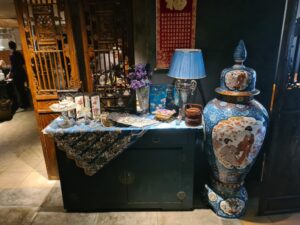
September 10, 2023Dynasty Chinese Restaurant is a high class Cantonese / Chinese restaurant located inside the Hilton Hotel in Shinjuku Tokyo. Serving a range of Cantonese food, the menu has a small selection of Dim Sum, which are usually small dishes served as part of a Yum Cha meal. There are 4 dim sum dishes on the menu, i went in and tried them all.
Dynasty Chinese Restaurant Tokyo
Inside Dynasty Chinese Restaurant at Hilton Hotel Shinjuku
Located on Level 1 of the hotel, Dynasty Chinese Restaurant is a very nice restaurant serving good quality food. I was staying across the road at the Hyatt Regency Hotel (which has its own Chinese restaurant called the Jade Garden). Check out the Dim Sum Menu at the Dynasty Chinese Restaurant.
Dim Sum Menu at Dynasty Chinese Restaurant Tokyo
First dish I had was one of my favourite – Steamed Prawn Dumplings (Hargow). These were very tasty, with nice plump prawns (shrimp) inside.
Steamed Prawn Dumplings at Dynasty Chinese Restaurant Tokyo
Next were the Siu Mai pork dumplings which another go to dish of mine when I go for Yum Cha. Another tasty dish.
Siu Mai Dumplings at Dynasty Chinese Restaurant Tokyo
3rd in this meal were the Deep Fried Springs Rolls which has a combination of pork, crab meat and shrimp inside. I usually pass on spring rolls as generally they are quite plain but these were the star of this meal. They were so crispy on the outside and there were some lovely chunks of the various meat and seafood inside.
Spring Rolls at Dynasty Chinese Restaurant Tokyo
Last of the Dim Sum menu were the Meat balls with sticky rice. This is something I had never seen on a Yum Cha / Dim Sum menu before. They were OK but I could have passed on these and had another serving of the spring rolls.
Meat Ball with Sticky Rice at Dynasty Chinese Restaurant Tokyo
4 dishes were quite enough so I ended the meal with a dessert of Mango Pudding which was quite tasty. Check out the full dessert menu at Dynasty Chinese Restaurant.
Mango Pudding Dessert at Dynasty Chinese Restaurant Tokyo
Dessert Menu at Dynasty Chinese Restaurant Tokyo
View outside from Dynasty Chinese Restaurant Tokyo [...]
Read more...

September 2, 2023The Hilton Hotel Shinjuku Tokyo has a few quality restaurants inside the hotel to dine at and there are loads more great restaurants within walking distance from the hotel. Check out the best restaurants near to the Hilton Hotel Shinjuku Tokyo:
Metropolitan Grill Restaurant one of the best steak restaurants in Tokyo is located within the Hilton Hotel. This is my favourite restaurant inside the Hilton. I can highly recommend the Meat Sampler with 3 100 gram steaks from Japan, Australia and the US.
Meat Sampler at Metropolitan Grill Restaurant Tokyo
Junisoh Sushi Bar Restaurant is a top quality sushi restaurant also located inside the Hilton Hotel. With 2 sushi counters where you sit right infront of the sushi chef and watch your meal be prepared.
Otowatei Yakitori Bar is one of my favourite restaurants in Tokyo, I visit here every time I stay at the Hilton. A small restaurant which specialises in Yakitori (grilled chicken skewers), sit at the counter and watch the chef cook the skewers over hot coals. Located diretly below the Hilton Hotel in the shopping mall Hiltopia.
Ashoka Indian Restaurant is a great Indian restaurant located directly underneath the Hilton Hotel in the Hiltopia Shopping Mall. A great range of authentic Indian cuisine including delicious tandoori and freshly made naan breads.
Check out my food review video for Ashoka Indian Restaurant underneath the Hilton Hotel
Caffè Italian Restaurant is located directly across the road from the Hilton Hotel, in the foyer of the Hyatt Regency Hotel. Caffe serves breakfast, lunch and dinner. Open until midnight if you are looking for a late feed.
Jade Garden Chinese Restaurant located on Level 1 of the Hyatt Regency Hotel directly across the road from the Hilton Hotel. Serving traditional Cantonese Chinese cuisine including delicious Yum Cha Dim Sum dishes.
Musashino Mori Diner is located diagonally behind the Hilton Hotel at the start of the Shinjuku Central Park. A cafe / restaurant serving breakfast lunch and dinner. I can highly recommend the Eggs Benedict!
Eggs Benedict Breakfast at Musashino Mori Diner Shinjuku Central Park Tokyo
Misono Kobe Teppanyaki Restaurant a fine dining (expensive) teppanyaki restaurant located on level 51 of the Sumitomo Building, diagnonally across the road from the Hilton Hotel.
China Doll Chinese Restaurant located within the i-Shinjuku Building just 2 minutes walk from the Hilton Hotel. Walk out the front of the Hilton and walk straight, the I-Shinjuku Building in just 1 block away.
Bali Lax Indonesian Restaurant just 4 minutes walk down the road from the Hilton Hotel. Bali Lax serves up traditional Balinese and Indonesian food. The restaurant has awesome Balinese decor within the restaurant.
Noodle dish at Bali Lax Indonesian Restaurant
Rokkaku Yakiniku BBQ Restaurant a traditional Japanese BBQ restaurant with gas BBQ built into each table. Located within the Washinton Hotel. Walk out the front of the Hilton and cross the road at the traffic lights. Walk down the street past the Hyatt Regency Hotel and go to the end of that street and you’ll find the Washington Hotel.
Yamanami Teppan-yaki Restaurant a fine dining teppanyaki restaurant located within the Keio Plaza Hotel located close to Shinjuku train station, just 5 minutes walk from the Hilton Hotel.
Yamanami Teppanyaki Restaurant Shinjuku
Duo Fourchettes Restaurant is located within the Keio Plaza Hotel, serving up French and Italian food. 5 minutes walk from the Hilton Hotel.
Gokoku Tei Korean Restaurant located within the Keio Plaza Hotel 5 minutes walk from the Hilton Hotel. Serves up a great range of Korean food including delicious Bibimbap.
Thali-ya Indian Restaurant a small Indian restaurant located right next to Nishi-Shinjuku subway station, just 6 minutes walk from the Hilton Hotel.
Great Indian food at Thali-ya Indian Restaurant
Hamakatsu Tonkatsu Restaurant a famous restaurant serving up deep fried pork cutlets (Tonkatsu) located close to Shinjuku Station. Just 12 minutes walk from the Hilton Hotel.
Tonkatsu set meal at Hamakatsu Restaurant Shinjuku
Toriyoshi Restaurant Nagoya Restaurant located directly across the road from Shinjuku Train Station on the west side, just 12 minutes walk from Hilton Hotel. Serves Tebasaki, the best chicken wings in the world.
Tebasaki at Toriyoshi Restaurant Shinjuku Tokyo
Shinjuku Bombay Indian Restaurant is located close to Shinjuku Train Station on the west side. Serves up a great range of Indian food including delicious Thali.
Mango Tree Cafe Thai Restaurant located on Level 7 of the Lumine 1 Shopping Mall directly above the South Exit of Shinjuku Train Station. Around 12 minutes walk from the Hilton Hotel.
Don Don Yakiniku BBQ Restaurant my favourite Japanese Yakiniku restaurant in Tokyo! Located within Kabukicho on the eastern side of Shinjuku Train Station. Around 15 minutes walk from the Hilton Hotel.
Don Don Yakiniku Restaurant Kabukicho Shinjuku Tokyo
Check out the most popular articles about Shinjuku Tokyo [...]
Read more...

August 28, 2023Musashino Mori Diner is an excellent cafe / diner inside Shinjuku Central Park (Shinjuku Chuo Park) located directly behind the Hyatt Regency Hotel, diagonally across from the Hilton Hotel.
Musashino Mori Diner Shinjuku Central Park
Opened in 2022, Musashino Mori Diner is open for breakfast, lunch and dinner, serving a range of cafe style food, a range of breakfast foods, sandwiches, salads and seasonal specials.
I went in for a late breakfast, early lunch and had some excellent Eggs Benedict with a nice latte coffee. Prices are quite reasonable with great service.
Eggs Benedict Breakfast at Musashino Mori Diner Shinjuku Central Park Tokyo
Latte Coffee at Musashino Mori Diner Shinjuku Central Park
Also on the menu is a selection of craft beers.
Craft Beer Menu at Musashino Mori Diner Shinjuku Central Park
Inside Musashino Mori Diner Shinjuku Central Park Tokyo
There is also a Starbucks Coffeeshop right next door.
You can walk to Shinjuku Central Park from Shinjuku Train Station in about 10 minutes. [...]
Read more...

August 23, 2023The Gymnasium / Fitness Centre at the Hyatt Regency Tokyo Hotel is located on the top floor (Level 28) of the hotel. The gym is only small but there is enough equipment to give yourself a great workout, and the gym has some excellent views over Nishi-Shinjuku Tokyo.
Fitness Centre at Hyatt Regency Tokyo Shinjuku
There are many cardio machines for jogging and cycling, all lined up next to the windows and each have a personal TV screen to watch while exercising. The view from these cardio machines looks towards the Tokyo Metropolitan Government Building and over to the right you can see the building the Park Hyatt is in.
View from the cardio machines at the gym at Hyatt Regency Tokyo Hotel
There are only 3 weight machines, 1 for chest, 1 for back and the other for legs (quads).
Weight machines at the gym at Hyatt Regency Tokyo Hotel
There is a rack of free hand weights ranging from 1kg to 10kg.
Free weights at Gym at Hyatt Regency Tokyo Hotel
Best thing about this gymnasium is hardly anyone uses it. On my recent stay for 5 nights, I used the gym 4 times and only once was there anyone else in the gym at the same time.
Cardio machines at the gym at Hyatt Regency Tokyo Hotel
View from the Exercise Bicycle at Hyatt Regency Tokyo Hotel
There is a swimming pool on the same level as the gymnasium but it was closed for renovations when I was there in July 2023. [...]
Read more...

July 21, 2021Ginza Hageten is a famous Tempura Restaurant located in Ginza Tokyo (first opened in 1928) as well as various other locations in Tokyo. There is a Ginza Hageten located in the Isetan Kaikan Shopping Centre, just a short walk from Shinjuku Train Station.
Ginza Hageten Tempura Restaurant Shinjuku Tokyo
While the flagship restaurant in Ginza is a high class, fine dining experience, this tempura restaurant in Isetan Shinjuku is a more relaxed, dining experience but with the same high quality tempura cuisine. Ginza Hageten strives to provide fresh seasonal ingredients and for their customers to enjoy top quality food at prices lower than anywhere else.
Delicious Tempura at Ginza Hageten Restaurant Shinjuku
Out the front of the restaurant, they have displays of the tempura food they serve, which is very typical for a restaurant in Japan. Rather than just a menu with words, they have the food on display to whet your appetite.
Hageten Tempura Restaurant in Shinjuku Tokyo
Lunch specials at Ginza Hageten to start from around 1000 Yen, so a decent feed at a very reasonable price.
Ginza Hageten Tempura RestaurantLevel 3Isetankaikan Shopping Mall3-14-1, ShinjukuTokyo
Website: http://www.hageten.com/ (Site in English)
Open 7 days a week for lunch and dinner 10am – 7.30pm
Check out the location of Ginza Hageten Tempura Restaurant in the Isetankaikan Store in Shinjuku Tokyo [...]
Read more...

July 20, 2021Hina Sushi Restaurant is located in the basement level of the Shinjuku I-Land Tower building in Nishi Shinjuku Tokyo. A great range of fresh sushi. A choice of all you can eat sushi or set sushi meals. Shinjuku i-Land Tower is located very close to the Hilton Hotel and Hyatt Regency Hotel, around 10 minutes walk from Shinjuku Train Station or just a few minutes walk from Nishi-Shinjuku Subway Station on the Marounuchi Subway Line.
Hina Sushi Restaurant Nishi-Shinjuku Tokyo
This is a casual dining sushi restaurant with good quality seafood at very reasonable prices. I’ve dined at this restaurant a few times and the food is always top qualities. The staff generally do not speak English but they have an English menu and it is easy to point to the items that you want to order. The menu has plenty of pictures too so you can see what you are ordering.
Sushi set meal at Hina Sushi Restaurant
Lunch menu prices – 9 pieces of sushi, 1 hand roll sushi and miso soup Y1039, 12 pieces of sushi, 1 hand roll sushi and miso soup Y1564, Dinner meny prices – 12 pieces of sushi any choice from menu Y2415 – get 13th piece free. All you can eat sushi with miso soup Y4189, childrens prices Y2089. 90 minutes from when you start dinner.
The restaurant has an open kitchen so if you are sitting close you can see all the action with the expert sushi chefs.
Sushi chefs at Hina Sushi Restaurant Tokyo
Inside Hina Sushi Restaurant Nishi-Shinjuku
Hina Sushi RestaurantShinjuku i-Land Tower6-5-1 Nishi-ShinjukuShinjuku Tokyo
Website: https://hina-sushi.com/ (Website in English)
Open for lunch and dinner 7 days a week
Check out the location of Hina Sushi Restaurant in Shinjuku i-Land Tower in Nishi-Shinjuku Tokyo [...]
Read more...
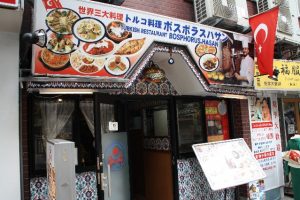
July 19, 2021Bosphorus Turkish Halal Restaurant is a casual dining restaurant located in Shinjuku, just 1 minute walk from the entrance to Shinjuku-gyoemmae Station on the Tokyo Metro Marunouchi Line, or around 10 minutes walk from the main Shinjuku Train Station. Bosphorus is a Halal certified restaurant.
Bosphorus Hasan Turkish Restaurant Shinjuku Tokyo
A great little Turkish Restaurant. The menu is only in Japanese though they have pictures of the dishes and the waiter (Turkish guy) spoke some English. The menu prices were reasonable. The lunch set comes with soup, freshly baked Turkish bread, choice of meal and dessert and Turkish tea.
Bosphorus Hasan Turkish Restaurant soup entree
We’ve been to Turkey and can appreciate good Turkish food. This certainly ranks with the best we had during our 2 weeks in Turkey.
We ate at this restaurant twice during our 6 nights in Tokyo and would recommend 3 dishes: the Bosphorus Special lamb, a vegetable and yogurt dish, oven-cooked and served in a pottery bowl; another lamb and vegetable dish prepared similarly (called “lamb saute” or “Coban Kavurma lamb”) and the cooked spinach with rice and yogurt sauce.
Bosphoros Turkish Restaurant lamb main meal
The chef and manager were extremely pleasant and eager to please. The manager even facilitated us ordering exactly what we wanted with his Google Translate app. (English to Turkish).
Bosphoros Turkish Restaurant dessert with Turkish tea
If you are in Tokyo and like Turkish food, I think you will be pleased.
While the food is all Halal, this restaurant does serve alcoholic beer. You will find most Halal restaurants in Tokyo also serve alcoholic beer as if they do not, then the local Japanese will not go to their restaurant.
Inside Bosphoros Turkish Restaurant Shinjuku Tokyo
Bosphorus Turkish Halal Restaurant ShinjukuShinjuku Dori2-7-2 Shinjuku 2-ChomeTokyoPh: 03-6380 6412
Open 7 days a week for lunch and dinner 11am – 8pm
Website: https://www.bosphorushasan.com/english.html
Check out the location of Bosphorus Turkish Restaurant in Shinjuku Tokyo [...]
Read more...

July 18, 2021Kizuna is a sushi restaurant located right in the heart of Kabukicho, Tokyo’s Red Light Entertainment District, just 10 minutes walk down from Shinjuku Train Station. Kizuna Sushi Restaurant is open 24 hours a day, 7 days a week. They serve up good quality sushi at a reasonable price. This is not a fancy sushi restaurant, just your average casual dining restaurant serving up traditional Japanese sushi and sashimi.
Kizuna Sushi Restaurant Kabukicho Shinjuku Tokyo
You can order individual sushi pieces (with over 50 types of sushi available) or order a large sushi plate with a selection of sushi pieces. They also serve chirashi-don, large bowls of rice topped with sashimi pieces. Sit at the sushi bar and watch the sushi chefs up close or sit in the dinning area on the ground floor. There is also a large dining room down on a lower level. There is no need to make a reservation, just turn up and you should be able to get a seat.
Set sushi meal at Kizuna Sushi Restaurant Kabukicho
They have a menu in English and as this the Kabukicho area is a popular tourist district, I found that the staff that served me spoke fairly good English.
Watching the sushi chefs at Kizuna Sushi Restaurant Tokyo
How to get to Kizuna Sushi Restaurant – Take the east exit from Shinjuku Station and follow the crowd to this famous entertainment district in Tokyo.
Dining area of Kizuna Sushi Restaurant Kabukicho Tokyo
Kizuna Sushi Restaurant1-18-8 KabukichoShinjuku-ku Tokyo
Open 24 hours a day, 7 days a week
Check out the location of Kizuna Sushi Restaurant in Kabukicho Shinjuku Tokyo [...]
Read more...
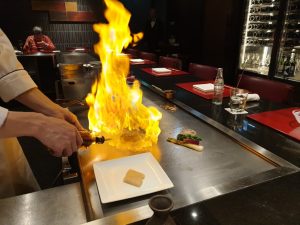
February 17, 2021Teppanyaki is an awesome dining experience everyone should experience when they visit Japan. At the Hyatt Regency Tokyo Hotel in Shinjuku, they have an awesome Teppanyaki Grill restaurant located on the 3rd floor. The experts chefs cook up top-quality Kobe beef, selected brand Wagyu beef, seafood, fresh vegetables from around the country and a selection of the finest wines and sake. Prices are a bit high as this restaurant is within a 5 star hotel. You are probably looking at around 10,000 Yen for a basic set meal per person.
Teppanyaki Grill at Hyatt Regency Tokyo
Teppanyaki in Japan is not the fancy show that you experience at Teppanyaki restaurants outside of Japan, like at Benihana in the US. The chefs do not throw food at you for a fun experience. In Japan, the Teppanyaki is all about cooking up the finest foods in front of you to get the best flavours right to your plate. It is still an entertaining experience watching the chefs, with their super sharp knives, slice and dice the vegetables, meat and seafood. The sizzling sounds and excellent aromas add to the experience.
I was staying at the Hyatt Regency Tokyo in February 2020 and went in for dinner and walked away really impressed with the quality of the food. I had the basic set meal which is called the ‘Yamato’ which includes a small appetizers, 3 kinds of canapes, sashimi, grilled fresh prawn, salad, sauteed foie gras, four kinds of grilled vegetables, 120g Wagyu Beef Sirloin Steak, fried rice, miso soup, Japanese pickles with dessert and coffee. All delicious food, if not maybe a little too much food, but I still managed to eat the lot!
Food presented at Teppanyaki Grill
The meal and cooking experience starts with the chef presenting the food to you before it is cooked up. The presentation and quality of the food on display is impressive.
Your appetizer, canapes and sashimi is brought out from the kitchen while the chef is preparing the hot plate.
Appetizer served at Teppanyaki Grill
3 canapes served at Teppanyaki Grill
Sashimi served at Teppanyaki Grill
Then the hot plate cooking begins, working through the various items cooked on the grill, from the prawn, foiegras, vegetables, Wagyu beef and finishing with the fried rice.
Grilled prawn at Teppanyaki Grill
Foiegras served with Raddish
Wagyu beef at Teppanyaki Grill
Fried rice with miso soup and pickles
At the end of the meal you are taken through to a lounge area to enjoy the final course, the dessert and choice of coffee or tea.
Dessert served at Teppanyaki Grill
A fine meal indeed. It is definitely a lot of food but everything was so delicious. Take your time, enjoy some drinks and sit back and enjoy the excellent dining experience.
Teppanyaki GrillHyatt Regency Hotel Tokyo2 Chome-7-2 NishishinjukuShinjuku City, Tokyo 160-0023
Open 7 nights a week for dinner
Website: Teppanyaki Grill at Hyatt Regency Tokyo
Check out the location of the Teppanyaki Grill at Hyatt Regency Tokyo in Shinjuku [...]
Read more...
June 15, 2019Xi’an Chinese Restaurant is a popular Chinese Restaurant serving food from Xi’an in western China. Street food, dumplings, roast duck / pork, stir fries and Chinese Hot Pot. Located on the Western side of Shinjuku train station, just a few minutes walk from the station.
Xian Chinese Restaurant Nishi-Shinjuku Tokyo
Located just a few minutes walk from Shinjuku Station, take the west exit to find a great Chinese restaurant. This place always has lots of Chinese people dinning here which is always a good sign of good Chinese food. Xi’an is a city located in the western part of China, located on the Silk Road trade route. There are many dishes from Xi’an using lamb, which is not common in other parts of China. Xi’an Chinese Restaurant in Nishi-Shinjuku has a number of good lamb dishes including some lovely spicy BBQ lamb skewers and some stir fried lamb dishes.
Pan fried dumplings at Xian Chinese Restaurant Tokyo
Soup dumplings at Xian Chinese Restaurant Nishi-Shinjuku
Xi’an Chinese Restaurant has an extensive menu, all with pictures and with English descriptions. There are some great Xi’an street food including the lamb skewers as well as miso steamed pork buns and minced pork burgers Xi’an style. Other specialties of Xian Chinese Restaurant are there range of dumplings including Xiao Long Bao steamed soup dumplings, pan fried pork dumplings, pork dumplings in hot and spicy soup and the delicious seafood spring rolls. There are stir fried dishes including lamb, pork and beef. Also a great shared dish is their popular Chinese hot pots with a choice of 2 stocks (spicy or chicken stock). Load up on lots of vegetables, meats and seafood and cook the food at your table. Smoking is allowed in this restaurant.
BBQ lamb skewers at Xian Chinese Restaurant Nishi-Shinjuku
How to get to Xi’an Chinese Restaurant Nishi-Shinjuku:
– Take the west exit of Shinjuku Station (towards Nishi-Shinjuku Skycrapper area)– Travel around to the left of Shinjuku Station following the signs for the Subway Oedo Line– Enter the Odakyu Ace shopping mall tunnel– Turn right when you get to Burger King– Take the stairs up via exit 6 Shinjuku Expressway Bus Terminal– Head down towards the Keio Plaza Hotel and walk past the Yodobashi camera store– Turn left when you get to Starbucks– You will walk past a Seven Eleven on the left and the next intersection there is a Club Sega on the right– Xi’an Chinese Restaurant is located on the 4th Floor of this building. You need to turn down the street and there is an elevator there to go up.
Inside xian Chinese Restaurant Tokyo
Xi’an Chinese Restaurant4th FloorShinjuku Sanhei BldgNishi-Shinjuku 1-12-1TokyoPh: (03) 3347-5130
Website: https://xian-shinjukunishiguchi.gorp.jp/
Open 7 days a week for lunch and dinner
Check out the location of Xi’an Chinese Restaurant in Nishi-Shinjuku Tokyo [...]
Read more...
June 11, 2019Spice Heaven Indian Restaurant is located within the Shinjuku Park Tower, the same building as the Park Hyatt Tokyo Hotel. A small restaurant serving traditional Indian cuisine. Great Indian decor and friendly staff. Always happy to serve more naan bread during the buffet lunches.
Spice Heaven Indian Restaurant Nishi-Shinjuku Tokyo
Lunch times, the restaurant has a buffet lunch with a selection of different curries, salad, steamed rice and naan bread.
Buffet lunch at Spice Heaven Indian Restaurant Shinjuku
I went in on a Saturday for the buffet lunch. The restaurant was quiet. The buffet was delicious with a range of vegetable and meat curries. The dishes were quite spicy which I like. The naan bread was cooked fresh and was really good. Good value lunch meal.
Indian curries at Spice Heaven Indian Restaurant
Naan bread at Spice Heaven Indian Restaurant Nishi-Shinjuku
Menu prices: Buffet lunch on weekends cost Y1000 which includes as much as you can eat curry, rice and dessert and fresh naan bread.
Getting there: Located 10 minutes walk from Shinjuku Station. Although located in Nishi-Shinjuku it is around a 15 minute walk from Nishi-Shinjuku station. Located in the same building as the Park Hyatt Hotel.
Inside Spice Heaven Indian Restaurant Nishi-Shinjuku
Spice Heaven Indian RestaurantB1F Shinjuku Park Tower3-7-1 Nishi-ShinjukuTokyoPh: 03-5325 6797.
Open 7 days a week from 11am – 10pm.
Check out the location of Spice Heaven Indian Restaurant in Nishi-Shinjuku Tokyo [...]
Read more...

June 10, 2019Gandhi Indian Restaurant is located within the Washington Hotel in Nishi-Shinjuku, 5 minutes walk from Shinjuku Train Station.
Gandhi Indian Restaurant Nishi-Shinjuku Tokyo
Gandhi Indian Restaurant serves up a range of traditional Indian curries and they have a traditional tandoori oven for cooking Tandoori chicken and naan bread.
Set meal at Gandhi Indian Restaurant Nishi-Shinjkuku
They have an open kitchen so you can see inside, right at the front is the tandoori oven. Gandhi has dine in or take away available.
Open kitchen at Gandhi Indian Restaurant Tokyo
Menu prices: Lunch sets start from 980Y or 1100Y for lunch set A with naan bread, 1 curry and tandoori chicken
Getting there: Located 5 minutes walk from the Western Exit of Shinjuku Train Station. or 5 minutes walk from Tochamae Train Station
Credit cards accepted: Mastercard, VISA, American Express, Diners Club, JCB
Inside Gandhi Indian Restaurant Nishi-Shinjuku Tokyo
Gandhi Indian RestaurantB1F Washington Hotel3-2-9 Nishi-ShinjukuTokyoPh: (03) 3342 9116
Website: http://www.gyo-retu.com/one/ganji.htm website in Japanese
Open 7 days a week from 11am – 10pm
Check out the location of Gandhi Indian Restaurant in Nishi-Shinjuku Tokyo [...]
Read more...
June 7, 2019Sukhumvit Soi 55 Thai Restaurant is located just 5 minutes walk from Shinjuku Train Station, located on the western side in Nishi-Shinjuku. Sukhumvit Soi 55 Thai Restaurant is a casual Thai Restaurant serving traditional Thai cuisine. At lunch and dinner there is a selection of meals and a buffet of a number of different Thai dishes to choose from.
Sukhumvit Soi 55 Thai Restaurant Shinjuku Tokyo
The lunchtime buffet has a great selection of Thai Curries and stir fries available for 990 Yen.
Buffet lunch at Sukhumvit Soi 55 Thai Restaurant
Credit Cards accepted: VISA, Mastercard, JCB, American Express, Diners Club
Great Thai food at Sukhumvit Soi 55 Thai Restaurant Tokyo
Sukhumvit Soi 55 Thai RestaurantShinjuku Mitsui Building B12-1-1 Nishi-shinjukuShinjuku-ku TokyoPh: (03) 5909 8455
This Thai restaurant is easy walk from the Hyatt Regency and Hilton Hotel, both in Nishi-Shinjuku, just a few minutes walk away.
Open weekdays for lunch and dinner from 11am – 11pm. Weekends open 11.30am – 10pm
Inside Sukhumvit Soi 55 Thai Restaurant Nishi-Shinjuku
Check out the location of Sukhumvit Soi 55 Thai Restaurant Tokyo [...]
Read more...
December 29, 2018Shin Okubo is a popular place in Shinjuku Tokyo, referred to a Korea Town. Just 1 train stop away from the busy Shinjuku Train Station (2 minutes ride), Shin Okubo is a busy district which is lined with Korean restaurants, Korean Grocery stores, K-Pop music shops and plenty of cosmetic stores.
You can walk from Shin Okubo to Kabuchi-cho, the eastern side of Shinjuku Train station in around 10 minutes. There are plenty of budget hotels in the Shin Okubo area so is much cheaper than staying in the heart of Shinjuku.
Check out the best hotels to stay in Shin-Okubo Tokyo’s Korea Town:
Nine Hours Shinjuku-North
Nine Hours Shinjuku-North is a capsule hotel, one of the cheapest places to stay in Shin Okubo. This capsule hotel is only 150 meters away from Shin Okubo Train Station, walking distance to all the great restaurants in this area. You need to be out of your capsule each day by 10am and can get back to your capsule to sleep at 1pm.
Prices for an overnight stay at Nine Hours Shinjuku North is around A$63 per night (US$45).
Check out more pics and online bookings for Nine Hours Shinjuku-North Capsule Hotel.
The Shin-Okubo International Hotel
The Shin-Okubo International Hotel is a budget 2 star hotel located 300 meters from Shin-Okubo Train Station. The hotel has free WiFi internet access. has a coin operated laundry, coffee and tea making facilities. For private rooms, this place is one of the cheapest in this area.
Room prices at the Shin-Okubo International Hotel start from around A$74 per night (US$53).
Check out more pics and online bookings for the Shin-Okubo International Hotel.
Hanabi Hotel
Hanabi Hotel is a great 3 star hotel just 200 meters walk from Shin-Okubo Train Station. With free WiFi internet access, air-conditioned rooms with traditional Japanese decor including tatami mats and futon beds. There is a shared kitchen area if you want to cook your own food.
Room prices at the Hanabi Hotel start from around A$75 per night (US$54).
Check out more pics and online bookings for Hanabi Hotel.
Hotel Villa Fontaine Tokyo-Shinjuku
Hotel Villa Fontaine is located right next to Okubo Park, 5 minutes walk to Shin-Okubo Train Station. A good quality 3 star hotel, probably the best hotel in the Shin-Okubo area. With free WiFi internet access. large TV screens in the room.
Room prices at Hotel Villa Fontaine start from around A$115 per night (US$83).
Check out more pics and online bookings for Hotel Villa Fontaine. [...]
Read more...

December 24, 2018Now this is the place to come for steak in Tokyo. It is not cheap but the cuts of meat are the best I have ever had in Tokyo. Metropolitan Grill Restaurant is located within the Hilton Hotel in Nishi-Shinjuku, around 10 minutes from Shinjuku Train Station.
Metropolitan Grill Steak Restaurant Tokyo
Located on level 2, Metropolitan Grill takes up most of this floor. When you come out of the elevators on Level 2 you walk past the stylish Zatta Bar and then the rest of the floor is Metropolitan Grill. In the centre of the restaurant is the open kitchen with the meat storage area right at the front with glass windows to see the fine quality meat hanging on display.
Meat on display at Metropolitan Grill Tokyo
The steak prices are expensive. The cheapest steak is a USA grain fed Black Angus New York strip loin 250 grams at 5,200 Yen ++ (around US$42 or A$60 plus taxes and service). The most expensive steak is 1kg Japanese T-bone steak at 19,000 Yen ++ (around US$155 or A$220). This huge chunk of meat is supposed to be shared, carved up at your table, unless you are really hungry and think you can disgest 1 kilogram of meat.
I went for the meat sampler. 3 – 100 gram steaks – 1 Australian Black Angus tenderloin, 1 Australian Black Angus rib eye and 1 Japanese Wagyu Hokkaido sirloin steak. When this dish arrived I took a slice of each of the steaks to try each of them. Each cooked to perfection, all were delicious. The manager walked over and said ‘I bet your favourite is the Japanese Wagyu!’. He was spot on. The wagyu was melt in your mouth material. Wagyu is defined by the fat marbled throughout the meat. Fat equals flavour! The 2 Australian steaks had a more intense flavour but wagyu was just that little bit better. At 12,000 Yen the meat sampler plate comes in around US$97 or A$138. Well worth the price!
Meat Sampler at Metropolitan Grill Restaurant Tokyo
I was tempted to try one of their desserts as throughout my meal I could see the counter where the chefs were preparing the desserts and they looked sensational. A quick look on the menu and I was tempted by a few dishes like the Strawberry tiramisu ( I usually go for a tiramisu when I see it on the menu) or the Crepes Suzette or the Metropolitan Dessert Sampler which has a mini strawberry tiramisu, a mini nameraka Milk Chocolate, orange and mango sorbet or a mini after-eight which is peppermint jelly, fresh melon, lime, cucumber, fresh mint and cocoa sorbet. After thinking hard about which dessert, I decided to pass on dessert as the 300 grams of steak had made me full!
Metropolitan Grill Shinjuku Tokyo
Metropolitan Grill RestaurantHilton Hotel6-2 Nishi-Shinjuku 6-ChomeTokyo JapanPh: +81 3 3344 5111
Website: http://tsunohazu-hilton.jp/en/metropolitan-grill/
Check out the location of Metropolitan Grill Restaurant in Shinjuku Tokyo [...]
Read more...